

Ciprofloxacin + Dexamethasone (Ciprofloxacin/Dexamethasone): Patient-Friendly Guide (UK)
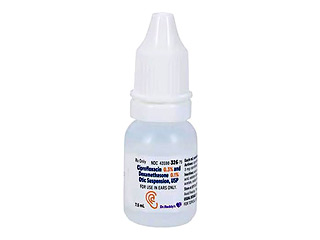
Ciprofloxacin/Dexamethasone is a combination medicine used to treat certain ear or eye conditions where there is both infection and inflammation. It contains two active medicines working together:
- Ciprofloxacin: an antibiotic that helps kill bacteria.
- Dexamethasone: a corticosteroid that reduces inflammation and irritation.
This page explains how the medicine works, when it’s used, what to expect, and important safety information for people in the United Kingdom. Always follow the instructions provided with your product and ask a healthcare professional if you are unsure.
Basic product information
The exact formulation and strengths can vary by product (for example, ear drops vs eye drops). Commonly, combinations of ciprofloxacin with dexamethasone are used for inflammatory infections.
- Active ingredients: Ciprofloxacin + Dexamethasone
- Medicine type: Antibiotic + corticosteroid combination
- Common forms: Usually drops (ear or eye), depending on the product
- Who it’s for: Adults and children where licensed and age-appropriate instructions are provided
- Typical setting: Short courses for local infection with inflammation
Important: Use the product for the specific site it is intended for (ear vs eye). Never use ear drops in the eye, or eye drops in the ear, unless a clinician has explicitly advised it.
How it works (mechanism of action)
Ciprofloxacin (antibiotic)
Ciprofloxacin is a fluoroquinolone antibiotic. It works by interfering with bacterial DNA processes. In particular, it inhibits:
- DNA gyrase and
- topoisomerase IV
This stops bacteria from multiplying and helps clear the infection.
Dexamethasone (corticosteroid)
Dexamethasone is a corticosteroid that reduces inflammation by altering the activity of immune mediators. It can help with symptoms such as redness, swelling, discomfort, and itching—especially where inflammation is part of the condition.
Why the combination is used
Many ear and eye infections are accompanied by significant inflammation. The antibiotic targets the bacteria, while dexamethasone helps reduce inflammatory symptoms, potentially improving comfort and recovery.
Pharmacokinetics (how the body handles it)
With local (ear/eye) use, only small amounts are generally absorbed into the bloodstream compared with tablets or injections. However, absorption can increase if:
- large areas are treated,
- the product is used more frequently than recommended, or
- there is broken skin or inflamed tissue (relevant particularly for ear conditions).
Key points to understand:
- Local action first: The medicine primarily works where it’s applied.
- Systemic absorption is usually limited: When used correctly, blood levels are typically low.
- Metabolism and elimination: Like other medications, any absorbed fraction is processed by the body and cleared (commonly via the liver/kidneys depending on the individual medicine and route).
Your product leaflet will provide the most accurate information for your specific formulation. If you have kidney disease, liver disease, or are using the drops on damaged tissue, speak to a pharmacist or clinician for tailored advice.
Typical use and timing
Ciprofloxacin/dexamethasone is intended for local use and is generally prescribed as a short course. The dosing schedule depends on whether the product is for the ear or eye, and on age and severity.
General timing principles
- Try to space doses evenly (for example, morning and evening, or every few hours if instructed).
- Complete the course even if symptoms improve.
- Do not stop early unless advised—stopping early can risk incomplete treatment.
What you may notice
- Pain or irritation may start improving within 24–72 hours, depending on the cause and severity.
- It’s common for symptoms to take longer to fully settle, especially inflammation.
- If there is no improvement after a few days or symptoms worsen, seek medical advice.
Food interactions
For locally acting ear/eye products, food interactions are usually not a major concern because only small amounts are absorbed systemically. Nevertheless:
- Follow your normal eating habits unless your clinician advises otherwise.
- If you are taking other medicines by mouth, check their individual interaction profiles.
If your product is a form that involves oral administration (less common for this combination), food interactions may differ—please refer to the leaflet for your specific brand.
Alcohol and medicine interactions
With local ciprofloxacin/dexamethasone drops, alcohol is not usually expected to interact significantly. However, some general considerations apply:
- Avoid excessive alcohol while you are unwell or in pain, as it can worsen dehydration and delay recovery.
- If you are using other medicines (such as painkillers, antibiotics, or anticoagulants), those may have specific alcohol-related precautions.
If you have liver disease, are pregnant, or take regular medicines, ask a pharmacist for personalised advice.
Indications (what it is used for)
The combination of an antibiotic and a steroid is typically used for conditions where infection is accompanied by inflammation. Indications vary by product and licensing. Common clinical uses include:
- Infective inflammatory conditions of the ear (for example, certain types of otitis externa), especially where inflammation is prominent.
- Infective inflammatory conditions of the eye (for example, bacterial infections with inflammation where a clinician considers a steroid appropriate).
Important safety note: Steroids can sometimes make certain infections worse or mask symptoms if used in the wrong condition. Therefore, the product is suitable only when a clinician has confirmed it is appropriate for the likely cause.
Dosing (how to use it)
Always follow the dose and schedule stated in your product leaflet and/or the instructions you were given. The information below is general guidance and may not match your exact prescription-strength or formulation.
Typical dosing patterns
For ear use (common pattern):
- Doses are often applied two to four times daily depending on severity and age.
- Treatment is usually for a short period (often around 7–14 days, depending on response and product instructions).
For eye use (common pattern):
- Doses are often applied at intervals such as every 2–6 hours at the start, then reduced as advised.
- Course duration is tailored to the condition and response.
How to administer drops (practical tips)
- Wash hands before and after use.
- Check the tip of the bottle—keep it clean and do not touch the eye/ear canal.
- If using ear drops:
- Gently tilt the head with the affected ear upwards.
- Follow the leaflet on whether the ear should be pulled (this can vary by age and the ear anatomy).
- Remain with the ear tilted for a short time to help drops spread.
- If using eye drops:
- Pull down the lower eyelid gently to form a small pocket.
- Apply the prescribed number of drops without touching the eye.
- Close the eye gently for about a minute.
- Keep consistency: try to use doses at the same times each day.
Missed dose
- If you miss a dose, apply it as soon as you remember.
- If it is nearly time for the next dose, skip the missed dose.
- Do not double to make up for a missed dose.
Safety profile and side effects
Like all medicines, ciprofloxacin/dexamethasone can cause side effects. Most are mild and local, but it’s important to recognise warning signs—especially because this product includes a corticosteroid.
Common local side effects
- Stinging, burning, or irritation at the application site
- Temporary discomfort after instillation
- Redness (for eye use) or mild ear discomfort (for ear use)
Less common but important risks
- Allergic reactions (such as rash, swelling, or breathlessness)
- Increased eye pressure with eye steroid use in some people (especially with longer use)
- Delayed healing if underlying conditions are not properly treated
- Fungal or viral infections may be worsened or become more noticeable when steroids are used
When to seek urgent advice
Contact a healthcare professional promptly or seek urgent care if you experience:
- Severe pain that is not improving
- Worsening redness/swelling
- Blurred vision that persists or worsens (eye use)
- Signs of allergy (hives, swelling of the face/lips, difficulty breathing)
- No improvement after the expected time (commonly within a few days)
Children and special populations
Dosing and suitability can differ for children. Use only as indicated for the specific age group and product strength. For babies and young children, ask a pharmacist or clinician if you are uncertain.
Practical use tips (to get the best results)
- Don’t share drops with others—even if symptoms look similar.
- Maintain hygiene and avoid contaminating the dropper tip.
- Use correct technique: incorrect application (wrong route, wrong number of drops, or poor head position) can reduce effectiveness.
- Keep appointments: if follow-up is advised (especially for eye conditions), attend as directed.
- Watch for resistance concerns: while local drops reduce systemic exposure, antibiotics should still be used only when appropriate.
- Stop and re-check if symptoms change: if you develop new symptoms (severe pain, new discharge, or visual changes), seek advice rather than “pushing through.”
Alternative options
Alternatives depend on the exact condition, severity, and suspected cause (bacterial vs viral vs fungal vs inflammatory but not infectious). Healthcare professionals may consider other treatments such as:
- Antibiotic-only drops (without steroid) if inflammation is not prominent or if a steroid is not suitable.
- Antifungal or antiviral therapies if the cause is suspected to be fungal or viral.
- Supportive care for symptoms (for example, pain relief and ear care measures in otitis externa).
- Different antibiotic combinations for particular organisms, local resistance patterns, and clinical response.
In the UK, selection is guided by clinical assessment and (where relevant) guidelines and microbiology advice. A pharmacist can also help you understand differences between products and what to expect.
Market and legal context in the United Kingdom
In the UK, medicines are regulated by the Medicines and Healthcare products Regulatory Agency (MHRA) and distributed under the rules set for the product’s classification. Availability, indications, and patient instructions are based on the product licence and the Summary of Product Characteristics.
Ciprofloxacin/dexamethasone combination products are generally available only through licensed distribution channels. UK pharmacies follow requirements for safe supply, counselling, and appropriate use.
For any medicine containing antibiotics and steroids, appropriate clinical selection is important to prevent misuse and avoid complications where the cause is not bacterial.
Recent guidance and stewardship considerations (UK)
In the UK, antimicrobial stewardship is a key priority. Healthcare services encourage:
- Using antibiotics only when needed and for appropriate durations.
- Reviewing response early (if not improving, reconsider diagnosis or treatment).
- Avoiding unnecessary steroid use, as steroids can complicate certain infections.
While specific “recent guidance” may vary by year and by specialty (ear vs eye), the overarching principles remain: treat confirmed bacterial infection appropriately and reassess if symptoms do not improve.
Delivery and availability (online pharmacy)
Availability can vary by formulation and brand. When ordering online in the UK, your pharmacy will typically confirm:
- The correct product for the intended site (ear or eye)
- Strength and quantity (the number of days of treatment)
- Suitability for your age group where relevant
Delivery options often include standard and express services depending on location and stock. Many pharmacies dispatch orders within defined working days; exact times depend on cut-off times and courier collection.
Check your order confirmation for:
- Estimated delivery date
- Tracking details (if provided)
- Packaging and cold-chain requirements (usually not required for eye/ear drops unless stated)
Storage: Follow the leaflet for storage conditions (often at room temperature, away from direct sunlight). Once opened, the product may have an expiry time (commonly noted as “discard after X weeks”).
FAQ
1) Is ciprofloxacin/dexamethasone the same as plain ciprofloxacin?
No. Ciprofloxacin/dexamethasone includes both an antibiotic (ciprofloxacin) and a steroid (dexamethasone). The steroid reduces inflammation but also requires correct diagnosis because it can mask or worsen certain infections if used inappropriately.
2) Can I use it if my symptoms are improving?
It’s usually best to complete the full course as directed. Stopping early may allow infection or inflammation to return. If you are unsure, ask a pharmacist or clinician—especially if you have severe symptoms or have not improved within the expected timeframe.
3) What if I wear contact lenses (for eye use)?
Contact lens advice depends on the specific eye condition and local guidance. In many infectious/inflammatory eye conditions, contact lenses may be avoided during treatment. Follow the leaflet and ask a healthcare professional if you use lenses.
4) Can I drive after using the eye drops?
Some people experience temporary blurred vision immediately after applying eye drops. If this happens, wait until your vision clears before driving or operating machinery.
5) Will this medicine affect other medicines I take?
Because this is typically a local treatment with limited systemic absorption, major interactions are less likely than with oral medicines. However, interaction potential can’t be completely ruled out. Tell your pharmacist about all medicines you use, including eye/ear products, steroids, and immunosuppressants.
6) Are there any food or alcohol restrictions?
Food restrictions are generally not expected for local ear/eye drops. Alcohol is generally not predicted to interact significantly, but avoid excessive alcohol while unwell and consider the effects of any other medicines you’re taking.
7) How long should it take to work?
Many people notice some improvement within 24–72 hours, but full resolution can take longer. If symptoms worsen or do not improve after a few days, seek advice promptly.
8) What should I do if I accidentally put the drops in the wrong place?
If you use ear drops in the eye or eye drops in the ear, rinse the affected area with clean water (or normal saline if available) and seek advice from a pharmacist or healthcare professional. If there are severe symptoms (significant pain, vision changes, or swelling), seek urgent care.
9) Can I stop if I feel better?
Unless a clinician tells you to stop, finishing the course reduces the risk of incomplete treatment. With steroid-containing products, stopping early can also allow inflammation to rebound.
10) Are there any signs that I might need a different treatment?
You may need re-assessment if you have:
- No improvement after several days
- Worsening redness, pain, or discharge
- New or unusual symptoms (especially blurred vision for eye use)
- Suspected allergy
Summary
Ciprofloxacin/dexamethasone combines an antibiotic with an anti-inflammatory steroid to treat certain infective, inflammatory conditions of the ear or eye. When used correctly, it can relieve symptoms and help clear infection. Because it contains a steroid, correct diagnosis and appropriate use are important, and you should seek advice if symptoms do not improve or worsen.
If you have questions about your specific product (strength, ear vs eye use, age limits, storage, or expected duration), consult the product leaflet or speak to a pharmacist.