

Cefadroxil (Cefadroxil) – Patient-Friendly Guide (UK)
Cefadroxil is an antibiotic medicine from the cephalosporin family. It is used to treat certain bacterial infections, most commonly affecting the skin and soft tissues, the urinary tract, and occasionally other body sites depending on local prescribing practice and the susceptibility of the bacteria.
This guide explains how cefadroxil works, what it is used for, how to take it safely, and what to watch for. It is intended to be patient-friendly and helpful for everyday decision-making.
Basic product information
| Item | Information |
|---|---|
| Generic name | Cefadroxil |
| Medicine type | Antibiotic (cephalosporin) |
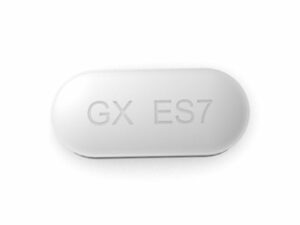
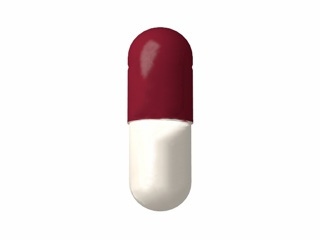
| Common forms | Usually tablets or capsules (specific brands may vary); oral liquid may be available in some settings |
| Typical dosing frequency | Often twice daily for many indications (follow your individual regimen) |
| How it is taken | By mouth |
| Key uses | Bacterial infections such as skin/soft tissue infections and urinary tract infections |
How cefadroxil works (mechanism of action)
Cefadroxil works by disrupting the ability of bacteria to build and maintain their cell walls. Like other beta-lactam antibiotics, it targets bacterial proteins involved in cell wall formation (often referred to as penicillin-binding proteins, or PBPs).
- Prevents cell wall synthesis, leading to bacterial weakening and death.
- Effective mainly against susceptible bacteria—not viruses such as the common cold or flu.
Pharmacokinetics (how the body handles cefadroxil)
Understanding the basics of absorption and elimination can help you take the medicine at the right times and know what to expect.
- Absorption: Cefadroxil is absorbed after oral dosing and reaches therapeutic levels to inhibit susceptible bacteria.
- Distribution: It distributes into body fluids and tissues where infections may occur.
- Metabolism: It is not extensively metabolised.
- Elimination: Cefadroxil is primarily cleared by the kidneys. People with reduced kidney function may require different dosing or closer monitoring.
- Duration of action: The dosing schedule is designed to keep drug levels above the minimum inhibitory concentration for susceptible bacteria.
What cefadroxil is typically used for in the UK
Cefadroxil is used for infections caused by bacteria that are susceptible to it. In practice, the exact choice of antibiotic depends on the likely infection, local resistance patterns, previous antibiotic exposure, allergy history, and sometimes test results.
Common indications
- Skin and soft tissue infections (for example, mild to moderate bacterial infections such as impetigo or infected wounds depending on severity and local guidance).
- Urinary tract infections (UTIs), including uncomplicated lower UTIs, when the organism is susceptible.
- Other bacterial infections may be treated depending on clinical judgement, culture results (if available), and national/local guidance.
Cefadroxil is not used for viral infections like colds, flu, or most sore throats. Antibiotics only help when the cause is bacterial.
When to take cefadroxil (timing and schedule)
Consistent timing helps maintain effective antibiotic levels in the body. Many regimens are designed as twice-daily dosing. Some courses may be every 12 hours (morning and evening).
- Try to space doses evenly (e.g., 8–12 hours apart depending on your regimen).
- Take it at the same times each day to reduce the chance of missed doses.
- Complete the full course unless advised otherwise by a clinician.
If you miss a dose
If you miss a dose, take it as soon as you remember, unless it is close to the next scheduled dose. In that case, skip the missed dose and continue as normal.
- Do not double up to make up for a missed dose.
- If you are unsure, seek advice from a pharmacist.
Dose (how much to take)
The dose of cefadroxil can vary depending on the infection type, severity, kidney function, and age. Doses for adults and children may differ, and local guidelines may influence the selected regimen.
For safe use, always follow the dosing instructions provided on your medicine label. If you need help understanding your specific dose, speak to a pharmacist.
Typical dosing principles
- Adults: Often prescribed twice daily for susceptible infections.
- Children: Dosing is usually weight-based and must be calculated carefully.
- Renal impairment: Kidney function affects clearance; dose adjustments may be needed.
Important: Do not change your dose or stop early simply because you feel better. Stopping too soon can allow bacteria to survive and return.
Food interactions and what to eat with it
Cefadroxil can generally be taken with or without food. Food may help reduce stomach upset for some people.
- With meals: May improve tolerability if you experience nausea or indigestion.
- Without meals: Some people find it easier, but if you get an upset stomach, try taking it with food.
If you are following a special diet, or have digestive problems such as reflux or gastritis, speak with a pharmacist about the best way to take your particular formulation.
Alcohol and medicine interactions
Many antibiotics do not have a direct, dangerous interaction with alcohol in the way that metronidazole does. However, drinking alcohol during an infection can worsen dehydration, sleep, and recovery—and can increase the chance of side effects such as nausea or dizziness.
- General advice: It’s best to avoid alcohol while you are unwell and taking antibiotics.
- If you do choose to drink: keep it limited and pay attention to side effects.
- Always check interactions with other medicines you are taking, including prescription medicines, over-the-counter products, and herbal remedies.
Medicine interactions (important considerations)
Cefadroxil has potential interactions that are mainly related to kidney handling and to how other medicines affect bleeding or gut flora. The exact risk depends on your health and the medicines you use.
Examples of what to consider
- Medicines affecting kidney function (e.g., certain diuretics, non-steroidal anti-inflammatory drugs such as ibuprofen, or other drugs cleared by the kidneys): may influence how your body handles cefadroxil.
- Warfarin and similar anticoagulants: antibiotics can alter gut bacteria and affect vitamin production, potentially changing bleeding risk. If you take warfarin, you may require extra monitoring of your INR.
- Other antibiotics: taking two antibiotics together is usually not necessary unless advised. Combining can increase side effects without added benefit.
If you are taking multiple medicines, it is wise to review them with a pharmacist to identify possible interactions.
Safety profile: who should be cautious?
Cefadroxil is generally well tolerated, but like all medicines it can cause side effects. Most people experience mild effects, but some reactions require urgent medical attention.
Common side effects
- Diarrhoea (mild)
- Nausea or stomach discomfort
- Headache
- Skin rash (may be mild, but any new rash should be monitored)
Serious warnings (seek urgent advice)
- Allergic reaction: swelling of the face/lips, difficulty breathing, wheezing, or widespread hives. This can be an emergency.
- Severe or persistent diarrhoea, especially if watery or bloody, or if accompanied by fever or severe abdominal cramps. This may indicate antibiotic-associated colitis.
- Severe skin reactions such as blistering, peeling, or sores in the mouth.
Allergy and cross-reactivity
Cefadroxil is a cephalosporin. If you have a history of allergy to cephalosporins or penicillin antibiotics, it is important to discuss this with a clinician or pharmacist before starting.
Practical use tips for patients
- Keep taking it even if symptoms improve—complete the course unless advised otherwise.
- Stay hydrated, especially if you have a urinary tract infection or diarrhoea.
- Use a reminder (phone alarm, calendar) to avoid missed doses.
- Monitor symptoms: improvement usually begins within 48–72 hours for susceptible infections, though it varies by condition.
- Contact a healthcare professional if symptoms worsen, do not improve, or if you develop new symptoms such as rash or severe diarrhoea.
- Storage: Keep the medicine at room temperature (unless your pack label instructs otherwise). Protect from excessive heat and moisture, and keep out of reach of children.
What to expect during treatment
It is common to feel better gradually. However, antibiotics do not work instantly. The timeline varies by infection site and severity.
- Skin infections: redness, swelling, and pain often start to improve after a couple of days.
- UTIs: urinary discomfort may improve within 24–48 hours, but a full course is still needed.
If you are not improving after a short period, or you have severe symptoms (e.g., fever, back pain, or vomiting), you should seek medical advice promptly.
Alternative options to consider
Treatment choices depend on the infection type and the bacteria involved. Alternatives may include other antibiotics with different spectra or non-antibiotic measures when appropriate.
Possible alternatives (examples)
- Other cephalosporins (depending on availability and susceptibility).
- Penicillin-type antibiotics for certain infections, if suitable and safe for your allergy history.
- Narrower-spectrum antibiotics when culture results are available to reduce unnecessary antibiotic exposure.
- For some conditions: supportive measures may be sufficient if the cause is not bacterial.
A pharmacist can help you understand why one antibiotic may be chosen over another, based on typical UK prescribing practices and safety considerations.
United Kingdom market and legal context
In the UK, antibiotics are medicines regulated under medicines and pharmacy laws. They are used in line with stewardship principles to reduce antibiotic resistance.
- Antibiotic stewardship: In the UK, healthcare providers follow guidance to prescribe antibiotics only when needed and to use the narrowest effective option for the shortest effective duration.
- Clinical governance: Prescribing decisions consider local resistance patterns and national guidance (including advice on UTIs and skin infections).
- Safety monitoring: Adverse reactions and treatment failures are monitored to protect patient health and inform future guidance.
Recent guidance (UK overview)
UK antibiotic prescribing continues to emphasise:
- Confirming bacterial cause where possible and assessing severity.
- Choosing first-line options based on local guidance for common infections (e.g., UTIs and skin/soft tissue infections).
- Reviewing the need for antibiotics if symptoms do not improve as expected.
- Reducing unnecessary broad-spectrum use to limit resistance.
Cefadroxil may be selected in appropriate circumstances depending on susceptibility and individual factors, but the best choice varies by infection and patient profile.
Delivery and availability from an online pharmacy (UK)
Availability can depend on manufacturer stock and your local dispensing requirements. Online pharmacies in the UK typically provide:
- Clear product listings and pack sizes.
- Tracked delivery options where available.
- Standard and faster dispatch services (times vary by supplier and order cut-off).
- Discreet packaging for privacy.
Delivery timelines depend on your postcode, stock status, and courier schedules. If an item is temporarily unavailable, some services may offer alternatives or notify you promptly.
FAQ about cefadroxil
1. Is cefadroxil an antibiotic?
Yes. Cefadroxil is an antibiotic in the cephalosporin class used to treat bacterial infections.
2. Will cefadroxil help with a cold or flu?
No. Cefadroxil does not treat viral infections such as the common cold, flu, or most sore throats. It works only against susceptible bacteria.
3. How quickly should I feel better?
Many people start to notice improvement within 48–72 hours, but this depends on the infection and whether the bacteria are susceptible. If you are not improving, contact a clinician or pharmacist.
4. Can I take cefadroxil with food?
Usually, yes. It can generally be taken with or without food. Taking it with food may reduce stomach upset.
5. Can I drink alcohol while taking cefadroxil?
It is generally advised to avoid alcohol while you are unwell and taking antibiotics. If you decide to drink, keep it limited and monitor for side effects. If you have concerns, ask a pharmacist.
6. What should I do if I miss a dose?
Take it as soon as you remember unless it is close to your next dose. Skip the missed dose if it is nearly time for the next one. Do not double up.
7. What side effects are common?
Common side effects include diarrhoea (often mild), nausea, stomach discomfort, headache, and occasionally skin rash.
8. When should I get urgent help?
Get urgent medical help if you have signs of a serious allergic reaction (such as swelling of the face/lips or difficulty breathing), severe skin reactions, or severe/persistent diarrhoea (especially if watery or bloody).
9. Can cefadroxil interact with other medicines?
Yes, some medicines can interact—particularly those that affect kidney function or anticoagulants like warfarin. Tell your pharmacist about all medicines and supplements you use.
10. Is cefadroxil safe for everyone?
Most people can take cefadroxil safely when it is appropriate for their condition. However, caution is needed with a history of allergy to beta-lactam antibiotics and in those with kidney impairment. Always follow professional advice and the label instructions.
Summary
Cefadroxil is a cephalosporin antibiotic used to treat certain bacterial infections, such as skin and soft tissue infections and UTIs, when the bacteria are susceptible. It works by interfering with bacterial cell wall formation. It is generally taken by mouth with consistent timing, can often be taken with or without food, and requires completing the full course for best outcomes.
If you experience severe diarrhoea, signs of allergy, or no improvement, seek prompt medical advice. For personalised guidance—especially if you have allergies, kidney problems, or take other medicines—speak with a pharmacist.