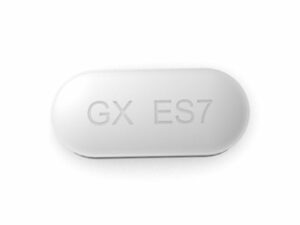

Cefixime (CeFIXime) — Patient Guide (UK)
Cefixime is an antibiotic medicine used to treat certain bacterial infections. This guide is designed to help you understand what cefixime does, how it works, how to take it safely, and what to expect. Always follow the advice given by your healthcare professional and the instructions on the medicine label.
1) Basic product information
- Active ingredient: Cefixime
- Medicine type: Antibiotic (cephalosporin)
- Common forms: Tablets and some formulations as granules/suspension (depends on the brand)
- Strengths: Vary by product and formulation
- Where it is used: Primarily for selected bacterial infections in the UK
In the UK, cefixime products are available through prescription-only routes in most cases, though availability of specific brands and formulations can vary between pharmacies.
2) How cefixime works (mechanism of action)
Cefixime belongs to the cephalosporin class of antibiotics. It works by targeting bacterial cell walls.
- It inhibits cell wall synthesis by binding to proteins involved in building and maintaining the bacterial wall.
- This leads to weakening and eventual death of susceptible bacteria.
- Cefixime is most effective against certain Gram-negative bacteria and some other susceptible organisms.
Cefixime treats bacterial infections. It does not work for viral illnesses such as most colds, flu, or many sore throats.
3) Pharmacokinetics (how your body handles cefixime)
Pharmacokinetics describes how cefixime is absorbed, distributed, metabolised, and eliminated.
- Absorption: Cefixime is absorbed after oral dosing. Absorption can be influenced by food (see “Food interactions”).
- Distribution: It distributes into body tissues and fluids to reach infection sites.
- Metabolism: Cefixime is not extensively metabolised in the body.
- Elimination: It is mainly cleared by the kidneys. If kidney function is reduced, the dose may need adjustment.
If you have kidney problems, are elderly, or have other factors affecting clearance, your clinician may tailor dosing to reduce side effects and maintain effectiveness.
4) Typical uses (indications) in the UK
Cefixime may be used for selected bacterial infections where it is appropriate. The exact use depends on local guidance, bacterial susceptibility, and patient factors.
Common indications may include:
- Urinary tract infections (UTIs) caused by susceptible bacteria
- Some ear, nose, and throat infections when bacterial causes are suspected and cefixime is considered suitable
- Respiratory tract infections in selected cases
Antibiotic selection is guided by likely bacteria, local resistance patterns, severity, and allergies. If a culture or test result is available, it can help confirm which antibiotic is best.
5) Timing and how to take cefixime
The dose and frequency depend on the infection being treated, your age, kidney function, and the formulation (tablet vs suspension).
General timing tips:
- Try to take it at evenly spaced times each day.
- If your regimen is once daily, take it at the same time each day.
- If it is twice daily, separate doses by about 12 hours.
- Complete the course as advised, even if you feel better early.
Can cefixime be taken with food?
For many people, cefixime can be taken with or without food. However, the exact effect of food can vary by formulation and individual factors (see “Food interactions” below).
6) Food interactions
Food interactions describe how eating affects the absorption or effect of cefixime.
- General guidance: Cefixime can usually be taken with food if it upsets your stomach.
- Absorption differences: Some people may have slightly different absorption depending on meal timing. In many cases, the practical advice is to keep dosing consistent: take it the same way each day (with or without food), unless your clinician has advised otherwise.
If you have a sensitive stomach, taking cefixime with food may help reduce nausea or stomach upset.
7) Alcohol interactions and safety
Cefixime is not commonly associated with a specific “disulfiram-like” reaction with alcohol (the kind that can occur with some other antibiotics). However, it is still wise to be cautious.
- Alcohol can worsen side effects such as dizziness, nausea, and diarrhoea.
- Alcohol may make it harder to stay hydrated if you feel unwell.
If you do choose to drink alcohol, do so moderately and consider avoiding it if you have vomiting, diarrhoea, severe infection symptoms, or you feel weak.
8) Dosing (general information)
The correct dose of cefixime depends on several factors, including the type of infection and age. Follow the dosing instructions provided with your specific product.
Adult dosing (typical examples)
Adult dosing regimens vary by indication. Common schedules in clinical use may include:
- Once daily dosing in some circumstances
- Twice daily dosing in some circumstances
Children and adolescents
Dosing for children is usually weight-based and may depend on formulation. For children, it is important to use the correct measuring device for suspension and to follow the preparation instructions precisely.
Kidney impairment
Because cefixime is cleared mainly via the kidneys, dosing may be adjusted in people with reduced kidney function. If you have kidney disease or you’ve been told you have reduced kidney function, speak to your clinician for specific advice.
Important: This website information cannot replace individual dosing instructions.
9) Safety profile (side effects and when to seek help)
Like all medicines, cefixime can cause side effects. Many people experience none or only mild effects, but some reactions require urgent attention.
Common side effects
- Diarrhoea (sometimes mild)
- Nausea or stomach discomfort
- Headache
- Rash or itching (may occur in some people)
Serious side effects — get medical help urgently
Seek urgent advice if you experience any of the following:
- Signs of an allergic reaction (e.g., swelling of the face/lips, difficulty breathing, severe rash with blistering)
- Severe or persistent diarrhoea, especially if watery or with blood, fever, or severe stomach cramps
- Unexplained bruising or bleeding, extreme weakness, or signs of significant blood problems (rare)
- Yellowing of the skin/eyes or dark urine (possible liver-related effects; uncommon)
Antibiotic-associated diarrhoea: what to watch for
Any antibiotic can affect gut bacteria. Mild diarrhoea can occur, but severe diarrhoea during or after treatment should be reported promptly to a healthcare professional.
10) Practical use tips
- Complete the course: Stopping early can increase the risk of the infection returning or not fully clearing.
- Measure liquid carefully: If using suspension/granules, measure with the provided syringe/spoon.
- Shake well (if suspension): Many liquid forms require thorough shaking before each dose.
- Storage: Follow storage instructions on the label (some suspensions require refrigeration depending on product instructions).
- Track dose times: Setting reminders can help maintain consistent levels of antibiotic.
- Hydration: If you have fever or infection symptoms, drink fluids regularly.
11) Medicine interactions
Cefixime can interact with some other medicines, which may alter effectiveness or increase the risk of side effects.
Notable interaction considerations
- Anticoagulants (e.g., warfarin): Antibiotics can increase bleeding risk in some cases. If you take warfarin, your clotting levels may need closer monitoring.
- Probenecid: May affect elimination of some antibiotics by influencing kidney clearance.
- Other medicines cleared by the kidneys: In people with reduced kidney function, interactions may become more relevant.
- Oral vaccines (where relevant): For most antibiotics, vaccine effectiveness is typically not a major issue, but if you’re unsure, ask your clinician or pharmacist.
Always tell your pharmacist or clinician about all medicines you use, including over-the-counter products, herbal remedies, and supplements.
12) Missed dose guidance
- If you miss a dose, take it when you remember unless it is close to the next dose.
- Do not double up to make up for a missed dose.
- If you’re unsure, ask a pharmacist for advice based on your dosing schedule.
13) Alternatives to cefixime
Alternatives depend on the infection type, suspected bacteria, allergy history (including allergy to penicillins/cephalosporins), local resistance patterns, and patient factors such as kidney function.
Possible antibiotic alternatives (examples)
- Amoxicillin or other penicillin-class antibiotics (if suitable)
- Co-amoxiclav (amoxicillin with clavulanic acid) in selected infections
- Nitrofurantoin (often for certain UTIs, depending on patient and indication)
- Trimethoprim (for certain UTIs, depending on resistance and suitability)
- Cephalosporins with different spectra (depending on the scenario)
If you’ve had an allergic reaction to cefixime or related antibiotics, alternatives may be chosen from a different class.
14) UK market & legal context (what you can expect)
In the UK, antibiotics are regulated and used under stewardship principles to help limit resistance. Many antibiotic medicines are classified as prescription-only in the UK, and supply arrangements must comply with healthcare regulations.
- Antibiotic stewardship: Clinicians aim to prescribe antibiotics only when likely beneficial.
- Resistance awareness: Local susceptibility patterns influence selection.
- Safety checks: Pharmacies may perform medication history checks for allergies, interactions, and appropriate use.
For the most up-to-date advice on when antibiotics are appropriate, refer to guidance from UK healthcare bodies and your prescriber’s instructions.
15) Recent UK guidance (antibiotic stewardship)
UK practice continues to emphasise responsible antibiotic use:
- Only treat bacterial infections: antibiotics should not be used for viral illnesses.
- Right antibiotic, right dose, right duration: short effective courses may be preferred where appropriate.
- Seek review if not improving: if symptoms worsen or do not improve after the expected timeframe, medical review is advised.
Guidance may vary by infection type and patient group (e.g., UTIs, respiratory infections, children, pregnancy). Your clinician will align treatment with the most relevant recommendations.
16) Delivery, availability and packaging
Availability of cefixime brands and formulations can vary. If you order through an online pharmacy service in the UK, your order is typically prepared according to the supplier’s stock and the product’s packaging.
- Delivery timelines: Delivery speed depends on the pharmacy service, courier options, and whether the product is held in local stock.
- Packaging: Medicines are usually supplied in original packaging with leaflets or product information.
- Storage instructions: Check the leaflet/label upon arrival, especially for liquid preparations.
If you have questions about a specific brand, strength, or formulation, contact the pharmacy’s customer care or consult a pharmacist.
17) Cefixime FAQ
How long does cefixime take to work?
Many people start to feel some improvement within 1–3 days, depending on the infection and severity. If you don’t begin to improve within the expected timeframe, or if symptoms worsen, contact a healthcare professional for review.
Can I take cefixime if I have a penicillin allergy?
Allergy information is essential. Some people with penicillin allergy may still tolerate cefixime, but others may not. Tell your clinician and pharmacist about your allergy history (including what reaction you had and when).
What if I get diarrhoea while taking cefixime?
Mild diarrhoea can occur. However, if diarrhoea is severe, watery, persists, or includes blood or fever, seek medical advice promptly.
Should I avoid dairy or antacids?
Some antibiotics have interactions with certain minerals/antacids, but the most relevant advice depends on the product and your other medicines. If you take antacids containing aluminium or magnesium, or supplements containing iron, check with a pharmacist for specific timing advice.
Can I take cefixime with paracetamol or ibuprofen?
In general, pain relief for infection-related symptoms can often be used as needed, but suitability depends on your health conditions and other medications. Check with a pharmacist if you have ulcers, kidney disease, or other concerns.
Is cefixime suitable in pregnancy or breastfeeding?
Safety in pregnancy and breastfeeding depends on the individual situation. Ask a healthcare professional for advice based on your medical history and the infection being treated.
What should I do if I stop cefixime early?
Stopping early may result in incomplete treatment and possible recurrence. If you’re thinking of stopping due to side effects or concerns, speak to a healthcare professional before making changes.
Can I use cefixime for every sore throat or chest infection?
Not usually. Many sore throats and most chest infections are viral, or caused by bacteria that may require different antibiotics. Cefixime should only be used for infections where it is appropriate.
18) When to contact a healthcare professional
Contact a healthcare professional urgently if you experience:
- Signs of severe allergic reaction (breathing difficulty, facial/lip swelling)
- Severe skin rash or blistering
- Severe diarrhoea, blood in stool, or dehydration
- Symptoms that significantly worsen or do not improve after the expected time
If you are uncertain whether your symptoms require medical review, it is always safer to ask.
Summary
Cefixime is an oral cephalosporin antibiotic used to treat certain bacterial infections. It works by interfering with bacterial cell wall formation. It is generally taken once or twice daily depending on the prescribed regimen, with timing that should be consistent. While many people tolerate cefixime well, side effects such as diarrhoea or nausea may occur, and urgent help is needed for serious allergy or severe diarrhoea. Responsible use helps protect effectiveness for the future—so it’s important to take cefixime only when appropriate and to follow guidance from healthcare professionals.