
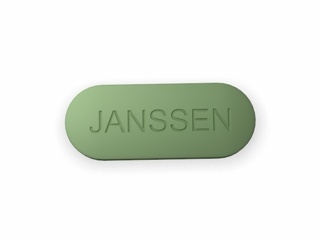
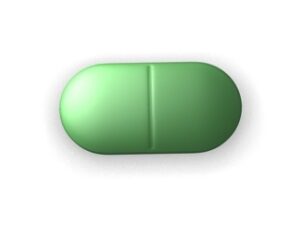

Risperidone (Risperdal and Generics) — Patient Information
Risperidone is an antipsychotic medicine used to treat certain mental health conditions. It can help reduce symptoms such as hallucinations, delusions, aggression, severe irritability, and disorganised thinking. This page explains how risperidone works, when it is used, how it’s usually taken, and key safety information to help you use the medicine more confidently.
If you have any questions, speak to your doctor or pharmacist. For urgent help (for example, if you feel very unwell or at risk of harming yourself), contact the NHS immediately using 111 or 999 for emergencies.
Basic product information
| Category | Details |
|---|---|
| Medicine name | Risperidone |
| Class | Atypical antipsychotic |
| Common brand (example) | Risperdal (availability may vary); also generic versions |
| Common forms | Tablets, oral solution; long-acting injection forms may be available |
| Typical dosing schedule | Often once or twice daily depending on the condition and formulation |
| Medicinal content | Risperidone; metabolised partly to an active compound (paliperidone) |
How risperidone works (mechanism of action)
Risperidone works by affecting brain chemicals called neurotransmitters, particularly dopamine and serotonin.
- Dopamine (D2) receptors: Helps reduce psychotic symptoms such as hallucinations and delusions.
- Serotonin (5-HT) receptors: Supports balance of brain signalling, which may improve mood-related and cognitive symptoms in some people.
- Other receptor actions: Risperidone can also affect receptors involved in sleep, anxiety, and certain aspects of muscle movement—this partly explains both benefits and side effects.
Over time, these actions may lead to symptom improvement. How quickly you feel better can vary widely depending on the condition being treated, the dose, and individual response.
Pharmacokinetics (how your body handles it)
Pharmacokinetics describes how risperidone is absorbed, distributed, metabolised, and eliminated. Understanding this can help with expectations about timing of effect and side effects.
Absorption
After taking risperidone by mouth, it is absorbed into the bloodstream. The medicine can reach useful levels within hours, though the full therapeutic effect may take longer.
Metabolism
Risperidone is metabolised mainly in the liver, including via the enzyme CYP2D6. A metabolite called paliperidone also contributes to overall activity. People vary in how quickly they metabolise medicines, which can affect blood levels and tolerability.
Elimination
Risperidone and its active metabolite are eliminated mainly via the kidneys and partly via other routes. In kidney or liver problems, doses may need adjustment and side effects can be more likely.
What this means in practice
- Consistent daily dosing helps maintain stable levels and reduces symptom fluctuations.
- Some side effects (such as sleepiness or restlessness) can appear early, while symptom improvement may take days to weeks.
- Age and health conditions (especially kidney/liver function) can influence how quickly the medicine clears from your body.
Typical use in the UK
Risperidone is used for a range of conditions, including:
- Schizophrenia and other psychotic illnesses, where it may help reduce hallucinations, delusions, and disorganised thinking.
- Mania associated with bipolar disorder, often as part of a broader treatment plan.
- Irritability related to autism in certain age groups, when appropriate.
- Conduct and other behaviour problems in specific settings may be considered, depending on local guidance and the person’s needs.
The exact approved indications can depend on age and formulation (tablets vs. long-acting injections vs. oral solution). Your pharmacist can help you confirm what applies to your particular product.
Indications (when doctors may choose risperidone)
Indications are the situations where risperidone is intended to provide clinical benefit. In the UK, usage follows the authorised product information and clinical guidance.
- Psychotic disorders (e.g., schizophrenia): helping reduce psychotic symptoms.
- Bipolar disorder (mania): helping control episodes of elevated mood, agitation, and related symptoms.
- Autism spectrum disorder: treating persistent irritability/aggression that requires medication in selected patients.
- Other severe behavioural disturbances: in certain circumstances under specialist care.
How and when to take risperidone (timing and routine)
The best schedule depends on your dose, formulation, and the condition being treated. Many people take risperidone once or twice daily with or without food.
Timing
- Try to take it at the same time each day to maintain steady effects.
- If your dose is twice daily, space doses roughly evenly (for example, morning and evening).
- If risperidone makes you drowsy, some people find an evening dose helps. Always follow your healthcare professional’s advice.
What to do if you miss a dose
If you miss a dose, take it as soon as you remember. If it is close to the time of your next dose, skip the missed dose. Do not take a double dose to make up for a missed one. If you are unsure, ask a pharmacist for advice based on your dosing schedule.
Food interactions (what to know about meals)
Risperidone can generally be taken with or without food. Food usually does not significantly change how well it is absorbed for most people.
That said, maintain a consistent routine. If you notice an unusual effect after eating (such as nausea or stomach upset), discuss it with your pharmacist.
Alcohol interactions and medicine interactions
Alcohol
It is generally advisable to avoid or limit alcohol while taking risperidone because alcohol can increase side effects such as drowsiness, sleepiness, dizziness, and impair reaction times. This increases the risk of falls and accidents.
Other medicines that may interact
Risperidone can interact with other medicines. Tell your pharmacist about all medicines you take, including over-the-counter products and herbal remedies. Particularly important interactions include:
- Medicines that affect the brain (sedatives, sleeping tablets, some antihistamines): can increase drowsiness and impairment.
- Medicines that affect heart rhythm (e.g., some antiarrhythmics or other drugs known to prolong the QT interval): combined use may increase the risk of heart rhythm problems.
- Medicines that change liver enzymes (especially CYP2D6-related interactions): may raise or lower risperidone levels. Examples can include certain antidepressants and medicines for Parkinson’s disease, though the exact interaction depends on the product.
- Diuretics and blood pressure medicines: risk of dizziness or blood pressure changes may be increased.
- Medicines that affect electrolytes (low potassium or magnesium): may increase risk of cardiac effects in susceptible people.
- Levodopa and dopamine agonists: may reduce effectiveness and can affect movement-related side effects.
This is not a complete list. Your pharmacist can check your specific combination of medicines for interactions.
Dosing: what is typical and how dosing may change
Dosing depends on the condition being treated, age, formulation, kidney function, liver function, and response to treatment. Your healthcare professional will set a personalised plan.
General principles
- Start low, go slow: many people begin at a lower dose and gradually increase to reduce side effects.
- Target the lowest effective dose to manage symptoms.
- Adjustments for age and health: older adults and those with kidney problems may need lower doses.
- Treatment reviews: dose may be reviewed regularly to confirm benefit and safety.
Typical dosing schedules (examples)
The following ranges are illustrative and do not replace personalised dosing advice. Always follow the plan set by your prescriber.
| Condition (general) | Typical approach | Notes |
|---|---|---|
| Schizophrenia (adults) | Often once or twice daily; dose gradually adjusted | Some people respond at lower doses; others require titration under supervision. |
| Bipolar mania | Once or twice daily; carefully titrated | May be used alongside other bipolar medicines depending on the case. |
| Autism-related irritability (selected patients) | Lower starting doses with gradual increases | Dosing is age- and weight-dependent in many settings. |
| Older adults | Lower dose and slower titration are commonly used | Higher sensitivity to side effects may require closer monitoring. |
Long-acting injection (if applicable)
Some people use risperidone as a long-acting injection given at set intervals. This can help with adherence and keep symptom control steady. If you are using a depot injection, confirm the injection schedule and what to do if a dose is delayed.
Safety profile: important side effects and risks
Like all medicines, risperidone can cause side effects. Many people experience mild effects early on, while others may need dose adjustments or additional treatment. Serious side effects are less common but should be recognised quickly.
Common side effects
- Sleepiness or drowsiness
- Dizziness or feeling light-headed
- Restlessness (akathisia)
- Headache
- Stomach upset (e.g., nausea, constipation)
- Weight gain and changes in appetite
- Increased prolactin levels, which may lead to menstrual changes, breast tenderness or milk discharge
Movement-related effects
Risperidone can cause movement-related side effects such as tremor, stiffness, or involuntary movements. If you notice unusual movements, restlessness, or muscle stiffness, contact your healthcare professional. Early attention can reduce long-term issues.
Metabolic effects (weight, blood sugar, cholesterol)
Antipsychotics can affect metabolism. Monitoring may include weight, waist size, blood glucose, and lipids.
- Weight gain may occur gradually.
- Some people may develop or worsen high blood sugar.
- Cholesterol and triglyceride levels may change.
Heart rhythm and blood pressure
Risperidone can, in some circumstances, affect heart rhythm (QT interval) and may lower blood pressure—especially when starting or increasing dose. Seek medical advice urgently if you experience fainting, a very fast or irregular heartbeat, or severe dizziness.
Serious but uncommon risks
- Neuroleptic Malignant Syndrome (NMS): symptoms may include high temperature, muscle stiffness, confusion, and autonomic instability.
- Tardive dyskinesia: involuntary movements that can persist; risk increases with long-term use.
- Severe allergic reactions: swelling of face/lips, breathing difficulty, or rash with other symptoms.
If you suspect you may be experiencing a serious reaction, seek urgent medical help.
Special safety considerations
- Older adults with dementia-related psychosis: antipsychotics may increase the risk of stroke and death in some populations. Use requires careful specialist assessment.
- Children and adolescents: monitoring for weight changes and possible movement effects is particularly important.
- Kidney or liver impairment: higher levels can build up; dose adjustment and monitoring are often needed.
Practical use tips (to get the most from treatment)
- Keep a routine: use a medication reminder app, phone alarm, or weekly pill organiser.
- Track early changes: note improvements in symptoms and any new side effects (sleep, restlessness, appetite, weight).
- Don’t stop suddenly: stopping abruptly can cause symptom return or withdrawal-like effects. Use a planned taper only if advised.
- Attend follow-ups: regular reviews help balance benefits with side effects and reduce unnecessary dose increases.
- Monitor metabolic health: ask your GP or clinic about weight and blood tests if you remain on treatment long term.
- Be careful with driving: until you know how risperidone affects you (sleepiness and slower reaction time can occur).
- Rise slowly: if you feel light-headed, stand up slowly—especially after waking or after sitting.
Alternative options
Depending on your diagnosis, age, and symptom profile, clinicians may consider other treatments. Options may include:
Other antipsychotics
- Olanzapine
- Quetiapine
- Aripiprazole
- Amisulpride
- Haloperidol (often used in specific settings)
Psychosocial and therapy approaches
- Talking therapies (e.g., CBT for psychosis where suitable)
- Family support and structured routines
- Behavioural and educational strategies (especially in autism-related irritability)
Other medicines
- Mood stabilisers for bipolar disorder may be used alongside or instead of antipsychotics in some plans.
- For certain symptoms like anxiety or sleep disturbance, non-antipsychotic options may be considered.
Your pharmacist can explain differences and help you prepare questions for your clinician. The “best” choice depends on your goals and side-effect tolerance.
UK market and legal context (patient-friendly overview)
In the United Kingdom, risperidone medicines are regulated and authorised for use under the medicines regulatory framework. Availability depends on product type (brand vs generic, tablets vs oral solution, and any long-acting injection formulations).
Antipsychotics are monitored through routine healthcare pathways, and long-term treatment typically involves reviews with your GP, psychiatrist, or specialist team. Medicines safety information is updated as new evidence becomes available.
Guidance on antipsychotic use is influenced by national bodies and local NHS services, including recommendations on monitoring (for example, metabolic and cardiovascular checks) and the need to balance symptom control with side effects.
Recent guidance and ongoing monitoring (what you may notice in practice)
Clinicians increasingly emphasise:
- Physical health monitoring (weight, blood pressure, blood glucose and lipids) for people using antipsychotics.
- Regular reviews to ensure dose is the lowest effective amount and to consider gradual dose reduction when appropriate.
- Shared decision-making and discussion of side effects early, especially sleepiness, restlessness, and weight changes.
- Careful assessment in older adults and those with dementia-related symptoms.
Delivery and availability in the UK
Availability can vary between brands and generic versions. Some presentations may be more common than others. If you’re not sure which version is right for you, select the product that matches the strength and formulation you’ve been advised to use.
Delivery times depend on stock status and the dispatch schedule of the online pharmacy. Many UK online pharmacies offer tracked delivery within a standard timeframe, and some may provide options such as next-day delivery where available.
If your order is delayed, you should be able to check your tracking and contact the pharmacy’s customer service for updates.
Safety information: when to get urgent help
Contact urgent medical services or seek emergency care if you develop symptoms that could indicate a serious reaction, such as:
- Signs of an allergic reaction (swelling of face/lips, difficulty breathing, widespread rash with other symptoms)
- Severe or persistent muscle stiffness with fever, confusion, or extreme drowsiness
- Fainting, severe dizziness, or a very fast/irregular heartbeat
- Uncontrolled severe symptoms or risk of harm to yourself or others
FAQ — Risperidone
1) How long does risperidone take to work?
Some people notice early changes in sleep, agitation, or restlessness within days. Symptom relief for hallucinations and delusions often takes longer, typically over days to a few weeks. Full benefit depends on the condition, dose, and individual response.
2) Can I take risperidone with food?
Yes. Risperidone is usually taken with or without food. If you notice that taking it with meals upsets your stomach or improves comfort, choose the option that suits you and keep the routine consistent.
3) What should I do if I feel very sleepy?
Drowsiness can occur, especially at the beginning or after dose increases. Avoid driving and alcohol. If sleepiness is troublesome or persistent, speak to your pharmacist or clinician—dose adjustment or timing changes may help.
4) Is weight gain common?
Weight gain can occur. Not everyone experiences it, but it’s important to monitor appetite and weight, and discuss any rapid changes with your clinician.
5) Can I drink alcohol while taking risperidone?
It’s best to avoid or limit alcohol, because it can increase drowsiness and dizziness, affecting safety and reaction time.
6) What are the key medicine interactions?
Risperidone may interact with medicines that cause drowsiness, affect heart rhythm, affect liver enzymes, or change blood pressure. Always tell your pharmacist about all medicines and supplements you take.
7) Are there alternatives if I can’t tolerate side effects?
There are other antipsychotics and non-medicine approaches depending on your diagnosis and needs. Your healthcare professional can help review the balance of benefits and side effects and consider switching or adjusting treatment.
8) Can I stop risperidone suddenly?
Usually it’s not advisable to stop suddenly. Stopping abruptly can worsen symptoms or cause unwanted effects. If you want to stop or change treatment, talk to your clinician for a safe plan.
9) Who should be extra careful using risperidone?
Extra caution is needed for older adults, people with kidney or liver problems, those at risk of falls, and those with a history of heart rhythm issues. Tell your pharmacist about your medical history and current medicines.
10) How should I store risperidone tablets or solution?
Store at room temperature as stated on the pack, keep it in the original packaging, and store out of sight and reach of children. Check the pack for specific storage instructions and expiry dates.
Important: This information is for general guidance and does not replace personalised advice from a healthcare professional. If you have symptoms you’re worried about, or if side effects affect your daily life, seek medical advice promptly.