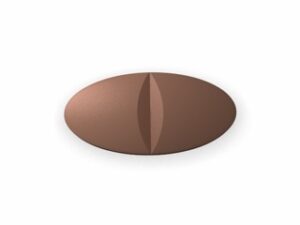

Nortriptyline Hydrochloride (Nortriptyline) – Patient Information (UK)
Nortriptyline is a medicine from the group of tricyclic antidepressants (TCAs). In the UK, it is used for certain mood conditions and for long-term relief of some kinds of nerve-related pain, depending on your diagnosis and clinician’s assessment.
This guide explains what nortriptyline is, how it works, how your body handles it, how it is typically used, important safety information, interactions, and practical tips to help you use it safely and effectively.
1) Basic product information
| Item | Details |
|---|---|
| Generic name | Nortriptyline Hydrochloride |
| Medicine type | Tricyclic antidepressant (TCA) |
| Common forms | Tablets or capsules (strengths may vary by brand/product) |
| How it is usually taken | By mouth, once or divided doses daily (depending on your plan) |
| Typical dosing range | Varies by indication and patient factors (often lower doses for pain than for depression) |
| Onset of effect | Mood effects often take weeks; pain relief may begin earlier but usually improves over time |
2) How nortriptyline works (mechanism of action)
Nortriptyline affects chemical messengers in the brain and nerves. It primarily works by altering the balance of noradrenaline (norepinephrine) and, to a lesser extent, serotonin. It helps reduce the re-uptake of these neurotransmitters in the nerve endings, which can improve mood and help “turn down” certain pathways involved in chronic nerve pain.
Nortriptyline also has effects on other receptors involved in sleep, anxiety, pain signalling, and bodily functions. These additional actions explain some common side effects (such as dry mouth or drowsiness) and why monitoring may be needed in certain people.
3) Pharmacokinetics: how the body absorbs and processes it
“Pharmacokinetics” describes what happens to nortriptyline after you take it—absorption, distribution, metabolism and elimination. While exact levels vary between people, the general pattern is:
- Absorption: Nortriptyline is absorbed from the gut after tablets/capsules are swallowed.
- Distribution: It distributes through body tissues, including the central nervous system.
- Metabolism: It is mainly broken down by the liver, with key involvement of enzyme systems (notably CYP2D6 and related pathways).
- Elimination: Metabolites are cleared primarily via the kidneys.
- Half-life: Nortriptyline has a relatively long half-life, supporting once-daily dosing for many people. This also means side effects and effects can persist for some time if doses are changed.
Because metabolism can vary (for example, between people with different genetic variants affecting CYP2D6 activity), your prescriber may start at a conservative dose and adjust gradually.
4) Typical uses in the UK
In the UK, nortriptyline may be used for:
- Depression and depressive symptoms (particularly when other options are unsuitable).
- Neuropathic pain (nerve-related pain), such as burning, shooting, or tingling pain.
- Chronic pain conditions where a TCA is considered appropriate.
- Other conditions may be considered by clinicians depending on individual circumstances and local guidance.
If you are taking nortriptyline, your course is tailored to your diagnosis. Always follow the dosing schedule given to you. The “right” dose depends on what it is being used for and your medical history.
5) When to take it (timing)
Many people take nortriptyline in the evening because it can cause drowsiness or help with sleep. However, some people do better with morning dosing. Your best timing depends on:
- How sleepy it makes you feel
- Your other medications and daily routine
- Whether you take it once daily or in divided doses
- Your symptoms (mood, pain, or both)
Tips for consistent timing:
- Take it at the same time each day to keep blood levels steadier.
- If you miss a dose, take it when you remember unless it is close to the next dose (then skip the missed dose).
- Do not double the dose to make up for a missed one.
6) Dosing: what is typical?
Doses vary widely. Nortriptyline is usually started at a low dose and increased gradually if needed. This reduces the risk of side effects and helps your body adjust.
The following table provides general ranges seen in practice. Your own dose may be different. Use it only as a guide to understand why your plan might be lower (or higher) than someone else’s.
| Use | Typical starting approach | Common dose range (general guide) | How changes are made |
|---|---|---|---|
| Neuropathic pain | Often started low, especially in older adults | Frequently in the lower dosing range compared with depression | Adjusted gradually every 1–2 weeks (or as advised) |
| Depression | Low dose initially, then gradual increase | Often higher than for pain (varies considerably) | Adjusted over several weeks based on response and tolerance |
Your clinician may also consider age, other medicines, liver function, and heart rhythm history when deciding your dose. If you are asked to attend checks (for example, monitoring heart rhythm or blood levels in some situations), it is to keep you safer.
7) Food interactions
Nortriptyline can generally be taken with or without food. However, individual tolerance may improve if taken after food, especially if you experience nausea.
Practical points:
- If nortriptyline upsets your stomach, try taking it with a light meal or after a snack.
- Maintain stable eating patterns if you notice changes in how you feel (this is not usually a formal “interaction,” but it can affect how side effects are experienced).
- Avoid sudden changes in your routine without discussing them if you have symptoms that worsen.
8) Alcohol and medicines interactions
Alcohol
It is generally recommended to avoid or minimise alcohol while taking nortriptyline, because both can affect the brain and nervous system. Alcohol may increase side effects such as:
- drowsiness or dizziness
- impaired judgement and reaction time
- worsening mood in some people
Other medicines that may interact
Nortriptyline can interact with other drugs, sometimes changing nortriptyline levels in the blood or increasing side effects. Some interactions can be serious. Tell your healthcare team about all medicines you take, including:
- Other antidepressants (including SSRIs, SNRIs, MAOIs, and related drugs)
- Medicines for migraine (some types can interact)
- Antipsychotics and mood medicines
- Medicines for heart rhythm or blood pressure
- Some antibiotics/antifungals (can affect liver enzymes)
- Antihistamines (some can increase sedation or dry mouth)
- Medicines used for sleep or anxiety
- St John’s wort (can affect antidepressant levels and increase side effect risk)
- Any medicines that prolong the QT interval (heart rhythm risk)
Special caution is needed with medicines that strongly inhibit liver enzymes (especially those affecting CYP2D6), as they can increase nortriptyline levels and raise the chance of side effects such as drowsiness, dry mouth, constipation, and heart rhythm changes.
Serotonin-related risk
While nortriptyline is not the same as “pure” serotonergic antidepressants, combining antidepressants that affect serotonin may increase the risk of serotonin-related side effects. Seek urgent advice if you experience symptoms such as:
- Agitation, confusion
- Rapid heartbeat and sweating
- Tremor, muscle stiffness, or diarrhoea
9) Indications: when nortriptyline is considered
Clinicians may consider nortriptyline when it fits your symptoms and medical history. Common “indication” categories include:
- Depressive illness (including when tricyclic antidepressants are an option)
- Chronic neuropathic pain (such as nerve pain after injury or in conditions causing nerve damage)
- Other pain syndromes where TCAs are used to reduce pain signalling
Because nortriptyline can cause anticholinergic effects (dry mouth, constipation, blurred vision) and may affect heart rhythm, your clinician will weigh benefits versus risks for your individual situation.
10) Safety profile: important warnings and side effects
Common side effects
Not everyone experiences side effects. Many become less noticeable after your body adjusts, typically over the first days to weeks. Common effects include:
- Dry mouth
- Constipation
- Drowsiness or fatigue
- Dizziness (especially on standing)
- Blurred vision
- Increased sweating
- Weight gain in some people
- Sexual dysfunction (can occur with antidepressants)
Less common but important side effects
- Heart rhythm changes (rare, but risk is higher with certain conditions or interacting medicines)
- Low blood pressure or fainting
- Urinary retention (more likely in some people with prostate problems)
- Confusion or worsening symptoms in certain older adults
- Effects on mood (for example, feeling unusually agitated)
Seek urgent help if you have
Contact urgent medical services or seek immediate advice if you experience:
- Signs of an allergic reaction (swelling of face/lips, difficulty breathing, rash)
- Severe dizziness, fainting, chest pain, or a very fast/irregular heartbeat
- Severe muscle stiffness, fever, confusion, or uncontrolled shaking
- Overdose symptoms (especially if more tablets were taken than prescribed)
- Thoughts of harming yourself or severe worsening of mood
Who should use extra caution?
Your prescriber may be more cautious if you have any of the following:
- Heart disease, previous rhythm problems, or a family history of sudden cardiac death
- High risk of falls or severe dizziness
- Glaucoma (narrow-angle) or problems with eye pressure
- Constipation, bowel obstruction, or urinary retention
- Severe liver disease
- Bipolar disorder or a history of mania/hypomania
- When combined with interacting medicines
11) Practical use tips (making treatment easier)
- Manage dry mouth: sip water regularly, use sugar-free chewing gum, and consider saliva substitutes if advised.
- Prevent constipation: aim for fibre in your diet, adequate fluids, and regular physical activity; talk to a pharmacist about suitable laxatives if needed.
- Be careful when standing: rise slowly to reduce dizziness.
- Driving and machinery: avoid driving or operating machinery until you know how nortriptyline affects you.
- Check new medicines: ask a pharmacist before starting over-the-counter products, particularly sedating antihistamines.
- Use a consistent bedtime routine: if taken in the evening, a routine can help with initial sleep changes.
- Do not stop suddenly: stopping abruptly can cause unpleasant withdrawal-like symptoms in some people. If you need to stop, your clinician will advise a gradual reduction plan.
12) Stopping nortriptyline and withdrawal considerations
Tricyclic antidepressants should generally be reduced gradually rather than stopped suddenly. Symptoms that can occur if stopped abruptly may include dizziness, nausea, headache, irritability, and sleep disturbances. Your healthcare professional can provide a tapering approach tailored to your dose and how long you have taken it.
13) Alternatives to nortriptyline
“Alternative options” depend on what nortriptyline is being used for (depression vs nerve pain) and on your health profile. Discuss options with a clinician if nortriptyline isn’t suitable or isn’t helping.
For neuropathic pain
- Gabapentin or pregabalin
- Duloxetine (an SNRI used in some pain conditions)
- Topical treatments (for selected causes of pain)
- Other antidepressants such as amitriptyline may be considered in some cases
For depression
- SSRIs (for example, sertraline or citalopram)
- SNRIs (for example, venlafaxine or duloxetine)
- Mirtazapine
- Psychological therapies such as CBT, either alone or alongside medication
Your best choice depends on side effect preferences, other conditions (especially heart and liver health), and your response history to past medicines.
14) UK market & legal context (high-level)
In the United Kingdom, nortriptyline is an established prescription-only medicine category in clinical practice. Medicines are supplied through regulated channels and are expected to be used under appropriate clinical oversight. Your local pharmacy will provide instructions and safety information as part of safe supply.
Safety updates and prescribing advice in the UK can be influenced by national guidance and regulatory reviews. If you’re concerned about changes to availability, packaging, or brand, your pharmacist can confirm details for the exact product supplied.
15) Recent guidance and monitoring considerations (UK)
While the core role of nortriptyline in neuropathic pain and depression remains consistent, clinicians in the UK commonly pay attention to:
- Individual risk assessment before starting a TCA (including heart rhythm risks).
- Careful dose titration (start low, go slow) to improve tolerability.
- Review of interacting medicines (including over-the-counter products and herbal remedies).
- Monitoring where appropriate, particularly in people with heart disease or higher risk profiles.
Always follow the most up-to-date instructions provided with your specific pack and by your healthcare professional.
16) Delivery, availability, and what to expect from a UK pharmacy
Nortriptyline availability can vary depending on the exact brand, strength, and pack size. UK online pharmacies typically:
- Confirm the item and strength you request
- Package tablets/capsules securely to prevent damage
- Provide delivery updates and estimated delivery windows
- Include patient information with the dispensed product
Delivery tips:
- Check delivery cut-off times if you need it quickly.
- Ensure someone can receive the parcel if required by the delivery service.
- Store tablets properly (see storage advice below).
Storage and handling
- Keep in the original container to protect from moisture and to identify the product.
- Store at room temperature as indicated on the pack.
- Keep out of sight and reach of children.
- Do not use after the expiry date shown on the pack.
17) FAQ
How long does it take for nortriptyline to work?
For depression, improvement often takes 2–6 weeks, though some benefits may appear earlier. For nerve pain, some people notice changes within days to a few weeks, but meaningful relief usually builds over time. Your dose may be adjusted gradually to balance benefit and side effects.
Why am I drowsy after taking it?
Nortriptyline can cause drowsiness and may affect alertness, especially at the beginning or after dose increases. Taking it in the evening may help. If you feel very sleepy, talk to your pharmacist or clinician.
Can I take nortriptyline with food?
Yes. Nortriptyline can usually be taken with or without food. If you experience nausea, taking it after a meal can improve tolerance.
Is it safe to drink alcohol while taking nortriptyline?
It’s best to avoid or minimise alcohol because it can increase dizziness, drowsiness, and impairment. If you’re unsure about what is safe for you, ask a pharmacist for advice.
What should I do if I miss a dose?
Take it when you remember if it’s not close to your next dose. If it is near the next dose, skip the missed dose. Do not double your dose.
Can I stop taking nortriptyline suddenly?
Generally, no. Stopping suddenly can lead to uncomfortable symptoms in some people. If you want to stop, arrange a gradual reduction plan with your clinician.
What side effects are most common?
Common side effects include dry mouth, constipation, drowsiness, dizziness, and blurred vision. Many improve as your body adjusts.
Who is at higher risk of heart-related side effects?
People with known heart conditions, a history of rhythm problems, older adults, and those taking medicines that affect heart rhythm or increase nortriptyline levels may have higher risk. If you have heart disease or you start a new interacting medicine, you should discuss monitoring with your healthcare professional.
Are there any over-the-counter medicines I should avoid?
Be cautious with products that cause drowsiness (some antihistamines, cough/cold sedatives) and those affecting heart rhythm. Always check with a pharmacist if you’re unsure, particularly before combining with other antidepressants or sedating medicines.
What are the most important interaction points?
Key areas include:
- Other antidepressants and serotonin-related medicines
- Medicines that inhibit liver enzymes (may raise nortriptyline levels)
- Medicines that can affect heart rhythm (QT prolongation)
- Alcohol and sedating medicines
- Herbal products such as St John’s wort
How should I use nortriptyline safely on a day-to-day basis?
Keep a steady routine, avoid alcohol, rise slowly to reduce dizziness, manage dry mouth and constipation early, and don’t stop suddenly. If side effects become troublesome, seek advice rather than stopping abruptly.
18) Summary
Nortriptyline is a tricyclic antidepressant used in the UK for depression and for certain types of nerve-related pain. It works by affecting neurotransmitter pathways and pain signalling. Like many medicines, it can cause side effects and interact with other drugs—so careful dose titration and attention to interactions are important.
If you have questions about your specific dose, side effects, or interactions with other medicines, ask your pharmacist or healthcare professional for guidance tailored to you.