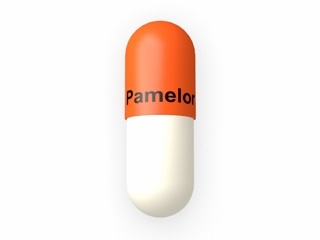
Pamelor (Nortriptyline) – Patient-Friendly Guide (UK)
Pamelor contains nortriptyline, a medicine in the tricyclic antidepressant (TCA) family. It is used for several long-term conditions, including certain types of depression and nerve-related pain. This guide explains how it works, how it is taken, what to expect, key safety points, and practical advice for use in the United Kingdom.
Always follow the instructions provided with your medicine and any clinician guidance. If you have questions about suitability for you personally, speak to a pharmacist or other healthcare professional.
1) Basic product information
| Product name | Active ingredient | Medicine type | Common form | Typical availability |
|---|---|---|---|---|
| Pamelor | Nortriptyline | Tricyclic antidepressant (TCA) | Tablets / capsules (depending on brand & supplier) | Available via prescription channels and pharmacy supply in the UK |
Important: “Pamelor” refers to a branded form of nortriptyline. Other brands and generics containing nortriptyline may also be available.
2) How nortriptyline works (mechanism of action)
Nortriptyline helps improve symptoms by affecting brain chemicals involved in mood, pain signals, and sleep. Specifically, it works primarily by:
- Reuptake inhibition of noradrenaline and serotonin: It blocks the transporters that normally remove these neurotransmitters from the synaptic space, helping them remain available longer.
- Additional receptor effects: It also influences several receptors (including those involved in histamine, acetylcholine, and adrenergic signalling). These effects contribute to its benefits but also to certain side effects (such as drowsiness or dry mouth).
In nerve pain conditions, the medicine’s ability to dampen abnormal pain signalling can be especially helpful.
3) Pharmacokinetics (how the body handles it)
Understanding pharmacokinetics may help you know why dosing schedules matter and why side effects can change over time.
- Absorption: Nortriptyline is absorbed from the gastrointestinal tract after taking by mouth.
- Distribution: It distributes widely into body tissues and crosses into the brain.
- Metabolism: Nortriptyline is mainly metabolised in the liver, particularly by the CYP2D6 enzyme system.
- Elimination: The medicine and its metabolites are removed largely through the kidneys.
- Half-life (general): Nortriptyline has a relatively long half-life, which supports once-daily dosing for many people. Individual timing can vary.
Because metabolism depends partly on liver enzymes, other medicines (and genetic differences in enzyme activity) can alter blood levels—this is one reason it’s important to share your full medicine list with a pharmacist.
4) Typical uses in the UK
Nortriptyline may be used for the following purposes (depending on local clinical practice and your individual situation):
- Depression (particularly where symptoms are persistent or where other options are unsuitable).
- Neuropathic pain (nerve-related pain), such as pain associated with conditions like diabetic neuropathy or post-herpetic neuralgia.
- Chronic pain and functional pain syndromes (for example, some headache or pain patterns under clinician guidance).
- Off-label use in some settings may occur, where supported by clinical judgement and evidence. In the UK, “off-label” does not mean unsafe; it means used outside the specific licensed indications.
The choice of nortriptyline usually balances expected benefit with side-effect profile and your medical history.
5) When to take it (timing and routine)
The best time to take nortriptyline often depends on how it affects you (for example, whether it makes you sleepy).
- Many people take it in the evening or at bedtime if it causes drowsiness.
- Some people are advised morning dosing if it doesn’t cause sleepiness, or if their plan requires it.
- Try to take it at the same time each day to maintain consistent levels.
If you miss a dose, take it as soon as you remember unless it is close to your next dose. Do not take a double dose to make up for a missed tablet.
6) How fast does it work?
Nortriptyline may not work immediately. Typical timeframes include:
- Depression: Some improvement can be noticed after 1–2 weeks, but full benefit may take several weeks.
- Neuropathic pain: Improvement may begin within days to a couple of weeks, though dose adjustments are often required and effects may take longer.
If side effects are uncomfortable early on, clinicians sometimes adjust the dose gradually. Do not increase or stop abruptly without advice.
7) Food interactions and effects
Nortriptyline can usually be taken with or without food. However, food can influence comfort and tolerance for some people.
- With food: May reduce nausea for some individuals.
- Without food: Some people tolerate it well; others find it irritating to the stomach.
Practical tip: Choose the routine that sits best with you, and keep it consistent day to day.
8) Alcohol and medicine interactions
Alcohol
It is generally best to avoid alcohol while taking nortriptyline unless your clinician says otherwise. Alcohol can increase drowsiness, impair judgement, and worsen mood changes. It may also add strain to the liver.
Common medicine interaction themes
Nortriptyline has interactions because it affects neurotransmitter pathways and is metabolised by liver enzymes. Tell your pharmacist if you take any of the following categories:
- Other antidepressants (including SSRIs and MAOIs).
- Monoamine oxidase inhibitors (MAOIs) are a particular concern with TCAs.
- Strong CYP2D6 inhibitors (can raise nortriptyline levels in the blood). Examples include some medicines for depression and other conditions.
- Other medicines that affect heart rhythm or increase risk of “prolonged QT”.
- Medicines that increase sedation (for example, some antihistamines, sleep medicines, strong pain medicines).
- St John’s wort (may affect drug levels).
- Some medicines for nausea or gastrointestinal symptoms may also interact.
This is not an exhaustive list. If you are unsure whether a medicine is relevant, ask your pharmacist.
Safety note: Because interaction risk can be serious, avoid starting or stopping medicines on your own. Pharmacists can check compatibility quickly using your medication list.
9) Indications and suitability considerations
Nortriptyline is prescribed for specific medical conditions. Suitability depends on factors such as age, heart health, liver function, and the presence of other medicines.
Conditions where extra caution is often needed
- Heart conditions (such as rhythm problems or a history of prolonged QT).
- Raised risk of falls (especially in older adults due to dizziness or sedation).
- Glaucoma or issues with urination (because TCAs can affect the eye and bladder).
- Liver impairment (may affect drug metabolism and blood levels).
- Seizure disorders (TCAs can affect seizure threshold in susceptible individuals).
Pregnancy and breastfeeding (general considerations)
Use during pregnancy or breastfeeding requires careful benefit–risk assessment. Discuss with a clinician if you are pregnant, planning pregnancy, or breastfeeding.
10) Dosing (how it is usually started and adjusted)
Dosing of nortriptyline varies by condition, age, and response. Many regimens start low and increase gradually to reduce side effects and identify the lowest effective dose.
General approach
- Starting dose: Often low (particularly in older adults or those sensitive to side effects).
- Titration: Dose may be increased slowly at intervals, guided by symptoms and tolerability.
- Maintenance: Once a beneficial dose is reached, it may be continued long-term for certain conditions.
Why gradual dose changes matter
Starting and titrating slowly can reduce common early effects such as drowsiness, dry mouth, and dizziness. It also helps clinicians monitor mood and safety signals.
Important: Do not use a “one-size-fits-all” dose. Your pharmacist or clinician should provide your specific regimen.
11) Safety profile (what to watch for)
Most people tolerate nortriptyline reasonably well, but like all medicines it can cause side effects. Many settle after the body adjusts, especially with a gradual dose increase.
Common side effects
- Dry mouth
- Constipation
- Drowsiness or fatigue
- Dizziness (especially when standing up quickly)
- Blurred vision
- Increased sweating
- Weight gain in some people
- Sexual side effects in some individuals
- Urinary retention (difficulty emptying the bladder) in susceptible people
Less common but important risks
- Heart rhythm changes: Nortriptyline can affect cardiac electrical activity in some patients. Clinicians may consider an ECG in people with risk factors.
- Low blood pressure on standing (orthostatic hypotension), which can increase fall risk.
- Severe allergic reactions (rare).
- Signs of serotonin-related problems when combined with certain other medicines (seek urgent advice if severe symptoms occur).
Seek urgent medical help immediately if
- you develop fainting, severe dizziness, chest pain, or noticeable abnormal heartbeat
- you have symptoms of severe allergy (swelling of face/lips, breathing difficulty)
- you experience thoughts of self-harm or a major worsening in mood (especially early in treatment or after dose changes)
If you are concerned about side effects, contact your pharmacist promptly. For emergencies, call 999 or seek emergency care.
12) Practical use tips for everyday life
- Build a routine: Take it at the same time each day.
- Manage dry mouth: Sip water, chew sugar-free gum, and avoid alcohol-based mouthwashes if they worsen dryness.
- Prevent constipation: Increase fibre, fluids, and gentle activity; ask a pharmacist about appropriate remedies if needed.
- Be careful when standing: Rise slowly from sitting or lying positions to reduce dizziness.
- Driving and machinery: If you feel sleepy or light-headed, avoid driving and hazardous tasks until you know how you respond.
- Track symptoms: Consider noting mood, pain levels, sleep, and side effects—this can help clinicians fine-tune dose.
- Don’t stop suddenly: Stopping abruptly can cause withdrawal-like symptoms and can worsen the condition. Tapering is usually needed under clinician guidance.
13) Stopping nortriptyline: why tapering matters
If nortriptyline needs to be stopped, it’s usually reduced gradually over time. Stopping suddenly may lead to symptoms such as nausea, headache, sleep disturbance, irritability, or a return of the original condition.
Plan the stop date and taper schedule with your clinician or pharmacist.
14) Alternative options
Depending on your diagnosis (depression or neuropathic pain) and personal preferences, alternatives may include:
For depression
- Selective serotonin reuptake inhibitors (SSRIs) (for example, sertraline, citalopram, fluoxetine).
- Other antidepressants such as venlafaxine or mirtazapine.
- Psychological therapies (e.g., CBT) which can be used alone or alongside medication.
For neuropathic pain
- Gabapentinoids (gabapentin or pregabalin).
- Other tricyclics such as amitriptyline (similar class, different side-effect profile for many people).
- Topical options where appropriate (e.g., lidocaine plasters for certain localised pain patterns).
- Non-drug approaches such as physiotherapy, structured pain management programmes, and behavioural support.
Your pharmacist can help compare options and check interactions if you switch medicines.
15) UK market and legal context (overview)
In the United Kingdom, medicines like nortriptyline are governed by UK medicines legislation and are supplied through appropriate channels. Availability can vary depending on brand, manufacturer supply, and local pharmacy stock.
As nortriptyline is an established medicine, it is typically included in clinical formularies and prescribing pathways for appropriate indications such as depression and neuropathic pain.
Regulations around patient safety also mean pharmacists may request relevant information (e.g., your current medicines, medical history, allergies) to ensure safe supply.
16) Recent guidance (general)
UK clinical practice for depression and neuropathic pain often emphasises:
- Individualised choice of antidepressant based on side-effect profile, comorbidities, and risks.
- Careful monitoring when starting or changing dose—particularly mood changes, sedation, and safety risks.
- Gradual dose adjustment and structured follow-up for longer-term use.
For neuropathic pain, treatment selection often reflects evidence and tolerability. Nortriptyline may be considered when it matches your pain pattern and overall health profile.
Always rely on advice from your clinician and pharmacist, as they can apply the latest local recommendations to your personal circumstances.
17) Delivery and availability in the UK
Availability may depend on whether the specific brand “Pamelor” or another nortriptyline product is currently in stock. Online pharmacies commonly fulfil orders from distribution networks and may source equivalent products if the brand is temporarily unavailable, subject to local policies.
- Delivery times: Delivery speed depends on your location and the pharmacy’s dispatch schedule.
- Packaging: Medicines are usually delivered in secure, discreet packaging.
- Order tracking: Many online pharmacies provide tracking updates.
If you need the exact brand, check with the pharmacy before placing an order. If substitution is offered, the active ingredient should remain the same (nortriptyline), but the strength and formulation may differ.
18) FAQ
Is Pamelor the same as nortriptyline?
Yes. Pamelor is a brand name that contains nortriptyline. Other brands or generics may also contain nortriptyline.
How long will it take to feel better?
For depression, improvement often takes several weeks. For neuropathic pain, some people notice benefit sooner, but it may still take days to weeks, often alongside dose adjustments.
Should I take it in the morning or at night?
Many people take it in the evening or at bedtime if it makes them drowsy. However, the best timing depends on your response. Follow your provided instructions.
Can I take it with food?
Usually yes—nortriptyline can be taken with or without food. If it upsets your stomach, taking it with food may help.
Can I drink alcohol while taking nortriptyline?
It’s generally recommended to avoid alcohol because it can increase drowsiness and worsen side effects. Ask your pharmacist if you want personalised guidance.
What should I do if I miss a dose?
Take it when you remember unless it is near your next dose. Do not take a double dose to make up for the missed tablet. If you’re unsure, ask a pharmacist.
What are the most common side effects?
Common effects include dry mouth, constipation, drowsiness, and dizziness. Many reduce over time, especially with gradual dose increases.
How do I stop taking Pamelor?
Do not stop suddenly. Tapering is usually needed, arranged with a clinician or pharmacist.
Are there medicines I must avoid?
Interactions depend on your personal medicine list. It’s particularly important to inform your pharmacist about any antidepressants (especially MAOIs), medicines that affect heart rhythm, and medicines that can change liver metabolism (such as CYP2D6 inhibitors).
Does nortriptyline affect driving?
It can cause drowsiness or dizziness. Avoid driving or operating machinery until you know how it affects you.
Need help? If you have questions about side effects, timing, interactions, or how to start safely, speak to a pharmacist. They can help you make sure nortriptyline is used safely and effectively.