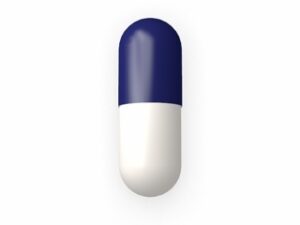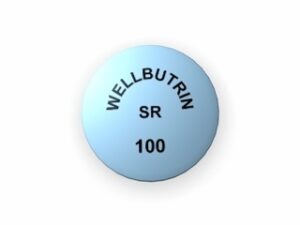
Bupron SR (Bupropion) – Patient-Friendly Guide (UK)
Bupron SR is a brand of bupropion in a slow-release (SR) form. It is used to treat specific mental health conditions and, in some cases, to support smoking cessation. This guide explains what Bupron SR is, how it works, how it is taken, common safety considerations, and practical tips for use in the United Kingdom.
This information is for general education. Individual needs can vary—always follow the instructions provided by your healthcare professional and the product label.
Quick Facts
- Active ingredient: Bupropion
- Brand: Bupron SR
- Formulation: SR (slow-release)
- Common uses (UK): Depression; support to stop smoking (in line with clinical guidance)
- Key caution: Risk of seizures (higher at higher doses and in certain conditions)
- Important interactions: Alcohol and several medicines that affect seizure threshold or mood
What Bupron SR Is
Bupron SR (bupropion) is an antidepressant medicine belonging to the class often described as NDRI (norepinephrine–dopamine reuptake inhibitor). The “SR” formulation is designed to release bupropion more slowly than immediate-release products, which can help with day-to-day dosing convenience and tolerability.
In the UK, bupropion is also used in specific smoking-cessation strategies. Availability and exact brand presentation can vary by supplier and stock.
Mechanism of Action (How It Works)
Bupropion’s effects are believed to come mainly from altering neurotransmitter signalling in the brain:
- Norepinephrine & dopamine reuptake inhibition: Bupron SR increases the availability of these neurotransmitters by reducing their reuptake.
- Minimal serotonergic inhibition: Compared with some other antidepressants, bupropion has a different serotonin profile, which may be relevant to side effects for some people.
- Nicotine receptor pathway effects (for smoking cessation): It can help reduce cravings and withdrawal symptoms for some smokers by influencing brain reward pathways.
Onset of effect: Some benefits may begin within 1–2 weeks, but for full antidepressant effects it often takes several weeks.
Pharmacokinetics (How Your Body Handles It)
Pharmacokinetics describes how the body absorbs, distributes, metabolises, and eliminates a medicine.
Absorption
Bupron SR releases bupropion gradually. Peak blood levels typically occur several hours after taking a dose, helping maintain steadier drug levels over the dosing interval.
Distribution
Bupropion distributes throughout body tissues. It is highly protein-bound to some extent.
Metabolism
Bupropion is mainly metabolised by liver enzymes (notably CYP2B6). It is converted into active metabolites, including hydroxybupropion and other metabolites.
Elimination
Metabolites and parent drug are eliminated primarily through the kidneys. Clearance can be slower in certain situations (for example, liver impairment or in older adults, depending on overall health).
Half-life: Bupropion’s half-life is long enough to support SR dosing, but it varies between individuals and can be affected by liver function and drug interactions.
Typical Use in the UK
1) Depression
Bupron SR may be used as an antidepressant for people experiencing depressive episodes, particularly when a clinician believes its profile may fit the person’s needs.
2) Smoking cessation support
In smoking-cessation programmes, bupropion may be used to help reduce nicotine cravings and withdrawal symptoms, usually as part of a structured stop-smoking plan.
Important: Indications and eligibility can depend on local prescribing practices, your medical history, and other medicines you take.
Indications (What It’s Used For)
Depending on UK clinical practice, Bupron SR may be used for:
- Major depressive disorder (depression)
- Smoking cessation to assist quitting and reduce withdrawal symptoms
Your healthcare professional will consider your symptoms, past response to medicines, risk factors, and suitability—especially regarding seizure risk and interactions.
Dosing: How Bupron SR Is Commonly Taken
Always follow the dosing instructions on your label and from your healthcare professional. The dose may be adjusted based on tolerability and response.
General approach for adults
A common pattern for bupropion SR is to start at a lower dose, then increase after several days if well tolerated. SR tablets are usually taken with time spacing across the day to reduce side-effect risk and support steady levels.
- Single daily or twice daily regimens are used depending on the strength and clinician plan.
- Do not increase dose early—seizure risk increases with higher dosing.
- Do not crush or split SR tablets (SR products are designed to release slowly).
Maximum dose (important safety note)
There are dose limits intended to reduce seizure risk. Do not exceed the prescribed daily maximum. If you are unsure, check your label or ask a pharmacist.
Missed dose
- If you miss a dose, take it when you remember if it’s close to the next scheduled dose.
- If it’s almost time for your next dose, skip the missed dose.
- Do not take double to make up for a missed dose.
Timing: When to Take It
Because Bupron SR is activating for some people, timing can affect sleep.
- Morning-first is often preferred: Many people are advised to take their first dose in the morning.
- Avoid late evening: Taking it too late may contribute to insomnia.
- Keep consistent spacing: If dosed twice daily, separate doses evenly (as instructed).
With or without food: Many patients can take Bupron SR with or without food, but see the “Food interactions” section for key considerations.
Food Interactions
Food is not typically a major determinant of bupropion absorption for most people. In general:
- Take with water and swallow whole.
- Try to take at the same times each day to maintain routine.
- Avoid heavy alcohol intake (food does not “protect” against alcohol-related risks).
Because SR formulations release medication gradually, avoid habits that may damage the extended-release mechanism (such as crushing or chewing).
Alcohol and Medicine Interactions
Alcohol
Alcohol should be used with caution. Combining bupropion with alcohol can increase the likelihood of side effects such as dizziness and impaired judgement and may raise seizure risk, especially in people:
- who drink heavily
- who stop drinking after heavy use (withdrawal)
- who have a history of seizures or risk factors for seizures
Practical advice: If you choose to drink, keep it moderate and discuss your plan with a healthcare professional, particularly if you have any seizure risk factors.
Other medicines that can interact
Bupropion can interact with other medicines through effects on seizure threshold, liver metabolism, and neurotransmitter activity.
Tell your pharmacist or doctor about all medicines you take**, including:
- Other antidepressants and medicines affecting serotonin, dopamine, or norepinephrine
- Antipsychotics
- Tramadol (and some other pain medicines)
- Stimulants or ADHD medicines
- Anti-epileptic medicines (and seizure-related conditions)
- Some antibiotics (depending on the specific agent)
- Medicines that affect liver enzymes (including certain CYP2B6 or related pathway inducers/inhibitors)
- Herbal products such as St John’s wort
Drug–drug interaction risk depends on your exact regimen. A pharmacist can check commonly used interactions.
Safety Profile: What to Watch For
Like all medicines, Bupron SR can cause side effects. Many are mild and improve in the first days to weeks. However, some effects require urgent medical attention.
Common side effects
- Dry mouth
- Headache
- Nausea or stomach upset
- Constipation
- Insomnia or disturbed sleep
- Increased sweating
- Tremor or feeling “on edge”
- Appetite changes (sometimes reduced)
Less common but important risks
- Seizures: Risk increases with high doses and certain conditions (see below).
- Blood pressure changes: Some people experience elevated blood pressure; monitoring may be recommended.
- Neuropsychiatric effects: Agitation, mood changes, or worsening symptoms can occur. Seek urgent help if you feel unsafe.
- Allergic reactions: Rarely, bupropion can cause hypersensitivity.
When to seek urgent help
Contact urgent medical services or seek emergency care if you experience:
- Seizure
- Signs of severe allergic reaction (swelling of face/lips, breathing difficulty, widespread rash)
- Severe agitation, confusion, hallucinations, or rapidly worsening mood
- Chest pain or severe shortness of breath
- Severe headache with neurological symptoms
Who needs extra caution?
Bupron SR may not be suitable for everyone. Extra caution is important if you have:
- A history of seizures or conditions that increase seizure risk
- Head injury or certain neurological disorders
- Alcohol misuse or planned alcohol withdrawal
- Eating disorders (such as bulimia or anorexia nervosa)
- Significant liver impairment
- Use of medicines that can lower seizure threshold
- Existing high blood pressure that is not well controlled
Practical Use Tips (Day-to-Day Guidance)
Start carefully
- Follow the titration schedule (the step-up plan) if one is provided.
- Give the medicine time—early side effects can settle, but new or severe symptoms should be discussed promptly.
Support sleep
- Take doses earlier in the day if insomnia occurs.
- Limit caffeine, especially later in the day.
- Maintain consistent bedtime routines.
Hydration and stomach comfort
- Drink water regularly to help with dry mouth.
- If nausea occurs, consider whether taking with food works better for you (unless your label advises otherwise).
Avoid “SR-damaging” actions
- Swallow SR tablets whole.
- Do not crush, chew, or split, as this may change release and increase side-effect risk.
Track symptoms
- Consider keeping a brief weekly note of mood, sleep, anxiety, cravings (if quitting smoking), and side effects.
- This can help your healthcare team adjust treatment if necessary.
Alternative Options
If Bupron SR is not suitable or doesn’t work well, there are alternative approaches. Options differ depending on whether you’re treating depression or supporting smoking cessation.
For depression
- Other antidepressant classes: such as SSRIs, SNRIs, mirtazapine (depending on your symptoms and risk profile).
- Psychological therapies: for example, CBT or other talking therapies.
- Lifestyle supports: regular sleep, exercise, and structured routines.
For smoking cessation
- Nicotine replacement therapy (NRT): patches, gum, lozenges.
- Varenicline (where appropriate).
- Behavioural support programmes and structured quit plans.
Your pharmacist or GP can help compare options based on your medical history and preferences.
Market & Legal Context in the United Kingdom
In the UK, medicines are regulated by the Medicines and Healthcare products Regulatory Agency (MHRA) and must meet requirements for safety, quality, and effectiveness. Availability, brand presentation, and specific indications can differ by product licence and clinical practice.
When buying medicines online in the UK, legitimate pharmacies must:
- operate within UK legal frameworks for online dispensing
- ensure products are supplied from appropriate distribution channels
- provide clear information on how to take the medicine safely
- respect requirements around patient safety and supply
Always check the pharmacy website for UK legitimacy and confirm that product information matches the medicine you are expecting.
Recent Guidance (General UK Clinical Trends)
UK mental health and smoking cessation guidance typically emphasises:
- Individualised assessment of benefits and risks (including seizure risk for bupropion).
- Monitoring for mood changes, side effects, and blood pressure where relevant.
- Combining medication with behavioural support for smoking cessation whenever possible.
- Clear patient education about not crushing SR tablets and avoiding risky alcohol use.
Local guidance may be updated over time—your clinician can advise what is current for your situation.
Delivery & Availability (Online Pharmacy)
Availability of Bupron SR can vary depending on demand and stock levels. If it is not immediately in stock, some online pharmacies may provide:
- Estimated dispatch times
- Alternatives if the specific strength/pack size is temporarily unavailable
- Delivery options that match your address and service area
Delivery considerations:
- Confirm delivery lead times during checkout.
- Ensure someone can receive the parcel if required.
- Store medicines as directed on the packaging.
Storage
- Store in the original container.
- Keep at the recommended temperature and protect from moisture where instructed.
- Keep away from sight and reach of children.
FAQ: Common Questions About Bupron SR
1) How long does Bupron SR take to work?
Some people notice improvements in mood, motivation, or cravings within 1–2 weeks. Antidepressant effects often take several weeks. If there’s no improvement or symptoms worsen, contact your healthcare professional.
2) Can I drink alcohol while taking Bupron SR?
You should use caution. Alcohol can increase side effects and may increase seizure risk, particularly with heavy drinking or withdrawal. If you plan to drink, discuss with a pharmacist or clinician, especially if you have any risk factors.
3) What if I forget a dose?
Take it when you remember if it’s close to the next dose. If it’s near the next scheduled dose, skip the missed dose. Do not double up.
4) Should I take Bupron SR with food?
Many people can take it with or without food. If stomach upset occurs, taking with a meal may help. Follow the product label and clinician advice.
5) Can I crush or split Bupron SR tablets?
No—because it is an SR (slow-release) product, tablets should typically be swallowed whole. Crushing or chewing can change how the medicine is released.
6) Is Bupron SR used for anxiety?
Bupron SR is an antidepressant and may be used when depression is present. For anxiety disorders, the best option depends on diagnosis, symptoms, and your medical history—ask your clinician about suitability.
7) What side effects are most common?
Common effects include dry mouth, headache, nausea, constipation, insomnia, sweating, tremor, and appetite changes. Most settle as your body adjusts.
8) What symptoms mean I should stop and get urgent help?
Seek urgent help for seizure, severe allergic reaction, severe agitation/confusion, or rapidly worsening mental health symptoms.
9) Are there medicines I should avoid?
Some medicines can interact with bupropion or lower seizure threshold. Provide your pharmacist with a full list of your medicines, including over-the-counter products and herbal supplements.
10) Can Bupron SR help me stop smoking?
It can help some people reduce cravings and withdrawal symptoms as part of a structured quit plan. Your clinician can advise whether it’s appropriate for your situation.
At-a-Glance Summary
| Topic | Key Points for Patients |
|---|---|
| What it is | Bupron SR contains bupropion in slow-release form. |
| What it’s used for | Depression and smoking cessation support (depending on local clinical use and your situation). |
| How it works | Increases norepinephrine and dopamine signalling by inhibiting reuptake. |
| How to take it | Swallow SR tablets whole; follow prescribed dosing schedule; avoid late dosing to reduce insomnia. |
| Food effects | Usually can be taken with or without food; focus on consistent routine. |
| Alcohol | Use caution—alcohol may increase side effects and seizure risk, especially with heavy use or withdrawal. |
| Major safety concern | Seizure risk (higher at higher doses and in certain medical situations). |
| When to get help | Seizure, severe allergic reaction, severe agitation/confusion, or rapidly worsening mental health symptoms. |
Need more help? If you have questions about whether Bupron SR is suitable for you, side effects you’re experiencing, or interactions with your current medicines, speak to a healthcare professional or pharmacist. They can provide advice tailored to your UK medical history and current medication list.