

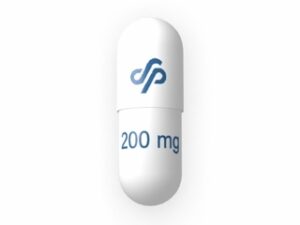
Oseltamivir (Oseltamivir Phosphate) – Patient Information (UK)
Oseltamivir is an antiviral medicine used to treat certain flu viruses. It works by helping to stop the virus from multiplying in your body, which can reduce the duration of illness and help prevent complications—particularly when started early.
This page explains how oseltamivir works, when it’s used, how to take it, key safety information, and practical tips for UK customers.
1) Basic product information
- Active ingredient: Oseltamivir phosphate
- Medicine type: Antiviral (neuraminidase inhibitor)
- Common brands: Your local pharmacy may supply branded or generic oseltamivir capsules or oral suspension depending on age and availability.
- How it’s taken: Usually by mouth (capsules or liquid)
- Typical uses: Treatment of influenza and prevention in certain situations
Note: Formulation strength and dosing schedules may differ between products and patient groups. Always follow the instructions supplied with your medicine and any advice from a qualified healthcare professional.
2) How oseltamivir works (mechanism of action)
Influenza viruses release new viral particles from infected cells using an enzyme called neuraminidase. Oseltamivir is designed to block this enzyme.
- Prevents viral spread: By inhibiting neuraminidase, oseltamivir reduces the ability of influenza viruses to spread through the body.
- Reduces viral replication: This can lower the viral load and help shorten the course of illness.
- Best when started early: Clinical benefit is strongest when taken as soon as possible after flu symptoms begin.
3) Pharmacokinetics (how your body processes it)
Pharmacokinetics describes how the body absorbs, converts, and eliminates a medicine. Oseltamivir is a prodrug, meaning it is converted in the body to its active form.
- Absorption: Oseltamivir is absorbed after oral dosing.
- Activation: It is converted mainly in the liver to oseltamivir carboxylate, the active antiviral.
- Distribution: The active metabolite reaches the bloodstream and helps act against influenza virus.
- Elimination: The drug is cleared primarily by the kidneys (through urine).
- Half-life (approximate):
- Oseltamivir (prodrug): around 1–3 hours
- Oseltamivir carboxylate (active): around 6–10 hours
Because kidney function affects clearance, dose adjustments may be needed for people with reduced kidney function.
4) What it’s used for in the UK (indications)
Oseltamivir is used for influenza (flu) in specific circumstances. It may be used:
- To treat influenza: In people with confirmed or strongly suspected influenza, especially when started early.
- To prevent influenza: In certain exposed individuals or during outbreak situations, particularly for people at higher risk of complications.
Your local NHS guidance during flu seasons may change depending on circulating strains, risk groups, and healthcare capacity. During seasonal outbreaks, clinicians may decide whether antiviral treatment is most appropriate for you based on symptoms, timing, and risk factors.
5) Timing: when to take oseltamivir
Timing is important. Antiviral treatment works best when started as soon as possible after flu symptoms begin.
- For treatment: Start ideally within 48 hours of symptom onset.
- In people at higher risk: Clinicians may still consider treatment beyond 48 hours in selected cases, especially if symptoms are severe or the patient is very vulnerable.
- For prevention: It’s typically started soon after exposure or according to local outbreak guidance.
If you’re unsure when symptoms started or whether the medicine is right for you, seek medical advice promptly.
6) Dosing (typical adult and child regimens)
Dosing depends on whether the medicine is being used for treatment or prevention, as well as age and kidney function.
Below are common dosing schedules used in influenza care. Your prescription label (or the instruction sheet for the product you receive) will specify the correct dose for you.
| Use | Typical schedule (general) | Duration (general) | Notes |
|---|---|---|---|
| Treatment of influenza | Twice daily (morning and evening) | Usually 5 days | Best started within 48 hours of symptom onset. |
| Prevention after exposure | Usually once daily | Often 10 days after exposure | Duration may vary depending on situation (household, outbreak, ongoing exposure). |
| Prevention during community/outbreak situations | Usually once daily | May be up to the outbreak period (as advised) | Local NHS or public health guidance may specify duration. |
Children and infants: Dosing is weight- and age-dependent and may be different for those under 1 year. For younger children, an oral suspension is often used.
Kidney impairment: Reduced kidney function can increase oseltamivir levels. Your clinician may reduce the dose or adjust the frequency for safety.
7) How to take oseltamivir (practical tips)
- Follow the dose schedule: Take at the same times each day to keep levels steady.
- Complete the course: Even if you start to feel better, finish the prescribed duration for treatment or prevention.
- With food: Many people find taking oseltamivir with food helps reduce stomach upset (see food interactions below).
- Swallowing capsules: Capsules should be swallowed whole with water. Do not open or crush unless specifically instructed.
- Measuring liquid (if supplied): Use the measuring device included with the medicine. Avoid kitchen spoons, which may give inaccurate doses.
- If you miss a dose: Take it when you remember unless it’s almost time for the next dose. Do not take a double dose.
8) Food interactions and absorption
Oseltamivir is generally well tolerated, but some people experience nausea or vomiting. Food can improve tolerability.
- With food: Taking oseltamivir with food may reduce gastrointestinal side effects.
- Without food: Some people may find it causes more nausea when taken on an empty stomach.
There are no major food restrictions for most people. However, if you notice vomiting soon after taking a dose, you should speak to a healthcare professional for advice.
9) Alcohol and medicine interactions
Alcohol
There is no specific, well-established direct interaction between oseltamivir and alcohol. However, flu illness itself can involve dehydration, reduced appetite, and general weakness—alcohol can worsen these effects.
- Recommendation: Limit or avoid alcohol while you are ill.
- If you choose to drink: Keep it light and stay hydrated.
Interactions with other medicines
Oseltamivir has relatively few drug-drug interactions because it does not strongly inhibit or induce many liver enzymes. Still, interactions can occur, especially in people with complex medical conditions.
- Kidney-related medicines: Because clearance involves the kidneys, be cautious with medicines that affect kidney function.
- Other antivirals: Combination plans are usually not routine for uncomplicated flu; follow clinician guidance.
- Drug monitoring: If you are taking multiple medicines, including long-term treatments, ask your pharmacist to review possible interactions.
Always tell a healthcare professional or pharmacist about all medicines you take, including over-the-counter products and herbal remedies.
10) Safety profile and side effects
Like all medicines, oseltamivir can cause side effects. Many are mild and improve as the illness resolves. Some effects are more likely early in treatment.
Common side effects
- Nausea
- Vomiting
- Headache
- Dizziness
- General malaise
Less common but important concerns
- Allergic reactions: Seek urgent help if you develop facial swelling, difficulty breathing, widespread rash, or severe itching.
- Severe skin reactions: Stop and seek medical advice urgently if you develop blistering or skin peeling.
- Neuropsychiatric events: Reports exist of unusual behaviour or confusion, particularly in children and adolescents. Although flu itself can also affect the nervous system, seek urgent medical advice if concerning symptoms occur.
- Kidney-related issues: If you have reduced kidney function, follow dose adjustments carefully.
When to seek medical help urgently
- Signs of a severe allergic reaction (swelling of face/lips, breathing difficulty)
- Severe or persistent vomiting leading to dehydration
- Confusion, extreme drowsiness, or unusual agitation (especially in children)
- Worsening breathing, chest pain, or signs of severe illness
This is not a complete list of side effects. For full details, refer to the patient information leaflet provided with your medicine.
11) Alternative options for influenza (UK overview)
The best option depends on your age, risk factors, timing of symptoms, and local guidance. If oseltamivir isn’t suitable, clinicians may consider other antivirals or supportive care.
Possible alternatives
- Other neuraminidase inhibitors (in some circumstances): e.g., zanamivir or peramivir may be considered depending on availability and patient factors.
- Supportive care: fluids, rest, fever management, and monitoring for complications.
- Antibiotics (only if bacterial infection is suspected): influenza itself is viral, so antibiotics do not treat flu unless complications occur.
If you want alternatives, ask your pharmacist about the options available in the UK and which is most appropriate for your situation.
12) Recent UK guidance and public health context
In the UK, antiviral prescribing recommendations are influenced by:
- Timing: treatment is most effective when started early.
- Risk groups: people at higher risk of complications (for example, certain chronic illnesses, pregnancy, older age, and immunocompromised individuals).
- Local epidemiology: whether influenza is circulating, and which strains are predominant.
- Severity: severe illness or hospitalisation may prompt treatment even later.
Guidance may be issued or updated by NHS services and public health bodies during flu seasons. Your clinician/pharmacist will follow the most current recommendations when advising on antiviral use.
13) Market and legal context in the UK
In the UK, medicines must be supplied in line with relevant regulatory requirements. Antiviral medicines like oseltamivir are part of national influenza management strategies and may be supplied through appropriate clinical pathways depending on local practice.
- Quality and regulation: Oseltamivir products in the UK are regulated for quality, safety, and effectiveness.
- Correct use: To ensure safe and effective treatment, dosing depends on patient factors and timing.
- Safety and monitoring: Healthcare professionals may recommend antiviral use for those most likely to benefit.
If you have questions about availability or whether a product is appropriate for your circumstances, contact your pharmacy.
14) Delivery and availability (UK online pharmacy considerations)
Availability can vary across UK regions and during peak flu season. Online pharmacies may offer:
- Capsules in common strengths for adults and children who can swallow capsules
- Oral suspension for children or people who cannot take capsules
- Delivery options depending on stock and dispatch times
When ordering, check:
- Formulation: capsule vs liquid
- Strength: ensure it matches the dosing instructions for your age/weight group
- Stock status: some products may have limited availability during outbreaks
- Packaging: ensure it includes the patient information leaflet
Delivery times vary by service area. If you need medicine urgently to start early, choose the fastest delivery option available at checkout (subject to terms and conditions).
15) Practical use checklist (before and during treatment)
- Start early: begin treatment as soon as possible after symptoms start (ideally within 48 hours).
- Stay hydrated: dehydration increases discomfort and can worsen illness.
- Use food to reduce nausea: taking with food may help.
- Track symptoms: note fever, breathlessness, chest pain, and worsening behaviour—especially in children.
- Infection control: flu spreads through droplets and close contact—follow hygiene and isolation advice from NHS resources.
- Do not stop early: stopping early can reduce the intended benefit.
16) FAQ about oseltamivir
Can oseltamivir cure the flu?
Oseltamivir is not a “cure” in the same way as an antibiotic treating bacteria. However, it can reduce viral replication and may shorten the duration of influenza symptoms, especially when started early.
How quickly will I feel better?
Some people notice improvement within a day or two, but it varies. Finishing the full course is important even if symptoms improve.
Is oseltamivir effective if started after 48 hours?
Evidence is strongest when started within 48 hours. In selected cases—such as severe illness, hospitalisation, or higher-risk patients—clinicians may still consider starting later. Follow professional advice.
Can I take oseltamivir with paracetamol or ibuprofen?
In most situations, oseltamivir can be taken alongside common fever and pain medicines such as paracetamol or ibuprofen, but you should follow the dosing instructions on each product. If you have medical conditions or take regular medicines, ask your pharmacist for individual advice.
What if I miss a dose?
Take the missed dose when you remember unless it’s close to the next scheduled dose. Do not take two doses at once. If you miss more than one dose or are unsure, seek advice from a pharmacist.
Is oseltamivir safe for children?
Oseltamivir can be used in children depending on age, weight, and clinical circumstances. Dosing is weight- and age-specific. Liquid formulations may be used for younger children.
Can pregnant or breastfeeding people use oseltamivir?
Oseltamivir is sometimes used during pregnancy or breastfeeding when the benefits outweigh potential risks, especially if influenza is suspected and the person is at higher risk of complications. Discuss with a healthcare professional promptly.
Will oseltamivir prevent me spreading flu to others?
It may reduce viral shedding in some cases, but it does not replace infection control. Continue to follow NHS guidance on staying away from others while you’re unwell and practising good hygiene.
Does oseltamivir replace a flu vaccination?
No. Oseltamivir is an antiviral medicine for treatment or prevention in specific circumstances. Annual flu vaccination remains the best way to reduce the risk of flu and its complications.
Are there any driving or alertness concerns?
Flu itself can cause fatigue and dizziness. Oseltamivir is not commonly associated with disabling impairment, but individual responses vary. If you feel dizzy or unwell, avoid driving or operating machinery.
Important note
This information is designed to help you understand oseltamivir. It does not replace the advice found in the patient information leaflet or guidance from healthcare professionals. If you have symptoms of flu, especially if you are high-risk, seek timely medical advice to ensure the right approach.