
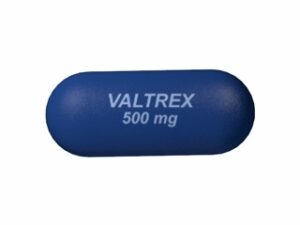
Valacyclovir (Valaciclovir) – Patient-Friendly Guide (UK)
Valacyclovir is an antiviral medicine used to treat and, in some cases, prevent certain viral infections—especially herpes viruses. It works by stopping viruses from multiplying in the body, giving your immune system a better chance to control the infection. This guide explains how valacyclovir works, when it’s typically used, how to take it, what to watch for, and practical tips for safe use in the United Kingdom.
Important: Always follow the instructions on your medicine label and the advice of a healthcare professional. If you have questions, speak to a pharmacist or clinician.
Basic product information
| Item | Details |
|---|---|
| Generic name | Valacyclovir (also written as valaciclovir) |
| What it belongs to | Antiviral (nucleoside analogue prodrug) |
| Common conditions treated | Herpes simplex infections (cold sores, genital herpes) and herpes zoster (shingles) |
| Medicines form | Tablets/caplets in various strengths (availability can vary) |
| How it works in the body | Converted to aciclovir (active antiviral) |
| Typical storage | Follow pack instructions; keep out of sight and reach of children |
How valacyclovir works (mechanism of action)
Valacyclovir is a prodrug. After you take it, your body converts it mainly to aciclovir, an active antiviral.
Aciclovir is taken up by cells infected with herpes viruses. Inside those cells, it is converted into an active form that targets viral DNA production. In simple terms:
- The medicine interferes with the virus’s ability to copy its genetic material.
- This slows or stops viral replication, allowing symptoms to improve and lesions to heal.
- When started early, it can reduce the severity and duration of outbreaks.
Pharmacokinetics: what the body does to the medicine
Pharmacokinetics describes absorption, metabolism, and elimination. Key points for valacyclovir include:
- Absorption: Valacyclovir is absorbed from the gut and converted to aciclovir after administration.
- Activation: Conversion occurs primarily in the liver and possibly other tissues.
- Distribution: Aciclovir reaches tissues where herpes viruses cause disease (including skin and mucosa).
- Elimination: Mainly by the kidneys through urine.
- Kidney function matters: In people with impaired kidney function, the medicine may build up; dose adjustments are often needed.
Because elimination is largely renal, staying well-hydrated is commonly recommended, particularly if you’re older or have any kidney-related issues.
Typical uses in the UK
Valacyclovir is commonly used for herpes virus infections such as:
1) Herpes simplex infections
- Cold sores (herpes labialis) – painful blisters/ulcers around the lips.
- Genital herpes (herpes genitalis) – outbreaks affecting the genital area.
2) Shingles (herpes zoster)
Shingles causes a painful rash, typically on one side of the body. Antiviral treatment is most beneficial when started promptly.
3) Prevention (suppression) in certain circumstances
Some people are prescribed valacyclovir to help reduce the frequency of recurrent genital herpes outbreaks. Prevention regimens may be continuous or time-limited depending on individual circumstances.
Timing: when to start and when to take
Start as early as possible
For many herpes infections, antiviral medicines work best when started early—ideally when symptoms first appear. In shingles, earlier treatment is particularly important.
- Cold sores: starting at the earliest sign (tingling, itching, or burning) may help shorten an outbreak.
- Genital herpes: starting soon after onset can help symptom control.
- Shingles: prompt initiation is recommended to help reduce complications where possible.
Take at the recommended intervals
Your exact dosing schedule depends on the condition being treated and your kidney function. Many regimens involve one to two or more doses per day, spaced evenly.
Tip: If you have multiple doses, choose times that are easy to remember (e.g., breakfast and evening), and try to keep consistent intervals.
Dosing: general guidance (varies by condition and patient)
Doses differ for cold sores, genital herpes, shingles, and prevention regimens. They can also vary with kidney function, age, and the severity of illness.
Common dosing patterns (illustrative)
The following are typical examples used in practice; always follow your individual instructions.
| Condition | Typical dosing approach | Notes |
|---|---|---|
| Cold sores (herpes labialis) | Often taken for a short course | Best started at first signs of outbreak |
| Genital herpes (episodic treatment) | Often taken for several days during an outbreak | Prompt treatment can improve symptoms |
| Genital herpes (suppression) | Daily regimen to reduce recurrence | Duration depends on response and clinician guidance |
| Shingles (herpes zoster) | Course usually started quickly after rash onset | Early start is important |
Kidney impairment: Because valacyclovir is cleared by the kidneys, dosing may need adjustment to reduce the risk of side effects.
- If you have known kidney problems, tell your pharmacist/clinician.
- Do not change doses without advice.
Food interactions
Valacyclovir can usually be taken with or without food. Food does not typically prevent the medicine from working.
- Taking it with food may help if you experience stomach discomfort.
- Consistency can help you remember doses and improve tolerability.
Always check your specific product leaflet for any further instructions related to your formulation.
Alcohol and medicine interactions
Alcohol
There is no specific “absolute” interaction that is universally highlighted for valacyclovir with alcohol, but it can affect your overall health and hydration.
- Alcohol may worsen dehydration; valacyclovir is cleared by the kidneys, so adequate fluid intake is important.
- Some people may experience side effects such as headache, nausea, or dizziness—alcohol can add to this.
If you choose to drink alcohol, consider keeping it moderate and ensure you remain well hydrated.
Other medicines
Valacyclovir can interact with medicines that affect the kidneys or kidney blood flow. In particular, check for interactions if you take:
- Medicines that affect kidney function or fluid balance (e.g., certain diuretics).
- Other antiviral medicines.
- Nephrotoxic medicines (medicines that may stress the kidneys).
- Medicines that compete for kidney secretion pathways (your pharmacist can advise).
If you’re not sure, ask a pharmacist to review your medicines (including over-the-counter products and supplements).
Indications: who it is used for
Valacyclovir is indicated for herpes virus infections, typically including:
- Herpes simplex infections (cold sores and genital herpes)
- Herpes zoster (shingles)
- Prevention of recurrences in selected cases (particularly recurrent genital herpes)
The best choice of antiviral and treatment duration depends on the specific infection, how soon treatment starts, severity, and your general health.
Safety profile: side effects and when to seek help
Most people tolerate valacyclovir well. However, like all medicines, it can cause side effects.
Common side effects
- Headache
- Nausea
- Stomach discomfort
- Dizziness
- Feeling generally unwell
Less common but important risks
- Kidney-related effects: particularly in people with dehydration, existing kidney impairment, or higher-than-recommended doses.
- Neurological symptoms: in rare cases—especially with kidney impairment—such as confusion, agitation, or hallucinations.
- Allergic reactions: rash, swelling (e.g., face/lips), or breathing difficulties.
Seek urgent medical help if
- You develop signs of a serious allergic reaction (swelling of face/lips, trouble breathing).
- You experience severe or persistent confusion, unusual drowsiness, or severe dizziness.
- You notice significantly reduced urine output or signs of dehydration (very dry mouth, faintness).
- The rash in shingles worsens rapidly or you develop severe worsening pain or fever.
If you think you have a side effect, contact a pharmacist, GP, or NHS 111 (in the UK) for advice. In emergencies, call 999.
Practical use tips
1) Stay well hydrated
Since valacyclovir is eliminated by the kidneys, adequate fluid intake can support safe clearance. Unless your healthcare team has restricted your fluids, aim to drink regularly through the day.
2) Finish the course as instructed
Even if you feel better, completing your regimen (or taking it for the intended duration) helps ensure the infection is properly controlled.
3) Manage outbreaks alongside treatment
- For cold sores: consider gentle skin care, avoid picking, and keep the area clean.
- For genital herpes: avoid sexual contact during outbreaks and consider barrier protection when appropriate (the virus can still be transmitted outside outbreaks in some cases).
- For shingles: keep the rash covered if it can be exposed to others who are not immune (especially pregnant people and immunocompromised individuals).
4) Avoid spreading the infection
Antiviral treatment reduces viral activity, but it does not guarantee zero transmission. Practical steps include:
- Wash hands after touching affected areas.
- Avoid kissing during cold sore outbreaks.
- Avoid sharing towels or razors.
- During shingles, cover the rash to reduce risk of transmission of the virus causing chickenpox in susceptible people.
5) What if you miss a dose?
If you miss a dose, take it when you remember unless it is close to the time for your next dose. Do not double up. If you are unsure, ask your pharmacist for guidance.
Alternative options
Depending on the type of herpes infection and your individual circumstances, healthcare professionals may consider other options. Alternatives can include:
- Aciclovir – another antiviral used for herpes infections (often available in oral and topical forms).
- Famciclovir – another oral antiviral used for shingles and herpes infections in certain settings.
- Supportive care – for pain relief and comfort (for example, analgesics for shingles pain).
- Topical therapies (for some cold sores) – may help with symptoms, though oral treatment is often preferred for certain situations.
The “best” alternative depends on infection type, severity, how quickly treatment begins, age, kidney function, and any other medicines you take.
UK market and legal context (overview)
In the UK, valacyclovir products are available through regulated pharmacy channels. Availability may depend on:
- Whether a medicine is classified as prescription-only or available via pharmacy services for appropriate indications
- Your eligibility based on clinical criteria and medicines history
- Local pharmacy arrangements and stock
Medicine supply in the UK is governed by established pharmacy and medicines regulations. Online pharmacies should only sell medicines in line with UK legal requirements and safe supply processes.
If you are unsure about suitability, speak to a pharmacist before starting treatment.
Recent guidance and clinical considerations (UK context)
Clinical practice in the UK commonly emphasises:
- Early initiation of antiviral treatment for shingles to support symptom control and reduce complications where possible.
- Individualised treatment for recurrent genital herpes, where suppression therapy may be considered based on outbreak frequency and patient preferences.
- Renal assessment—ensuring doses are appropriate for kidney function, especially in older adults or those with known impairment.
Guidance can evolve, so always follow the latest advice from NHS services and professional bodies. Your pharmacist can help you interpret instructions for your specific situation.
Delivery and availability in the United Kingdom
Online pharmacies in the UK may offer home delivery options, subject to product availability and service coverage. Delivery times vary by location, courier, and whether stock is held locally.
- Stock availability: In-demand items may have limited availability at certain times.
- Delivery estimates: Usually shown at checkout or in your order confirmation email.
- Packaging: Medicines are typically supplied in tamper-evident packaging with patient information materials.
- Age/eligibility checks: Some services include screening to ensure safe supply.
If you need your medicine urgently, check delivery options early and contact customer support for fastest available dispatch.
FAQ: Valacyclovir (Valaciclovir)
1) Is valacyclovir the same as aciclovir?
Valacyclovir is a prodrug that your body converts mainly into aciclovir, the active antiviral. This can allow more convenient dosing for many patients.
2) How quickly will valacyclovir work?
Many people notice improvement within a few days, especially when treatment starts early. For shingles, earlier treatment generally provides better outcomes. However, healing time and symptom duration can vary.
3) Can I take valacyclovir with food?
Yes. It can usually be taken with or without food. If it upsets your stomach, taking it with food may help.
4) Can I drink alcohol while taking it?
Moderate alcohol may not be strictly contraindicated for everyone, but alcohol can worsen dehydration and may increase side effects such as dizziness or nausea. Try to stay well hydrated and keep alcohol intake moderate.
5) What if I have kidney problems?
Tell your pharmacist or clinician. Because valacyclovir is cleared through the kidneys, your dose may need adjustment. Kidney impairment increases the risk of side effects.
6) What side effects are most common?
Common side effects include headache, nausea, and sometimes dizziness or stomach discomfort. If you develop severe symptoms, seek medical advice.
7) Can valacyclovir prevent outbreaks?
Yes, in some people with recurrent genital herpes, a daily suppression regimen may be used to reduce outbreak frequency. This is based on individual assessment.
8) Does valacyclovir stop me spreading herpes?
It may reduce viral shedding and shorten outbreaks, but it doesn’t guarantee zero transmission. Follow safe-contact guidance—especially during active symptoms.
9) Is it safe to take during pregnancy or breastfeeding?
Many antiviral decisions in pregnancy and breastfeeding are made using benefit–risk assessment. Discuss your situation with a healthcare professional to ensure the safest option.
10) When should I seek urgent help?
Seek urgent medical attention if you experience signs of an allergic reaction (swelling or breathing difficulty), severe confusion, or severe dehydration symptoms.
Summary
Valacyclovir is an antiviral medicine used for herpes infections such as cold sores, genital herpes, and shingles. It is converted into aciclovir in the body and helps reduce viral replication, particularly when started early. Because it is eliminated by the kidneys, hydration and dose appropriateness—especially in people with reduced kidney function—are important.
If you’re unsure whether valacyclovir is suitable for your condition or you have other medicines or health conditions, speak to a pharmacist for tailored advice.