

Valtrex (Valacyclovir) – Patient Guide (UK)
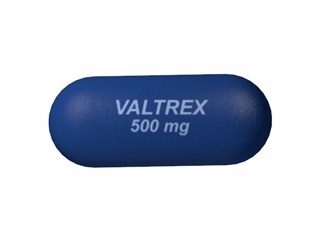
Valtrex contains the active ingredient valacyclovir. It is an antiviral medicine used to treat and, in some cases, help prevent certain viral infections—especially infections caused by the herpes family of viruses. This guide is written to help you understand how it works, how it is usually taken, and what to consider for safe and effective use in the United Kingdom.
Always follow the instructions given by your healthcare professional or the directions on the medicine label.
1) Basic product information
- Brand name: Valtrex
- Generic name: Valacyclovir
- Type of medicine: Antiviral (prodrug of acyclovir)
- Where it is used: UK (available via pharmacies; supply may vary)
- Common formulations: Tablets (strengths may vary by product/manufacturer)
What it treats: Herpes zoster (shingles), herpes simplex (including genital herpes and cold sores), and sometimes recurrent episodes, depending on clinical need.
2) How valacyclovir works (mechanism of action)
Valacyclovir is a prodrug—meaning it is converted in the body into an active antiviral substance.
- After you swallow valacyclovir, your body converts it into acyclovir.
- Acyclovir targets viral DNA production. It works by interfering with an enzyme involved in viral replication.
- This helps reduce the number of active viruses in the body, which can shorten the duration of symptoms and lower the risk of complications.
Important: Antivirals like Valtrex don’t “cure” herpes viruses permanently. Instead, they help control outbreaks and, when used for prevention, can reduce the frequency of recurrences.
3) Pharmacokinetics (how the medicine moves through the body)
Understanding pharmacokinetics can help explain timing and why dosing schedules are important.
- Absorption: Valacyclovir is well absorbed from the gut.
- Conversion: It is converted to acyclovir in the liver and intestinal tissues.
- Distribution: The active drug reaches tissues where herpes viruses may be active.
- Elimination: Acyclovir is mainly removed by the kidneys through urine.
Kidney function matters: Because elimination relies heavily on the kidneys, dosing may need adjustment for people with kidney impairment. Staying well hydrated can help, unless your clinician has advised fluid restriction.
4) Typical use in the UK (what Valtrex is commonly prescribed for)
In UK clinical practice, valacyclovir is used for conditions caused by herpes viruses, including:
- Shingles (herpes zoster): Often taken soon after the rash appears.
- Cold sores (herpes simplex): For treatment of outbreaks and sometimes for prevention in people with frequent recurrences.
- Genital herpes (herpes simplex): Treatment of an outbreak and prevention of recurrent episodes.
Which condition you’re taking it for will determine the exact dose and schedule.
5) Timing: when to start and how soon it should work
Early treatment often helps most. Antiviral medicines work best when started at the right time:
- Shingles: Starting within 72 hours of the rash appearing is usually recommended to get the greatest benefit. In some circumstances, clinicians may still advise starting later.
- Herpes simplex outbreaks: Starting as early as possible (ideally at the first signs or symptoms such as tingling, itching, or early lesions) can improve outcomes.
Consistency: Take doses at the intervals stated in your treatment plan. Missing doses can reduce effectiveness.
6) Food interactions and absorption with meals
Valacyclovir can generally be taken with or without food. For many people, taking it with meals can reduce the chance of stomach upset. If you find the tablets cause nausea, consider taking them after food.
- With food: May improve comfort for some people.
- Without food: Often still acceptable, but you may feel more stomach irritation.
Hydration: Drink water regularly throughout the day, especially during treatment.
7) Alcohol and medicine interactions
There are no universally known “dangerous” alcohol interactions with valacyclovir for most people. However, alcohol can:
- Worsen dehydration (important because valacyclovir is cleared through the kidneys)
- Increase general illness burden—such as fatigue or stomach discomfort
- Make it harder to keep up with hydration and dosing
Practical advice: If you drink alcohol, keep it moderate and ensure you drink plenty of water. If you have kidney problems or experience side effects, avoid alcohol and speak to a clinician.
8) Medication interactions to be aware of
Certain medicines can affect kidney function or compete for kidney clearance, which may increase the risk of side effects.
Tell your pharmacist/doctor if you take any of the following:
- Other medicines that affect the kidneys (including some anti-inflammatory medicines)
- Medicines that may reduce kidney blood flow (for example, certain blood pressure medicines in specific circumstances)
- Nephrotoxic drugs (medicines known to be harmful to kidneys)
- Cimetidine (can affect kidney clearance in some cases)
- Probenecid (can affect drug clearance)
Because individual health profiles vary, it’s safest to review your current medicines (including over-the-counter products) with your pharmacist.
9) Indications (what it is used for)
Valacyclovir is indicated for infections caused by herpes viruses, including:
- Herpes zoster (shingles)
- Herpes simplex
- Cold sores (orolabial herpes)
- Genital herpes
- Recurrent episodes (prevention may be considered for people with frequent recurrences, based on clinical history)
Not all uses are appropriate for every person. Your prescriber will select the most suitable regimen.
10) Dosing: common regimens (adult guidance)
Below are general dosing patterns commonly used for valacyclovir. Your exact dose and duration will depend on your diagnosis, severity, kidney function, and treatment goals (treatment vs prevention).
Kidney impairment: Doses may be reduced and intervals adjusted. If you have kidney disease, seek specific advice.
| Condition (typical adult use) | Common regimen pattern | Key timing notes |
|---|---|---|
| Shingles (herpes zoster) | Often taken three times daily for about 7 days | Start as soon as possible; ideally within 72 hours of rash onset |
| Cold sores (orolabial herpes) – treatment | Often taken for a short course (dose varies by regimen) | Best if started at early symptoms (tingling/burning) or soon after lesion onset |
| Genital herpes – treatment | Often taken once or twice daily for a short course (dose varies by regimen) | Start early during an outbreak |
| Recurrent genital herpes – suppression | Often taken once daily (dose varies) | Taken daily to reduce recurrences; effectiveness depends on adherence |
| Recurrent cold sores – prevention (selected patients) | Often taken as a daily regimen (dose varies) | Used long-term in selected people with frequent recurrences |
How to take:
- Swallow tablets with water.
- Space doses evenly across the day if multiple times daily.
- If you miss a dose, take it when you remember unless it’s close to the next dose—do not double.
Special populations:
- Older adults: May require kidney-related dose considerations.
- Pregnancy and breastfeeding: Many people can use valacyclovir if needed, but the decision should be made with a clinician considering risks and benefits.
- Children: Dosing varies by age and indication—always use the correct product and plan provided by a clinician.
11) Safety profile: common and serious side effects
Most people tolerate valacyclovir well. As with all medicines, side effects can occur.
Common side effects
- Headache
- Nausea
- Stomach discomfort or abdominal pain
- Dizziness
Less common but important
- Skin reactions (rash or itching)
- Fatigue
Seek urgent medical help if
- Signs of an allergic reaction: swelling of face/lips, difficulty breathing, severe rash
- Severe symptoms suggesting kidney problems (e.g., very reduced urination, severe confusion, unusual drowsiness)
- Neurological symptoms such as agitation, confusion, hallucinations, or tremor (more likely with dehydration or kidney impairment)
Kidney health and hydration are key—especially if you’re older, have kidney impairment, or are taking other medicines that can affect the kidneys.
12) Practical use tips for the best results
- Start early: Don’t wait for symptoms to worsen, especially for shingles and herpes simplex outbreaks.
- Keep hydrated: Drink water regularly unless you’ve been told to restrict fluids.
- Use the full course: Even if you feel better, finish the prescribed duration unless you’re advised to stop.
- Adherence matters: For prevention, daily dosing works best when taken consistently.
- Reduce transmission risk: Antivirals can reduce viral shedding but don’t eliminate risk. Follow advice about sexual contact and barrier methods when relevant.
- For shingles: Protect the rash from others, keep it clean/dry, and avoid touching eyes.
- For cold sores: Avoid kissing or oral sex when lesions are present and consider avoiding sharing utensils.
13) Alternative options (depending on your condition)
Depending on what you’re treating, clinicians may consider other antiviral or supportive treatments. Options may include:
- Acyclovir: an antiviral sometimes used in similar herpes indications (often requires more frequent dosing).
- Famciclovir: another antiviral prodrug used for herpes viruses.
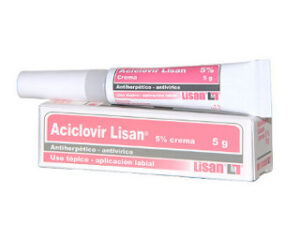
- Topical treatments (for selected cold sore situations): may help symptoms but are usually less effective than systemic antivirals for many patients.
- Supportive care for shingles or outbreaks: pain relief and skin care are often important alongside antivirals.
Choice of medicine depends on your medical history, kidney function, timing, severity, and how frequently outbreaks occur.
14) UK market and legal context (what to expect)
In the UK, how antiviral medicines are accessed can vary depending on indication and local pathways. Availability may differ between:
- Community pharmacies
- Hospital services
- Primary care (GP/111 pathways)
Regulation: Medicines in the UK are governed by the Medicines and Healthcare products Regulatory Agency (MHRA). Marketing, supply, packaging, and labelling must comply with UK requirements.
Local guidance: Antiviral treatment timing and dosing recommendations are influenced by UK clinical guidance and prescribing practice. These may update as new evidence becomes available.
15) Recent guidance considerations (general awareness)
While specific guidance can change over time, important common themes in UK clinical recommendations include:
- Prompt initiation for shingles (generally within 72 hours of rash onset where possible).
- Use of antivirals for moderate to severe cases and for patients at higher risk of complications.
- Reassessment in recurrent disease to decide whether episodic treatment or suppression is most suitable.
- Kidney function checks (especially for people at higher risk of renal impairment).
If you are unsure whether your symptoms require urgent review, seek advice from NHS services.
16) Delivery and availability (online pharmacy UK)
Availability can vary by supplier, tablet strength, and stock levels. Typical steps include:
- Order processing: Orders are generally prepared quickly if stock is available.
- Packaging: Medicines are supplied in appropriate packaging with clear labelling.
- Delivery times: Delivery speed depends on service level and location within the UK.
- Storage on arrival: Store tablets as directed on the pack—usually at room temperature away from excess heat and moisture.
Tip: Keep the original pack so you can check the dose instructions and batch information.
17) FAQ (Frequently asked questions)
1. What is Valtrex used for?
Valtrex (valacyclovir) is used to treat infections caused by herpes viruses, most commonly shingles and herpes simplex (cold sores and genital herpes). It may also be used to help prevent recurrent outbreaks in suitable people.
2. How soon should I start Valtrex?
For shingles, start within 72 hours of the rash appearing if possible. For cold sores or genital herpes, start at the first signs of an outbreak (such as tingling or burning) or soon after lesions appear.
3. Can I take Valtrex with food?
Yes. Valtrex can usually be taken with or without food. Taking it after food may help reduce nausea for some people.
4. Does alcohol affect Valtrex?
Moderate alcohol isn’t typically prohibited for everyone, but alcohol can contribute to dehydration and may worsen side effects. If you have kidney problems or feel unwell, it’s best to avoid alcohol and maintain good hydration.
5. What should I do if I miss a dose?
Take it when you remember unless it is close to the next dose. Do not take a double dose to make up for a missed tablet.
6. Is Valtrex safe for people with kidney disease?
Valacyclovir is cleared by the kidneys, so dose adjustments may be necessary. People with kidney impairment should seek specific dosing advice from a healthcare professional.
7. Will Valtrex cure herpes viruses?
No. It helps control outbreaks by reducing viral replication, but herpes viruses remain in the body. Suppression therapy may reduce recurrence frequency.
8. Can Valtrex be used during pregnancy or breastfeeding?
It may be used when clinically needed. The best approach is to discuss risks and benefits with a clinician, particularly if you’re pregnant, trying to conceive, or breastfeeding.
9. What side effects are common?
Common side effects include headache, nausea, stomach discomfort, and dizziness. Seek urgent help for allergic reactions or severe symptoms, especially those suggesting kidney or neurological issues.
10. Are there alternatives to Valtrex?
Depending on your condition, alternatives can include acyclovir, famciclovir, and supportive treatments. The best option depends on timing, severity, and your health profile.
18) When to seek medical advice urgently
Contact urgent NHS advice or seek prompt medical attention if you have:
- Signs of a severe allergic reaction (swelling, breathing difficulty, severe rash)
- Unusually severe or persistent symptoms
- Concerns about dehydration, reduced urination, or severe confusion
- Eye involvement with shingles or cold sores (pain, redness, vision changes)
Summary: Valtrex (valacyclovir) is an antiviral used for herpes-related infections such as shingles and herpes simplex. It works by blocking viral replication after conversion to acyclovir. Effectiveness is greatest when started early, and safety depends on correct dosing—particularly in people with kidney impairment. If you have questions about interactions, suitable dosing, or side effects, speak to a pharmacist or healthcare professional.