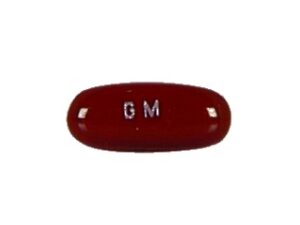
Monoket (Isosorbide mononitrate) – Patient Information (UK)
Monoket contains isosorbide mononitrate, a medicine used to help prevent and relieve symptoms related to reduced blood flow to the heart (angina). It works by widening (dilating) blood vessels, improving blood supply and reducing the heart’s workload.
This guide is written in a patient-friendly way and explains how Monoket works, how it’s usually taken, important safety information, and practical tips for everyday use in the United Kingdom.
Quick overview
| Topic | Summary |
|---|---|
| Active ingredient | Isosorbide mononitrate |
| Common uses | Prevention of angina; sometimes used as part of a longer-term plan for certain cardiac conditions |
| How it works | Releases nitric oxide in the body → relaxes blood vessels → lowers cardiac workload |
| Typical forms | Often supplied as modified-release tablets depending on brand/strength |
| Key safety point | Do not use with medicines containing phosphodiesterase-5 (PDE5) inhibitors (e.g., sildenafil, tadalafil, vardenafil) |
Basic product information
Monoket is a brand of isosorbide mononitrate. It is a nitrate medicine, part of a group of medications used for angina and related symptoms.
Monoket may be available in different strengths and tablet types (including modified-release formulations). The exact strength and dosing schedule can vary by product.
- Brand name: Monoket
- Generic name: Isosorbide mononitrate
- Medicinal group: Nitrate vasodilator
Always check the specific leaflet/pack for your exact strength and instructions for the formulation you have.
How Monoket works (mechanism of action)
Isosorbide mononitrate helps the body produce nitric oxide, which relaxes the smooth muscle in blood vessel walls.
This leads to:
- Venodilation (widening of veins), which can reduce the amount of blood returning to the heart.
- Arterial dilation, which can reduce blood pressure and improve blood flow.
- Lower cardiac workload and improved oxygen delivery to the heart muscle.
For many people, this results in fewer angina episodes and relief of symptoms triggered by exertion or stress.
Pharmacokinetics (how the body processes it)
Pharmacokinetics describes absorption, distribution, metabolism, and elimination. While exact values can vary, the following gives a patient-level understanding of what to expect:
Absorption
After taking Monoket, isosorbide mononitrate is absorbed from the gastrointestinal tract. Modified-release formulations are designed to release medicine gradually over time, helping maintain a steadier effect.
Distribution
It circulates in the bloodstream and is distributed to tissues where it can act on blood vessels.
Metabolism
Isosorbide mononitrate is metabolised in the liver. It can be converted to other nitrate-related substances that may contribute to effects.
Elimination
Metabolites are removed from the body mainly via the kidneys. The medicine is not “stored” for long periods in the way some other drugs are; dosing schedules aim to provide consistent symptom control.
Important: Your clinician may tailor dosing to your specific angina pattern and risk of side effects such as low blood pressure.
Typical use and indications
Monoket is used to:
- Prevent angina attacks (chest pain) by reducing the heart’s oxygen demand and improving blood flow.
- Support management of certain chronic coronary artery disease symptoms, depending on individual circumstances.
Note: Some nitrate medicines act differently and may be used for different purposes (for example, fast-acting relief vs longer-term prevention). Monoket is generally intended for prevention rather than immediate “rescue” during an unexpected attack—your healthcare team will advise on the right approach for you.
When to take Monoket (timing and consistency)
Because angina prevention often depends on maintaining appropriate nitrate levels, it is important to take Monoket regularly at the times advised.
- Modified-release tablets: follow the schedule exactly. Do not split or crush unless the leaflet for your specific product says it can be done.
- Try to take doses at the same times each day to maintain steady symptom control.
- Do not abruptly stop unless advised. Stopping suddenly may lead to worsening symptoms in some people.
Timing tips:
- If your regimen is once daily, choose a consistent time that fits your daily routine.
- If twice daily, aim for roughly even spacing (unless your clinician has specified otherwise).
- If you miss a dose, follow the instructions in the patient leaflet. In general, do not take a double dose to make up for a missed tablet.
Dosing (general guidance)
Monoket dosing is individualised based on your angina severity, blood pressure, and tolerance. The exact dose and frequency depend on:
- Your age and overall health
- Whether you are sensitive to nitrates (e.g., more prone to headaches or dizziness)
- Your current heart medications
- Your formulation strength (and whether it is modified-release)
General approach commonly used with nitrates:
- Starting with a lower dose and adjusting as needed to achieve benefit while minimising side effects.
- Providing a nitrate-free interval may be considered by some prescribers to reduce tolerance (the body becoming less responsive). This depends on your product and clinical plan.
Always use the dose stated on your product label or the instructions provided with your medicine. If you’re unsure about your specific dosing schedule, check the patient information leaflet or speak to a pharmacist.
Food interactions
Monoket is generally not strongly affected by food. However, to support consistent absorption and reduce stomach discomfort:
- You can typically take it with or without food, unless your leaflet says otherwise.
- If you find it upsets your stomach, taking it with food may help.
Be consistent from day to day. If your dosing schedule changes (for example due to travel), maintaining a similar routine can help keep symptom control steady.
Alcohol interactions
Alcohol can increase the chance of side effects such as:
- Low blood pressure (dizziness, light-headedness, fainting)
- Headaches
Because Monoket already lowers blood pressure by dilating blood vessels, drinking alcohol may amplify these effects in some people.
Practical advice:
- Avoid heavy drinking.
- If you choose to drink, do so in moderation and pay attention to dizziness or feeling faint.
- Do not drive or operate machinery if you feel unwell.
Medicine interactions (especially important ones)
Absolute/major interaction: PDE5 inhibitors
One of the most critical interactions for nitrate medicines is with phosphodiesterase-5 (PDE5) inhibitors used for erectile dysfunction and sometimes for pulmonary arterial hypertension.
- Sildenafil (e.g., Viagra)
- Tadalafil (e.g., Cialis)
- Vardenafil (e.g., Levitra)
Combining nitrates with PDE5 inhibitors can cause a dangerous drop in blood pressure and can be life-threatening.
Action: Do not take Monoket together with PDE5 inhibitors. If you have been prescribed a PDE5 inhibitor, speak to a healthcare professional about safe timing and alternatives.
Other blood pressure-lowering medicines
Monoket may increase the blood pressure-lowering effect of other medications, including:
- Antihypertensives (blood pressure medicines)
- Other vasodilators
- Medicines that affect heart rate or reduce workload
This can raise the likelihood of dizziness, fainting, or light-headedness—particularly when standing up quickly.
Riociguat
Riociguat (used in certain lung conditions) can also interact with nitrates and may cause significant hypotension. Use should be discussed with a clinician.
Other medicines
Inform a pharmacist of all medicines you take, including:
- Over-the-counter medicines
- Herbal supplements
- Any “for the heart” medications or blood pressure tablets
Even if an interaction is not common, individual medical histories can change the risk profile.
Safety profile and side effects
Common side effects
Nitrates commonly cause effects related to blood vessel relaxation. The following are often reported:
- Headache (sometimes severe, especially early in treatment)
- Dizziness or light-headedness
- Flushing (warmth or redness)
- Low blood pressure (hypotension)
- Feeling sick (nausea)
Less common but important reactions
- Fainting or feeling like you might pass out
- Very fast heartbeat or irregular symptoms
- Allergic-type reactions (rare; seek urgent advice if you develop swelling, rash, or breathing difficulties)
Managing side effects
- Headache: may improve as your body adjusts. If it’s persistent or severe, consult a pharmacist or clinician for advice.
- Dizziness: stand up slowly. If symptoms are frequent, your dose may need review.
- Low blood pressure symptoms: seek advice promptly, especially if you feel faint.
When to seek urgent help
Get urgent medical attention if you experience:
- Severe dizziness or fainting
- Chest pain that is new, worsening, or not responding as expected to your usual plan
- Signs of severe allergic reaction (swelling of face/lips, trouble breathing)
- Symptoms of dangerous low blood pressure (collapse, confusion, extreme weakness)
Practical use tips (day-to-day guidance)
1) Avoid “dose day” errors
- Use a daily reminder or pill organiser if helpful.
- Take the tablet exactly as the leaflet/label instructs (especially for modified-release products).
2) Stand up carefully
Because nitrates can lower blood pressure, dizziness may happen when you stand up. Sit or lie down, then rise slowly.
3) Keep an eye on angina patterns
Track when symptoms occur (e.g., after exercise, after meals, in cold weather). If attacks increase, it may indicate that your regimen needs review.
4) Do not “save tablets” for later without advice
Some people may be tempted to adjust timing. It’s safer to follow the plan and ask a pharmacist if you’re struggling with side effects or missed doses.
5) Tolerance and nitrate-free intervals
Over time, the body may become less responsive to nitrates if taken continuously. This is why some regimens incorporate a nitrate-free interval. Do not change your schedule on your own—your clinician will decide what suits you.
Alternative options (what else may be used)
Angina is managed with different classes of medicines depending on severity, triggers, and heart function. Depending on your situation, alternatives or additions may include:
- Other nitrate medicines (different dosing schedules or formulations)
- Beta-blockers (e.g., metoprolol, bisoprolol)
- Calcium channel blockers (e.g., amlodipine)
- Antiplatelet therapy and statins for underlying coronary artery disease (when appropriate)
- Lifestyle measures (smoking cessation, exercise plan, diet, blood pressure and cholesterol control)
If you cannot tolerate Monoket due to headaches or low blood pressure, ask a pharmacist about possible alternatives and whether your formulation or dosing schedule could be adjusted.
UK market and legal/regulatory context (patient-friendly)
In the United Kingdom, medicines containing isosorbide mononitrate are regulated under medicines legislation and are supplied in line with UK pharmacy and medicines supply processes. Safety and patient information requirements apply to all medicines marketed in the UK.
For online pharmacy customers, availability depends on:
- Stock status and specific product strengths
- Formulation type (including modified-release vs other types)
- Prescriber or patient suitability checks carried out during ordering (where applicable)
Always ensure you receive the correct strength and tablet type for your needs. If you are unsure, contact the pharmacy before using the medicine.
Recent guidance and monitoring (what to expect)
Guidance for angina management in the UK typically emphasises:
- Appropriate use of anti-anginal medicines to reduce symptom frequency
- Assessing cardiovascular risk and optimising treatments for underlying coronary artery disease
- Careful monitoring of blood pressure and side effects, especially with vasodilators like nitrates
- Recognising and acting on “red flag” symptoms such as worsening chest pain
Because nitrate side effects and interactions can be significant, it’s common for healthcare professionals to review blood pressure, symptom control, and any medication changes over time.
Tip: Keep a list of your medicines and bring it to appointments. If your other prescriptions change (for example, if you start a new blood pressure medicine), ask whether it affects your Monoket plan.
Delivery and availability (online pharmacy)
Monoket availability may vary depending on the exact strength and formulation you choose. In many cases, online pharmacies can dispatch orders within standard delivery windows after checks and verification.
- Check stock status on the product page before placing an order.
- Delivery times vary by courier and postcode area; some services offer tracked delivery.
- Cold chain: Monoket tablets typically do not require special temperature storage, but follow storage instructions on the pack (usually “store below 25°C” or similar).
Important: Make sure you store the medicine correctly (in the original packaging, protected from moisture and out of reach of children) and check expiry dates.
Storage and practical handling
- Keep tablets in the original container with the lid closed.
- Store away from heat and humidity (e.g., avoid bathrooms or near radiators).
- Keep out of sight and reach of children.
- Do not use after expiry.
FAQ about Monoket (Isosorbide mononitrate)
1) What is Monoket used for?
Monoket is used to help prevent angina (chest pain) by improving blood vessel function and reducing the heart’s workload. It is typically used as part of a longer-term plan to reduce the frequency of symptoms.
2) How quickly does Monoket start working?
People may notice symptom improvement within hours after taking a dose, but the exact speed depends on the formulation. Modified-release products are designed to provide steadier effects over time rather than an immediate “rescue” effect.
3) Can I take Monoket when I feel chest pain starting?
Monoket is primarily intended for prevention. For active attacks, many patients use a separate “reliever” medicine as advised by their clinician. If you’re unsure what to take during an attack, ask a pharmacist for guidance on your personal plan.
4) What should I do if I miss a dose?
Check the patient leaflet for your specific product. In general, do not take a double dose to make up for a missed tablet. If you miss multiple doses, speak to a pharmacist for advice.
5) Is it safe to take Monoket with food?
Usually yes. Food is not typically a major interaction. If your stomach feels upset, taking it with food may improve comfort.
6) Can I drink alcohol while taking Monoket?
Moderation is advised. Alcohol can worsen side effects like dizziness and low blood pressure. If you feel light-headed, avoid alcohol and seek advice.
7) Why do nitrates give me headaches?
Headaches are a common nitrate side effect due to changes in blood vessels. Many people find it improves after the first days of treatment. If headaches are severe or persistent, speak to your pharmacist or clinician.
8) Who should be extra careful with Monoket?
Extra caution may be needed if you have low blood pressure, dehydration, certain heart rhythm problems, or kidney/liver issues. Also be cautious if you take multiple medications that lower blood pressure. Always review your medication list with a pharmacist.
9) Can I take Monoket with sildenafil or tadalafil?
No. Monoket must not be used together with PDE5 inhibitors (such as sildenafil or tadalafil) due to risk of dangerous blood pressure drops. If you use these medicines, speak to a healthcare professional about safe alternatives and timing.
10) Are there any signs that I should stop and get help?
If you experience fainting, severe dizziness, severe allergic symptoms, or chest pain that is worsening/new and not following your usual plan, seek urgent medical help. For ongoing side effects, talk to your pharmacist—dose adjustment may be possible.
Summary
Monoket (isosorbide mononitrate) is a nitrate medicine used mainly to prevent angina. It relaxes blood vessels, improving blood flow and reducing the heart’s workload. As with all nitrates, it can cause side effects such as headache and dizziness, mainly due to blood pressure changes. The most important safety consideration is avoiding PDE5 inhibitors (for erectile dysfunction) because of the risk of a serious fall in blood pressure.
If you have questions about how to take Monoket safely, what to do if you miss a dose, or how it may interact with your current medicines, a pharmacist can help you make a safe plan tailored to your situation.