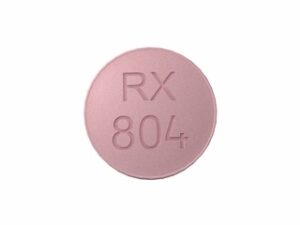
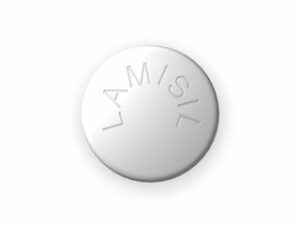
Grifulvin V (Griseofulvin) – Patient Information (UK)
Grifulvin V contains griseofulvin, an antifungal medicine used to treat certain fungal (ringworm) infections of the skin, scalp, hair, and nails. This page explains how it works, how it is usually taken, key safety information, and practical tips to help you get the best results.
This information is for general guidance. Always follow the instructions provided with your medicine and ask a pharmacist or clinician if you have questions.
Basic product information
| Feature | Details |
|---|---|
| Medicine name | Grifulvin V |
| Active ingredient | Griseofulvin |
| What it treats | Fungal infections (dermatophytes) such as tinea/ringworm affecting skin, scalp, hair, and nails |
| Common form | Oral tablets (formulations and strengths may vary by product/manufacturer) |
| How it is taken | By mouth, usually with food (fat-containing meals may improve absorption) |
How Griseofulvin works (mechanism of action)
Griseofulvin is a systemic antifungal medicine. It works mainly by targeting fungal cells as they grow and reproduce. In simple terms:
- It binds to fungal microtubules (cell structures needed for cell division).
- This interferes with the fungus’s ability to multiply.
- Over time, this allows healthy skin, hair, and nails to replace infected material.
Why timing matters: For infections of hair and nails, the fungus can persist in the tissue until new, uninfected growth replaces it. That is why treatment is often continued for weeks to months, depending on the site.
Pharmacokinetics (how the body handles the medicine)
Absorption: Griseofulvin absorption can be improved when taken with food, particularly fat-containing meals. Without food, absorption may be less reliable.
Distribution: It distributes throughout the body and is taken up into keratin-rich tissues (skin, hair, and nails), which is important for dermatophyte infections.
Metabolism: Griseofulvin is metabolised mainly in the liver.
Elimination: It is removed from the body via metabolic pathways and excretion (details vary by patient). The dosing schedule reflects the need to maintain adequate drug levels while the infection resolves.
Practical takeaway: Because absorption and tissue levels matter, taking griseofulvin as directed (including with food, if advised) can make a noticeable difference to outcomes.
What it is typically used for (indications)
Grifulvin V is used for dermatophyte fungal infections. Common examples include:
- Tinea corporis (ringworm of the body)
- Tinea capitis (ringworm of the scalp, including infected hair)
- Tinea pedis (athlete’s foot) in selected cases
- Tinea cruris (ringworm of the groin)
- Tinea unguium / onychomycosis (fungal nail infections, depending on severity and suitability)
Griseofulvin is generally not the best option for all types of fungal infection. It mainly works for fungi that are susceptible (especially dermatophytes). If your infection is due to a yeast (for example, Candida), another treatment may be more appropriate.
When to take it (timing and treatment duration)
How often? Typical regimens vary by the condition being treated and patient factors. Follow the dose schedule provided for you.
Timing:
- Take the medicine at the same times each day to maintain steady levels.
- In many cases, taking it with food is recommended to improve absorption.
- Try to keep consistent with meals (e.g., with breakfast/dinner) unless your clinician or pharmacist advises otherwise.
How long? Duration depends on where the infection is:
- Skin infections: often measured in weeks.
- Scalp infections: often longer than skin because hair grows more slowly.
- Nail infections: commonly require months (because nails take a long time to grow out).
Even if symptoms improve, it is important not to stop early. Stopping too soon can allow the infection to return.
Food interactions and absorption tips
Food helps. Griseofulvin absorption is often improved when taken with a meal. Many patients are advised to take it with fat-containing food, such as:
- Milk and yoghurt
- Eggs
- Cheese
- Meat or fish meals
- Healthy fats (e.g., olive oil) as part of a meal
Practical tip: If you feel nauseated by taking it with heavy meals, ask a pharmacist about balancing meal size with absorption.
Consistency matters: Taking it sometimes with food and sometimes on an empty stomach can affect how much medicine your body absorbs.
Alcohol interactions
There is no single “universal” rule for all patients, but there are important considerations:
- Metabolism in the liver: Griseofulvin is processed in the liver, and alcohol can also burden the liver.
- Side effects: Alcohol may worsen side effects such as dizziness, drowsiness, stomach upset, or headaches.
Advice: It’s generally wise to limit alcohol while taking griseofulvin and avoid binge drinking. If you have liver problems, a history of alcohol-related liver disease, or you drink regularly, discuss this with a healthcare professional before continuing.
Medicine interactions (including prescription-style “common interactions”)
Griseofulvin can interact with other medicines because it may affect liver enzyme activity. Interactions can change the effectiveness of either griseofulvin or the other medicine.
Important interaction categories include:
- Warfarin and other anticoagulants: may alter bleeding risk.
- Oral hormonal contraceptives: griseofulvin may reduce effectiveness in some cases, potentially increasing pregnancy risk.
- Other liver-metabolised medicines: changes in metabolism can affect drug levels and side effects.
- Medicines that also affect liver enzymes: may increase or decrease griseofulvin levels or alter the levels of other medicines.
Also consider:
- Herbal products: for example, St John’s wort may affect metabolism.
- Over-the-counter medicines: including those for pain, sleep, or allergy—always check with a pharmacist.
Action for safety: Tell your pharmacist or clinician about all medicines you take, including vitamins, supplements, and herbal remedies, before starting or stopping griseofulvin.
Dosing – typical approach (adult and child guidance)
Dosing of griseofulvin depends on:
- The type of infection (skin, scalp, nails)
- Age and sometimes weight (particularly in children)
- Other medical conditions, especially liver function
- Concomitant medicines that may interact
Key principle: For best results, dosing is usually calculated to achieve adequate drug levels in keratin tissues. Your clinician/pharmacist will confirm your exact dose and schedule.
Do not change your dose or stop early, even if symptoms improve, unless advised by a healthcare professional.
If you miss a dose: Take it as soon as you remember unless it’s close to the next dose. Do not take a double dose to make up for a missed tablet. If you are unsure, ask a pharmacist for advice.
Safety profile and side effects
Like all medicines, griseofulvin can cause side effects. Many people experience mild effects, but some require urgent medical advice.
Common or mild side effects
- Gastrointestinal upset (nausea, stomach discomfort)
- Headache
- Dizziness
- Fatigue
- Skin rash or itching (varies by patient)
Less common but important effects
- Liver problems (symptoms can include unusual tiredness, dark urine, yellowing of the skin/eyes)
- Blood count changes (rare): unusual bruising, infections that seem frequent
- Severe allergic reactions (rare): swelling of face/lips, trouble breathing, widespread rash
Seek urgent medical help if you develop
- Signs of a serious allergy (breathing difficulty, swelling, severe rash)
- Symptoms suggesting liver injury (yellow skin/eyes, dark urine, severe persistent nausea/vomiting)
- Severe or worsening symptoms soon after starting
Monitoring: Depending on your individual risk factors (age, liver history, length of treatment, other medicines), clinicians may arrange periodic blood tests.
Practical use tips for better results
- Take with food as advised (often with a meal containing fat).
- Be consistent—try not to miss doses.
- Don’t share towels and keep towels, clothing, and bedding separate when possible.
- Keep the area clean and dry; fungal infections often worsen in damp conditions.
- Use topical treatment if recommended: some infections may benefit from creams/shampoos alongside oral therapy, particularly scalp infections or to reduce transmission.
- Wash bedding and clothing regularly if the infection is in skin areas.
- Check and treat close contacts if advised—ringworm can spread within households.
- Expect slow improvement: nail and scalp infections can take a long time to clear.
Prevent reinfection: If you stop therapy too early or reinfection occurs from contaminated items (combs, hats, towels), symptoms may return.
Alternative treatment options
Depending on the location and type of fungal infection, alternatives may include:
- Terbinafine (often used for dermatophyte nail/scalp/skin infections; dosing can be shorter for some indications)
- Itraconazole (for certain nail/scalp infections where appropriate)
- Topical antifungals (creams, gels, sprays, and medicated shampoos for limited or mild disease)
- Adjunctive care: medicated shampoos for scalp infections, hygiene measures, and treatment of close contacts if needed
Which is best? Choice depends on the infection site, severity, likely fungus, speed of growth of the affected tissue, your medical history (especially liver function), and other medicines you take. A pharmacist or clinician can help match the most suitable option.
UK market and legal context (what to expect)
In the United Kingdom, availability of medicines can vary by brand, formulation, and supply. Griseofulvin products such as Grifulvin V have historically been used for dermatophyte infections; however, prescribing practices can change over time due to clinical guidance, availability of other antifungals, and local formulary preferences.
Key points for UK customers:
- Medicines may be supplied in different strengths or alternative pack sizes depending on manufacturer availability.
- Supply may be affected by manufacturing and distribution schedules.
- Clinical review may affect choice of antifungal in different settings (community vs hospital), based on effectiveness, suitability, and patient factors.
Recent guidance (general theme): UK practice for fungal infections commonly emphasises:
- Confirming the likely organism when possible (especially for scalp or recurrent disease)
- Using appropriate antifungals for the infection type and site
- Considering safety monitoring (notably for oral antifungals)
- Combination or adjunct treatments where transmission or scalp involvement occurs
If you are unsure whether griseofulvin is the most suitable option for your specific infection, your clinician or pharmacist can advise based on your symptoms and diagnosis.
Delivery and availability in the UK
Online pharmacies in the UK typically supply medicines based on stock availability. Availability can vary by:
- Brand and pack size
- Strength/formulation
- Current supply chain conditions
Delivery expectations: Many pharmacies offer standard and express delivery options. Delivery times depend on your postcode area and whether the item is in stock. If an item is temporarily unavailable, some services may offer an alternative product or notify you of restock timing (depending on service policies).
Packaging: Medicines are usually delivered in secure, tamper-evident packaging and may include patient instructions or leaflets inside.
FAQ – Frequently asked questions
1) How quickly will I feel better?
Improvement is often gradual. Skin symptoms may begin to improve within the first couple of weeks, but scalp and nail infections can take longer because infected hair or nails must be replaced. Even if you look better, continue the full course unless advised otherwise.
2) Can I use topical antifungal cream as well?
Often, yes—especially for skin involvement or to reduce fungal burden. Some scalp infections may require medicated shampoos alongside oral treatment. Ask your pharmacist for advice about combining products safely.
3) What should I do if the rash gets worse?
Seek medical advice. Worsening could mean the diagnosis is different, the fungus is resistant or not susceptible, you’re not getting enough drug exposure, or there’s an inflammatory reaction. Don’t stop and restart treatment repeatedly without guidance.
4) Are there foods I should avoid?
Generally, there are no specific foods that must be completely avoided. The main practical point is to take griseofulvin with food as advised to support absorption. If you have swallowing issues or severe nausea, ask a pharmacist for a plan.
5) Is it safe during pregnancy or breastfeeding?
Safety in pregnancy and breastfeeding depends on the individual situation and available evidence for the medicine. Discuss with a healthcare professional before use if you are pregnant, trying to conceive, or breastfeeding.
6) Will alcohol stop me from taking it?
It may not be an absolute “stop,” but it can increase strain on the liver and worsen side effects. It’s usually best to limit alcohol and avoid binge drinking. If you drink regularly or have liver disease, seek specific advice.
7) Can I drive or operate machinery?
Griseofulvin can cause dizziness or fatigue in some people. Until you know how it affects you, take care when driving or using machinery.
8) What if I have liver problems?
Tell your healthcare professional. Liver impairment can increase risk, and your clinician may adjust treatment or require monitoring. Do not start or continue without advice.
9) How is it different from antifungal creams?
Creams work on the outer layers of skin. Griseofulvin is taken by mouth to treat infections deeper in hair and nails and to achieve systemic effect. The best approach depends on the infection site and severity.
10) What if the infection returns after treatment?
Recurrence can happen due to incomplete clearance, reinfection from contaminated items/contacts, or an infection caused by an organism not covered by griseofulvin. A clinician may review diagnosis and confirm what organism is present before adjusting treatment.
When to seek medical advice
Contact a clinician or pharmacist promptly if you develop:
- Signs of allergy (swelling, severe rash, breathing difficulties)
- Symptoms of liver issues (yellowing of skin/eyes, dark urine, severe persistent nausea/vomiting)
- Unexplained bruising or unusual infections
- No improvement after an appropriate period on treatment
Keep going safely: Take Grifulvin V exactly as directed, keep all follow-up advice, and let your pharmacist know about any other medicines or supplements you’re taking.