
Serophene (Clomiphene) — Patient Information (UK)
Serophene contains clomiphene, a medicine used to help stimulate ovulation in some people who are trying to conceive. This patient-friendly guide explains how Serophene works, how it is typically taken, what to expect, and important safety information. It is written for customers in the United Kingdom.
1) Basic product information
- Medicinal product: Serophene
- Active ingredient: Clomiphene (often as clomiphene citrate)
- Common uses: Ovulation induction (stimulating ovulation)
- Available as: Tablets (strengths can vary by product presentation)
If you have any questions about your specific pack strength or how to take your tablets, follow the instructions provided with your medicine.
2) How Serophene works (mechanism of action)
Clomiphene is a selective estrogen receptor modulator (SERM). In simple terms, it encourages the body to release hormones that trigger ovulation.
- Clomiphene partially blocks the effects of estrogen at the brain (hypothalamus and pituitary).
- This “unblocks” the body’s normal hormone feedback loop.
- The pituitary responds by increasing follicle-stimulating hormone (FSH) and luteinising hormone (LH).
- Increased FSH helps ovarian follicles grow; the LH surge can lead to ovulation.
Ovulation timing varies from person to person, but a pattern is common when taken in a standard cycle.
3) Pharmacokinetics (what the body does to the medicine)
After oral administration, clomiphene is absorbed and distributed throughout the body. It is metabolised mainly in the liver, and its active components can persist for a period of time.
- Absorption: Taken by mouth; absorption occurs in the gastrointestinal tract.
- Distribution: Widely distributed through the body.
- Metabolism: Hepatic (in the liver).
- Elimination: Metabolites are removed gradually (broadly via bile/feces and some via urine), with effects that may last beyond the dosing days.
Because clomiphene can remain in the body for some time, careful monitoring (including fertility tracking) is important.
4) Typical use in the UK
Serophene is commonly used for ovulation induction in people who do not ovulate regularly or at all. It is often considered when:
- Ovulation is irregular (for example, in some cases of polycystic ovary syndrome (PCOS)).
- There is a need to help schedule ovulation to improve the chance of conception.
- Other fertility steps (such as lifestyle changes and baseline assessment) are underway.
Serophene may also be used in specific situations under the direction of a healthcare professional, based on your individual assessment.
5) When to take it (timing and cycle planning)
Serophene is typically taken over a number of days at the start of the menstrual cycle. A “cycle day” approach helps coordinate ovarian follicle development.
- Common starting point: often cycle day 2 or day 5, depending on clinical plan.
- Usual course length: often 5 consecutive days per treatment cycle.
- Ovulation timing: frequently occurs about 5 to 10 days after the last tablet (individual variation is common).
- Fertile window: many couples aim for intercourse in the days leading up to ovulation and on/around ovulation.
Tracking methods can help you understand your response, such as:
- Home ovulation tests (luteinising hormone tests)
- Basal body temperature
- Ultrasound monitoring (if arranged)
- Blood hormone monitoring (if arranged)
Tip: If you are not sure which cycle day to start, confirm the plan before beginning. Starting on the wrong day can reduce effectiveness.
6) Indications (who it is for)
The main indication for Serophene is to induce ovulation in people who have anovulatory or oligo-ovulatory cycles. In practice, it is commonly used in:
- Anovulatory infertility (not ovulating)
- Oligo-ovulatory infertility (infrequent ovulation)
- Some cases related to PCOS where ovulation induction is appropriate
It is important that other causes of infertility are assessed as appropriate (for example thyroid disorders, high prolactin, and tubal or sperm factors).
7) Dosing (typical approach)
Dosing should be individualised. Below is an overview of common regimens used in ovulation induction with clomiphene. Always follow the dosing instructions provided with your treatment plan.
| Cycle day approach | Typical dose concept | Notes |
|---|---|---|
| Start early in the menstrual cycle | Often begins with a standard starting strength | For example, many regimens use 50 mg daily for 5 days, but your plan may differ. |
| Treatment is usually repeated per cycle | Dose may be adjusted based on response | Your response may be assessed by ovulation indicators or ultrasound. |
| Limit number of cycles | Commonly capped in practice | Your clinician may limit to a certain number of cycles before reviewing next steps. |
Do not increase dose without guidance. Higher doses can raise the risk of side effects and multiple pregnancy.
8) Food interactions
Clomiphene can generally be taken with or without food. However, taking it consistently (for example always after a meal) can help reduce stomach discomfort for some people.
There are no widely recognised “must-avoid” foods specifically for clomiphene in routine use, but consider the following:
- Grapefruit/Seville orange: These can affect certain medicines through liver enzymes. While not a universal issue for clomiphene, it’s sensible to avoid large changes in intake and discuss with a healthcare professional if you consume them frequently.
- Overall diet: Maintain a balanced diet and hydration, especially if you experience nausea or abdominal discomfort.
If you have liver disease or take multiple medications, ask a clinician or pharmacist to review potential interactions.
9) Alcohol interactions
There is no absolute rule that alcohol must be completely avoided with clomiphene, but alcohol can affect:
- Hormone balance and cycle tracking (making fertile-window timing less accurate)
- Side effects such as dizziness or nausea
- Overall fertility health when consumed in higher amounts
For best outcomes and to reduce side effects, it is generally recommended to keep alcohol intake low or avoid binge drinking during treatment. If you drink regularly or have concerns, seek advice from your healthcare team.
10) Medicine interactions (important points)
Clomiphene can interact with other medicines indirectly through metabolism in the liver. Tell your pharmacist or healthcare professional about everything you take, including:
- Prescription medicines
- Over-the-counter products
- Herbal supplements
- Vitamins or high-dose supplements
Particularly relevant medicines include those that affect liver enzymes (some can increase or decrease clomiphene levels). Because individual medicines vary, interaction checks should be done for your specific regimen.
Practical approach: bring a list of your current medicines to any appointment or check with a pharmacist before starting Serophene.
11) Safety profile (what to watch for)
Like all medicines, Serophene can cause side effects. Many are mild and improve after the course ends, but some require prompt medical attention.
Common side effects
- Hot flushes
- Nausea or stomach discomfort
- Headache
- Breast tenderness
- Changes in mood or tiredness
- Visual disturbances (e.g., blurred vision or spots), especially around dosing windows
Ovarian effects (important)
- Enlarged ovaries
- Ovarian cysts may occur
- Ovarian hyperstimulation syndrome (OHSS): risk is generally lower than with injectable fertility drugs, but it is still possible
- Multiple pregnancy: risk of twins and higher-order multiples increases compared with natural conception
Seek urgent medical help if you develop
- Severe or worsening abdominal pain
- Severe bloating, rapid weight gain, or significant shortness of breath
- Reduced urination or signs of dehydration
- Sudden vision changes, severe eye pain, or persistent vision loss
- Severe headaches with neurological symptoms
If you have a history of blood clotting disorders or clot risk, discuss it with your healthcare professional before using Serophene. Fertility treatments may involve changes in risk profile and monitoring.
12) Practical use tips for best results
- Track ovulation: Use ovulation predictor kits, basal temperature, or monitoring as advised.
- Time intercourse wisely: Aim for intercourse in the days leading up to ovulation and including ovulation.
- Keep a treatment diary: Note cycle dates, symptoms, and test results to help future planning.
- Be consistent with dose timing: Take tablets at roughly the same time each day.
- Consider lifestyle factors: Smoking cessation, healthy weight, moderate exercise, and balanced nutrition can support fertility outcomes.
- Know when to contact a professional: If you experience severe abdominal pain, vision problems, or signs of OHSS, seek help promptly.
13) What to expect during a treatment cycle
- Early cycle: you take tablets for several days as planned.
- After tablets: you may notice side effects such as hot flushes, headaches, or breast tenderness.
- Mid cycle: ovulation may occur; fertile-window timing becomes crucial.
- Following ovulation: a progesterone rise may occur; you may have mild cramping or discharge changes.
- If pregnancy occurs: your clinician will advise what happens next (including medication changes) based on standard care.
If ovulation does not occur, your clinician may adjust the next cycle’s dose or consider alternative options.
14) Alternatives to Serophene (clomiphene)
Alternatives depend on the underlying cause of ovulation problems, age, fertility history, and previous response to treatment. Common options include:
- Letrozole: An aromatase inhibitor used for ovulation induction in some settings.
- Gonadotrophins (injectable fertility hormones): Usually used under specialist fertility care with monitoring.
- Metformin: Sometimes used in PCOS, particularly if insulin resistance is suspected.
- Lifestyle interventions: Weight management and exercise can improve ovulation in some people.
- Assisted conception: If initial ovulation induction is not sufficient, IVF or other specialist treatments may be considered.
Discuss with a healthcare professional what is most appropriate for your diagnosis and goals.
15) Market and legal context in the UK
In the United Kingdom, clomiphene-containing medicines such as Serophene are regulated medicines and are supplied according to UK medicines legislation and pharmacy practice. Availability can vary by manufacturer, pack size, and local supply conditions.
- Medicines regulation: UK medicines are governed by the Medicines and Healthcare products Regulatory Agency (MHRA).
- Safety and monitoring: The UK requires continued vigilance, including reporting side effects through the Yellow Card Scheme.
- Clinical guidance: Fertility treatment choices are typically based on evidence and patient-specific factors, including risk of multiple pregnancy and ovarian response.
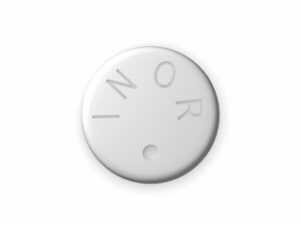
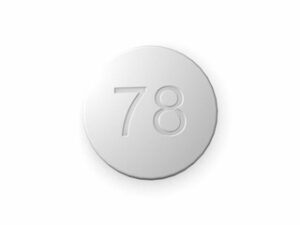
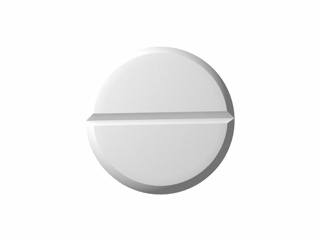
If you’re buying for use in the UK, make sure the product is supplied from a reputable source and that the packaging matches the product you expect.
16) Recent guidance (overview)
UK fertility care evolves as new evidence emerges. In recent years, some fertility guidelines have preferred certain ovulation induction options (including letrozole) for specific groups, while clomiphene remains an established option in many pathways. The best choice can depend on diagnosis, prior response, and individual safety considerations.
What remains consistent across guidance is the importance of:
- Confirming suitability: ensuring ovulation induction is appropriate and other causes are considered
- Monitoring and dose adjustment: using symptom tracking and, when available, ultrasound and hormone checks
- Safety precautions: minimising multiple pregnancy risk and recognising OHSS symptoms
17) Delivery and availability (UK online pharmacy)
Availability of Serophene can be influenced by manufacturer supply and regional stock levels. Delivery options typically depend on the shipping method selected at checkout.
- Dispatch: Orders are usually dispatched on business days after verification.
- Delivery times: Estimated delivery times depend on the chosen courier service.
- Packaging: Medicines are supplied in secure, tamper-evident packaging.
- Storage: Store tablets as directed on the carton (commonly at room temperature, away from moisture and direct heat).
If a product is temporarily out of stock, many online pharmacies offer notification options or alternatives of the same active ingredient where appropriate.
18) FAQ
How long does clomiphene take to work?
Ovulation often occurs about 5 to 10 days after the last tablet, though timing can vary. Your fertile window may be detected using ovulation tests or monitoring methods.
What if I don’t ovulate on Serophene?
Some people need dose adjustments or a different plan. If ovulation doesn’t occur (based on tracking results and/or monitoring), your clinician may review diagnosis, timing, and dose for future cycles or recommend alternatives.
Can Serophene cause twins?
Yes. Clomiphene increases the likelihood of multiple pregnancy compared with natural conception. The chance of twins is the main concern; higher-order multiples are less common but possible.
Are there fertility tracking tips I should follow?
Common approaches include:
- Using LH ovulation predictor tests to time intercourse
- Recording basal body temperature changes
- Considering ultrasound or blood tests if you’re not sure ovulation occurred
Can I take Serophene with food?
Often yes. Taking it with a meal may reduce nausea for some people. If you have been advised differently for your situation, follow your healthcare team’s instructions.
Is it safe to drink alcohol during treatment?
Light or occasional alcohol may be acceptable for some people, but it can worsen side effects and make cycle tracking less reliable. Keeping intake low is sensible; avoid heavy drinking.
What side effects are most concerning?
Seek urgent medical attention for severe abdominal pain, signs of OHSS (severe bloating, rapid weight gain, breathlessness), or significant vision changes.
How many cycles can Serophene be used?
In clinical practice, treatment is usually limited and reviewed based on response and safety. Your healthcare plan will specify how many cycles are appropriate for you.
Is Serophene the same as clomiphene?
Serophene contains clomiphene (commonly clomiphene citrate). Other brands may exist with similar active ingredients. Always check the active ingredient and strength on the pack.
Where can I report side effects in the UK?
The UK has a Yellow Card reporting system managed by the MHRA. Your pharmacist or GP can also advise on reporting.
19) Important reminder
This information is intended to help you understand Serophene (clomiphene) and prepare for treatment. It does not replace the advice of a qualified healthcare professional. If you are unsure about dosing, side effects, or how to monitor ovulation, seek guidance promptly.