

Premarin (Conjugated Estrogens) – Patient Information (UK)
Premarin contains conjugated estrogens, a type of female hormone used to treat specific hormone-related conditions. This guide is written to help you understand how Premarin works, what it’s used for, how it is taken, and what important safety information you should know. Always follow the instructions given to you by your healthcare professional and read the patient information leaflet provided with your medicine.
| Category | Details |
|---|---|
| Medicine | Premarin (Conjugated Estrogens) |
| Active ingredient | Conjugated estrogens (estrogen component from natural sources) |
| What it does | Replaces or supplements oestrogen in the body |
| Common uses | Menopausal symptoms; prevention of bone loss in some patients; other oestrogen-responsive conditions as advised |
| How it may be taken | Typically oral tablets (forms vary by product strength) |
| Key safety points | May increase risk of blood clots, stroke, and (with uterus present) endometrial changes; regular review is important |
1) Basic product information
Premarin is an established hormone therapy product containing conjugated estrogens. It is designed to relieve symptoms caused by reduced oestrogen levels, most commonly during or after the menopause. In certain situations, it may be used for other conditions where oestrogen is appropriate.
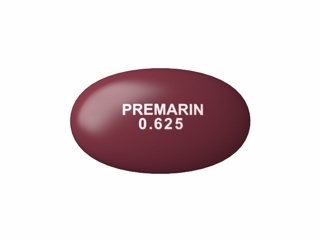
Strengths and formulation: Premarin is supplied in tablet form. Available strengths can vary by manufacturer and local availability. Your pack will clearly state the strength (e.g., the number of milligrams of conjugated estrogens).
Who it is for: Premarin may be suitable for adults who require oestrogen therapy based on their symptoms and medical history.
2) How Premarin works (mechanism of action)
Oestrogens are natural hormones that help regulate many functions in the body, including:
- Menopause-related symptoms (such as hot flushes and night sweats)
- Vaginal and urinary tissues (helping with dryness and discomfort)
- Bone maintenance (helping reduce bone loss)
- Regulation of the menstrual cycle (when appropriate in people who still have a uterus)
Premarin (conjugated estrogens) provides oestrogen activity to help replace the hormone levels that drop during menopause or when the body produces less oestrogen.
3) Pharmacokinetics: absorption, distribution, metabolism and elimination
After taking Premarin by mouth, the active oestrogen components are absorbed through the gastrointestinal tract. Oestrogens are carried in the bloodstream and are processed (metabolised) mainly in the liver. Metabolites are then eliminated primarily via urine and/or bile and faeces, depending on the specific compound.
- Absorption: Oral estrogens are absorbed after administration.
- Distribution: Oestrogens distribute throughout body tissues and bind to plasma proteins.
- Metabolism: The liver plays a central role in metabolising oestrogens.
- Elimination: Metabolites are removed from the body over time; effects may persist after dosing stops due to metabolism and distribution patterns.
Practical meaning: Because metabolism involves the liver, dose selection and monitoring are particularly important in patients with liver-related issues. If you have been advised to adjust or avoid certain medicines due to liver metabolism concerns, tell your healthcare professional.
4) What Premarin is typically used for (indications)
In the UK, oestrogen therapy is used for hormone-related conditions based on individual needs. Typical indications include:
- Moderate to severe vasomotor symptoms associated with menopause (e.g., hot flushes and night sweats)
- Atrophic vaginitis/vaginal symptoms related to menopause (e.g., dryness, discomfort)
- Prevention of postmenopausal osteoporosis in certain patients at risk, when other options are not suitable
- Other oestrogen-responsive conditions where oestrogen therapy may be appropriate under specialist guidance
Important note about the uterus: If you still have your womb (uterus), taking oestrogen alone may increase the risk of endometrial hyperplasia and cancer. In many cases, clinicians use a progestogen alongside oestrogen to protect the endometrium. If you’re unsure whether you need additional protection, speak to your healthcare professional.
5) Timing and how to take Premarin
How you take Premarin depends on your condition, your response, and the dosing schedule prescribed for you. Always follow your personalised dosing plan.
General practical advice:
- Consistency helps: Take your tablet at the same time(s) each day according to your schedule.
- Swallow whole: Unless your leaflet specifically indicates otherwise, swallow tablets with water.
- Don’t double up: If you miss a dose, take it when you remember unless it is close to the next dose. Do not take extra tablets to make up for a missed one.
Can symptoms change quickly? Many people notice some relief in hot flushes within weeks, but treatment goals and dose adjustments are usually reassessed over time.
Regular review: For hormone therapy, ongoing need should be reviewed regularly—both to confirm benefits and to consider the lowest effective dose.
6) Food interactions (and practical diet tips)
Food can influence the absorption rate of some medicines, but for Premarin the interaction with food is generally not described as a major issue for most people. However, the most important factor is taking your dose consistently.
Practical tips:
- If the leaflet allows, take your tablet with water and at a time that suits you.
- If you experience stomach upset, try taking it with food (unless advised otherwise by your clinician or leaflet).
- Avoid sudden major changes in diet that could affect overall medication tolerance.
Tell your healthcare professional if you start any new supplements or if you have persistent digestive symptoms.
7) Alcohol and medicine interactions
Alcohol: Moderate alcohol intake may not directly “cancel out” Premarin, but alcohol can worsen some side effects such as headaches, dizziness, or nausea. Drinking heavily can also affect liver function, which is relevant because estrogens are metabolised in the liver.
Practical guidance:
- If you drink alcohol, consider keeping it moderate.
- Seek medical advice if you have liver disease or regularly drink high amounts of alcohol.
Important medicine interactions: Certain medicines can affect estrogen levels (by increasing breakdown) or change bleeding patterns. Some medicines may also alter the risk profile associated with hormone therapy.
- Enzyme-inducing medicines (examples can include some anti-epileptics and certain antibiotics/antifungals) may reduce estrogen effectiveness.
- Hormone-related bleeding changes can occur when hormones interact with other treatments.
- Other medicines that increase clot risk may require extra caution, depending on your health history.
What to do: Keep a list of all medicines you take (including herbal products and over-the-counter medicines) and share it with your healthcare professional and pharmacist. If you are unsure about a specific product, ask before starting it.
8) Dosing: general principles
Dose requirements vary widely. Your healthcare professional will tailor the dose to your symptoms, treatment goals, and overall risk factors.
General dosing principles:
- Use the lowest effective dose: to control symptoms while minimising risk.
- Individualise schedule: some people use continuous regimens; others use cyclic regimens (including breaks), depending on whether they still have a uterus and their specific indication.
- Regular review: your dose may be adjusted over time based on benefit and tolerability.
Do not change your dose without medical advice, and do not stop suddenly if you are concerned—discuss first. Stopping may lead to return of symptoms.
9) Safety profile: key risks and who should be extra cautious
Like all medicines, Premarin has potential side effects and important safety considerations. Hormone therapy can increase certain risks, especially when started later in life or used for longer periods. Your clinician should consider your personal risk factors before and during treatment.
Common side effects (may occur)
- Nausea or stomach upset
- Headache or migraine-like symptoms
- Breast tenderness or enlargement
- Vaginal bleeding/spotting (especially if the regimen is not protected or is changed)
- Fluid retention or feeling “puffy”
- Mood changes
Serious risks (seek urgent medical advice)
Stop treatment and seek prompt medical attention if you experience signs of serious complications, such as:
- Symptoms of a blood clot: sudden swelling/pain in a leg, chest pain, sudden shortness of breath, coughing blood
- Stroke symptoms: sudden weakness/numbness on one side, trouble speaking, facial droop, sudden vision changes
- Severe allergic reaction: swelling of face/lips, trouble breathing, widespread rash
Endometrial (womb) safety
If you have a uterus, unopposed estrogen can increase the risk of abnormal changes in the endometrium. This is why clinicians frequently prescribe a progestogen alongside estrogen for protection. Any unexpected bleeding should be assessed promptly.
Other factors affecting suitability
- Previous history of blood clots or stroke
- Certain cancers (especially those hormone-dependent)
- Unexplained vaginal bleeding
- Active liver disease or severe liver impairment
- Known hypersensitivity to ingredients
Regular check-ups: If you are taking Premarin long-term, your healthcare professional should review your treatment at appropriate intervals and reassess benefits vs risks.
10) Practical use tips for getting the best from Premarin
- Track symptoms: note hot flush frequency, sleep quality, and any vaginal symptoms to help judge benefit.
- Monitor bleeding: report any unexpected bleeding, especially after you’ve been stable on therapy.
- Use sun protection if advised: some people experience skin changes with hormones; protect skin as recommended.
- Maintain lifestyle measures: a bone-healthy lifestyle (weight-bearing exercise, calcium/vitamin D as advised, stopping smoking, limiting alcohol) supports overall health.
- Keep appointments: screening and follow-up matter (e.g., breast screening schedule, cervical screening where relevant).
What if you want to stop? Discuss with your healthcare professional. Some people choose gradual review or alternative approaches depending on symptom return and risk assessment.
11) Missed dose guidance
If you miss a dose, follow these general principles:
- Take it when you remember unless it is close to the next scheduled dose.
- Do not take double to make up for a missed dose.
- If you miss several doses or have persistent symptoms, contact your healthcare professional for advice.
12) Alternative options to Premarin (what else may be considered)
Depending on your symptoms, risk factors, and preferences, your clinician may consider other options. Alternatives include:
- Other systemic hormone therapies (different estrogen types or brands)
- Oestrogen-progestogen combined regimens if you have a uterus
- Local (vaginal) oestrogen for primarily vaginal/urinary symptoms (often with lower systemic exposure)
- Non-hormonal treatments for hot flushes (choice depends on your medical history and tolerance)
- Bone-protection options such as non-hormonal medicines for osteoporosis prevention/treatment in appropriate patients
Your healthcare professional can help you choose the most appropriate option based on effectiveness, safety, and convenience.
13) Market and legal context in the UK
In the United Kingdom, menopausal hormone therapy products are regulated and monitored within the Medicines and Healthcare products Regulatory Agency (MHRA) framework. Many hormone therapies are subject to specific prescribing practices and patient monitoring requirements to ensure safe use.
Ongoing guidance focus: UK clinical guidance generally emphasises:
- Using hormone therapy only when benefits outweigh risks
- Employing the lowest effective dose
- Considering the shortest duration needed to meet treatment goals
- Regular review of symptoms and risk factors
- Appropriate protection for people with a uterus (to reduce endometrial risk)
What this means for you: You should expect regular clinical review, and any changes in health (e.g., new symptoms such as bleeding, or cardiovascular risk factors) should be discussed promptly.
14) Recent guidance and clinical considerations (UK)
Current UK practice for menopause care continues to reflect a benefits-and-risks approach. Clinical recommendations typically include:
- Individualised treatment: therapy is chosen based on whether symptoms are primarily vasomotor, vaginal, or for bone health.
- Route and regimen matters: some patients may benefit from different routes (e.g., local therapy for vaginal symptoms) depending on risk profile.
- Vigilance for adverse effects: unusual bleeding or symptoms suggestive of clots should be assessed without delay.
- Periodic reassessment: your clinician should review whether you still need therapy, at what dose, and for how long.
Because guidance can evolve, your pharmacist or healthcare professional can advise you based on the most up-to-date standards applicable in your care setting.
15) Delivery and availability in the UK
Premarin availability may vary by strength and supply schedules. When ordering online from a UK pharmacy, delivery typically depends on the selected service level and stock status.
Delivery considerations:
- Stock-dependent delivery: if the item is temporarily unavailable, pharmacies may offer alternative options or dispatch once restocked.
- Packaging: medicines are generally supplied in manufacturer-approved packaging.
- Keep out of reach of children: store securely at home.
If you have not received your order within the expected timeframe, contact customer support promptly so they can check dispatch status.
16) Storage and handling
Follow the storage instructions on the carton and leaflet. In general:
- Keep the medicine in its original packaging.
- Store at a suitable room temperature as indicated on the label.
- Protect from excessive heat and moisture.
- Do not use after the expiry date.
17) FAQ
What is Premarin used for?
Premarin is used as an oestrogen medicine to treat certain menopausal and oestrogen-responsive conditions, such as moderate to severe vasomotor symptoms (hot flushes/night sweats) and, in some cases, prevention of bone loss or treatment of vaginal symptoms, depending on your situation.
How long does it take to work?
Some people notice symptom improvement within weeks. The time to benefit varies by symptom type and the dose/regimen. Your clinician will regularly review your response and adjust as needed.
Do I need a progestogen with Premarin?
If you still have a uterus, oestrogen therapy often requires a progestogen to protect the endometrium. Your healthcare professional will advise the appropriate approach for your circumstances.
What should I do if I miss a dose?
Take the missed dose when you remember unless it is close to the next dose. Do not take double. If you repeatedly miss doses or develop unusual symptoms, ask your healthcare professional for advice.
Can I drink alcohol while taking Premarin?
Moderate alcohol may be acceptable for some people, but alcohol can worsen some side effects and heavy drinking can affect liver health. If you drink alcohol or have liver disease, discuss this with your healthcare professional.
Are there food interactions?
Major food interactions are not usually highlighted, but taking your tablet at a consistent time and with water is important. If your stomach feels upset, your clinician or pharmacist may advise taking it with food.
What are the warning signs that require urgent help?
Seek urgent medical help for possible blood clot or stroke symptoms (such as sudden breathlessness, chest pain, leg swelling/pain, sudden weakness on one side, or trouble speaking). Also seek urgent advice if you have signs of a severe allergic reaction.
Who should be extra cautious with hormone therapy?
People with a history of blood clots, stroke, certain cancers, unexplained bleeding, significant liver disease, or other risk factors should take extra care. Your clinician will weigh benefits and risks before recommending treatment.
Are there alternatives if Premarin isn’t suitable?
Yes. Options may include different hormone regimens, local vaginal oestrogen for primarily vaginal symptoms, non-hormonal treatments for hot flushes, or non-hormonal bone protection strategies depending on your needs.
How can I make sure I’m using Premarin safely?
- Attend regular reviews.
- Report any unexpected vaginal bleeding.
- Tell your healthcare team about all medicines and supplements you use.
- Follow the lowest effective dose guidance and dosing schedule.
Reminder: This information is a general overview and cannot replace personalised medical advice. If you have questions about whether Premarin is right for you, your pharmacist or healthcare professional can help.