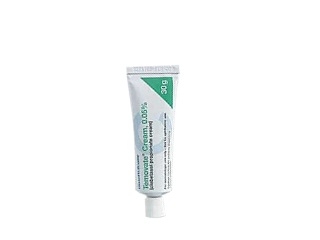
Clobetasol 0.05% — Patient-Friendly Guide (United Kingdom)
Clobetasol 0.05% is a very potent (high-strength) corticosteroid medicine used on the skin to reduce inflammation, redness, itching and swelling. It is commonly available as a cream, ointment, or solution depending on the area of the body and the condition being treated.
This guide explains what clobetasol does, how it works, how to use it safely, what to watch for, and where to find current UK safety and treatment information. Always follow the instructions provided with your product.
1) Basic product information
- Medicine name: Clobetasol 0.05%
- Class: Topical corticosteroid (very potent)
- Common strengths: 0.05%
- Typical formulations: Cream, ointment, solution (availability varies)
- Who it’s for: Adults and, in some cases, children under specialist advice for specific conditions
- How it’s applied: A thin layer to affected skin only
In the UK, the same active ingredient may be supplied under different brand names depending on manufacturer. The exact formulation (cream/ointment/solution) and vehicle can affect how the medicine feels and is absorbed.
2) How clobetasol works (mechanism of action)
Clobetasol is a corticosteroid. When applied to the skin, it reduces inflammatory responses by affecting several pathways involved in immune activity. In practical terms, it:
- Decreases the release of inflammatory chemicals in the skin
- Reduces swelling and redness
- Relieves itch and irritation
- Helps slow down abnormal immune-driven skin inflammation
Because clobetasol is very potent, it can provide rapid symptom relief for flare-ups of conditions where standard treatments may not be enough. However, potency also means you must use it carefully and for the shortest time needed.
3) Pharmacokinetics (absorption and how the body handles it)
Topically applied clobetasol is generally absorbed through the skin at variable levels. Absorption tends to be low when used correctly on small areas and for short periods. Absorption can increase if:
- The area treated is large
- The skin is broken, inflamed, or diseased in a way that increases penetration
- The medicine is applied under occlusion (for example, tight dressings or coverings that increase warmth and moisture)
- It is used frequently or for longer than recommended
- It is used in skin folds (groin/underarms) or on thinner skin
Once absorbed, corticosteroids may be metabolised mainly in the liver and cleared by the kidneys and through normal body processes. Significant systemic absorption can increase the risk of steroid-related side effects, which is why treatment duration and application method are important.
Key point: Use the smallest amount that controls symptoms, and follow guidance on how long to use it.
4) Typical uses in the UK
Clobetasol 0.05% is used for short-term management of inflammatory skin conditions that require a very potent steroid. It is usually reserved for flares or more resistant conditions.
Common indications include:
- Severe psoriasis (selected cases where appropriate)
- Severe eczema/dermatitis (particularly when other treatments are insufficient)
- Inflammatory skin disorders that respond to high-potency corticosteroids as advised by healthcare professionals
Clobetasol should not be used for every rash. Certain infections or skin conditions may worsen with steroid use. If your rash is painful, rapidly spreading, oozing pus, or accompanied by fever, seek urgent medical advice.
5) Indications where clobetasol may NOT be suitable
Topical corticosteroids may be unsafe in some situations. Do not use clobetasol on the following unless specifically directed:
- Untreated bacterial, viral, or fungal infections (steroids can mask symptoms and worsen infection)
- Acne and rosacea
- Perioral dermatitis
- Skin ulcers or infected wounds
- Itchy rashes with unknown cause where diagnosis is unclear
If infection is suspected, a clinician may need to treat the underlying cause (for example, with antifungal/antibacterial therapy) rather than relying on steroid alone.
6) Dosing and how to apply it (practical guidance)
The correct dosing depends on the condition, body area, and formulation (cream/ointment/solution). As a general rule, use: a thin layer on the affected area and only as long as needed.
Typical dosing pattern
- Frequency: Often once or twice daily depending on product instructions and condition severity
- Amount: Use just enough to cover the affected area thinly
- Duration: Usually kept short for a flare; prolonged continuous use increases risk
- Follow-up: If there is no improvement after a short period (as advised on the product label or by a clinician), stop and seek advice
“Fingertip unit” (FTU) tip for estimating quantity
A common UK healthcare method is the fingertip unit: a strip of cream/ointment squeezed from the fingertip to the first crease typically covers about two adult handprints (approx. 2 palm-sized areas). This helps avoid using too much.
Where to apply and what to avoid
- Apply to affected skin only
- Avoid contact with eyes, lips, and inside the nose
- Avoid use on face, eyelids, and genital area unless specifically instructed (skin is more sensitive)
- Do not cover with occlusive dressings unless told to do so by a clinician
- Do not use on broken skin unless directed
7) Timing: when to apply and how long it may take to work
Many people notice improvement in redness and itching within a few days, but complete clearing may take longer. Because clobetasol is potent, it should be used for short periods and reviewed promptly.
- Best time: Apply at the time of day you can keep a consistent routine (e.g., morning and evening)
- After washing: Use on clean, dry skin unless your instructions say otherwise
- Frequency consistency: Don’t increase frequency to “speed up” relief
- Stop/step-down: When symptoms improve, clinicians often advise reducing frequency or switching to a milder steroid/emollient plan
Important: If you are using the medicine continuously for longer than recommended, contact a healthcare professional to discuss safe “step-down” strategies.
8) Food interactions
Topical clobetasol is absorbed through the skin. It is not known to have clinically significant interactions with food. Therefore, no special dietary restrictions are typically needed.
If clobetasol is part of a wider treatment plan (for example, for psoriasis), your clinician may suggest additional skin-care measures.
9) Alcohol and medicine interactions
There are no well-established direct interactions between topical clobetasol and alcohol. However, alcohol can worsen some skin conditions indirectly in certain people (for example, by affecting sleep, stress, hydration, or triggers).
Drug interactions (other medicines)
Systemic (blood-level) interactions are unlikely with correct topical use on small areas for short durations. The risk may increase if used heavily, over large areas, under occlusion, or for long periods.
Tell a healthcare professional if you are using other medicines that affect the immune system or if you have other steroid treatments (for example, oral steroids or injections).
Key caution: Avoid using multiple steroid products at the same time on the same skin area unless advised.
10) Safety profile: side effects and when to get help
Like all medicines, clobetasol can cause side effects. Most problems occur when clobetasol is used too long, too often, over too large an area, or on sensitive skin.
Common or expected local effects
- Skin thinning (atrophy)
- Burning or stinging at application
- Dryness or irritation
- Folliculitis (inflamed hair follicles)
- Acne-like changes on the treated area
- Stretch marks (striae) with prolonged use
- Change in skin colour (lightening or darkening)
Potential serious risks (rare but important)
- Adrenal suppression (reduced natural steroid production) — more likely with high use or long treatment
- Cushing-like effects if absorbed significantly
- Rebound flare when stopping suddenly after prolonged use
- Worsening infection if the rash is fungal or bacterial and steroid masks symptoms
- Glaucoma or cataracts if it gets near the eyes (especially with frequent facial/eyelid use)
Seek medical advice urgently if you develop severe worsening redness, pain, spreading rash, fever, swelling, or signs of infection (such as pus).
When to stop and seek advice
- No improvement after a short period as directed on the label or by your clinician
- Signs of infection (increasing pain, oozing, crusting, fever)
- Rash looks different from previous flares
- You notice eye symptoms (blurred vision, eye pain) or the medicine reached the eye area
11) Practical use tips (to maximise benefit and minimise risk)
- Use the thinnest effective layer. More is not better with potent steroids.
- Apply to clean, dry skin. After washing, pat dry before use.
- Wash hands after application (unless you are treating the hands).
- Don’t wrap tightly unless instructed. Occlusion increases absorption.
- Moisturise regularly. Emollients reduce dryness and may reduce flare frequency; use alongside your steroid plan.
- Plan “step-down” treatment. Many treatment approaches reduce frequency as symptoms settle.
- Track flares. Note triggers (irritants, infections, seasonal changes) to discuss with your clinician.
- Avoid steroid use on face/skin folds unless you have specific guidance.
12) Alternative options and steroid stewardship
Because clobetasol is very potent, alternatives may be considered depending on diagnosis, site, and severity. Your clinician may recommend:
Non-steroid supportive measures
- Emollients/moisturisers (daily, especially after bathing)
- Barrier repair creams for irritation-prone areas
- Trigger avoidance (fragrance, harsh soaps, scratching, allergens/irritants)
- Phototherapy for certain chronic conditions under specialist care
Other topical medicines
- Milder topical corticosteroids (lower potency) used as maintenance or for less severe flares
- Topical calcineurin inhibitors (for suitable cases, often helpful on face/skin folds)
- Topical antifungals/antibacterials if infection is present
For moderate-to-severe disease, clinicians may discuss systemic treatments (including biologics) depending on diagnosis. The right alternative depends strongly on what condition you have.
13) Delivery and availability in the UK
Clobetasol 0.05% products may be supplied through UK community pharmacies and online pharmacies depending on local rules, stock status, and the specific product formulation. Availability can vary by:
- Formulation (cream vs ointment vs solution)
- Pack size
- Brand/manufacturer
- Current demand
When ordering online, check the product strength (0.05%) and formulation carefully, and confirm whether it matches the treatment plan you have been given. Delivery times vary by supplier and your location; most services provide estimated dispatch and delivery windows.
14) Market and legal context for the UK (overview)
In the UK, the availability of topical corticosteroids can depend on product classification and clinical risk considerations. Clobetasol-containing products are generally treated as higher-risk due to potency and potential side effects.
Online pharmacies typically follow UK pharmacy regulations regarding medicines supply, identification checks where appropriate, and safe use information. If a product needs clinician assessment for safe supply, that may affect availability and ordering steps.
For the most up-to-date UK advice on steroid use, diagnosis of skin conditions, and safe prescribing/supply practices, refer to reputable healthcare sources such as NHS guidance and dermatology organisations.
15) Recent guidance and “best practice” safety approach
UK dermatology and primary care guidance commonly emphasises:
- Correct diagnosis before using potent steroids
- Short-term use of very potent topical steroids during flares
- Lowest effective potency for the shortest period
- Step-down strategies (reducing frequency and/or potency once control is achieved)
- Emollients as a long-term foundation for many inflammatory skin conditions
This approach helps reduce the risk of skin thinning and other steroid-related effects, while still controlling symptoms effectively.
16) Key facts at a glance
| Topic | What to know |
|---|---|
| Medicine | Clobetasol 0.05% topical corticosteroid |
| Strength | Very potent (use cautiously) |
| How it helps | Reduces inflammation, itch, redness and swelling |
| Typical use | Short-term flare control for suitable inflammatory skin conditions |
| How to apply | Thin layer to affected area only; avoid occlusion unless instructed |
| Time to benefit | Often improves within days; keep course short and reassess if no response |
| Main risks | Skin thinning, infection masking, and systemic effects if used too much/too long |
| Food interaction | Not expected with topical use |
| Alcohol interaction | No known direct interaction; consider overall health and triggers |
17) Frequently asked questions (FAQ)
Is clobetasol 0.05% safe for long-term use?
Clobetasol is a very potent steroid and is generally used for short periods to control flares. Longer continuous use increases risks such as skin thinning and, rarely, systemic steroid effects. If you need ongoing treatment, discuss a step-down plan or alternative options.
How long should I use it?
The exact length depends on your condition and response. Follow the product label instructions or the plan provided by your healthcare professional. If there is little improvement after a short timeframe, seek advice rather than extending the course.
Can I use clobetasol on my face?
Because facial skin is more sensitive, clobetasol should be used on the face only if specifically advised. Avoid eyelids and ensure it does not get near the eyes.
Should I moisturise while using clobetasol?
In many conditions, yes. Regular emollients can reduce dryness and help prevent flares. Apply moisturiser as directed, and if you’re using clobetasol too, allow a short interval between applications unless your clinician says otherwise.
What if my rash gets worse after starting clobetasol?
Stop using it and seek medical advice promptly. Worsening can indicate infection, a different diagnosis, or an inappropriate treatment choice.
Can I apply it to children?
Use in children requires careful consideration of potency, area treated, and duration. Always follow healthcare advice and avoid using higher potency steroids on children without specialist direction.
Can I cover the area with bandages?
Don’t use occlusive dressings unless a clinician has told you to. Covering can significantly increase absorption and raise the risk of side effects.
Will clobetasol stain clothes or bedding?
Some formulations may leave a residue. Allow the product to absorb before getting dressed, and consider using breathable clothing. If you notice staining, discuss alternative formulation options with a pharmacist.
Is there any interaction with other creams?
Generally, avoid applying multiple strong products at the same time on the same area unless advised. Emollients can often be used alongside steroid plans. If uncertain, speak to a pharmacist.
Can I drink alcohol while using clobetasol?
There is no known direct interaction with alcohol for topical clobetasol. However, alcohol can affect overall health and may indirectly influence flare triggers. Use moderation and follow general health advice.
18) When to seek professional help
Contact a healthcare professional if you have:
- A suspected infection or rapidly spreading rash
- Rash on the face, eyelids, or genitals with unclear cause
- No improvement after a short course as advised
- Frequent flares requiring repeated high-potency treatment
- Concerns about long-term steroid use or skin thinning
Safe steroid use relies on correct diagnosis, careful application, and reassessment. If symptoms don’t match expected improvement, it’s better to get advice than to continue increasing or prolonging use.
Note: This information is intended to help you use clobetasol safely and understand your treatment. Always read the specific leaflet/label that comes with your medicine and follow local guidance for your condition.