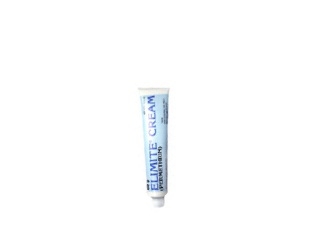
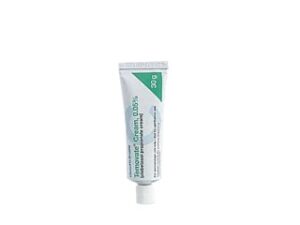

Elimite (Permethrin) Cream – Patient Information (UK)
Elimite is a medicine containing permethrin, a type of insecticide used to treat certain skin infestations. It works by killing the parasites responsible for problems such as scabies and, in some situations, head lice (depending on the specific product strength and formulation). This page explains what Elimite is, how it works, how to use it safely and effectively, and what to expect after treatment.
Note: Always follow the instructions provided with your product and consult a healthcare professional if you are unsure which infestation you are treating or how to apply the cream.
Basic product information
| Item | Information |
|---|---|
| Medicine name | Elimite |
| Active ingredient | Permethrin |
| Type | Topical cream for skin use |
| Common uses | Scabies (and other infestations depending on product) |
| Where it acts | On the skin surface and in the upper layers of the skin |
| Typical dosing schedule | Often a single application, with a repeat dose after a set interval for scabies |
What is permethrin and how does Elimite work?
Permethrin is a synthetic pyrethroid insecticide. It targets the nervous system of the parasites.
- Mechanism of action: Permethrin affects how parasite nerve cells send and receive signals by interfering with sodium channels. This causes paralysis and death of the infestation.
- Effect on scabies mites: It helps kill mites and can reduce transmission when used properly (including treating close contacts).
- Important: Even after successful treatment, itch can continue for some time because the skin reaction may take weeks to settle.
Pharmacokinetics (how the body handles it)
When applied to intact skin, permethrin absorption through the skin is limited. Most of the medication stays on the skin and acts locally.
- Absorption: Generally low through the skin.
- Metabolism: Permethrin is broken down mainly in the body into metabolites.
- Elimination: Metabolites are primarily removed from the body via urine.
Because systemic absorption is typically low, Elimite is usually well tolerated when used as directed.
Typical uses and indications in the UK
Elimite (permethrin) is commonly used to treat scabies. Depending on the product and strength, permethrin is also used for other infestations in some settings. In practice, the exact use depends on the specific formulation you have.
- Scabies (indication): Infestation of the skin by the scabies mite (Sarcoptes scabiei), causing intense itching and a characteristic rash.
- Other infestations: Some permethrin products are used for lice, but this patient page focuses on Elimite as a skin-applied treatment. Always check the package instructions for the correct condition.
If you are not sure whether your symptoms match scabies, it is wise to seek medical advice. Many skin conditions can look similar.
When to apply Elimite (timing and treatment schedule)
The timing of application is important for successful treatment. For scabies, the usual approach is to apply the cream thoroughly over the skin and keep it on for a set period.
- Typical application timing: Apply at a time when you can leave the cream on for the recommended duration without bathing or swimming during that period.
- Leave-on period: Follow the exact instructions on your pack (products may vary). Commonly, permethrin is left on the skin for several hours and then washed off.
- Repeat dose (scabies): Many regimens include a repeat application after a specific interval to catch newly hatched mites. Follow the schedule in your product instructions or local guidance.
- Treat close contacts: For scabies, treating household and close contacts at the same time often prevents reinfestation.
Practical tip: Plan for thorough application—if possible, do it in the evening when you can stay at home and avoid changing clothes repeatedly.
How to use Elimite (dosing and application guidance)
Dosage instructions can vary by condition, age, and product strength. Always use the dosing advice on your product leaflet or as recommended by a healthcare professional.
For scabies (typical regimen)
Adults and children are generally treated with a single application that is repeated later for a complete course (depending on the regimen). The key factor is how thoroughly you apply it.
- Step 1: Prepare skin – Apply to clean, dry skin unless the leaflet advises otherwise.
- Step 2: Apply thoroughly – Cover all areas specified in the leaflet, including common scabies sites (often wrists, between fingers, elbows, armpits, waistline, buttocks, genitals, and soles).
- Step 3: Pay attention to folds – Creases and skin folds may require extra care.
- Step 4: Wash off at the correct time – Remove the cream when the leave-on period is complete.
- Step 5: Repeat as directed – A second treatment is commonly recommended to cover mites that hatch after the first application.
How much cream?
There is no single “one size fits all” amount for every body. The goal is complete coverage. Your product instructions may provide guidance on how much to use for different body sizes.
Children and special groups
Children may require careful application guidance. If the product leaflet includes age limits or special instructions (including around face/scalp areas), follow those precisely.
Food interactions
Food interactions are not expected because Elimite is applied to the skin. There is no known direct interaction between food and topical permethrin.
However, if you are taking other medicines by mouth, follow their advice as normal. Always inform a healthcare professional of any medicines you are using if you have concerns.
Alcohol and medicine interactions
Alcohol
There is no specific interaction between alcohol and topical permethrin expected. Because systemic absorption is typically low, alcohol-related effects are unlikely. If you notice unusual symptoms after treatment, seek advice.
Other medicines
There are no widely recognised, clinically significant interactions for permethrin applied to the skin. Still, practical caution is sensible:
- Avoid applying multiple medicated creams at the same time unless advised. Using several topical products together can increase skin irritation.
- Tell your pharmacist or healthcare professional about any other topical treatments you are using (especially corticosteroids or antifungals), particularly if you plan to apply them near the time of permethrin treatment.
- Check for irritation—if your skin is very inflamed, ask for personalised advice.
Safety profile and side effects
Most people tolerate Elimite well when used correctly. Like all medicines, it can cause side effects—most of which are usually mild and temporary.
Common and expected skin reactions
- Mild burning or stinging
- Itching (may persist even after mites are killed)
- Redness
- Skin irritation or dryness
Less common but important reactions
- Swelling of skin or face
- Severe or widespread rash
- Breathing difficulties (seek urgent help)
When to seek urgent medical help
Get urgent medical advice or call emergency services if you experience signs of a serious allergic reaction, such as:
- Difficulty breathing
- Severe swelling (face, lips, or throat)
- Widespread hives or faintness
General precautions
- External use only: Do not swallow.
- Avoid eyes and mucous membranes (such as inside the nose, mouth, or genitals) unless the leaflet specifically instructs otherwise.
- Use on skin only: Do not apply to broken, infected, or heavily irritated areas unless advised.
- After washing: Wash hands thoroughly.
Practical use tips to improve success
For infestations like scabies, the biggest reason treatments fail is incomplete coverage or reinfestation from untreated contacts or contaminated items. These tips can help improve outcomes.
- Be thorough: Apply to all recommended areas, including between fingers and under fingernails.
- Do not miss small areas: Mites may be present in places like wrists, ankles, groin, and skin folds.
- Repeat exactly on schedule: If a second treatment is recommended, do not skip it even if itching seems better.
- Wash clothing and bedding: Wash recently used clothing, bed linen and towels used within the relevant time period. If items cannot be washed, follow the leaflet’s guidance for sealing or alternative decontamination.
- Treat contacts at the same time: For scabies, household and close contacts are often treated simultaneously to prevent the cycle of reinfestation.
- Don’t share personal items: Avoid sharing towels, clothes, bedding, and clothing brushes.
- Expect itching to linger: Itch may continue for up to several weeks even after successful treatment due to ongoing skin inflammation. If symptoms worsen or new lesions appear, seek advice.
Alternative options for scabies treatment
If permethrin is not suitable or does not fully resolve the infestation, alternative options may include other topical treatments or oral medicines—choice depends on severity, age, pregnancy status, and local guidance.
Common alternatives that may be discussed with healthcare professionals include:
- Other topical scabicides: Such as benzyl benzoate (availability and suitability depend on local recommendations).
- Oral treatment: e.g. ivermectin may be considered in certain circumstances, particularly where topical treatment is impractical or ineffective (decision should be guided by a clinician).
- Supportive care: Treatments to relieve itching and inflammation, such as emollients or anti-itch measures, may be used alongside scabicide treatment.
Important: Do not switch without advice—using an alternative incorrectly or at the wrong time can contribute to ongoing symptoms.
Market and legal context for the UK
In the United Kingdom, scabies treatments containing permethrin are made available through regulated channels. Pharmacy access and supply policies may vary by product type, strength, and the condition being treated.
- Regulation: Medicines sold in the UK must meet UK regulatory requirements and have an appropriate marketing authorisation.
- Product labelling: The leaflet supplied with the specific pack provides the definitive instructions for that product’s formulation and indicated uses.
- Healthcare guidance: UK clinical guidance generally emphasises treating close contacts simultaneously, using correct application technique, and managing the expected persistence of itching after mites are killed.
Recent guidance (UK-focused themes)
Across UK clinical practice, key themes remain consistent:
- Correct diagnosis: Ensuring the rash and itching are truly scabies helps avoid unnecessary treatments.
- Simultaneous treatment of contacts: Reinfection is a frequent reason scabies symptoms return.
- Timing and repeated dosing when needed: Mite lifecycle means a single application may not be sufficient unless guidance indicates otherwise.
- Skin symptoms can persist: Post-treatment itch can continue due to inflammatory reaction rather than ongoing active infestation.
If symptoms do not improve as expected, or if new burrows appear, seek advice. A clinician may consider whether treatment technique, contact treatment, bedding measures, or an alternative medicine is required.
Delivery and availability (UK)
Elimite (permethrin) may be available through licensed online pharmacy services in the UK subject to product availability and applicable supply processes.
- Availability: Stock can vary depending on demand and supply chains.
- Delivery: Delivery times vary by location and dispatch schedule. You will usually receive tracking or delivery updates.
- Packaging: Your order will typically be delivered in manufacturer or pharmacy packaging. Do not use if the packaging is damaged or the product is past its expiry date.
Storage: Store at room temperature as directed on the pack. Keep out of reach of children.
FAQ about Elimite (Permethrin)
1) Does Elimite kill scabies mites immediately?
Elimite works on the mites’ nervous system and can kill them when applied correctly. However, symptoms—especially itching—may take time to settle. A repeat application is often recommended to address mites that may hatch after the first treatment.
2) How long will itching last after treatment?
Itching can continue for several weeks after successful treatment due to ongoing skin inflammation. If you develop new itchy burrows or symptoms strongly worsen, you may need review for reinfestation or treatment failure.
3) Should I treat my household contacts at the same time?
For scabies, treating close contacts (often household members and close physical contacts) at the same time is commonly recommended to prevent reinfestation.
4) Can I bathe or shower during the treatment period?
Usually you should keep the cream on for the duration specified in the product leaflet, then wash it off. Avoid bathing, swimming, or washing the treated areas during the leave-on period.
5) What about bedding, clothes, and towels?
Wash clothing, bed linen and towels used recently, following the guidance in the leaflet. If items can’t be washed, follow instructions for sealing or suitable decontamination methods.
6) Is Elimite safe for children?
Permethrin products can be used in children depending on age and product instructions. Follow the leaflet carefully, and seek advice if you are unsure—especially for infants or very young children.
7) Can I use Elimite if I’m pregnant or breastfeeding?
Topical permethrin has limited absorption through the skin, but individual situations vary. Check the leaflet and speak to a healthcare professional or pharmacist for personal guidance.
8) Are there interactions with other medicines?
No major interactions are expected with topical permethrin. Still, avoid applying multiple medicated skin products at the same time unless advised. Inform a pharmacist about all medicines and topical products you use.
9) Will alcohol affect the medicine?
Alcohol is not expected to interact with topical permethrin. If you feel unwell after treatment, seek medical advice.
10) What if treatment doesn’t work?
If you follow instructions, treat contacts, and manage bedding properly, treatment usually helps. If symptoms persist beyond what is expected, consult a healthcare professional for reassessment—sometimes it may be reinfestation, incorrect application, or an alternative treatment plan may be needed.
Summary
Elimite (permethrin) is a topical medicine used primarily for scabies and works by disrupting the parasites’ nervous system. It has limited absorption through the skin and is generally well tolerated. For best results, apply it thoroughly, follow the correct timing, consider treating close contacts simultaneously, and remember that itch can persist for weeks even after successful eradication of mites.
If you have concerns about side effects, whether your symptoms match scabies, or how to manage treatment in your household, seek advice from a pharmacist or healthcare professional.