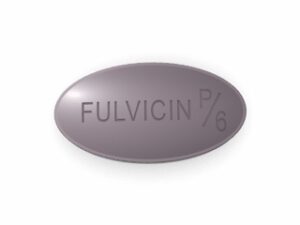
Gresiofulvin (Griseofulvin) – Patient-Friendly Guide (UK)
Gresiofulvin is an antifungal medicine used to treat certain fungal infections of the skin, hair and nails. It works by targeting the way fungi build and maintain their structure, allowing normal healthy growth to replace infected tissue over time.
This guide is designed to be easy to read and helpful for patients in the United Kingdom. It explains how the medicine works, how it is taken, common interactions, safety considerations, and practical tips to support successful treatment.
Basic product information
| Item | Details |
|---|---|
| Common name | Griseofulvin |
| Brand / product name | Gresiofulvin (brand naming may vary) |
| Medicine type | Systemic (taken by mouth) antifungal |
| Main uses | Fungal infections affecting skin, hair and nails (dermatophytes) |
| How it is taken | Oral tablets/suspension depending on product |
| Time to improvement | Often weeks for skin/hair; nails can require months |
How Gresiofulvin works (mechanism of action)
Griseofulvin is a fungistatic antifungal, meaning it stops fungal cells from multiplying effectively. It does this by interfering with the fungus’s ability to form microtubules—structures needed for cell division.
Because it targets how fungi grow, the treatment typically needs to be taken long enough for new, healthy skin, hair or nail to grow in and replace infected areas.
Pharmacokinetics (how the body handles it)
After oral dosing, griseofulvin is absorbed from the gastrointestinal tract. Absorption can be improved when taken with food (particularly some forms containing fat). Once absorbed, it distributes to tissues where fungal infections occur, especially skin and keratin (structures such as hair and nails).
- Onset of effect: Improvement is usually gradual; clearing can take weeks or longer depending on the infection site.
- Protein binding: The medicine binds to plasma proteins and is distributed through the bloodstream.
- Metabolism: It is metabolised in the liver.
- Elimination: It is cleared from the body through hepatic metabolism and excretion of metabolites.
If you have liver disease or drink alcohol heavily, your clinician may recommend extra caution, monitoring, or alternative treatment. (See the Safety profile and Alcohol and medicine interactions sections below.)
Typical uses in the UK
Griseofulvin is mainly used for dermatophyte infections—fungi that affect keratinised tissues. Common examples include:
- Tinea capitis (fungal infection of the scalp)
- Tinea corporis (ringworm of the body)
- Tinea pedis (athlete’s foot)
- Tinea cruris (jock itch)
- Onychomycosis (fungal nail infection) in selected cases
- Tinea barbae (fungal infection of the beard area, less common)
The exact choice of antifungal depends on the infection type, the organism involved, severity, location, and your medical history. For some nail or skin infections, other antifungals may be preferred (see Alternative options below).
When to start seeing improvement (timing)
Treatment timelines vary by body area:
- Scalp (tinea capitis): Often requires several weeks of treatment; hair may shed or change before it improves.
- Skin (tinea corporis/cruris/pedis): Symptoms may start to ease within 1–2 weeks, but finishing the full course is important.
- Nails (onychomycosis): Nails grow slowly—treatment may take months, and fungal tests may remain positive for a while.
If you don’t notice any improvement after a reasonable period, or if symptoms worsen, speak to a healthcare professional. The diagnosis may need confirmation (for example by microscopy/culture), or the infection may be due to a different organism.
How to take Gresiofulvin (dosing guidance)
Dosing depends on:
- Your age
- Your weight (particularly in children)
- The infection type and severity
- Whether the medication is in tablet or suspension form
- Other medicines you take and any liver concerns
Your prescribed regimen will be tailored to your situation. As a general principle, griseofulvin is often dosed based on body weight for children and sometimes uses higher doses for scalp or extensive fungal infections.
Practical dosing principles (typical approach)
- Treat long enough: Finish the full course even if symptoms improve early.
- Use the correct product strength: Different formulations may have different strengths.
- Don’t skip doses: Missing doses can reduce effectiveness.
- If you miss a dose: Take it when you remember unless it is close to the next dose—then continue as normal. Avoid doubling up.
Because exact dosing varies by product and indication, always follow the instructions provided with your medicine. If you are unsure, ask a pharmacist for guidance.
Food interactions and how to take with meals
Griseofulvin absorption can be improved when taken with food, particularly with meals that include fat. Many patients find that taking it with a main meal helps reduce stomach upset and improves consistency of absorption.
Tips:
- Take your dose with a meal if advised or if this improves tolerance.
- If you experience nausea, consider taking it with food and avoid taking it on an empty stomach.
- Follow the product instructions regarding whether it should be taken with food.
Alcohol and medicine interactions
Alcohol
Alcohol may increase the strain on the liver, and griseofulvin is metabolised in the liver. For these reasons, it is generally advised to limit alcohol during treatment.
- Moderate alcohol may be tolerated by some people, but avoid heavy or binge drinking.
- If you have liver disease, are undergoing liver monitoring, or have a history of alcohol misuse, discuss with a healthcare professional first.
Interactions with other medicines
Griseofulvin can interact with several medicines because it can affect how the liver metabolises drugs. These interactions may reduce effectiveness of other medicines or increase side effects.
Important interaction categories include:
- Hormonal contraception (combined oral contraceptives and some other forms): Hormonal methods may become less effective. Consider reliable non-hormonal contraception during treatment and for a period after stopping, as advised by a healthcare professional.
- Warfarin: Anticoagulation may be affected, requiring monitoring of clotting status.
- Other medicines processed by the liver: Some antifungals, anticonvulsants, and certain antibiotics may interact.
- Medicines that affect liver enzymes: Some treatments may increase side effects or change drug levels.
Always tell your pharmacist or clinician about all medicines you take, including prescription medicines, over-the-counter products, and herbal remedies (for example, St John’s wort).
Indications (what conditions it treats)
Griseofulvin is used for fungal infections caused by dermatophytes, including:
- Skin infections (tinea infections such as tinea corporis, cruris and pedis)
- Scalp infections (tinea capitis)
- Hair-related infections where dermatophytes are present
- Nail fungal infections (selected cases of onychomycosis)
It is less effective against yeasts and non-dermatophyte fungi. If the infection is not caused by a dermatophyte, a different treatment may be more appropriate.
Safety profile: side effects and when to seek help
Like all medicines, griseofulvin can cause side effects. Most are mild and manageable, but some require prompt medical attention.
Common or mild side effects
- Stomach upset (nausea, abdominal discomfort)
- Headache
- Dizziness
- Fatigue
- Skin sensitivity or mild rash
Less common but important risks
- Liver problems: Seek medical advice if you develop persistent nausea/vomiting, yellowing of the eyes/skin (jaundice), dark urine, or severe right-sided abdominal pain.
- Allergic reactions: Stop and seek urgent help for swelling of the face/lips, breathing difficulties, or widespread rash with blistering.
- Blood disorders (rare): Unusual bruising, persistent sore throat, fever, or signs of infection warrant medical review.
- Severe skin reactions (rare): Blistering or peeling skin, mouth sores, or severe rash are emergencies.
Who should take extra caution?
- People with a history of liver disease
- People taking multiple medicines with potential liver effects
- People with previous allergic reactions to griseofulvin or related medicines
- Pregnancy and breastfeeding situations (discuss suitability with a healthcare professional)
Practical use tips for better outcomes
Antifungal treatment can take time. The following tips can help you use griseofulvin correctly and reduce the risk of recurrence.
- Stick to the schedule: Take it at the same times each day where possible.
- Take with food: Many people absorb it better with a meal.
- Don’t stop early: Even if symptoms improve, continue for the full prescribed duration.
- Hygiene helps: Wash and dry the affected area thoroughly; keep towels and clothing separate.
- Footwear and socks: Change socks daily; allow shoes to dry fully.
- Nail care: Avoid sharing nail tools; consider trimming infected nails carefully after guidance.
- Prevent spread: Avoid scratching; cover lesions if recommended; wash hands after touching infected areas.
- Check household contacts: If other family members develop similar symptoms, they may need evaluation too.
If you’re using topical antifungals as well (for example creams for skin lesions), ask your pharmacist about how to coordinate topical and oral treatments.
Alternative options (when you may be offered something else)
In the UK, treatment choice depends on the infection site, severity, and the likely fungus. Depending on your diagnosis, clinicians may consider other oral antifungals or topical treatments.
Common alternatives
- Terbinafine: Often used for dermatophyte infections; commonly considered for some nail and skin infections.
- Itraconazole: Used in certain nail and dermatophyte infections; may require monitoring and interaction checks.
- Fluconazole: Sometimes used depending on organism and site.
- Topical antifungals: Creams, lotions, sprays, or medicated solutions may be appropriate for mild, localised disease.
Your healthcare professional will advise the best option based on your situation. Reasons to choose an alternative may include interaction concerns, liver considerations, availability of formulations, or organism type.
Market and legal context for the UK
In the UK, antifungal medicines are regulated and sold under the medicines framework set by the Medicines and Healthcare products Regulatory Agency (MHRA). Availability depends on formulation and whether the product is classified as a prescription-only medicine or a pharmacy product where applicable.
Online pharmacy supply is governed by UK laws on distance selling and medicines governance. A legitimate UK online pharmacy will verify patient details when required and provide appropriate product information and safety guidance.
If you are buying online, make sure the pharmacy website displays appropriate UK contact details, regulatory information, and a clear returns/delivery policy.
Recent guidance and clinical approach (what to expect)
UK clinical practice generally focuses on confirming the diagnosis (especially for stubborn or recurrent infections), matching treatment to the likely fungal species, and considering the site and severity. For nail and scalp fungal infections, longer courses and/or combination approaches may be used.
- Diagnosis confirmation: Microscopy and culture may be considered if treatment fails or infection recurs.
- Choice of antifungal: The clinician may prefer alternatives depending on effectiveness and interaction profiles.
- Safety monitoring: For medicines with liver metabolism, clinicians may assess risk factors and symptoms.
Treatment plans can differ between local services and based on emerging evidence. Always follow current advice from your clinician or pharmacist for your exact case.
Delivery and availability (UK)
Availability of specific strengths and formulations can vary between online pharmacies. Common delivery expectations in the UK include:
- Processing time: Orders may be prepared shortly after you place them.
- Delivery options: Standard and tracked delivery are often available.
- Packaging: Medicines are typically supplied in original packaging with patient information.
- Stock changes: If your preferred strength is temporarily unavailable, the pharmacy may offer an alternative brand or advise on restock timing (where suitable and permitted).
To avoid delays, ensure your delivery address is correct and that someone can receive the package if needed.
FAQ about Gresiofulvin
1) Is Gresiofulvin the same as griseofulvin?
Yes. “Gresiofulvin” is commonly used as a brand-style name. The active medicine is griseofulvin. Always check the label for the active ingredient and strength.
2) How long will it take to work?
Improvement can begin within 1–2 weeks for some skin infections, but complete clearing takes longer. Scalp infections may take weeks, and nail infections often require months because nails grow slowly.
3) Should I take it with food?
Often, taking griseofulvin with a meal improves absorption and can reduce stomach upset. Follow the instructions provided for your specific product.
4) Can I drink alcohol while taking it?
It’s generally best to limit alcohol during treatment because griseofulvin is metabolised by the liver. Heavy drinking may increase risk. If you have liver concerns, ask for personalised advice.
5) Will it stop my fungal infection completely?
Many people respond well when they complete the full course and practice good hygiene. If symptoms persist, confirm the diagnosis and fungus type, and discuss whether a different treatment is needed.
6) What if the rash or itching comes back after finishing?
Recurrence can happen, particularly with nail infections or re-exposure from contaminated items (towels, socks, shoes). Consider evaluation, because repeat episodes may require different treatment or longer duration.
7) Can I use topical antifungals alongside Gresiofulvin?
Sometimes yes, especially for localised skin lesions. However, the exact plan depends on the infection type and extent. Ask your pharmacist for how to coordinate them safely.
8) Are there birth control concerns?
Griseofulvin may reduce the effectiveness of certain hormonal contraceptives. If pregnancy prevention is relevant, discuss reliable contraception options with a healthcare professional before starting treatment and during/after therapy as advised.
9) Who should not take it or should seek advice first?
If you have liver disease, a history of significant drug reactions, or you take interacting medicines, you should seek advice first. Your pharmacist can help check interactions with your current medicines.
10) When should I contact a healthcare professional urgently?
Seek urgent help for signs of severe allergic reaction (swelling, breathing difficulty), severe skin reactions, or symptoms that may suggest liver problems (yellowing eyes/skin, dark urine, severe abdominal pain).
Summary: key points to remember
- Gresiofulvin (griseofulvin) is an oral antifungal for dermatophyte infections of skin, hair and nails.
- It works gradually; complete clearing can take weeks to months, especially for nails.
- Take with food if advised to improve absorption and reduce stomach upset.
- Limit alcohol and be cautious if you have liver concerns.
- Check drug interactions (including hormonal contraception and other liver-metabolised medicines).
- Finish the full course and follow hygiene measures to prevent spread and recurrence.
If you have questions about your specific infection, dosage schedule, or how to manage side effects, contact a pharmacist for support. For new or worsening symptoms, seek medical advice promptly.