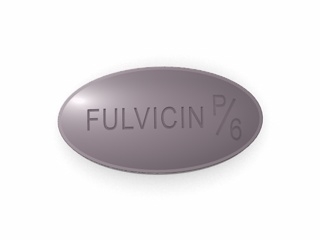
Fulvicin (Griseofulvin) – Patient Guide
Fulvicin (active ingredient: griseofulvin) is an antifungal medicine used to treat certain fungal infections of the skin, scalp, nails, and—less commonly—other body sites. This page explains how Fulvicin works, how it’s taken, interactions (including with food, alcohol, and other medicines), safety information, and practical tips to help you get the best results.
If you have questions about whether Fulvicin is suitable for you, speak to a healthcare professional. Always follow the instructions provided with your medicine.
Basic product information
| Property | Details |
|---|---|
| Brand name | Fulvicin |
| Generic name | Griseofulvin |
| Medicine type | Antifungal (systemic) |
| Common infection sites | Skin, scalp/hair, nails (depending on the fungus) |
| How it works | Prevents fungal cell division and growth |
| Typical course length | Varies by site and severity; weeks to months may be required |
What Fulvicin is used for
Fulvicin is generally used for dermatophyte fungal infections—fungi that commonly affect the skin, hair, and nails. The specific infection type and causative fungus determine whether griseofulvin is the best treatment.
Common indications
- Tinea capitis (fungal infection of the scalp)
- Tinea corporis (ringworm on the body)
- Tinea pedis (athlete’s foot) when systemic therapy is needed
- Tinea unguium (fungal nail infection, onychomycosis)
- Tinea barbae (fungus in the beard area)
- Other dermatophyte infections where an oral medicine is considered appropriate
Your clinician may request tests (such as skin scrapings) to confirm the fungus and guide the choice of medicine.
How Fulvicin works (mechanism of action)
Griseofulvin acts mainly by interfering with the fungal cell’s ability to divide. It binds to fungal microtubules, disrupting mitosis (cell division), which slows and eventually stops the growth of the fungus.
Over time, the infection resolves as new healthy skin, hair, or nail grows in and replaces areas previously affected by the fungus.
Pharmacokinetics (how the body handles it)
Understanding how your body absorbs and processes griseofulvin can help you take it correctly for best effect.
Absorption
- Griseofulvin absorption is typically improved when taken with food (especially meals containing fat).
- If you take it on an empty stomach, blood levels may be lower, which could reduce effectiveness.
Distribution
- It distributes to skin and other keratin-containing tissues (skin, hair, and nails), which is important for treating fungal infections in these areas.
Metabolism and elimination
- The medicine is metabolised in the liver.
- It is eliminated through the body’s normal clearance pathways (metabolites are excreted, primarily via the kidneys and/or bile).
Because metabolism involves the liver, people with liver disease may need extra caution and careful monitoring.
When to expect results (timing)
Antifungal treatment often takes time—particularly for scalp and nail infections. Improvement may be gradual and you may not see full clearance immediately.
Typical timeline
- Skin: some improvement may appear within 1–2 weeks, though complete resolution may take longer.
- Scalp: hair/scalp involvement often improves over several weeks.
- Nails: nails grow slowly; treatment commonly continues for months until healthy nail replaces the infected portion.
Even if you feel better, it’s important to complete the course if your healthcare professional advised it. Stopping early can lead to relapse.
Food and drink interactions
Food can affect how well griseofulvin absorbs. For many formulations, taking Fulvicin with or after a meal is recommended to improve absorption.
Practical food guidance
- Take your dose with food—ideally with a meal rather than a light snack.
- Try to keep dosing consistent (same time each day and with similar meals) to maintain steady absorption.
What to avoid or be cautious about
- Alcohol (see below) may increase the chance of stomach upset and can add stress on the liver.
- If you experience nausea, taking the tablet with a fuller meal may help.
Alcohol interactions
While griseofulvin is not always labelled with a strict “no alcohol” rule, using alcohol during treatment is generally not recommended because:
- Liver strain: both alcohol and some medicines can affect the liver.
- Increased side effects: alcohol may worsen dizziness, fatigue, or gastrointestinal upset.
If you drink alcohol, ask a healthcare professional for personalised advice—especially if you have any history of liver disease or abnormal liver blood tests.
Medicine interactions
Griseofulvin can interact with other medicines. These interactions may change drug levels, increase side effects, or reduce effectiveness. Always share your medication list with a pharmacist or clinician, including non-prescription products and herbal supplements.
Common interaction considerations
- Warfarin and other blood thinners: antifungal treatment may affect clotting control. Extra monitoring (e.g., INR checks) may be required.
- Oral contraceptives (“the pill”): certain antifungal medicines can reduce contraceptive effectiveness. Use additional contraception if advised.
- Some anti-epilepsy medicines: interactions can affect seizure control or antifungal levels.
- Other medicines affecting liver enzymes: griseofulvin may interact through liver metabolism pathways.
- Medicines that affect the immune system: infections and treatments may require careful coordination.
Because interaction profiles can vary by specific product, formulation, and your health situation, it’s best to ask a healthcare professional or pharmacist to check your exact combination.
Dosing and how to take Fulvicin
Dosing depends on the type of fungal infection, its severity, and—where relevant—age and body weight. Follow the instructions on your medicine label.
Typical adult dosing (general reference)
- For many dermatophyte infections, dosing is often once daily or multiple times daily depending on the formulation.
- The dose may be adjusted based on response and tolerance.
Children and adolescents
Children may receive doses based on weight. Only use dosing guidance provided by your healthcare professional, and ensure the correct formulation is used.
How to take it
- Take with food to support absorption (unless your clinician advises otherwise).
- Swallow whole with water unless the package leaflet instructs otherwise.
- Space doses evenly if you take it more than once per day.
- Do not miss doses: if you forget a dose, take it when you remember unless it’s close to the next dose—then skip and continue.
If you miss several doses or are unsure what to do, ask a pharmacist for advice.
Safety profile and side effects
Most people tolerate griseofulvin reasonably well, but side effects can occur. You should stop and seek medical advice promptly if you develop signs of a serious reaction.
Common side effects
- Headache
- Nausea or stomach discomfort
- Diarrhoea
- Dizziness or tiredness
- Skin reactions (rash may occur)
Less common but important risks
- Liver problems: symptoms may include yellowing of the skin/eyes (jaundice), dark urine, unusual tiredness, or persistent upper abdominal pain.
- Blood disorders: unusual bruising or bleeding, sore throat or fever may require urgent medical review.
- Severe skin reactions: blistering rash, peeling skin, or swelling of the face/lips is urgent.
When to seek urgent help
Seek urgent medical attention if you experience:
- Signs of severe allergic reaction (difficulty breathing, swelling of face/throat)
- Severe rash or blistering
- Jaundice (yellow skin/eyes), severe persistent vomiting, or severe abdominal pain
- Unexplained bruising/bleeding or high fever
Who should use extra caution?
- People with liver disease or a history of abnormal liver tests
- People with porphyria (a rare metabolic condition)
- People with blood disorders
- Those taking medicines known to interact with griseofulvin
Your healthcare professional may recommend blood tests during longer courses, especially if treatment is prolonged.
Practical tips for successful treatment
Antifungal medicines work best when combined with good hygiene and a “no re-infection” approach.
Infection control at home
- Keep the area clean and dry (especially for athlete’s foot).
- Change socks regularly; consider breathable footwear.
- Do not share towels, combs, or hair accessories.
- Wash bedding and clothing that contact the affected area as advised by your clinician.
- If treating scalp infections, follow local guidance to prevent spread among household contacts.
Nail infection care
- Trim nails when appropriate (avoid cutting too deep or injuring the nail bed).
- Consider a nail fungal plan: treatment may need to be long and consistent.
- If there is pain, thickened nail, or swelling, seek medical advice to exclude other causes.
Improve adherence
- Take the medicine at a consistent time each day.
- Use reminders (calendar/phone) if you’re on a long course.
- Keep notes of side effects to discuss with a pharmacist.
Alternative treatment options
Depending on the infection site and type of fungus, clinicians may recommend other antifungal medicines. The best option can differ for skin versus scalp versus nails.
Common alternatives to discuss
- Topical antifungals for limited or mild skin infections (e.g., creams/solutions for ringworm or athlete’s foot).
- Other oral antifungals sometimes used for dermatophyte infections or nail disease, depending on your medical history and fungus type.
- Shampoo or adjunct scalp treatments may be used alongside systemic therapy for scalp infections.
If Fulvicin isn’t suitable (for example due to interactions, intolerance, or liver concerns), ask your pharmacist or clinician about alternatives that match your diagnosis.
UK market and legal context (availability and pharmacy practice)
In the United Kingdom, availability of medicines depends on regulatory classification, licensed indications, and pharmacy supply requirements. Antifungal treatments may be supplied through community pharmacies, and decisions about suitability are based on your symptoms, medical history, and the product’s licensing.
For online pharmacy orders, products are typically supplied in line with UK safety and prescribing/dispensing rules, including checks to ensure the medicine is appropriate for the patient and that any interaction risks are reviewed.
The information here is patient-focused and does not replace professional advice.
Recent guidance and clinical considerations
Clinical management of fungal skin and nail infections in the UK commonly emphasises:
- Confirming diagnosis when possible (e.g., scraping, microscopy, or culture), because not all “fungal-looking” rashes are fungal.
- Choosing treatment based on site (skin vs scalp vs nails) and likely causative organism (often dermatophytes).
- Considering longer courses for nails, because nail clearance is slow and resistant organisms may require different strategies.
- Monitoring safety for systemic antifungals, especially with prolonged therapy.
Recommendations can evolve, so it’s wise to follow local NHS and antimicrobial stewardship principles and discuss the plan with a healthcare professional if you’re unsure.
Delivery, availability, and what to expect when ordering online
Availability can vary by formulation and stock levels. When ordering Fulvicin online, you can typically expect:
- Clear product details on the listing (strength, dosage form, and instructions).
- Packaging appropriate for safe delivery with clear labelling for use.
- Delivery options depending on your location and service level.
If you need your medicine quickly for an ongoing course, check the estimated delivery times shown at checkout and contact customer support if you need clarification.
FAQ
Is Fulvicin the same as griseofulvin?
Yes. Fulvicin is a brand name; the active ingredient is griseofulvin.
How long will I need to take it?
Treatment length depends on the infection site and severity. Skin infections may take weeks, while scalp and especially nail infections can require longer courses. Your healthcare professional will advise a specific duration for your situation.
Why do my symptoms take so long to improve?
For skin infections, improvement may occur relatively quickly. For scalp and nails, the fungus may be in deeper tissue or within the nail/hair structure. Healthy tissue must grow in, so progress can be slower.
Can I take Fulvicin with food?
In many cases, taking griseofulvin with or after food improves absorption. Follow the instructions given with your specific product.
What should I do if I miss a dose?
Take it when you remember unless it’s almost time for the next dose. Do not take a double dose. If you’re unsure, ask a pharmacist for advice.
Can I drink alcohol while taking Fulvicin?
Alcohol is generally discouraged because of potential liver strain and side-effect overlap. If you want to drink, discuss it with a healthcare professional—especially if you have liver problems or abnormal liver tests.
Does Fulvicin interact with the contraceptive pill?
Some antifungal medicines may affect hormonal contraceptives. It’s important to get advice from a pharmacist or clinician about whether extra contraception is needed while you’re taking griseofulvin.
Can Fulvicin be used for “any” fungal infection?
Fulvicin is mainly effective against dermatophyte fungi. Yeasts and other fungi may require different treatments. Accurate diagnosis matters—especially for persistent or worsening infections.
When should I contact a healthcare professional urgently?
Contact urgent medical help if you develop symptoms such as severe allergic reaction, blistering or widespread rash, breathing difficulties, or signs of liver problems (e.g., yellowing of the eyes/skin or dark urine).
What can I do to prevent the infection coming back?
Use hygiene measures (don’t share towels/comb/hats), keep affected areas dry, treat footwear if athlete’s foot is involved, and ensure household contacts are managed if advised by your clinician. Completing the full course is also crucial.
Summary
Fulvicin (griseofulvin) is a systemic antifungal used for certain dermatophyte infections, particularly those involving the scalp or nails where topical treatments may not be sufficient. It works by disrupting fungal cell division. For best results, take it with food as directed and be patient—fungal clearance can take weeks to months depending on the infection site. Because it is processed in the liver and may interact with other medicines, it’s important to review your medication list and monitor for side effects during longer courses.