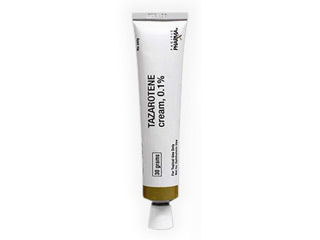
Tazarotene (Tazarotene) – Patient Guide (United Kingdom)
Tazarotene is a skin treatment used for certain inflammatory skin conditions and acne-related concerns. This guide explains how it works, how to use it safely, what to expect, and key safety information. It is written for people in the United Kingdom and reflects general clinical practice and commonly referenced regulatory guidance.
Important: Every person’s skin is different. Your prescriber/clinician’s advice, the specific product strength you have, and the instructions on the medicine pack should always come first.
Basic Product Information
- Active ingredient: Tazarotene
- Common dosage forms: Topical gel or cream (strengths may vary by product)
- How it works: Topical retinoid (a vitamin A–related medicine)
- Where it is used: Skin conditions such as plaque psoriasis, acne vulgaris, and other approved dermatology indications (depending on product licence in the UK)
- Typical application method: Apply as a thin layer to the affected area
What Is Tazarotene? (Overview)
Tazarotene is a topical retinoid. Retinoids affect how skin cells grow and mature. Many people notice early changes such as dryness or mild irritation before longer-term improvement.
Because tazarotene can be drying or irritating—especially at the start—most users benefit from a “slow build” approach (starting less frequently and increasing as tolerated).
Mechanism of Action
Tazarotene is converted in the skin into its active form and works by binding to retinoid receptors. Its main actions include:
- Normalising keratinisation: It can help regulate how skin cells renew and shed.
- Anti-inflammatory effects: It may reduce inflammatory signalling in skin.
- Reducing abnormal skin growth: In conditions such as plaque psoriasis, it can help improve the thickened, scaly appearance.
- Improving acne-related changes: It can help prevent clogged pores and reduce lesion formation over time.
Clinical note: Improvement is usually gradual. The skin’s turnover cycle means visible benefits can take weeks, and the most noticeable results may take longer.
Pharmacokinetics (How the Body Handles It)
Because tazarotene is applied to the skin, systemic absorption is generally low when used as directed. Key points include:
- Absorption: Typically limited through intact skin. Absorption can increase if treated skin is inflamed, broken, heavily diseased, or if large areas are treated.
- Metabolism: After absorption, it is metabolised mainly in the body to active/inactive metabolites.
- Elimination: Metabolites are eliminated predominantly via hepatic pathways and then through urine and/or bile (exact proportions can vary).
- Accumulation: Not expected with appropriate, limited topical use, but repeated high-coverage use may increase exposure.
Practical implication: Follow instructions on the pack and avoid applying to large areas or under occlusion unless your clinician advises otherwise.
Typical Use in the UK
In the UK, tazarotene topical products are used for approved dermatological conditions depending on the product’s licence and formulation. Commonly, it is used for:
- Plaque psoriasis (for areas of the skin affected by plaques, where a topical retinoid is appropriate)
- Acne vulgaris (to help reduce comedones and inflammatory lesions)
- Other approved uses may exist depending on strength and product registration
Not for: Eye area, inside the nose, inside the mouth, or on open wounds. Avoid applying to skin folds where irritation may be greater unless advised.
Timing: When and How Often to Apply
Tazarotene is usually used once daily, often in the evening. Many users start with a lower frequency to reduce irritation.
How to start (common practical approach)
- First 1–2 weeks: Apply every other night (or as advised)
- If well tolerated: Move to once nightly
- If irritation occurs: Pause, reduce frequency, moisturise, and restart more slowly
Tip: Applying at night can reduce visible irritation and minimise exposure to sunlight. Always use sun protection in daytime.
Dosing Guidance (General)
Dosing depends on the condition, the product strength, and the area being treated. As a general principle, use a thin layer over affected areas.
General dosing principles
- Amount: Use only a thin film—more is not better and can increase irritation.
- Coverage: Apply to affected skin, not unaffected areas unless advised.
- Frequency: Usually once daily; frequency may be adjusted based on tolerance.
- Duration: Continue for the length advised. If no benefit is seen after an adequate trial, review with a clinician.
Important: Always refer to the specific instructions on your product pack or clinician guidance for exact dosing.
Indications and Expected Results
Below are typical indications and what you may notice:
| Condition (UK use) | What tazarotene targets | Typical timeline to expect changes |
|---|---|---|
| Plaque psoriasis (topical use) | Thickened, scaly plaques; abnormal cell turnover; inflammation | Some improvement may appear after several weeks; full effect may take longer |
| Acne vulgaris | Clogged pores; comedones; inflammatory lesions over time | Early changes in texture may occur in a few weeks; clearer skin often takes 8–12 weeks (or more) |
| Other approved indications | Depends on the product licence and clinician assessment | Follow the specific regimen provided |
How to Use Tazarotene Safely (Practical Step-by-Step Tips)
Correct use helps reduce irritation and improves consistency.
Before applying
- Wash and dry: Clean the area with a gentle cleanser and pat dry.
- Wait before applying: Allow skin to dry fully to reduce stinging.
- Avoid irritation triggers: Don’t apply right after shaving, waxing, or after using harsh exfoliants.
Applying the medicine
- Use a thin layer: Apply to affected areas only.
- Hands: Wash hands after application unless your hands are treated.
- Avoid sensitive areas: Keep away from eyes, corners of the nose, lips, and any broken skin.
- Moisturise if needed: A moisturiser can reduce dryness (apply after tazarotene or as advised).
After applying
- Do not cover with occlusive dressings unless your clinician advises it.
- Be sun-safe: Use broad-spectrum sunscreen and protective clothing during the day.
If irritation occurs: Reduce frequency (e.g., every other night), use a gentle moisturiser, and give the skin time to recover. If severe burning, swelling, or blistering occurs, stop and seek medical advice urgently.
Food Interactions
Because tazarotene is a topical medicine, food interactions are not expected to be clinically significant. The main considerations are skin-based factors (sun exposure, moisturisers, and other topical products) rather than diet.
That said, if you take other medicines that affect the skin or immune system, discuss them with a healthcare professional.
Alcohol and Medicine Interactions
Alcohol
There is generally no direct interaction between alcohol and topical tazarotene because systemic absorption is typically low. However, alcohol can worsen dehydration and may indirectly affect skin dryness and irritation in some people.
Other medicines (topical and systemic)
Potential interaction issues are mainly with other skin treatments that can irritate or alter how your skin responds.
- Other retinoids: Avoid combining with other vitamin A–related products unless advised.
- Strong exfoliants/keratolytics: Products like scrubs, chemical peels, or strong acids may increase irritation.
- Oxidising agents or harsh cleansers: Can increase dryness or burning.
- Photosensitising products: Sun exposure may increase irritation; use sun protection.
Systemic medication: There are no widely expected direct systemic interactions from topical use, but always disclose all medicines and skincare products you use to a healthcare professional.
Safety Profile: Side Effects and Warnings
Like all medicines, tazarotene may cause side effects. Many are related to irritation of the skin.
Common side effects
- Skin dryness
- Redness
- Burning or stinging
- Peeling
- Itching
- Sensitivity or mild discomfort at the application site
Less common but more serious reactions
- Severe irritation, intense burning, blistering, or ulceration
- Swelling (face or treated area)
- Allergic-type reactions (e.g., widespread rash, significant swelling)
Seek urgent medical advice if you experience severe symptoms such as facial swelling, difficulty breathing, blistering, or widespread rash.
Who Should Use Extra Caution?
- Pregnancy and breastfeeding: Retinoids can be associated with risks during pregnancy. Do not use unless advised by a clinician. If you could become pregnant, discuss safe contraception and treatment options before starting.
- Children: Use depends on indication, product licence, and clinician advice.
- Very sensitive skin: Start slowly and moisturise.
- Skin barrier damage: Avoid application to broken skin unless directed.
Practical Use Tips (Making Treatment Easier)
- Moisturise strategically: A gentle moisturiser can reduce dryness. If you sting, consider moisturiser on “sandwich” nights (moisturiser–tazarotene–moisturiser) only if advised or if your clinician has approved this approach.
- Separate from harsh products: Avoid combining with strong cleansers, scrubs, and chemical exfoliants in the same routine.
- Start on small areas: If you are prone to irritation, ask a clinician about testing on a smaller patch first.
- Keep your routine simple: Fewer products often means fewer irritation triggers.
- Don’t stop at the first twinge: Mild dryness is common early on. If symptoms remain tolerable, you can usually manage with moisturisers and less frequent application.
- Sun protection is essential: Use SPF and minimise sun exposure on treated skin.
Alcohol and Skin: Additional Considerations
Even though alcohol does not typically interact directly with topical tazarotene, alcohol-related effects can influence how you feel and how your skin behaves:
- Dryness and irritation: Alcohol can contribute to dehydration, which may make dryness worse.
- Flushing: Some people notice more redness after alcohol, potentially making irritation look more prominent.
If you notice a clear pattern between alcohol intake and worsening skin reactions, consider reducing alcohol and improving moisturisation and sun protection.
Alternative Options (Depending on Your Condition)
If tazarotene is not suitable or you need a different approach, alternatives may include other topical treatments or combination regimens.
Common alternatives
- Other topical retinoids: Such as tretinoin or adapalene (depending on indication and availability)
- Topical corticosteroids (for psoriasis): Often used to control inflammation (guided by clinician advice)
- Vitamin D analogues (for psoriasis): Used to slow abnormal skin cell growth
- Topical antimicrobials (for acne): For bacterial contributions
- Benzoyl peroxide: Useful in acne regimens; may need timing adjustments to reduce irritation
- Salicylic acid and other keratolytics: For exfoliation and pore care (introduce carefully to avoid irritation)
Your best alternative depends on your diagnosis, skin sensitivity, current skincare routine, and whether you are using other acne or psoriasis treatments.
Market and Legal Context in the United Kingdom
In the UK, medicines are regulated by the Medicines and Healthcare products Regulatory Agency (MHRA) and healthcare products must be supplied in line with licensing, safety reporting requirements, and appropriate pharmacy standards.
Topical dermatology medicines like tazarotene may be subject to prescribing rules or supply pathways depending on product licence, strength, and the indication. Availability can vary between brands and formulations.
Patient safety: Reliable online pharmacy services should provide accurate product information, clear instructions for use, and guidance on side effects and when to seek medical help.
Recent Guidance and Ongoing Safety Considerations (General)
While specific guidance can evolve, general current dermatology principles for topical retinoids commonly include:
- Individual tolerance matters: Gradual initiation helps reduce irritation.
- Barrier support: Moisturisers and gentle cleansing are recommended to reduce dryness.
- Sun avoidance and sunscreen: Treated skin can become more reactive.
- Clear safety messaging: Patients should be counselled on red flags (severe irritation, allergic reactions) and appropriate use areas.
- Pregnancy risk awareness: Guidance around retinoid use remains a key safety topic for patients of childbearing potential.
If you have concerns about safety for your circumstances, speak to a healthcare professional.
Delivery and Availability (UK Online Pharmacy)
Availability depends on the specific product strength and formulation registered in the UK. Online pharmacies may offer:
- Home delivery (typically using tracked courier services)
- Standard and express delivery options (delivery times vary by location and stock levels)
- Secure packaging to protect product integrity during transit
Stock status: Some strengths or formulations may sell out. If you do not see your preferred option, customer support can usually advise on alternatives with similar suitability.
FAQ: Frequently Asked Questions
1) How long does it take for tazarotene to work?
For acne, noticeable improvement often takes 8–12 weeks. For plaque psoriasis, changes may take several weeks and may continue improving with continued treatment as advised.
2) Will my skin get worse before it gets better?
Some users experience increased dryness, redness, or mild worsening early on (often called an “adjustment period”). Using a slower start and moisturiser can help.
3) Can I use tazarotene with moisturiser?
Yes, moisturiser is commonly used to reduce dryness. If you are stinging, consider applying moisturiser after tazarotene or adjust timing based on your skin’s response. Avoid harsh moisturisers/fragrances if you’re sensitive.
4) Should I apply tazarotene after washing my face?
Yes, but ensure skin is fully dry before application to reduce stinging.
5) Can I go in the sun while using tazarotene?
Try to minimise sun exposure on treated areas. Use broad-spectrum sunscreen and protective clothing. If you burn easily, be especially careful.
6) Can I drink alcohol while using tazarotene?
There is generally no direct interaction with topical tazarotene. However, alcohol may worsen dryness or redness in some people, so monitor your skin response.
7) What should I do if I get severe redness or burning?
Stop treatment and seek advice urgently if you have severe symptoms such as blistering, swelling, or a widespread rash. For milder irritation, reduce frequency and moisturise; contact a clinician if symptoms persist.
8) Can tazarotene be used on the face and around the mouth?
It should be applied according to your condition and the product’s instructions. Avoid the eye area and be cautious around the corners of the nose and mouth, as these areas are more prone to irritation.
9) Is tazarotene safe for everyone?
No medicine is suitable for everyone. Extra caution is needed for pregnancy and breastfeeding, for people with sensitive skin, and for those using other irritant skincare products. Always review your situation with a healthcare professional.
10) Are there alternatives if I can’t tolerate it?
Yes. Depending on your condition, other topical options may include different retinoids, anti-inflammatory treatments for psoriasis, and acne combinations. A clinician can help match the best option to your skin type and severity.
When to Seek Help
Contact a healthcare professional promptly if you develop severe irritation, signs of allergy (swelling, extensive rash), blistering, or if you have concerns about use in pregnancy/trying to conceive. Also seek advice if there is no improvement after an appropriate trial period or if symptoms worsen significantly.
Disclaimer: This information is for general educational purposes and does not replace personal medical advice. Always follow the instructions supplied with your specific tazarotene product and seek professional advice for your individual situation.