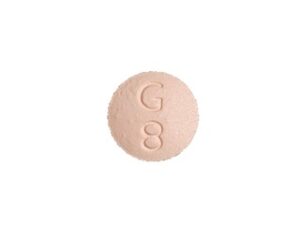
Exelon (Rivastigmine Tartrate) – Patient-Friendly Guide (UK)
Exelon is a medicine containing rivastigmine tartrate, used to treat certain symptoms of Alzheimer’s disease and Parkinson’s disease dementia. It works by supporting brain signalling involved in memory and thinking.
This page explains what Exelon is, how it works, when and how it is taken, important safety information, common interactions, and practical tips—written for people in the United Kingdom.
Basic product information
- Active ingredient: Rivastigmine tartrate
- Brand name: Exelon
- What it’s used for: Symptoms of dementia in Alzheimer’s disease and Parkinson’s disease dementia
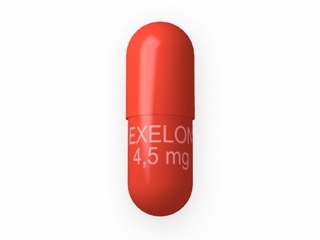
- Typical forms (UK): Oral capsules and transdermal patches are commonly available
Different formulations behave slightly differently. Timing, how you titrate (gradually increase the dose), and how side effects may feel can vary between capsules and patches. Always follow the instructions given for your specific product.
How Exelon works (mechanism of action)
Exelon (rivastigmine) is a cholinesterase inhibitor. It increases levels of acetylcholine in the brain by slowing the breakdown of chemicals that support nerve-to-nerve communication.
Specifically, rivastigmine inhibits the enzymes acetylcholinesterase and butyrylcholinesterase. In conditions like Alzheimer’s disease and Parkinson’s disease dementia, these pathways are reduced, contributing to memory and thinking difficulties.
What it may help with
Exelon does not “cure” dementia, but it can help improve or stabilise symptoms for some people. Effects vary between individuals, and it may take time to notice benefits.
- Memory and thinking difficulties
- Everyday function and ability to cope
- Behavioural symptoms in some cases
Pharmacokinetics (how the body handles it)
Pharmacokinetics describes how the body absorbs, processes, and clears a medicine. Rivastigmine is processed differently depending on the formulation.
Oral capsules
- Absorption: Absorbed from the gastrointestinal tract.
- Onset: Effects are not immediate; symptom changes are typically assessed over weeks.
- Metabolism: Primarily metabolised in the body; it forms metabolites that are cleared.
- Elimination: Cleared by the body through metabolic pathways, with metabolites excreted mainly via urine.
Transdermal patches
- Absorption: Delivered steadily through the skin.
- Onset: Typically steadier, with fewer peaks and troughs compared with capsules.
- Metabolism and elimination: Similar overall metabolic principles, with clearance after systemic absorption.
Your prescriber and pharmacist will advise which formulation is most suitable, based on tolerability, side effects, and practical considerations (for example, swallowing difficulty or adherence support).
Typical use in the UK
Exelon is used in clinical practice across the UK for dementia syndromes associated with:
- Alzheimer’s disease (for symptoms of mild to moderate dementia; in some situations may be continued as disease progresses)
- Parkinson’s disease dementia (for symptoms of dementia related to Parkinson’s disease)
Indications (who it is for)
In the UK, Exelon is indicated for the treatment of dementia due to Alzheimer’s disease and dementia in Parkinson’s disease. Your diagnosis and severity guide whether Exelon is appropriate.
Dosing: how Exelon is usually started and adjusted
Dosing is individual and depends on tolerance. Doctors commonly use a gradual dose escalation to reduce side effects (especially nausea, vomiting, and appetite changes).
General principles (capsules)
- Start with a low dose
- Increase step-by-step at intervals if tolerated
- If side effects occur, dose may be reduced or paused before continuing
General principles (patches)
- Start with the lowest patch strength
- Increase at intervals if tolerated
- Follow patch rotation and site selection to prevent skin reactions
Important: Always use the dose and schedule specified for your product (capsules vs patch), and do not switch formulation without professional advice.
When to take Exelon (timing guidance)
Timing can affect how well you tolerate the medicine. Many people experience fewer stomach-related side effects when taking Exelon with food.
Oral capsules
- Often taken with meals to improve tolerability
- Split dosing is common (for example morning and evening), depending on the prescribed regimen
Transdermal patches
- Apply the patch to clean, dry skin and typically change it once daily
- Choose different patch sites (rotate areas) to reduce irritation
- If a patch falls off or is removed, contact your pharmacist for advice on what to do
If you miss a dose: Guidance can vary by formulation and timing. Check the patient information leaflet for your specific product, or ask your pharmacist for advice.
Food interactions (what to know)
Oral capsules: Taking rivastigmine with food may help reduce gastrointestinal side effects such as nausea and vomiting. Some people also find appetite changes are easier to manage with regular meals.
Transdermal patches: Food does not directly affect patch absorption, but overall tolerability can still be influenced by your general health and eating patterns.
Practical tips for meals
- Eat smaller, more frequent meals if nausea occurs.
- Stay hydrated, especially if vomiting or reduced intake occurs.
- Report persistent loss of appetite or weight loss to a healthcare professional.
Alcohol and medicine interactions
Alcohol can worsen symptoms in dementia and may increase dizziness or drowsiness, depending on the person and other medicines. Rivastigmine can also affect the digestive system and may lead to faintness in some people.
While there is no single “universal” rule, it is generally sensible to:
- Limit alcohol and avoid binge drinking.
- Be cautious if you notice dizziness, weakness, or stomach upset after drinking.
- Tell your healthcare professional about regular alcohol use, especially if you take other medications affecting heart rhythm, blood pressure, or the stomach.
Medication interactions (including key categories)
Exelon can interact with other medicines because of its effect on the nervous system and because it may influence heart rate, blood pressure, and gastrointestinal function. Always keep your healthcare team informed of all medicines, including over-the-counter products and supplements.
Common interaction considerations
- Other medicines with cholinergic or anticholinergic activity: Effects can oppose each other. Your clinician/pharmacist will advise.
- Medicines that slow the heart rate (bradycardia): Caution may be needed, particularly if you take drugs that already lower heart rate.
- Medicines affecting digestion: If you take anti-nausea or stomach medicines, your pharmacist will advise on timing and appropriateness.
- Medicines for Alzheimer’s or dementia: There may be considerations if you’re also using other cognitive enhancers.
Heart rhythm concerns: Any history of fainting, slow pulse, or heart block should be discussed with your healthcare professional. This is especially important if you use medicines that affect cardiac conduction.
Safety profile: side effects and when to seek help
Like all medicines, Exelon can cause side effects. Many people experience mild or moderate effects when starting or increasing the dose, and some symptoms settle after stabilisation.
Common side effects
- Nausea
- Vomiting
- Diarrhoea or changes in bowel habits
- Loss of appetite
- Dizziness
- Headache
- Fatigue
Skin reactions (patches)
- Redness, itching, swelling, or rash at the patch site
- Rotate patch sites; avoid applying to irritated or broken skin
Less common but serious symptoms
Seek urgent medical attention (or call emergency services) if you experience any signs of a serious reaction, such as:
- Severe or persistent vomiting, leading to dehydration
- Fainting, marked dizziness, or very slow heart rate
- Allergic reaction (e.g., swelling of the face/lips, difficulty breathing, widespread rash)
- Blackouts or severe confusion beyond your usual baseline
Who should take extra care
- People with stomach ulcers or a history of significant gastric problems
- People with heart rhythm disorders, slow pulse, or frequent fainting
- People with difficulty eating or a history of weight loss
- People with asthma or conditions that may worsen with cholinergic effects
Practical use tips (making Exelon easier to take)
Tips for capsules
- Take with food if advised or if it helps your stomach.
- Stay consistent with dosing times to support steadier tolerability.
- Track side effects during dose increases; inform your pharmacist/clinician promptly.
- If nausea occurs, try bland foods and small meals; hydration is key.
Tips for patches
- Apply to clean, dry, hairless skin (avoid shaving immediately before application unless advised).
- Choose a different area each day (rotation).
- Wash hands after handling the patch.
- Dispose of used patches safely (as instructed in the patient information leaflet).
- Avoid exposing the patch to excessive heat (e.g., heat pads, saunas) unless instructed otherwise.
Adherence support
Dementia care often involves carers and routines. Consider using:
- Medication reminders (pill organiser, alarms)
- Clear schedules on the wall or in a care plan
- Regular review of side effects and benefits with your healthcare team
Alternative options (if Exelon isn’t suitable)
Depending on your diagnosis, severity, and tolerability, clinicians may consider other medicines for dementia. Examples (not an exhaustive list) may include:
- Other cholinesterase inhibitors used for Alzheimer’s disease (for example, donepezil or galantamine, where appropriate)
- Memantine for certain stages of dementia (often in combination with a cholinesterase inhibitor in some cases)
- Non-medicine support such as cognitive stimulation therapy, structured routines, and caregiver support
If side effects are difficult to manage or there is no expected benefit, your healthcare professional may adjust the dose, switch formulation, or consider alternatives.
Market and legal context for the UK
In the UK, Exelon (rivastigmine) is regulated under medicines legislation and is supplied through licensed channels. Availability may vary by formulation and strength due to manufacturing schedules and supply conditions.
Pharmaceutical safety information and product updates are communicated through official channels, including:
- UK regulatory updates (for example, safety communications and licence variations)
- Advice from healthcare professionals
- Patient information leaflets and updated product summaries
Recent guidance and monitoring (what to expect)
Treatment with rivastigmine is usually reviewed regularly. Clinicians often monitor:
- Benefit vs. side effects
- Weight, appetite, hydration
- Gastrointestinal tolerability (nausea/vomiting/diarrhoea)
- Falls and dizziness
- For patches, skin integrity at application sites
If new symptoms appear after starting or increasing the dose, contact a pharmacist or healthcare professional for advice.
Delivery and availability
Exelon may be available in the UK as capsules and/or transdermal patches depending on stock levels. Delivery availability, pricing, and the exact pack sizes can differ between online pharmacy providers.
- Stock can change: If your preferred strength is out of stock, ask whether an equivalent pack size or formulation is available.
- Check formulation: Capsules and patches are not interchangeable on a one-to-one basis.
- Storage: Store medicines as directed on the packaging and keep out of sight and reach of children.
Safety checklist before you start (or when you restart)
- Tell your pharmacist/clinician about all current medicines including herbal remedies and over-the-counter products.
- Share any history of fainting, slow pulse, or heart problems.
- Discuss a history of stomach ulcers or significant digestive issues.
- For patches: mention any history of sensitive skin or frequent rashes.
- Confirm which formulation you have (capsules vs patch) and the intended schedule.
Comparison table: capsules vs patches (quick overview)
| Feature | Exelon capsules (oral) | Exelon patches (transdermal) |
|---|---|---|
| How it’s taken | Swallowed with water, often with meals | Applied to skin once daily (site rotation required) |
| Timing | Follow the prescribed dosing times (e.g., morning/evening depending on regimen) | Change at the same time each day |
| Common early side effects | Nausea, vomiting, diarrhoea, reduced appetite | Nausea and appetite changes can still occur; skin irritation may occur at patch site |
| Skin considerations | N/A | Redness/itching/rash at the application site can occur; rotate sites |
| Missing a dose | Advice depends on timing—check product leaflet/pharmacist guidance | If a patch falls off or is missed, seek guidance before applying a new one |
FAQ – Frequently asked questions
1. What is Exelon used for?
Exelon (rivastigmine) is used to treat symptoms of dementia in people with: Alzheimer’s disease and Parkinson’s disease dementia.
2. How long does it take to work?
Some people notice changes gradually. Reviews of effectiveness are typically done over weeks to months, especially after dose increases. If there is no benefit or side effects are difficult to manage, your healthcare professional may review the plan.
3. Should I take Exelon with food?
For capsules, taking with food may help reduce nausea and vomiting for many people. For patches, food is not directly relevant to absorption, but maintaining regular meals can help manage appetite changes.
4. Can I drink alcohol while taking Exelon?
Alcohol may worsen confusion and increase dizziness or stomach upset. It’s generally advisable to limit alcohol and discuss your situation with a healthcare professional, especially if you notice symptoms after drinking.
5. What should I do if I miss a dose?
Guidance depends on whether you are using capsules or a patch and how close it is to the next dose. Check the patient information leaflet for your exact product, or speak to a pharmacist for tailored advice.
6. What side effects are most common?
The most common side effects include nausea, vomiting, diarrhoea, loss of appetite, and dizziness. Patches can also cause skin reactions at the application site.
7. When should I seek urgent help?
Seek urgent medical attention if you experience signs of a severe allergic reaction, fainting, persistent severe vomiting causing dehydration, or severe symptoms that worry you.
8. Can I stop Exelon suddenly?
Do not stop without advice from a healthcare professional. Stopping suddenly may lead to worsening symptoms in some people. If side effects are problematic, a clinician may reduce the dose or adjust the schedule.
9. Is Exelon safe for everyone?
Not everyone can take rivastigmine. Extra caution may be needed for people with heart rhythm problems, stomach ulcer history, asthma, or sensitivity to patch materials. A pharmacist or clinician can advise based on your medical history.
10. Are capsules and patches the same?
They contain the same active ingredient (rivastigmine) but delivery through the body differs. They are not interchangeable on a simple strength-for-strength basis, so switching should be guided by healthcare professionals.
Key reminders
- Exelon supports brain signalling by increasing acetylcholine through inhibition of cholinesterase enzymes.
- Start low and increase gradually—side effects are often strongest at the beginning or after dose increases.
- Take capsules with food if it helps; use patches with proper site rotation and skin care.
- Monitor for dizziness, appetite loss, and gastrointestinal symptoms; report persistent problems.
- Follow formulation-specific instructions, especially for missed doses and patch handling.
Disclaimer: This information is intended for general education and does not replace advice from a healthcare professional. If you have concerns about side effects, interactions, or whether Exelon is suitable for you, speak to your pharmacist or clinician.