

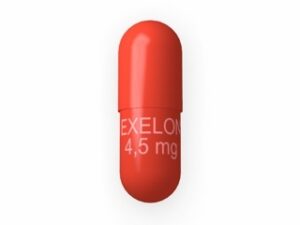
Donepezil (Donepezil hydrochloride) – Patient Information
Donepezil is a medicine used to treat symptoms of certain types of memory loss. It works by supporting communication between nerve cells in the brain, which may help improve or slow the decline of thinking and memory abilities for some people.
This page explains how Donepezil works, how it is typically taken, key safety points, and practical guidance for day-to-day use in the United Kingdom.
Quick overview
- Common name: Donepezil
- Also known as: Donepezil hydrochloride
- Medicinal class: Cholinesterase inhibitor
- Used for: Alzheimer’s disease (mild to moderate, and sometimes severe depending on local guidance)
- How it’s taken: Usually once daily by mouth
- Forms: Tablets (including strengths such as 5 mg and 10 mg); some presentations may include orally disintegrating tablets in certain markets
How Donepezil works (mechanism of action)
Donepezil is a cholinesterase inhibitor. In the brain, nerve cells communicate using a chemical called acetylcholine. Acetylcholine is broken down by an enzyme called acetylcholinesterase.
Donepezil reversibly blocks this enzyme, which can lead to higher acetylcholine levels in brain pathways involved in thinking, memory, and attention.
Important: Donepezil does not cure Alzheimer’s disease. It aims to improve symptoms or slow worsening for a period in some people.
Pharmacokinetics (what happens in the body)
Understanding how the body handles Donepezil can help explain timing and side effects.
- Absorption: Donepezil is absorbed after oral dosing. After taking a dose, blood levels typically peak within about 3–4 hours (for most tablet formulations).
- Distribution: It is widely distributed throughout the body, including the central nervous system.
- Metabolism: Donepezil is mainly broken down in the liver by enzymes including CYP2D6 and CYP3A4.
- Elimination: Donepezil is cleared from the body gradually. The half-life is long, roughly about 70 hours (so effects can last beyond one day).
- Steady state: Because of its long half-life, consistent daily dosing leads to stable blood levels after about several weeks.
Typical use in the UK
In the UK, Donepezil is used to help manage symptoms of Alzheimer’s disease. It may be prescribed for people with:
- Mild to moderate Alzheimer’s disease
- Severe Alzheimer’s disease in some circumstances, depending on clinical assessment and local practice
Response varies. Some people notice improvements in attention, memory-related tasks, or daily functioning; others may have more modest benefits. Clinicians typically review benefits periodically.
When and how to take Donepezil
Timing
Donepezil is usually taken once daily. Many people are advised to take it in the evening (often just before bedtime) because side effects like nausea, dizziness, or vivid dreams may be easier to manage if taken at night.
How to take it
- Take your dose with a glass of water.
- Try to take it at the same time each day.
- If you miss a dose, follow local instructions from your prescriber/pharmacist or the product label. In general, a missed dose is often skipped and the next dose taken at the usual time—do not double up without guidance.
- Do not stop suddenly without advice, as symptoms may worsen.
Dose escalation (typical approach)
Many patients start with a lower dose to reduce side effects, then the dose may be increased depending on tolerance and clinical response. A common pattern is:
| Stage | Typical dose pattern | Why it may be used |
|---|---|---|
| Initial treatment | Often 5 mg once daily | Helps the body adjust and may reduce early side effects |
| After assessment | Often 10 mg once daily | May provide further symptom benefit if tolerated |
Note: Individual dosing varies. Your dose and duration should follow the instructions provided with your specific medicine and by your healthcare team.
Food and drink interactions
Food effect: Donepezil can generally be taken with or without food. Food is unlikely to cause clinically significant changes in absorption.
Practical tip: If you experience nausea or indigestion, taking Donepezil with a light meal or in the evening may make it easier to tolerate (unless your local instructions differ for your specific product).
Alcohol and medicine interactions
Alcohol
Alcohol may worsen some symptoms associated with cognitive impairment and may increase the risk of dizziness or falls. While there is not always a direct “chemical” interaction between Donepezil and alcohol, combining Donepezil with alcohol is generally not recommended due to increased side-effect concerns.
- Safety: Alcohol can increase drowsiness, light-headedness, and unsteadiness.
- Night dosing: If you take Donepezil at bedtime, alcohol can further affect sleep patterns and alertness.
Other medicine interactions
Because Donepezil can increase acetylcholine signalling, it may interact with medicines that also affect the cholinergic system, heart rhythm, or metabolism in the liver.
Key categories to discuss with a healthcare professional:
- Other cholinesterase inhibitors and anticholinergic drugs (may oppose effects)
- Medicines that slow the heart rate (e.g., some beta-blockers or certain rhythm medicines) – may increase risk of bradycardia
- Medicines used for heart rhythm or drugs associated with QT prolongation – may increase rhythm-related risks
- Non-steroidal anti-inflammatory drugs (NSAIDs) (no direct major interaction is typical, but gastrointestinal side effects can overlap in sensitive individuals)
- Antidepressants and antifungals that affect liver enzymes (for example, inhibitors of CYP enzymes may raise Donepezil levels)
- Anticonvulsants that induce liver enzymes may reduce Donepezil levels
Always check: Provide a current list of medicines, including over-the-counter products and herbal remedies, to your pharmacist or prescriber.
Indications (when Donepezil is used)
Donepezil is indicated for the management of symptoms in people with Alzheimer’s disease. Specific eligibility (mild, moderate, or severe) can depend on local clinical protocols and assessment of the person’s condition.
Donepezil is not generally used to treat memory problems caused by other conditions unless specifically advised by a clinician.
Dosing information (what is usually recommended)
Donepezil dosing depends on the person’s condition, tolerance, and clinical assessment.
Common dosing approach
- Start low: Often 5 mg once daily to improve tolerability.
- Titrate if needed: If tolerated, the dose may be increased to 10 mg once daily.
- Long-term review: Clinicians review benefit regularly and consider ongoing treatment based on response and side effects.
Special populations
Dose adjustments may be required in certain situations:
- Liver impairment: People with significant liver problems may need closer monitoring.
- Kidney impairment: Donepezil is primarily metabolised in the liver; dosing may still be possible without major changes, but monitoring is sensible.
- Older adults: Often tolerate therapy, but side effects (such as dizziness, sleep changes, or falls) must be watched carefully.
Safety profile and side effects
As with all medicines, Donepezil can cause side effects. Not everyone gets them, and many are dose-related or improve after the first few weeks.
Common side effects
- Nausea
- Diarrhoea
- Vomiting
- Loss of appetite and weight loss in some people
- Muscle cramps
- Fatigue or weakness
- Dizziness
- Sleep disturbances, including vivid dreams
- Headache
Less common but important risks
- Slow heart rate (bradycardia) or fainting
- Heart rhythm problems in some circumstances
- Fainting or falls, especially at treatment start or after dose increases
- Gastrointestinal bleeding risk may be higher in vulnerable individuals, particularly if combined with certain medicines
- Seizures in susceptible people
When to seek urgent medical help
Get urgent advice if you or the person taking Donepezil experiences:
- Fainting, severe dizziness, or symptoms of very slow heartbeat
- Severe vomiting, black/tarry stools, or signs of significant bleeding
- Severe allergic reaction (e.g., swelling of face/lips, breathing difficulty, widespread rash)
- New or worsening confusion that is sudden or severe
Practical tips for taking Donepezil
- Start-up strategy: Early side effects are common. If nausea or dizziness occurs, taking it in the evening and reporting issues promptly can help.
- Hydration and meals: If appetite is reduced or stomach upset occurs, try smaller meals and ensure fluid intake.
- Fall prevention: Be extra careful standing up quickly, particularly during the first weeks and after any dose increase.
- Monitor sleep changes: Vivid dreams or restlessness may happen. Tell your pharmacist/clinician if sleep is significantly affected.
- Track effectiveness: Keeping simple notes about daily functioning, appetite, and any side effects can support reviews with the healthcare team.
- Medication review: If new medicines are started (including antibiotics, antifungals, antidepressants, or heart medicines), ask about interaction risks.
Alternative options
Depending on the person’s diagnosis, severity, and overall health, clinicians may consider other treatments for Alzheimer’s-related symptoms. Options may include:
- Other cholinesterase inhibitors: e.g., rivastigmine or galantamine
- Memantine: an option for moderate to severe Alzheimer’s disease, or sometimes used in combination depending on local practice
- Non-pharmacological support: cognitive stimulation, structured routines, hearing/vision support, and caregiver strategies
Choice of alternative depends on symptom pattern, side-effect tolerance, comorbidities (such as heart rate problems), and preferences.
Market and legal context in the United Kingdom
In the UK, Donepezil is regulated under national medicines legislation and is supplied according to pharmacy and prescribing rules. Medicines are authorised by the Medicines and Healthcare products Regulatory Agency (MHRA) and information is kept in line with the Summary of Product Characteristics (SmPC) and patient-facing leaflets.
Clinical use for Alzheimer’s disease also aligns with wider healthcare pathways, including NICE-related assessments of medicines where applicable and ongoing review of evidence and safety updates.
Medicines safety updates: Like other prescription medicines, product information and warnings can change over time as more evidence becomes available. Always refer to the package leaflet supplied with your specific medicine and check for updates through reputable sources.
Recent guidance and reviewing treatment
While guidance can vary by local services, UK clinical practice typically includes:
- Baseline assessment before starting or changing treatment, including a review of comorbidities and current medicines.
- Regular follow-up to assess benefit and adverse effects, particularly during dose changes.
- Monitoring for tolerability: heart rate, gastrointestinal symptoms, appetite/weight, sleep disruption, dizziness, and fall risk.
- Review of ongoing need: if side effects outweigh benefits, or if there is no meaningful improvement or stabilisation, clinicians may reconsider therapy.
Because Donepezil’s half-life is long, side effects can persist for some time even after changes. This is part of why follow-up and monitoring are important.
Delivery and availability (online pharmacy)
Availability can vary depending on the specific strength and formulation (for example, 5 mg vs 10 mg, and different tablet types if applicable). Most UK online pharmacies can:
- Confirm stock status and expected dispatch times
- Deliver to eligible UK addresses
- Provide tracking details where offered
Delivery times: delivery schedules depend on the pharmacy’s warehouse and courier service. Check the delivery options shown during checkout for the most accurate estimate.
Package handling: Store tablets in line with label instructions (usually at room temperature, protected from moisture). Keep out of sight and reach of children.
FAQ
1) Is Donepezil used for memory support in all types of dementia?
Donepezil is primarily used for symptoms of Alzheimer’s disease. Other dementia types may require different approaches. A clinician can help determine the most appropriate treatment for the specific diagnosis.
2) What is the best time of day to take Donepezil?
Many people take it in the evening. This can help reduce the impact of side effects such as nausea or vivid dreams. Follow the instructions you have been given for your specific product.
3) Can I take Donepezil with food?
Yes—Donepezil can generally be taken with or without food. If stomach upset happens, taking it with a light meal may help.
4) What should I do if I miss a dose?
In many situations, you should skip the missed dose and take the next dose at the usual time. However, the safest advice depends on how many doses were missed and your treatment plan. Check your medicine’s leaflet or contact a pharmacist for personalised guidance.
5) Will Donepezil make me feel worse at first?
Some people experience early side effects (such as nausea, diarrhoea, dizziness, or sleep changes), especially when starting treatment or after increasing the dose. These often improve as the body adjusts. If symptoms are severe or persistent, seek advice promptly.
6) Can I drink alcohol while taking Donepezil?
It’s generally best to limit or avoid alcohol. Alcohol may increase dizziness, unsteadiness, and sleep disruption, which can raise fall risk—particularly in people already prone to these issues.
7) Are there medicines I should avoid with Donepezil?
Donepezil may interact with medicines that affect the heart rate/rhythm, medicines with anticholinergic effects, and medicines that influence liver enzymes. Always provide a full list of medicines and supplements to your pharmacist for a interaction check.
8) How long does it take to see if it’s working?
Some people and caregivers notice changes within weeks, but it can take time to judge overall benefit. Clinical reviews often occur after a sufficient period to evaluate tolerability and symptom response.
9) What are the most serious side effects to watch for?
Seek urgent advice for fainting, severe dizziness, signs of bleeding (such as black/tarry stools), severe vomiting, or symptoms of an allergic reaction.
10) What if Donepezil doesn’t help?
If there is little benefit or side effects are difficult to manage, a clinician may consider alternative treatments or adjustments to the plan. Treatment decisions are typically based on overall condition, safety, and quality of life.
Remember
Donepezil is intended to help manage symptoms of Alzheimer’s disease. If you notice side effects—especially dizziness, appetite changes, gastrointestinal upset, or heart-related symptoms—contact a healthcare professional for advice. Regular follow-up helps ensure the medicine remains both safe and useful for the person taking it.