Xylocaine (Lidocaine) — Patient Information for the UK
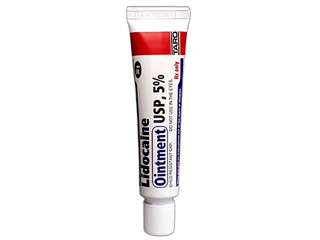
Xylocaine is the brand name for lidocaine, a local anaesthetic used to numb a specific area of the body. It can be found in different forms (for example, gels, sprays, and injections), and each form may be used for slightly different purposes.
This page explains how Xylocaine works, what it is used for, how long it takes to act, important safety information, and practical tips to help you use it more confidently. If you are unsure which Xylocaine product you have, check the label or packaging and follow the instructions provided with your medicine.
Key product information
| Item | What you should know |
|---|---|
| Active ingredient | Lidocaine |
| Brand name | Xylocaine |
| Medicine type | Local anaesthetic |
| Common forms | Gel, spray, injection (varies by product) |
| Main effect | Numbs nerves in the area of application |
| Onset | Often minutes (depends on form and area) |
| Duration | Varies by form, dose, and site |
How Xylocaine works (mechanism of action)
Lidocaine blocks voltage-gated sodium channels on nerve cells. When these channels are blocked, nerve signals cannot travel as effectively. As a result:
- Sensation in the treated area decreases (pain, touch, and sometimes temperature sensation).
- There is temporary numbness rather than permanent damage.
The medicine works locally at the site where it is applied or injected. How quickly it starts and how long the numbness lasts depends on the product strength, the site of use, and the amount applied.
Pharmacokinetics (how the body handles lidocaine)
Pharmacokinetics describes what the body does with a medicine—how it is absorbed, distributed, metabolised, and eliminated.
- Absorption: Absorption can vary widely by form and site. For example, some mucosal surfaces (such as in the mouth) may allow faster absorption than intact skin.
- Distribution: Lidocaine can distribute through the body after absorption. Higher doses or application to larger areas increase systemic exposure.
- Metabolism: Lidocaine is mainly broken down in the liver (metabolised to other compounds).
- Elimination: Metabolites are primarily removed via the kidneys (urine).
- Effect of liver function: Because metabolism is largely hepatic, people with liver impairment may experience higher levels for longer.
Systemic side effects (effects on the whole body) are uncommon when used correctly at recommended doses, but they can occur if too much is used or if it is applied to a sensitive/highly absorbent area.
Typical uses in the UK
Xylocaine is used to produce local anaesthesia, meaning it numbs a specific area and helps reduce discomfort during procedures or minor conditions. Common uses include:
- Minor procedures where local numbness is required (depending on product type).
- Dental and oral discomfort (for gels or sprays intended for oral use).
- Skin or wound-related procedures (gel applied to the area may reduce pain).
- Medical procedures where anaesthesia of a targeted area is needed (often injection forms, which are typically administered by trained professionals).
- Symptomatic relief for conditions such as painful surfaces—subject to the intended indication of the specific formulation.
The exact indication depends on the specific Xylocaine product and its licence details. Always follow the instructions included with your particular formulation.
When does Xylocaine start working? (timing)
Timing depends on where it is used and which form you have:
- Gels and sprays: typically start working within minutes. The onset can be faster on mucosal areas (for example, inside the mouth) than on thicker skin.
- Injections: onset is generally rapid, often within minutes, but timing varies based on technique and site.
- Duration: the period of numbness can be shorter or longer depending on dose, site, and whether certain additives are present in the product.
If numbness does not occur within the expected time or feels inadequate for your planned procedure, do not “top up” without checking instructions. Incorrect dosing can increase risk.
Food interactions
Lidocaine itself does not have a common “food interaction” in the way some medicines do. However, food and drink can indirectly affect safety and effectiveness, especially when Xylocaine is used in the mouth or throat area:
- Eating and drinking: If your mouth or throat is numb, you may not feel irritation or biting. This increases the risk of choking, bites, or burns from hot food and drinks.
- Timing with meals: Consider waiting until numbness has mostly worn off before eating, particularly with products affecting the mouth/throat.
- Alcohol-containing foods: While not a direct interaction, combining reduced sensation with alcohol can increase risk (for example, accidental injury due to numbness).
If you tell us which form you are using (gel, spray, or other), we can help describe practical guidance relevant to that route.
Alcohol interactions
Alcohol can increase the likelihood of certain side effects, particularly if lidocaine levels become too high or if you are already drowsy or unwell. While there is not always a simple “never mix” rule for every product, consider the following:
- Reduced coordination: Numbness plus alcohol can reduce your awareness of discomfort and may increase injury risk.
- Medical safety: Avoid alcohol if you are experiencing side effects such as dizziness, light-headedness, ringing in the ears, or abnormal sensations.
- After dental/oral use: If your mouth or throat is numb, it is safest to avoid alcohol until sensation returns.
If you have liver disease, heart rhythm conditions, or take multiple medicines that affect the nervous system or heart, it is particularly important to be cautious.
Medicine interactions (important)
Lidocaine may interact with other medicines that influence the heart, the nervous system, or liver metabolism. Interactions depend strongly on the dose and route. Common interaction considerations include:
- Other local anaesthetics: Using additional local anaesthetics at the same time could increase systemic lidocaine levels.
-
Medicines affecting liver enzymes: Some drugs can change how quickly lidocaine is broken down, potentially raising or lowering lidocaine levels.
- Examples include certain anti-fungal and anti-viral medicines, and some antibiotics (specific drugs vary).
- Heart rhythm medicines: Lidocaine and certain heart-related medicines can have overlapping effects. If you have a history of arrhythmia, it is safer to review all medicines with a healthcare professional.
- CNS-active medicines: Other medicines that affect the brain (for example, sedatives) may make side effects easier to notice or may increase risk if numbness leads to accidental injury.
To minimise risk, keep a list of all medicines and supplements you take. If you are unsure about a specific interaction, ask a pharmacist.
Indications (what Xylocaine is used for)
“Indication” means the condition or reason a medicine is used. For Xylocaine, indications vary by formulation. In general, it is used when local numbness is beneficial, such as:
- Local anaesthesia for diagnostic or minor procedures.
- Reduction of pain/discomfort in targeted areas.
- Management of painful surfaces when the product is specifically designed for that site.
Always check the product leaflet or label for the licensed indication of your exact Xylocaine version and use it only as directed.
Dosing and how to use Xylocaine safely
Dosing depends on:
- the type of Xylocaine (gel, spray, injection, etc.)
- the strength (mg/g or mg/ml)
- the area to be numbed
- the reason for use
- your age and any medical conditions (especially liver or heart conditions)
Because dosing instructions vary by formulation, the safest approach is to follow the directions on the packaging or the patient information leaflet supplied with your product.
Practical dosing guidance (general principles)
- Use the smallest effective amount to achieve the desired numbness.
- Do not exceed the maximum frequency or dose stated for your product.
- Avoid broken skin unless instructed by the product guidance, as absorption can increase.
- Do not use on large areas or for prolonged periods unless advised.
- For children: dosing is more critical—use only the age-appropriate product and follow the leaflet instructions carefully.
How long should you expect numbness to last?
For many local anaesthetic products, numbness commonly lasts for a limited period (minutes to around an hour or more), but it can vary. If your numbness is not wearing off as expected, or it affects breathing/swallowing, seek urgent advice.
Safety profile and side effects
Most people tolerate Xylocaine well when used correctly. However, all medicines can cause side effects. Side effects can be:
- Local (at the application site)
- Systemic (throughout the body, more likely with higher doses)
- Allergic reactions (rare)
Common or expected local effects
- Mild stinging or burning when first applied (especially on sensitive areas)
- Temporary numbness
- Temporary altered sensation
Seek urgent help if you notice signs of overdose or severe side effects
Although uncommon with correct dosing, systemic lidocaine effects can include:
- tinnitus (ringing in the ears), blurred vision
- dizziness, feeling faint, confusion
- numbness/tingling beyond the intended area
- shaking, seizures
- slowed or irregular heartbeat, severe palpitations
- breathing difficulties
If you suspect you have used too much or a serious reaction is occurring, seek emergency medical help immediately.
Allergic reactions (rare)
Get medical advice urgently if you develop:
- swelling of the face, lips, tongue, or throat
- wheezing or severe breathing difficulty
- generalised rash or hives
Who should be extra cautious?
- Liver impairment (lidocaine metabolism may be reduced)
- Heart rhythm problems or significant cardiac disease
- Neurological conditions where altered sensation might mask symptoms
- People taking multiple medicines that may affect liver metabolism or heart rhythm
- Children (dose accuracy is essential)
Practical use tips (how to get the best and safest results)
- Use clean hands and appropriate technique: Wash your hands before and after application.
- Apply to the intended area only: Avoid spreading to surrounding skin or mucosa unless the product instructions allow it.
- Check the timing: If it’s for mouth/throat numbness, avoid eating or drinking until sensation returns.
- Be careful with heat: If you cannot feel properly, don’t test hot drinks/food by touch.
- Do not drive if you feel dizzy: If side effects occur, avoid driving or operating machinery.
- Watch for skin reactions: Stop using and get advice if you develop rash, persistent irritation, or worsening symptoms.
- Keep track of how much you used: This can be useful if you seek advice about side effects.
Alternative options to Xylocaine (lidocaine)
Depending on what you are trying to treat and which area is affected, your healthcare professional may consider alternatives, such as:
- Other local anaesthetics (for example, similar medicines with different active ingredients), depending on product availability and indication.
- Topical analgesics (pain-relieving gels/creams) for certain minor painful conditions.
- Non-medicine strategies (cooling, protective dressings, avoiding triggers) where appropriate.
If you tell us the form and the reason you’re considering Xylocaine (for example, dental discomfort, painful skin area, or pre-procedure numbness), we can outline what alternative categories may be relevant to ask about.
UK market and legal context (brief, patient-friendly)
In the UK, medicines are regulated by the Medicines and Healthcare products Regulatory Agency (MHRA), and products must have an appropriate licence and instructions (including patient information leaflets where required).
Local anaesthetic products may be supplied through pharmacies and other authorised supply routes depending on formulation, strength, and intended use. Requirements may differ for:
- OTC (if available without a clinician), versus
- medicines requiring clinician involvement for certain uses or formulations.
Availability can also depend on packaging, strength, and whether a product is for specific professional use. Always use only the product you have been provided and follow the leaflet instructions.
Recent guidance and common safety advice (UK-focused)
While guidance can evolve, UK-wide safety messaging for local anaesthetics commonly emphasises:
- Correct use and correct dose: follow labelled instructions closely.
- Avoid accidental injury: if numbness affects sensation, take extra care with food, heat, and biting.
- Be alert to systemic symptoms: seek urgent help for signs of overdose or severe reactions.
- Special caution in vulnerable groups: children and people with heart/liver conditions require extra care.
If you have been given specific advice for your situation, follow that guidance over general information.
Delivery and availability in the UK
Xylocaine (lidocaine) may be available in a range of forms, such as gels and sprays, depending on the product licence and how it’s supplied. Online pharmacies may offer:
- ordering based on available stock and product form
- delivery to addresses within the UK (subject to company policy and local regulations)
- standard and express delivery options (availability varies)
Delivery times and courier options depend on the pharmacy, stock status, and your postcode. Where available, orders may be dispatched the same day if placed before a defined cut-off time.
To ensure you receive the correct product, check:
- the product form (gel vs spray vs other)
- the strength and size of pack
- the expiry date on dispatch
- any storage instructions on the label
Storage and disposal
- Store as directed: follow the packaging instructions (often at room temperature, away from excessive heat and sunlight).
- Keep out of sight and reach of children.
- Do not use after expiry: check the date printed on the outer carton or tube.
- Disposal: return any unused product to a pharmacy take-back scheme where available, or follow local guidance for pharmaceutical waste.
FAQ — Xylocaine (lidocaine) in the UK
1) Is Xylocaine the same as lidocaine?
Yes. Xylocaine is a brand that contains lidocaine. The exact strength and form depend on the specific product.
2) How quickly does Xylocaine work?
Many gels and sprays begin to work within minutes. Exact onset can vary by site (for example, mouth vs skin) and the product’s strength.
3) How long will the numbness last?
Duration varies. It depends on the formulation, dose, and where it’s applied. If numbness lasts much longer than expected or interferes with swallowing or breathing, seek urgent advice.
4) Can I eat or drink after using Xylocaine in my mouth?
It’s safer to wait until sensation returns. Numbness can increase the risk of biting your tongue or cheek and can make swallowing less coordinated.
5) Is it safe to use Xylocaine with alcohol?
Avoid alcohol if you develop side effects such as dizziness or unusual sensations. After oral/throat use, it’s safest to wait until numbness has fully worn off.
6) What are the signs of too much lidocaine?
Seek urgent help if you experience symptoms such as ringing in the ears, dizziness, confusion, shaking, seizures, irregular heartbeat, or breathing difficulties.
7) Can I use Xylocaine on broken skin?
It depends on the specific product and instructions. Absorption may be higher on broken skin. Follow the leaflet guidance for your formulation.
8) Are there medicine interactions I should know about?
Yes. Some medicines can affect how lidocaine is broken down or how it interacts with the heart and nervous system. If you take other medicines, ask a pharmacist for advice—especially if you have liver or heart problems.
9) Who should not use Xylocaine without extra medical advice?
Extra caution is needed if you have liver impairment, heart rhythm problems, a history of significant allergy to local anaesthetics, or if you are using high doses or multiple anaesthetic products.
10) What should I do if the product irritates the area?
Stop using it and seek advice if irritation is severe, persistent, or accompanied by rash or swelling. Mild temporary discomfort may occur with some applications, but worsening symptoms are a reason to get help.
Important: This information is designed to help you understand Xylocaine (lidocaine). Always follow the instructions specific to your product and consult a healthcare professional promptly if you have concerns or experience unexpected symptoms.