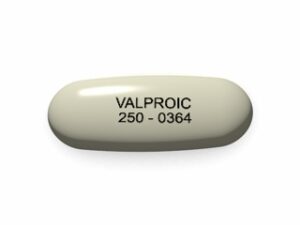
Valproic Acid (Valproate) – Patient Information
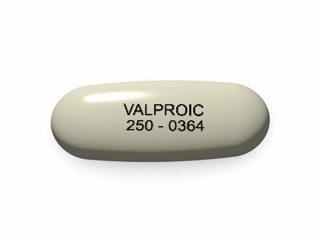
Valproic Acid (also known as valproate or valproate semisodium/valproate sodium depending on the specific brand and formulation) is a medicine used mainly to treat certain types of epilepsy and mood disorders. It can be available in different forms, such as enteric-coated, delayed-release, or controlled-release tablets, and in some cases liquid preparations.
This guide is designed to help you understand how Valproic Acid works, how it is typically used, and what safety steps to consider—especially in the United Kingdom (UK), where there are important regulatory measures related to pregnancy prevention.
Basic product information
- Active ingredient: Valproic Acid / Valproate
- Common uses: Epilepsy; prevention of migraine attacks in some people; bipolar disorder
- Medicines may be branded differently: Different brands can contain valproate in different salt forms and release profiles.
- Formulations: Tablets (including modified release forms) and liquid preparations (varies by brand)
- How it’s taken: By mouth, usually once or twice daily depending on formulation
Note: Always follow the dosing instructions provided with your specific product and speak to a healthcare professional if you are unsure.
How Valproic Acid works (mechanism of action)
Valproic Acid helps to stabilise electrical activity in the brain and can also influence chemical signals involved in mood regulation. While the exact mechanism is complex, key actions include:
- Increasing GABA activity: Valproate increases the effect of gamma-aminobutyric acid (GABA), an inhibitory brain messenger that helps calm abnormal nerve activity.
- Modulating sodium channels: It can reduce rapid nerve firing by affecting sodium channel function.
- Influencing neurotransmission: It affects signalling pathways that may contribute to seizure control and mood stabilisation.
- Possible effects on brain excitability: By changing excitatory/inhibitory balance, it may reduce seizure tendency.
Pharmacokinetics (how the body handles the medicine)
“Pharmacokinetics” describes how the medicine is absorbed, distributed, metabolised, and eliminated. Understanding this can help explain timing, why regular dosing matters, and why dose adjustments may be needed in certain situations.
Absorption
- Valproate is generally absorbed well after oral dosing.
- Absorption can differ between immediate-release and modified-release formulations.
- Some forms are designed to release medicine more slowly to reduce fluctuations in blood levels.
Distribution
- Valproate is widely distributed in the body.
- It is highly bound to blood proteins, though this can change in certain medical conditions or with interacting medicines.
Metabolism
- Valproate is mainly metabolised by the liver.
- It can interact with liver enzymes and affect how other medicines are processed.
Elimination
- Valproate is eliminated primarily via the kidneys after metabolism.
- The overall “half-life” varies among individuals and can change with age, liver function, and other medicines.
Because of these factors, consistent dosing and careful attention to drug interactions are important.
Typical indications and who it may be used for
In the UK, Valproic Acid/Valproate is used in a range of conditions. The suitability depends on your diagnosis, medical history, age, pregnancy potential, and the availability of alternative treatments.
Common indications
- Epilepsy: Some seizure types and epilepsy syndromes (either alone or in combination with other anti-epileptic medicines).
- Bipolar disorder: Particularly to treat or prevent mood episodes in selected patients.
- Prevention of migraine: In adults where appropriate and when other options are not suitable (and with careful risk–benefit assessment).
Important: Valproate has specific safety considerations in people who can become pregnant. Regulatory rules and risk minimisation measures apply in the UK.
Timing: when to take Valproic Acid
Timing can affect how steady your blood level remains—important for seizure control and mood stability.
- Follow your prescribed schedule: Take at the same times each day when possible.
- Modified-release tablets: Usually taken once or twice daily depending on the brand.
- Do not change formulation: Switching between immediate-release and modified-release products can alter medicine levels.
If you forget a dose, refer to the instructions that came with your medicine or ask a pharmacist for advice. In general, avoid taking double doses unless specifically instructed.
Food interactions and what to eat
Valproate can be taken with or without food for many people. However, food may influence absorption for some formulations.
- General rule: Take as directed on the label.
- Consistency helps: If you prefer taking it with food, try to take it the same way each day.
- Modified-release forms: Do not crush or chew unless your specific product instructions allow it.
If you are switching brands or formulations, ask your pharmacist whether any specific food timing advice applies to your product.
Alcohol and medicine interactions
Alcohol
Alcohol may increase the risk of side effects such as dizziness, drowsiness, or impaired coordination. It may also worsen mood or sleep patterns.
- Recommendation: Limit alcohol and avoid heavy drinking.
- If you feel unusually sleepy: do not drive and seek medical advice.
Common medicine interactions
Valproate can interact with other medicines. Some interactions increase valproate levels; others reduce effectiveness; some can increase side effects.
Examples of medicines that may interact include:
- Other anti-epileptic medicines (dose adjustments may be needed)
- Carbapenem antibiotics (can significantly reduce valproate levels; urgent medical guidance is needed if such antibiotics are used)
- Warfarin and other anticoagulants (may affect bleeding risk depending on your overall regimen)
- Aspirin at higher doses (can affect valproate protein binding)
- Some antidepressants/antipsychotics (may influence blood levels or side effects)
- Certain medicines for migraine (interaction risk depends on the specific drug)
- Medicines that affect liver enzymes (may change valproate levels)
Always tell a pharmacist or clinician about all medicines you take—including over-the-counter products, herbal remedies, and supplements.
Dose and administration (general guidance)
Dosing of Valproic Acid is highly individual. It depends on your condition (epilepsy vs. mood disorder vs. migraine prevention), your age, weight, other medicines, and how well you tolerate the medicine.
In clinical practice, doctors often start with a lower dose and gradually increase (“titration”) to reduce side effects while achieving effective control.
Typical adult dosing approaches (illustrative)
The exact dose depends on the formulation and salt form. Since brands differ, it’s best to rely on your medicine label and clinician instructions.
| Condition | General dosing approach | Notes |
|---|---|---|
| Epilepsy | Often started low and increased until seizures are controlled | May be used alone or with other anti-epileptic medicines |
| Bipolar disorder | Gradual titration with monitoring of mood response | Blood level monitoring may be considered for some patients |
| Migraine prevention | Low starting dose, increased slowly based on response and tolerance | Not suitable for everyone; risk assessment is important |
Children and adolescents
Dosing in children may differ significantly and is usually weight-based and carefully monitored. If your child is taking valproate, ensure school/holiday schedules and missed-dose plans are discussed with a clinician.
How to take it safely
- Swallow tablets whole if they are modified-release or enteric-coated (unless your pharmacist confirms it’s safe to break/crush).
- Keep a consistent routine to avoid large fluctuations in levels.
- Do not stop suddenly unless a clinician instructs you—stopping abruptly can increase seizure risk.
Safety profile: important risks and what to watch for
Like all medicines, Valproic Acid can cause side effects. Many people experience mild or temporary effects, but some reactions can be serious.
Common side effects
- Nausea, indigestion, stomach discomfort
- Tremor or mild shakiness
- Drowsiness, fatigue, dizziness
- Weight gain (in some people)
- Headache
Less common but important risks
- Liver problems: Rare but potentially serious. Watch for symptoms such as unusual tiredness, weakness, loss of appetite, vomiting, pain in the upper abdomen, dark urine, or yellowing of the eyes/skin.
- Pancreatitis: Serious inflammation of the pancreas. Seek urgent medical attention for severe abdominal pain, especially with nausea/vomiting.
- Blood and clotting changes: Valproate can affect blood cell counts in some patients.
- Severe allergic reactions: Seek emergency care for swelling, rash, breathing difficulties, or severe skin reactions.
- Hypothermia and reduced body temperature: Rare reports exist, particularly with high doses or overdose.
Pregnancy and pregnancy potential (UK regulatory emphasis)
Valproate is associated with increased risk of harm to an unborn baby, including a higher risk of congenital malformations and developmental problems. In the UK, there are strict measures intended to minimise exposure during pregnancy.
- People who can become pregnant should have a careful risk–benefit discussion with a specialist.
- Reliable contraception is typically required when valproate is used.
- Regular reviews are important to ensure valproate remains the most appropriate option.
- Never stop suddenly without urgent clinical guidance—seizure control is also crucial during pregnancy.
If you are trying to become pregnant, are pregnant, or suspect pregnancy, contact a healthcare professional promptly to discuss next steps.
Practical use tips for everyday life
- Use a routine: Tie your dose to a daily habit (breakfast/dinner) to reduce missed doses.
- Consider a pill organiser: Especially if you take modified-release forms at consistent times.
- Track side effects: If you notice increased sleepiness, tremor, mood changes, or GI issues, note the time and dose to discuss with your pharmacist or prescriber.
- Avoid abrupt stopping: Tell your healthcare team before changing or stopping.
- Follow monitoring plans: Liver function tests and blood tests may be recommended at intervals—your pharmacist can remind you what to expect.
- Be careful with driving and machinery: Until you know how valproate affects you, avoid driving if you feel drowsy or dizzy.
Alternative options
There are different treatment options depending on the condition being treated. Alternatives may include other anti-epileptic medicines or mood stabilisers, and for migraine prevention, other preventive therapies.
Possible alternatives (depending on your condition)
- For epilepsy: Other anti-epileptic drugs may be considered based on seizure type and patient factors (e.g., levetiracetam, lamotrigine, carbamazepine, oxcarbazepine—subject to suitability).
- For bipolar disorder: Options can include lithium, lamotrigine, certain antipsychotics, and other mood stabilisers.
- For migraine prevention: Options may include beta-blockers, topiramate (not suitable for everyone), tricyclic antidepressants, or newer anti-CGRP therapies—depending on availability and your risk profile.
Switching treatments is complex and should be planned with a healthcare professional, particularly to avoid breakthrough seizures or mood instability.
Market and legal context in the UK
Valproate is a well-established medicine in the UK, but due to the risk to unborn babies, it is subject to enhanced risk minimisation measures. These are designed to:
- Ensure the benefits are carefully weighed against the risks for those who could become pregnant.
- Support contraception and risk reviews.
- Encourage regular specialist review and clear patient communication.
Pharmacies and prescribers are expected to follow relevant UK guidance and regulatory requirements, including appropriate counselling for patients at risk of pregnancy.
Recent guidance (high-level)
UK safety guidance continues to emphasise that valproate should generally be avoided in pregnancy and used only when alternatives are unsuitable. Clinicians typically review:
- Seizure/mood stability
- Effectiveness of alternative medicines
- Contraception and pregnancy planning
- Whether dose optimisation is possible
- Ongoing monitoring and documentation of discussions
If you have any uncertainty about your specific risk status or what steps you need to take, ask your pharmacist or prescribing clinician for tailored guidance.
Delivery, availability, and storage
Availability
Valproic Acid/valproate preparations can be widely available through UK pharmacies, but brand availability and stock levels can vary due to supply issues and formulation demand.
Delivery
- Packaging: Medicines are supplied in secure packaging suitable for postal delivery.
- Lead times: Delivery times can vary by supplier and location; you’ll see estimated delivery dates at checkout.
- Cold chain: Valproate typically does not require refrigeration unless specifically stated for your brand—check the leaflet or label.
Storage
- Keep out of the sight and reach of children.
- Store at room temperature unless your product label instructs otherwise.
- Keep the container tightly closed and protect from moisture if advised.
If you receive a medicine that looks different, is damaged, or appears to have changed colour/consistency, do not use it—contact the pharmacy.
FAQ – Valproic Acid
1) What is Valproic Acid used for?
Valproate is commonly used to treat epilepsy, prevent certain migraine attacks, and treat bipolar disorder in selected people. The exact indication depends on the individual and the formulation.
2) How quickly does Valproic Acid start working?
Some effects may be noticed within days to weeks, but full benefits—especially seizure control or mood stabilisation—can take longer. Your prescriber may adjust the dose gradually to reach the best balance of effectiveness and side effects.
3) Can I take Valproic Acid with food?
Many people can take valproate with or without food. However, consistency is helpful. For modified-release tablets, follow the product instructions carefully regarding swallowing and eating.
4) What should I do if I miss a dose?
Use the advice provided with your medicine or ask a pharmacist. In many cases, if you remember soon you can take it, but if it’s close to the next dose, you may be advised to skip the missed dose. Avoid doubling up unless told to.
5) Is Valproic Acid safe to drink alcohol with?
Alcohol can increase drowsiness and other side effects. It may also worsen mood stability. It’s generally best to limit alcohol and avoid heavy drinking. If you feel overly sleepy or unwell, seek medical advice.
6) What medicines should I avoid while taking Valproic Acid?
Interactions vary, but some antibiotics and other medicines can affect valproate levels or increase risks. Always tell your pharmacist about everything you take, including over-the-counter products and supplements.
7) Do I need blood tests?
Many people have periodic monitoring such as blood counts and liver function tests. Your clinician will advise what is appropriate for your situation.
8) Can I drive or operate machinery?
Valproate can cause dizziness or drowsiness in some people. Until you know how it affects you, avoid driving and hazardous activities if you feel sleepy or unsteady. Follow UK guidance and any advice from your clinician.
9) What are the warning signs that need urgent medical help?
Seek urgent advice if you notice symptoms of liver problems (yellow eyes/skin, dark urine, severe fatigue), pancreatitis (severe upper abdominal pain with vomiting), severe allergic reactions (breathing difficulty, facial swelling), or unusual bruising/bleeding.
10) Are there alternatives to Valproic Acid?
Yes. Alternatives depend on why you’re taking it (epilepsy, bipolar disorder, or migraine prevention) and your individual risk factors. Discuss options with your healthcare professional.
This information is intended to support understanding of Valproic Acid and is not a substitute for advice from a qualified healthcare professional. If you have questions about your specific medicine, formulation, or situation, speak to a pharmacist.