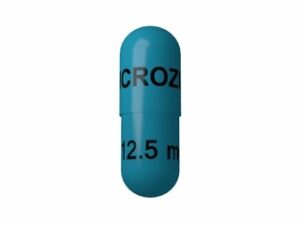
Torsemide (Torsemide Tablets) — Patient Guide (UK)
Torsemide is a medicine used to help the body get rid of excess fluid. It belongs to the group of medicines known as loop diuretics (often called “water tablets”). By increasing urine production, torsemide can relieve swelling (oedema), reduce breathlessness caused by fluid retention, and support certain heart conditions.
This guide explains how torsemide works, how it is usually taken, what to watch for, and how to use it safely. It is written in patient-friendly language for people in the United Kingdom.
1) Basic product information
| Product name | Torsemide |
|---|---|
| Medicine type | Loop diuretic (“water tablet”) |
| Common form | Tablets (strengths may vary by brand) |
| How it is taken | By mouth, usually once or twice daily depending on the condition |
| Main benefits | Reduces fluid retention; supports treatment of certain heart and kidney conditions |
| Key safety topics | Electrolyte levels (potassium, sodium), kidney function, blood pressure, dehydration |
Important: Torsemide comes in different strengths depending on the product. Always check the strength on the packaging and follow the dosing instructions provided for you.
2) How torsemide works (mechanism of action)
Torsemide works in the kidney. Specifically, it blocks a transporter called the Na-K-2Cl (sodium-potassium-chloride) cotransporter in a part of the kidney called the loop of Henle.
- This prevents the kidney from reabsorbing sodium and chloride back into the bloodstream.
- As more salt stays in the kidney tubules, water follows, increasing urine volume.
- By reducing fluid overload, torsemide can lower swelling and improve symptoms linked to fluid retention (such as shortness of breath and leg oedema).
Compared with some other diuretics, torsemide is often chosen when a steady effect is helpful, and it may have a relatively long duration of action.
3) Pharmacokinetics (how the body handles torsemide)
Pharmacokinetics describes how the medicine is absorbed, distributed, metabolised, and removed from the body.
- Absorption: Torsemide is absorbed from the gut after you take a dose by mouth.
- Onset: You should typically begin to notice increased urination within a short time after taking a dose.
- Duration: Torsemide generally has a sustained effect, which is why it is often taken once daily, or split into two doses if needed.
- Metabolism: Torsemide is processed by the liver to some extent.
- Elimination: It is mainly removed via the kidneys and also through the bile/liver pathways, with a significant contribution from renal excretion.
Because torsemide affects fluid and salts, your response can be influenced by kidney function, overall health, and other medications.
4) Typical uses in the UK
Torsemide is used to treat conditions where fluid builds up in the body. In the UK, it is commonly used for:
- Heart failure (fluid overload): To reduce symptoms such as leg swelling and breathlessness associated with excess fluid.
- Oedema due to other causes: Depending on clinical assessment, including certain kidney, liver, or other conditions where fluid retention occurs.
- Hypertension (high blood pressure): In some cases, either alone or with other medicines, particularly when fluid management is important.
Torsemide may be used as part of a broader treatment plan that also includes lifestyle measures and other heart or kidney medicines.
5) When to take torsemide (timing guidance)
Diuretics can increase urination. For many people, timing is important to avoid disturbed sleep.
- General advice: It is often taken in the morning.
- If twice daily: The second dose is usually taken earlier in the day (for example, late morning/early afternoon) rather than in the evening.
- Try to be consistent: Taking torsemide at the same times each day can help maintain a steady effect.
If you miss a dose: Take it when you remember unless it is close to the time for the next dose. Do not take a double dose to make up for a missed dose.
6) Food interactions and dietary considerations
Torsemide can generally be taken with or without food. However, a few practical points matter:
- Salt (sodium) intake: A high-salt diet may counteract the benefits of diuretics by increasing fluid retention. Follow any salt restriction advice given to you, especially if you have heart failure.
- Stable routine: If your clinician has advised changes to diet, keep routines consistent day-to-day.
- Potassium intake: Loop diuretics can lower potassium. Your care team may recommend foods higher in potassium or may provide potassium supplements if needed. Do not start potassium supplements without advice.
In people with fluid restrictions (common in advanced heart failure), follow the individual guidance provided for daily fluid intake.
7) Alcohol and medicine interactions
Alcohol
Alcohol can affect hydration and blood pressure. It may increase dizziness and the risk of dehydration when taken with diuretics. If you drink alcohol, consider:
- Limit intake and avoid binge drinking.
- Be cautious when standing up (especially when you first start torsemide).
- If you feel light-headed, it may be a sign your blood pressure is too low or you are dehydrated.
Common medicine interactions
Torsemide can interact with other medicines, mainly due to effects on kidney function and electrolyte balance. Always tell a healthcare professional about all medicines you take, including over-the-counter products and supplements.
- Non-steroidal anti-inflammatory drugs (NSAIDs) (e.g., ibuprofen, naproxen): may reduce diuretic effect and can worsen kidney function.
- Lithium: torsemide can increase lithium levels, raising the risk of toxicity.
- Other blood pressure medicines: combining may increase the chance of low blood pressure and dizziness.
- Digoxin: low potassium from diuretics can increase risk of digoxin-related heart rhythm problems.
- Some medicines that affect potassium (and potassium supplements): your potassium level may need monitoring.
- Medicines affecting hearing (ototoxic drugs): while less common, combining certain medicines that can affect hearing may increase risk, especially with high doses.
- Diabetes medicines and insulin: changes in fluid and electrolyte balance can affect blood sugar control in some people.
- Gout medicines: torsemide may increase uric acid and can trigger or worsen gout in some people.
Herbal products: Be cautious with herbal remedies that may affect kidneys or electrolytes. If in doubt, ask a pharmacist.
8) Indications (what torsemide is used to treat)
“Indications” means the conditions torsemide is prescribed for. In typical UK practice, torsemide is used for:
- Oedema: swelling caused by fluid retention in conditions such as heart failure, kidney disease, or other fluid retention states.
- Heart failure: to relieve congestive symptoms related to fluid overload.
- Hypertension: sometimes, particularly as part of a combination regimen.
Your exact use depends on your diagnosis, overall health, and kidney function.
9) Dosing: common approaches (what to expect)
Dosing of torsemide varies by condition, kidney function, and response to treatment. Therefore, your dose should be individualised.
How dosing is usually decided
- Condition: heart failure with fluid overload often needs careful titration.
- Kidney function: reduced kidney function may require dose adjustments.
- Electrolytes: sodium and potassium levels may influence dosing and whether supplements are needed.
- Blood pressure and symptoms: aim to reduce fluid without causing excessive low blood pressure.
Practical “start low, monitor” concept
In many cases, torsemide is started at a dose chosen to achieve fluid reduction without causing dehydration or electrolyte imbalance. Then it may be adjusted based on:
- weight changes (if monitored)
- swelling levels and breathlessness
- blood test results (kidney function and electrolytes)
Do not change your dose unless advised by your healthcare team.
Taking the tablet
- Swallow with water.
- Try to take doses at consistent times.
- If you have difficulty swallowing tablets, speak to a pharmacist—some medicines may have alternatives, but this depends on the formulation.
10) Safety profile: key side effects and warning signs
Like all medicines, torsemide can cause side effects. Many are related to its effects on fluids and salts.
Common side effects
- Increased urination (expected)
- Dizziness or light-headedness, especially when standing up
- Muscle cramps or weakness (may relate to electrolyte changes)
- Headache
- Low blood pressure in some people
Important but less common risks
- Electrolyte imbalances (low sodium, low potassium, sometimes other changes)
- Dehydration leading to thirst, reduced urine, or feeling faint
- Kidney function changes (especially if you are dehydrated or taking medicines that affect kidneys)
- Gout flare due to increased uric acid
- Heart rhythm changes if potassium levels drop significantly
Seek urgent medical help if you get
- Severe dizziness or fainting
- Confusion, severe weakness, or signs of dehydration (very little urine, extreme thirst)
- Severe allergic reaction signs (swelling of face/lips, breathing difficulty, rash)
- Chest pain, marked palpitations, or collapse
Monitoring (what tests may be needed)
Torsemide typically requires monitoring, which may include blood tests and sometimes urine tests. Clinicians may check:
- Kidney function (creatinine/urea)
- Electrolytes (especially potassium and sodium)
- Blood pressure and symptoms
11) Practical use tips
- Know your “best time”: for many people morning dosing reduces night-time disruption.
- Be careful when getting up: stand up slowly to reduce dizziness.
- Track symptoms: changes in swelling, breathlessness, and daily weight (if advised) help guide whether the medicine is working.
- Watch hydration: follow advice on fluid intake. Don’t “over-correct” with extra water unless you are instructed.
- Know your electrolytes plan: if you are given potassium supplements or advised on foods, follow it closely.
- Bring a medicine list: especially if you see multiple clinicians or use repeat prescriptions.
- Keep alcohol modest: avoid heavy drinking, and be cautious with dehydration.
If you experience troublesome dizziness, faintness, or muscle cramps, contact a healthcare professional. It may be a sign that your dose is too high for your current kidney function or electrolyte status.
12) Alternative options to torsemide
Depending on your condition, different diuretics or treatment strategies may be used. Alternatives may include:
- Other loop diuretics: furosemide (commonly used), bumetanide (where available)
- Thiazide-like diuretics: e.g., indapamide (often for hypertension and fluid issues in specific contexts)
- Potassium-sparing diuretics: e.g., spironolactone or eplerenone (commonly considered in heart failure, often to help protect potassium)
- Combination approaches: sometimes different diuretics are combined to improve effect and reduce side effects
Your clinician chooses an option based on the underlying cause of fluid retention, kidney function, blood pressure, electrolytes, and symptom response.
13) UK market, legal and availability context (patient overview)
Torsemide is a widely used diuretic in the UK healthcare system. In the UK, medicines are regulated by the Medicines and Healthcare products Regulatory Agency (MHRA), and supply arrangements must comply with relevant UK medicines legislation and pharmacy standards.
Availability can vary by brand and strength. Some strengths may be more widely stocked than others. Online pharmacies typically provide product details, strength information, and delivery estimates based on current UK distribution and stock levels.
Important note: Always ensure you receive genuine medicines from a reputable source. Avoid buying from unverified sellers.
14) Recent guidance and monitoring expectations (UK context)
Guidance around diuretic use typically focuses on safe prescribing, regular monitoring, and patient education—particularly because torsemide affects:
- kidney function
- electrolyte balance
- blood pressure and dehydration risk
While advice can differ between care settings, a consistent expectation in UK practice is that people taking diuretics have:
- appropriate baseline assessment of kidney function and electrolytes
- follow-up checks after starting or changing the dose
- clear advice on what to do if they become unwell (for example, with vomiting or diarrhoea)
If you are unsure about your monitoring schedule, ask your pharmacist or GP practice.
15) Delivery and availability (online pharmacy)
Online pharmacies in the UK typically offer home delivery. Delivery times can vary depending on location and stock availability. When ordering torsemide online, you should expect:
- Delivery estimate at checkout (based on standard or express options)
- Pack size and strength confirmation before dispatch
- Cold-chain storage not usually required for torsemide tablets under normal conditions
- Discreet packaging for privacy
If torsemide is temporarily unavailable in a chosen strength or brand, reputable suppliers may offer alternative strengths/brands that match the same active ingredient—subject to suitability and availability.
Storage: Keep torsemide tablets in their original packaging, protected from excessive heat and moisture. Store out of sight and reach of children.
16) FAQ about torsemide
1. How quickly does torsemide work?
Torsemide usually starts increasing urine production within a relatively short time after taking a dose. The exact timing varies between individuals and depends on your condition and kidney function.
2. Why do I pee more after taking torsemide?
Torsemide is a loop diuretic. It increases salt loss from the kidney tubules, which draws water with it—so you produce more urine.
3. Can I take torsemide with food?
Yes. Torsemide can generally be taken with or without food. If it upsets your stomach, taking it with a meal may help.
4. Should I avoid salt?
A lower-salt diet can improve symptom control in conditions like heart failure. If you have been given a salt restriction or fluid advice, follow it closely.
5. Will torsemide make me dizzy?
Some people feel dizzy, particularly when standing up quickly. This may be due to lower blood pressure or fluid balance changes. If dizziness is persistent or severe, contact a healthcare professional.
6. What blood tests are important?
Common monitoring includes kidney function and electrolytes (especially sodium and potassium). Your healthcare team will tell you how often you need blood tests.
7. Can torsemide affect potassium levels?
Yes. Loop diuretics commonly reduce potassium. Your clinician may advise potassium-rich foods, supplements, or dose adjustments depending on your blood results.
8. Is it safe to take painkillers like ibuprofen?
NSAIDs such as ibuprofen may reduce the effect of torsemide and can increase kidney strain. If you need pain relief regularly, ask a pharmacist which option is safer for you.
9. What if I miss a dose?
Take it when you remember unless it is near the time for your next dose. Do not take an extra dose to make up for a missed one.
10. Are there signs that torsemide dose is too high?
Possible signs include marked dizziness, fainting, severe weakness, muscle cramps, or signs of dehydration (very reduced urine, extreme thirst). Contact your healthcare professional promptly if you notice these.
11. Can I drink alcohol while taking torsemide?
Moderation is advised. Alcohol can increase dizziness and dehydration risk. Avoid heavy drinking and be cautious when you first start or when doses are changed.
12. What are alternative medicines if torsemide doesn’t suit me?
Alternatives may include other loop diuretics or different diuretic classes, depending on your diagnosis and lab results. Your clinician will decide what is appropriate for you.
Summary
Torsemide is a loop diuretic used in the UK to manage conditions involving fluid retention, such as heart failure with oedema and, in some cases, hypertension. It works by increasing salt and water loss through the kidneys, which helps reduce swelling and breathlessness. Because it can affect blood pressure, kidney function, and electrolyte levels, safe use usually involves careful dosing and monitoring.
If you have questions about how to take torsemide safely, how to manage side effects, or how it may interact with your other medicines, speak to a pharmacist. They can also help you understand what to do if you feel unwell while taking diuretics.