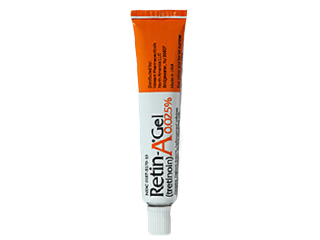
Retin-A Gel (Tretinoin) – Patient Guide (UK)
Retin-A Gel contains tretinoin, a form of vitamin A used to treat acne and other skin concerns. It works by helping to normalise how skin cells shed inside pores and by reducing inflammation associated with acne. This guide explains how Retin-A Gel works, how to use it safely, what to expect, and important interactions and safety information relevant to the United Kingdom.
Quick overview
- Active ingredient: Tretinoin
- Medicine type: Topical retinoid
- Common uses: Acne vulgaris (including comedonal and inflammatory acne)
- How it’s applied: Thin layer to clean, dry skin
- Typical timing: Often once daily in the evening, then adjusted based on tolerance
- Expectations: Initial irritation is common; visible improvement usually takes several weeks
Basic product information
Retin-A Gel is a topical treatment applied directly to the skin. Tretinoin is a potent active ingredient designed to affect the behaviour of skin cells (keratinocytes) and support clearer pores over time.
| Category | Details |
|---|---|
| Active substance | Tretinoin (a topical retinoid) |
| Dosage forms | Gel for topical use |
| Strengths | Available in different strengths depending on the product (follow your pack label) |
| Route | Topical (skin only) |
| Common schedule | Usually once daily at night; may be adjusted |
| Key side effects | Dryness, redness, peeling, burning/stinging, increased sensitivity |
How Retin-A Gel works (mechanism of action)
Tretinoin affects the skin at a cellular level. In acne, pores can become blocked due to abnormal shedding of skin cells and increased clogging inside follicles. Tretinoin helps to:
- Normalise keratinisation: encourages more orderly shedding of skin cells inside the follicle.
- Reduce comedone formation: helps prevent the formation of blackheads and whiteheads (comedones).
- Decrease inflammation: supports a less inflammatory acne environment over time.
- Improve skin turnover: promotes healthier skin cell behaviour, leading to smoother texture.
Retin-A Gel does not usually “clear spots overnight.” Instead, it gradually changes how pores behave, which is why consistent use over weeks is important.
Pharmacokinetics: absorption and what it means for you
Tretinoin applied to the skin is absorbed at low levels in most people. Because absorption is limited, systemic (whole-body) exposure is generally low when used as directed.
Several factors can influence how much is absorbed, including:
- Application area: larger areas increase exposure.
- Skin condition: broken, irritated, or eczematous skin may absorb more.
- Amount applied: thicker layers or more frequent use can increase irritation and potentially absorption.
- Use with other irritants: products that increase dryness can make the skin barrier weaker.
In practice, the key focus is safety on the skin: using the correct amount, applying to intact skin, and building up slowly to minimise irritation.
What it’s used for (indications)
In the UK, tretinoin topical preparations are used primarily for:
- Acne vulgaris – particularly comedonal acne (blackheads/whiteheads) and inflammatory acne.
- Supportive treatment in acne regimens as advised by clinicians/pharmacists.
Your exact indication and suitability depend on your skin type, the severity of your acne, and any co-existing conditions (such as eczema) and other medicines you use.
How to use Retin-A Gel (dosing and timing)
Always follow the instructions on your product label and the advice provided by your healthcare professional. Below is typical guidance for topical tretinoin use.
Typical dosing
- Frequency: commonly once daily, usually at night.
- Amount: a thin layer—often described as a pea-sized amount for the whole face, depending on area covered.
- Where to apply: apply to areas affected by acne (and as directed for your specific plan).
Step-by-step practical application
- Wash: cleanse gently with a mild, fragrance-free cleanser.
- Dry fully: let skin dry completely before applying. Applying to damp skin can increase irritation.
- Apply a thin layer: spread lightly over the affected area—avoid the corners of the nose, mouth, and eyelids.
- Let it absorb: allow it to dry before applying other products.
- Moisturise if needed: a moisturiser can reduce irritation (apply after the gel has absorbed, unless your routine specifies otherwise).
When to expect results
Improvement often takes time. A typical pattern is:
- First few weeks: dryness, peeling, or mild “purging” may occur.
- 4–8 weeks: gradual reduction in new blemishes for many people.
- 8–12 weeks and beyond: more noticeable improvement and smoother skin texture.
If your acne worsens significantly or you experience severe irritation, reduce frequency or pause and seek advice.
Build-up schedule for sensitive skin (optional approach)
Many people tolerate tretinoin better by starting slowly:
- Weeks 1–2: apply every other night
- Weeks 3–4: apply once nightly if irritation is manageable
- After that: maintain the frequency that your skin tolerates
Do not exceed the recommended dose on your pack.
Food interactions
As Retin-A Gel is a topical medicine with low systemic absorption, food interactions are generally not expected to be clinically significant.
However, because tretinoin is a vitamin A derivative, very high intake of vitamin A supplements may be a concern. If you take vitamin A or high-dose supplements, speak with a pharmacist or clinician for personalised advice.
Alcohol interactions
There is typically no direct interaction between alcohol and topical tretinoin. However, alcohol-based skincare products (for example, certain toners) can be irritating when used with tretinoin.
Practical tip: avoid combining tretinoin with other harsh, drying skincare routines during the initial adjustment period.
Medicine and skincare interactions
Tretinoin can increase skin irritation, especially when combined with other acne or exfoliating products. Interactions below focus on common practical overlaps.
Other topical acne treatments
- Adapalene or other retinoids: avoid combining multiple retinoids unless advised.
- Benzoyl peroxide: may be used in acne routines, but it can increase dryness and irritation. If you use both, consider spacing them (e.g., one in the morning, one at night) rather than applying together.
- Salicylic acid, glycolic acid, exfoliating acids: can intensify peeling and stinging. Use cautiously or avoid during the first weeks.
- Topical antibiotics (e.g., clindamycin): may be used as part of acne regimens, but follow the specific plan provided.
Potentially irritating ingredients
- Harsh cleansers or scrubs
- Alcohol-based toners
- Strong fragrance products
- Peels and microdermabrasion
If you are unsure about a product’s compatibility, ask a pharmacist. Patch testing new skincare items can also help.
Safety profile and side effects
Retin-A Gel is generally well tolerated when used correctly, but the most common effects relate to skin irritation. Many side effects improve with dose adjustment and moisturising.
Common side effects
- Dryness
- Redness (erythema)
- Peeling or flaking
- Burning, stinging, or itching—especially during the first weeks
- Sensitivity to sunlight
Less common but important reactions
- Severe irritation or painful inflammation
- Rash or worsening dermatitis
- Swelling or blistering (seek advice)
When to stop and get help
Seek medical advice promptly if you develop signs of a serious skin reaction (severe swelling, blistering, spreading rash, or intense pain) or if irritation becomes unmanageable.
Warnings for special situations
- Sun exposure: tretinoin can make skin more sensitive to UV. Use sun protection.
- Cold weather: increased dryness may occur; moisturising can help.
- Eczema or very sensitive skin: you may need extra caution and a slower build-up.
Practical use tips for better tolerance
Start low and go slow
If you’re new to tretinoin, irritation can be reduced by starting every other night and using a moisturiser.
Use the “dry skin” rule
Apply only when the skin is fully dry after cleansing. Wet skin can increase stinging.
Moisturiser strategy
- Barrier-support moisturiser: choose a gentle, fragrance-free moisturiser.
- Time separation: apply moisturiser after tretinoin has absorbed, unless your routine suggests “sandwiching” (below).
Consider moisturiser “sandwiching” (optional)
Some people reduce irritation by applying a thin layer of moisturiser before and after tretinoin (“sandwiching”). This can be helpful during the first few weeks. Stop if it interferes with the way the gel is absorbed for you.
Use sun protection daily
Apply broad-spectrum SPF 30 or higher in the morning, especially if you’re starting treatment or experiencing redness. Avoid sunlamps and tanning beds.
Avoid direct contact with sensitive areas
- Avoid eyelids, corners of the nose, and corners of the mouth.
- If accidental contact occurs, rinse with water.
Don’t over-apply
Using more gel does not usually clear acne faster and may increase irritation. A thin layer is typically enough.
Alternative treatment options (UK)
If Retin-A Gel isn’t suitable or doesn’t give the results you need, there are other acne approaches. Options may include:
- Other topical retinoids (e.g., adapalene) – availability depends on product and local guidance.
- Topical benzoyl peroxide – useful for inflammatory acne and helps reduce bacteria.
- Topical antibiotics – typically used with other agents to reduce antibiotic resistance (use under guidance).
- Azelaic acid – gentle option for acne marks and mild acne.
- Oral treatments for moderate-to-severe acne (discussed with clinicians).
- Non-medicine skin care such as gentle cleansing, moisturising, and non-comedogenic makeup.
A pharmacist can suggest compatible over-the-counter products (such as moisturisers and cleansers) that reduce irritation while you use tretinoin.
Market and legal context in the United Kingdom
In the UK, topical tretinoin products are regulated under medicines law. The availability, strength, and exact product status (for example, whether a medicine is “pharmacy-only” or “prescription-only”) can vary depending on brand, formulation, and current regulatory classification.
For online pharmacies, standard requirements apply such as:
- Identity checks and safeguarding against unsafe supply
- Appropriate product information provided to help correct use
- Referral pathways if there are safety concerns
If you are pregnant, trying to conceive, or breastfeeding, you should seek medical advice before using tretinoin. This is because retinoid medicines require special precautions.
Recent guidance and practical expectations
Acne care guidance commonly emphasises:
- Gradual introduction of retinoids to reduce irritation.
- Consistent use for an adequate trial period (often at least 8–12 weeks).
- Skin barrier support through moisturisers and gentle cleansing.
- Sun protection to reduce irritation and discolouration.
- Avoidance of unnecessary combinations that strongly increase irritation.
If you have not seen improvement after a reasonable trial or you are experiencing significant adverse effects, reassessing the regimen with a pharmacist or clinician can help.
Delivery and availability (UK)
Retin-A Gel availability can vary by strength and formulation. Many online pharmacies in the UK can deliver to addresses within the UK, subject to stock and delivery schedules.
- Delivery times: typically depend on courier and postcode area.
- Packaging: usually protected to prevent leakage or damage.
- Storage: store as directed on the product label (commonly at room temperature, away from heat and direct sunlight).
Before ordering, check the product strength and verify it matches what you intend to use.
How to store and handle Retin-A Gel
- Keep out of reach of children.
- Store at room temperature unless your pack instructs otherwise.
- Keep the cap closed tightly to prevent gel from drying out.
- Check the expiry date on the pack and do not use after expiry.
FAQ – Retin-A Gel (Tretinoin)
1) Can I use Retin-A Gel every day?
Many people start once daily at night, but daily use may be too irritating at first. A slower build-up (e.g., every other night) is often recommended if you experience significant dryness or stinging. Use the frequency you can tolerate without severe irritation.
2) Why does my skin get red, dry, or peel in the first weeks?
This is a common reaction to tretinoin as your skin adjusts. Moisturising, reducing frequency, and avoiding other harsh or exfoliating products often helps. If irritation is severe or painful, seek advice.
3) How long does it take to work?
Some improvement may be noticed after 4–8 weeks, but clearer results usually take 8–12 weeks or longer. Consistency is important.
4) Can I wear moisturiser with Retin-A Gel?
Yes. Using a gentle moisturiser can greatly improve comfort. Apply moisturiser after the gel has absorbed (or consider a moisturiser “sandwich” routine if advised/desired).
5) Should I avoid sun when using tretinoin?
You should protect your skin from sun and UV exposure. Use broad-spectrum SPF 30+ every morning and avoid tanning beds and sunlamps. Redness can increase without protection.
6) Can I use benzoyl peroxide at the same time?
It may be possible as part of an acne regimen, but irritation can increase. Many people reduce irritation by using one product in the morning and the other at night rather than applying both at the same time. Introduce products gradually.
7) Is it safe to use Retin-A Gel with other acids (like salicylic or glycolic)?
These can increase peeling and stinging. During the first weeks, it’s often best to avoid strong acids and exfoliants. If you want to use them later, discuss timing and frequency with a pharmacist.
8) What should I do if I accidentally get Retin-A Gel in my eyes or on my lips?
Rinse thoroughly with water immediately. If irritation persists, seek advice.
9) Can I shave, wax, or use hair removal products on treated skin?
If your skin is irritated or peeling, it’s best to avoid aggressive hair removal on that area until comfort improves. Gentle shaving may be better than waxing when skin is sensitive.
10) Is Retin-A Gel suitable for all skin types?
Many people with acne benefit, but those with very sensitive skin or conditions like eczema may need extra caution. A slower build-up and barrier-support moisturisers are commonly helpful.
11) Can I drink alcohol while using it?
Alcohol itself is not known to directly interact with topical tretinoin. The main consideration is avoiding irritation from alcohol-based skincare products and maintaining skin comfort.
12) What if I’m pregnant or trying to conceive?
Retinoid medicines require special precautions during pregnancy. If you are pregnant, trying to conceive, or breastfeeding, consult a healthcare professional for personalised advice.
13) When should I stop using Retin-A Gel?
Stop and seek advice if you experience severe allergic-type reactions, intense swelling or blistering, or uncontrolled irritation. If side effects are mild, you may consider reducing application frequency while your skin settles.
Summary
Retin-A Gel (tretinoin) is a topical retinoid widely used for acne. It works gradually by helping skin cells shed more normally and by reducing clogged pores and inflammation. The most common issues are dryness and irritation, especially early on—often manageable with a slow introduction, moisturisers, and sun protection. If you have concerns about compatibility with other products or you experience significant side effects, ask a pharmacist for guidance tailored to your routine.