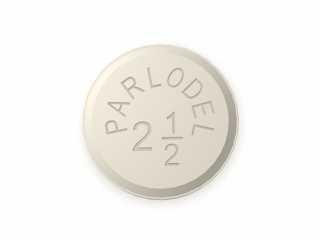


Parlodel (Bromocriptine) – Patient Information
Parlodel is a brand of bromocriptine, a medicine used to treat specific hormone-related conditions and some neurological disorders. This page explains how Parlodel works, how it is typically taken, key safety information, and practical tips to help you use your medicine more comfortably.
Important: Medicines affect people differently. Always follow the instructions provided with your medicine and any advice from your healthcare professional.
Basic product information
| Item | Details |
|---|---|
| Medicine name | Parlodel |
| Active ingredient | Bromocriptine |
| Medicine type | Dopamine agonist |
| Common uses | Hyperprolactinaemia; prolactin-related conditions; Parkinson’s disease (selected cases); off-label uses under specialist guidance |
| How it works | Stimulates dopamine receptors, reducing prolactin release |
How Parlodel works (mechanism of action)
Bromocriptine belongs to a group of medicines called dopamine agonists. In the brain and pituitary gland, dopamine helps regulate several hormones. Parlodel works mainly by:
- Stimulating dopamine receptors (particularly D2 receptors) in the pituitary gland.
- Reducing prolactin secretion from the pituitary. Prolactin is a hormone that can be too high in some conditions and may cause symptoms such as irregular periods, fertility issues, milk production when not needed, and sexual side effects.
- For certain neurological conditions (including Parkinson’s disease), improving symptoms by mimicking dopamine’s effects in the brain.
As a result, Parlodel can help normalise prolactin levels and relieve symptoms linked to excessive prolactin.
Pharmacokinetics (how the body handles it)
Pharmacokinetics describes what happens to the medicine after you take it—absorption, distribution, metabolism, and elimination.
- Absorption: Bromocriptine is absorbed from the gastrointestinal tract. Taking it with food may alter absorption and tolerability.
- Distribution: It is widely distributed throughout the body, including into tissues where dopamine receptors are relevant.
- Metabolism: Bromocriptine is mainly metabolised by the liver (largely via the CYP3A family of enzymes).
- Elimination: The medicine and its metabolites are eliminated mainly through the liver and bile pathways; only a smaller fraction leaves via the kidneys.
- Variability: Individual response can vary. Dose adjustments may be made based on symptoms and tolerance.
What Parlodel is used for (typical indications)
In the UK, Parlodel (bromocriptine) is used for conditions where reducing prolactin or stimulating dopamine activity is beneficial. Common indications may include:
- Hyperprolactinaemia (high prolactin levels), which may be linked to:
- Prolactin-secreting pituitary adenomas (prolactinomas)
- Other prolactin-related endocrine disorders
- Symptoms of raised prolactin such as menstrual irregularities, infertility related to high prolactin, and galactorrhoea (milk discharge).
- In selected cases of Parkinson’s disease to help manage symptoms, depending on the patient’s overall treatment plan.
- Suppression of lactation in certain situations (for example, when medically indicated). This use should be discussed carefully with a healthcare professional because timing and risk factors matter.
Note: Availability and exact licensed indications can vary by product presentation. If you are unsure whether your use is within the licensed indications, check with your healthcare professional or pharmacist.
When to take Parlodel (timing and routine)
Your dosing schedule will depend on the condition being treated and how you tolerate the medicine. However, a general approach to starting dopamine agonists is to begin with a lower dose and increase gradually to reduce side effects.
- Start low, go slow: Many patients experience dizziness, nausea, or low blood pressure when starting. Gradual dose increases can help.
- Consistency matters: Try to take doses at similar times each day.
- With food if needed: If you experience nausea, your pharmacist/doctor may advise taking it with meals or shortly after food.
- Missed dose: If you miss a dose, take it when you remember unless it is close to your next dose. Do not double up.
Food interactions and absorption
Food can influence how well bromocriptine is absorbed and how your stomach feels after taking it.
- Nausea reduction: Taking Parlodel with food may reduce gastrointestinal side effects such as nausea.
- Absorption changes: Food may change absorption speed/extent. Follow the routine you’ve been advised for your specific dose.
- Alcohol: Alcohol can increase the risk of dizziness or impaired coordination when combined with dopamine agonists (see below).
If you consistently feel unwell after taking Parlodel, discuss timing with your pharmacist—small adjustments can sometimes make a significant difference.
Alcohol and medicine interactions
Parlodel can affect your nervous system, alertness, blood pressure, and coordination. Combining it with substances that also act on the brain may increase side effects.
Alcohol
- Recommendation: Limit or avoid alcohol, especially when starting or changing dose.
- Possible effects: More pronounced dizziness, sleepiness, slower reaction time, and reduced judgement.
Other medicines that may interact
Bromocriptine is metabolised by the liver (notably via CYP3A enzymes). Some medicines can increase or decrease bromocriptine levels, which may alter effectiveness or side effects.
- Strong CYP3A inhibitors (may increase bromocriptine exposure):
- Certain antifungals (e.g., ketoconazole)
- Some antibiotics (e.g., clarithromycin)
- Some HIV/HCV medicines
- CYP3A inducers (may reduce bromocriptine exposure):
- Some anti-epileptic medicines
- Rifampicin (and related antibiotics used in TB)
- Antipsychotics / dopamine antagonists (may reduce bromocriptine effect):
- Some medicines used to treat psychosis or nausea (depending on the specific drug)
- Blood pressure lowering medicines:
- May increase the risk of low blood pressure and dizziness, particularly when starting Parlodel.
- Medicines that cause drowsiness:
- Increase the risk of sleepiness, slowed reaction times, and falls.
Always check: Before starting Parlodel, tell your pharmacist about all medicines you take, including over-the-counter products and herbal supplements (for example St John’s wort, which can affect drug metabolism).
Dosing: typical approach and practical guidance
Dose must be individualised. Your prescriber will set a dose based on your condition, prolactin levels, symptom response, and how well you tolerate the medicine.
General starting principles:
- Start with a low dose to limit side effects, especially dizziness and nausea.
- Increase gradually at intervals, based on response and tolerability.
- Use the correct strength and follow a consistent daily schedule.
Example dosing patterns (illustrative)
The following is a general outline often used for dopamine agonists; it is not a substitute for your personal plan.
- Raised prolactin: Start with a low dose and titrate upwards until prolactin normalises and symptoms improve.
- Parkinson’s disease: Often started low and increased slowly, with monitoring for blood pressure changes and sleepiness.
- Prolactin suppression in special circumstances: Timing may be critical; specialist advice is essential.
Do not adjust your dose yourself. If you feel the dose is too strong (e.g., severe nausea or dizziness) or too weak (symptoms not improving), speak to your healthcare professional rather than changing it abruptly.
Safety profile and important warnings
Like all medicines, Parlodel can cause side effects. Many are more common when starting or increasing the dose and tend to lessen over time.
Common side effects
- Nausea and gastrointestinal upset
- Dizziness, especially when standing up
- Headache
- Low blood pressure (orthostatic hypotension)
- Fatigue or sleepiness
Less common but important side effects
- Vomiting
- Constipation or indigestion
- Changes in mood or behaviour
- Swelling or fluid-related symptoms (seek advice if sudden)
Serious risks (seek medical advice promptly)
Some people may experience severe reactions. Contact urgent medical care if you develop:
- Chest pain, sudden shortness of breath, or severe headache
- Fainting or marked weakness
- Severe allergic reaction (e.g., swelling of face/lips, difficulty breathing)
- Unusual sleepiness with episodes of falling asleep unexpectedly
- Impulse-control symptoms (new or worsening compulsive behaviours such as gambling urges, increased libido, binge eating, or compulsive shopping). Tell your doctor promptly if you notice these changes.
Driving and operating machinery
- Bromocriptine may cause drowsiness or reduced alertness.
- Do not drive or use machinery if you feel sleepy, dizzy, or not fully alert.
- If you experience sudden sleep episodes, inform your healthcare professional urgently.
Monitoring
Your healthcare professional may monitor:
- Prolactin levels (blood tests)
- Blood pressure especially early in treatment
- Symptom response and side effects
Practical tips for using Parlodel comfortably
- Take it as directed and avoid sudden dose changes.
- Help prevent dizziness: stand up slowly. If you feel light-headed, sit or lie down.
- Manage nausea: taking with food may help. Staying hydrated and eating small meals may reduce discomfort.
- Keep a symptom diary: note timing of side effects and symptom improvement. This helps your healthcare professional adjust your regimen.
- Be consistent: try not to vary the timing of doses day to day.
- Check interactions: inform your pharmacist about new medicines, including antibiotics, antifungals, and supplements.
- Report mood or behaviour changes: impulse-control problems can emerge during treatment and need prompt attention.
Alternative options (if Parlodel isn’t suitable)
Depending on why you are taking bromocriptine, alternatives may include other dopamine agonists or other endocrine treatments.
- Other dopamine agonists (commonly used for raised prolactin):
- Cabergoline (often preferred by some clinicians due to dosing convenience)
- If dopamine agonists aren’t tolerated:
- Management may involve careful dose adjustment, switching to another agent, or specialist options.
- Special cases: if the underlying condition involves a pituitary tumour or other causes, additional monitoring and treatment options (including specialist assessment) may be considered.
Speak to your healthcare professional before switching. Each option has different dosing schedules and side effect profiles.
UK market & legal context (what you should know)
Medicines containing bromocriptine are regulated in the UK and supplied through appropriate channels. Availability, pack sizes, and brand presentation can vary. In practice:
- Medicines are classified and regulated under UK medicines legislation and must be supplied according to their legal status.
- Pharmacy supply: Dispensing and patient counselling help ensure safe use and appropriate monitoring.
- Ongoing safety monitoring: In the UK, drug safety information is monitored by regulatory bodies, and guidance may be updated as new evidence becomes available.
If you are buying medicines online, ensure you use a reputable UK-registered online pharmacy that provides clear product information and follows UK compliance requirements.
Recent guidance and safety updates (general note)
For dopamine agonists used for prolactin-related conditions and Parkinson’s disease, safety messaging has continued to emphasise:
- Awareness of impulse-control disorders and behavioural changes.
- Monitoring for sudden sleepiness and advising caution with driving/operating machinery.
- Managing blood pressure changes at treatment initiation.
- Review of interacting medicines that may alter metabolism or increase side effects.
Your healthcare professional can advise on how these principles apply to your individual treatment plan.
Delivery and availability in the UK
Parlodel availability can vary by strength and pack size. Many online pharmacies can order stock from licensed wholesalers when needed. Delivery options typically include standard and faster services depending on your location and the supplier’s dispatch schedule.
- Dispatch times: may vary; check the retailer’s delivery information.
- Product checks: reputable pharmacies ensure correct labelling and expiry dating.
- Availability: If a pack isn’t in stock, some suppliers can arrange sourcing; timelines should be clearly communicated.
Tip: If you use Parlodel regularly, plan ahead to avoid running out. Ordering early helps reduce delays.
FAQ: Common questions about Parlodel (bromocriptine)
1) How long does it take for Parlodel to work?
Some effects may be noticed within days, but for raised prolactin conditions, improvement is often assessed over weeks. Your healthcare professional may schedule blood tests to monitor prolactin and adjust the dose.
2) What should I do if I feel dizzy after taking Parlodel?
Dizziness can occur, especially when starting or increasing dose. Stand up slowly and avoid sudden movements. If dizziness is significant, your healthcare professional may review your dose and timing. Seek urgent medical help if you faint or experience severe symptoms.
3) Can I take Parlodel with food?
Many people find that taking bromocriptine with food helps reduce nausea. Follow your individual instructions. If you’re unsure, ask your pharmacist how to take your specific dose.
4) Can I drink alcohol while taking Parlodel?
Alcohol can worsen dizziness and sleepiness. It’s best to limit alcohol or avoid it, particularly during the early phase of treatment or when adjusting your dose.
5) Are there any medicines I must avoid?
Interactions depend on what you take. Important possibilities include medications that affect liver metabolism (CYP3A-related drugs) or dopamine-related medicines that may reduce effectiveness (some antipsychotics). Always tell your pharmacist about your full medication list.
6) Will Parlodel affect my periods or fertility?
If your symptoms are due to raised prolactin, normalising prolactin can improve menstrual regularity and may help fertility. Follow-up tests and specialist monitoring may be needed.
7) What if I miss a dose?
If you miss a dose, take it when you remember unless it is close to your next scheduled dose. Do not double up. If you’re unsure, consult your pharmacist.
8) Can Parlodel cause sleepiness?
Yes. Some people experience drowsiness, and in rare cases sudden sleep episodes can occur. If you feel very sleepy or fall asleep unexpectedly, do not drive and contact your healthcare professional promptly.
9) Are there signs that I should contact a doctor urgently?
Yes—seek urgent advice for severe dizziness/fainting, chest pain, severe shortness of breath, allergic reactions, or significant new mood/behaviour changes (including impulse-control problems).
10) Is Parlodel suitable for everyone?
No medicine is suitable for everyone. Suitability depends on your medical history, current medications, and specific condition. Your pharmacist and healthcare professional can help assess risks and benefits for you.
Summary
Parlodel (bromocriptine) is a dopamine agonist primarily used to treat conditions related to high prolactin and selected neurological conditions. It works by stimulating dopamine receptors, helping reduce prolactin levels and relieve symptoms. Because it can cause dizziness, nausea, and sleepiness—particularly when starting—careful dose titration and attention to food, alcohol, and drug interactions are important. If you notice unusual behaviour changes, sudden sleepiness, or severe side effects, contact a healthcare professional promptly.
For the safest experience, keep your medication routine consistent, review your medicines for interactions, and ask your pharmacist if you have any questions about timing or side effects.