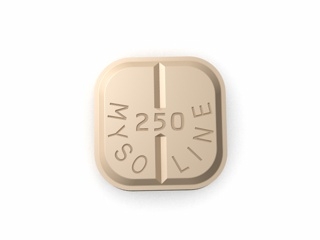


Mysoline (Primidone) – Patient-Friendly Information (UK)
Mysoline contains primidone, a medicine used mainly to help control certain types of seizures (fits) and, in some situations, to manage tremor. This guide explains how it works, what to expect, how to take it safely, common interactions (including alcohol), and practical tips for everyday use in the United Kingdom.
Basic product information
| Item | Details |
|---|---|
| Active ingredient | Primidone |
| Brand name | Mysoline |
| Medicine type | Antiepileptic (anti-seizure) medicine; also used for tremor in selected cases |
| Common form | Tablets (strengths vary by presentation) |
| How it works | Reduces abnormal electrical activity in the brain and changes nerve signalling |
| Who it’s for | People with certain seizure types; sometimes used for essential tremor |
How Mysoline works (mechanism of action)
Primidone is converted in the body partly into another active substance (phenobarbital-like effects). Together, these actions:
- Increase inhibitory signalling in the brain, helping to calm overactive nerve firing.
- Reduce excitatory activity that can contribute to seizures.
- May also affect circuits involved in tremor by stabilising nerve activity.
Importantly, Mysoline does not “turn off” seizures immediately. Instead, it helps build steadier seizure control over time, often after a gradual dose adjustment period.
Pharmacokinetics: how the body handles primidone
Understanding pharmacokinetics can help explain timing and why side effects may be more noticeable at the start:
- Absorption: Primidone is absorbed through the gut after tablets are swallowed.
- Distribution: It reaches the brain and other tissues via the bloodstream.
- Metabolism: Primidone is metabolised, producing active components including phenobarbital-like effects.
- Half-life: Elimination is relatively slow, so medicine can last in the body for a long time.
- Onset: Some people notice effects within days, but full seizure control may take weeks as doses settle.
Because it stays in the body, missing doses can increase risk of breakthrough symptoms, while stopping suddenly can be unsafe.
Typical uses in the UK
Mysoline is used for:
- Epilepsy: to treat certain types of seizures, commonly where other options are not suitable.
- Essential tremor (in selected patients): a condition characterised by rhythmic shaking, often affecting hands. Treatment decisions depend on severity, age, and other medical factors.
Which conditions it is appropriate for varies by individual assessment, seizure type, and how a person responds to other treatments.
When it starts working and timing
Timing can vary, but the general pattern is:
- Early phase: During dose initiation and increases, side effects such as sleepiness or dizziness are more likely.
- Stabilisation: As the dose becomes steady, many people find seizure frequency reduces and tremor may lessen.
- Ongoing control: Long-term benefit usually depends on consistent daily dosing.
If you feel very drowsy at the beginning, it can help to take doses at times that match your day and rest schedule (for example, at night), but always follow your clinician’s instructions and adjust only with guidance.
How to take Mysoline safely (general dosing principles)
Dosing is individual. Many patients start on a low dose and increase gradually to reduce side effects and improve tolerability. The approach helps your body adjust to the medicine.
General principles:
- Take at the same times each day to keep levels steadier.
- Do not change the dose suddenly without advice.
- Use the exact tablet strengths prescribed (if tablets differ in strength).
- Keep to the planned titration schedule during initiation.
Example dosing schedules (for understanding, not a personal plan)
Clinicians commonly use a gradual titration strategy. Actual dosing depends on age, body weight, medical history, seizure type, liver/renal health, and other medicines.
Please note: The examples below are for education only. Always follow the dosing instructions provided for you.
| Situation | Typical approach (education only) |
|---|---|
| Starting treatment | Lower dose initially, then gradual increases every few days or weeks depending on response and side effects. |
| Maintenance | Once the effective and tolerated dose is reached, it’s taken in divided doses per day to maintain steady effect. |
| Children and older adults | Usually more cautious titration; elderly patients may be more sensitive to drowsiness and falls. |
| Stopping or switching | Typically done gradually with a plan to reduce withdrawal risks and maintain seizure safety. |
If you are unsure about your dosing schedule, speak with your pharmacist or clinician. If a tablet dose appears missing from your pack, do not “double up” to compensate—ask for advice.
Food interactions: can you take Mysoline with meals?
Primidone can generally be taken with or without food. However, individual tolerability may improve with meals if nausea, stomach discomfort, or dizziness occurs.
- If you feel nausea or dizziness, consider taking it with food (unless you are advised otherwise).
- Try to keep your routine consistent: taking doses at similar times relative to meals helps stability.
Always check any specific instructions given for your exact product presentation and your personal medicine plan.
Alcohol and medicine interactions
Alcohol can significantly increase the risk of side effects such as sedation, dizziness, impaired coordination, and slowed reaction time. Combining Mysoline with alcohol may also increase risk of accidents (falls, driving incidents).
Alcohol guidance
- Avoid alcohol where possible, especially when starting or adjusting your dose.
- If you do drink, keep it minimal and discuss it with a healthcare professional for personalised advice.
Medicines that can interact with primidone
Primidone can interact with other medicines, partly because of its effects on liver enzyme systems used to metabolise drugs. Interactions can reduce effectiveness of some medicines or increase levels of others.
Examples of medicine categories to discuss:
- Other anti-seizure medicines (dose adjustments may be needed).
- Sedatives, sleeping tablets, and some anxiety medicines (may increase drowsiness).
- Opioid painkillers (risk of enhanced sedation and breathing problems).
- Anticoagulants (blood-thinning medicines) – requires careful monitoring.
- Oral contraceptives – enzyme-inducing antiepileptics may reduce effectiveness for some individuals; additional contraception may be required.
- Medicines affecting the liver or those cleared by liver enzymes may need review.
- Some antidepressants and antipsychotics – risk of additive side effects and altered levels.
For the safest approach, provide your pharmacist with a full list of medicines and supplements you take, including “over the counter” products.
Indications: who Mysoline is considered for
In the UK, Mysoline (primidone) may be considered for:
- Epilepsy where it is suitable for the seizure type and your clinical situation.
- Essential tremor when appropriate, especially if other treatments are unsuitable or insufficient.
Choice of treatment depends on symptoms, overall health, age, pregnancy considerations, and how you respond to other options.
Safety profile: common and serious side effects
Like all medicines, primidone can cause side effects. Many people experience mild effects early on that improve as the dose is adjusted, while others may need a change to their regimen.
Common side effects
- Drowsiness or unusual tiredness
- Dizziness or feeling unsteady
- Nausea or upset stomach
- Headache
- Blurred vision or poor coordination
Less common but important side effects
- Changes in mood (including irritability)
- Rash or skin reactions
- Unusual bruising or infections (possible blood-related effects)
- Low sodium symptoms such as confusion or persistent headache (less common; depends on risk factors)
Seek urgent medical advice if you have
- Signs of a serious allergic reaction (swelling of face/lips, severe rash, breathing difficulty).
- Severe or worsening drowsiness, fainting, or confusion.
- New severe weakness, breathing problems, or signs of overdose (especially after alcohol or interacting medicines).
- Uncontrolled seizures or a significant change in seizure pattern.
Safety reminder: Do not stop Mysoline suddenly. Abrupt stopping can increase seizure risk and may be unsafe.
Practical use tips for everyday life
These tips can make treatment easier and safer:
- Plan your day around drowsiness: If you feel sleepy, consider timing doses to reduce daytime impact (discuss with a healthcare professional).
- Be careful with driving and machines: Until you know how Mysoline affects you, avoid driving or operating machinery.
- Move slowly: Dizziness can increase fall risk—especially when getting up.
- Use a pill organiser and set reminders to avoid missed doses.
- Track seizures or tremor changes: Notes (date/time, severity) help clinicians adjust treatment.
- Keep appointments for reviews: monitoring may be needed depending on your situation.
Missed dose guidance
If you miss a dose, take it when you remember unless it is close to the time of the next dose. Avoid doubling up. If you’re unsure, contact a pharmacist for advice based on your dosing schedule.
Special considerations: elderly, liver health, and kidney health
- Elderly: Older adults may be more sensitive to drowsiness and unsteadiness; dose adjustments are often needed.
- Liver problems: Your clinician may consider dose changes and monitoring because metabolism involves the liver.
- Kidney problems: Dosing may be adjusted; discuss kidney function with your healthcare professional.
Pregnancy, contraception, and fertility (important)
If you are pregnant, planning pregnancy, or could become pregnant, it’s essential to seek timely medical advice. Some anti-seizure medicines can affect pregnancy outcomes, and pregnancy itself can change seizure control.
Also, enzyme-inducing anti-seizure medicines may reduce the effectiveness of certain hormonal contraceptives. Your pharmacist or clinician can advise on the safest and most reliable contraception options.
Alternative options
Depending on the condition being treated and your personal response, alternatives may include other anti-seizure medicines or tremor treatments. Options can vary significantly:
- For epilepsy: other antiepileptic drugs may be considered based on seizure type (examples include levetiracetam, lamotrigine, carbamazepine, valproate where appropriate, and others—chosen by a clinician).
- For essential tremor: medicines such as beta-blockers (for suitable patients) may be considered; sometimes other agents are used if these are not appropriate.
- Non-medicine approaches: in selected cases, specialist-led options may be discussed.
Do not switch medicines without professional guidance, because changes can affect seizure control and tolerability.
UK market and legal context
In the United Kingdom, Mysoline (primidone) is an established medicine supplied under UK medicines regulations and is available through pharmacy supply channels according to the product’s classification and local prescribing systems.
- Availability may vary by pack size and manufacturer supply.
- Pharmacies follow UK medicines handling and patient safety requirements, including correct labelling and counselling.
- Clinicians and pharmacists may recommend specific monitoring or dose adjustments depending on individual risk factors.
Recent guidance and safety updates (general)
UK clinical practice for epilepsy and tremor continues to evolve. Guidance typically emphasises:
- Individualised treatment: matching medicine choice to seizure type and patient factors.
- Gradual titration: starting low and increasing slowly to improve tolerability.
- Medication safety: careful review of drug interactions and side effects.
- Risk reduction: advice on driving, falls prevention, and alcohol avoidance.
If you want the most up-to-date recommendations, ask your pharmacist or clinician for guidance relevant to your diagnosis and the medicines you take alongside Mysoline.
Delivery and availability from a UK pharmacy
Availability depends on current supply and stock levels. When ordering, ensure the product matches:
- Brand name (Mysoline) or active ingredient (primidone)
- Strength and formulation
- Quantity you need
For delivery:
- Orders are usually dispatched within working days, subject to stock availability.
- Delivery times vary by courier and location in the UK.
- Keep tablets in their original packaging and follow storage instructions on the label.
If your preferred strength or pack is temporarily unavailable, your pharmacy may advise on options such as alternative pack sizes (where appropriate and safe).
FAQ: Mysoline (Primidone)
1) What is Mysoline used for?
Mysoline (primidone) is mainly used to treat certain seizure types in epilepsy. It may also be used for essential tremor in selected patients, depending on individual suitability and response.
2) How long does it take to work?
Some effects may be felt early, but full benefits for seizures or tremor often take longer. Because doses are commonly increased gradually, noticeable improvement may occur over weeks as the right dose is reached and stabilised.
3) Can I take Mysoline with food?
In many cases, yes. If you experience stomach upset or dizziness, taking it with food may help. Try to keep your routine consistent.
4) Is it safe to drink alcohol while taking primidone?
Alcohol can increase side effects such as drowsiness and impaired coordination. It’s best to avoid alcohol, especially during initiation and dose changes. Ask a pharmacist for advice if you plan to drink.
5) What should I do if I miss a dose?
Take it when you remember unless it is nearly time for your next dose. Do not double up. If unsure, contact a pharmacist.
6) Will I feel sleepy when starting Mysoline?
Drowsiness and dizziness are relatively common early on, which is why clinicians often start with a low dose and increase gradually. Avoid driving or operating machinery until you know how you respond.
7) Can I stop Mysoline suddenly?
No. Stopping suddenly can be unsafe, particularly for seizure control. If you need to stop, your clinician will usually reduce the dose gradually.
8) Are there important drug interactions?
Yes. Primidone may interact with other medicines, including sedatives, opioids, some antidepressants/antipsychotics, anticoagulants, and some hormonal contraceptives. Provide your pharmacist with a complete list of medicines and supplements.
9) Does Mysoline affect driving?
It can. Drowsiness, dizziness, and unsteadiness can affect driving ability. Follow UK advice and discuss with your clinician/pharmacist, especially when starting or adjusting the dose.
10) What if I need a different brand or tablet strength?
Ask your pharmacist before switching. While primidone is the active ingredient, differences in tablet strength and titration schedules can matter. The safest change is one agreed and explained by a healthcare professional.
Important final reminders
- Take Mysoline exactly as advised and adjust only under professional guidance.
- Avoid alcohol and be cautious with other medicines that cause drowsiness.
- Seek medical help urgently for serious side effects or signs of overdose.
- Keep an up-to-date list of medicines and show it to your pharmacist or clinician at reviews.
This information is intended to support safe self-care and improve understanding of your medicine. It does not replace the advice of a healthcare professional who knows your individual medical history.