Keflex (Cephalexin) — Patient Information (UK)
Keflex is a brand name for cephalexin, an antibiotic in the cephalosporin family. It is used to treat certain bacterial infections by stopping bacteria from building their protective cell walls. This page explains how Keflex works, when it’s commonly used, how to take it safely, possible side effects, and practical tips to help you get the best results.
If you have questions about whether Keflex is suitable for you—especially if you have allergies, kidney problems, or are pregnant or breastfeeding—speak to a qualified healthcare professional.
Quick Summary
- What it is: Cephalexin antibiotic (cephalosporin).
- What it treats: Some bacterial infections such as skin infections, ear infections, urinary tract infections, and some respiratory infections.
- How it works: Prevents bacteria from forming a strong cell wall, leading to bacterial death.
- How to take it: Typically several times a day; follow the dosing schedule provided by your clinician.
- Common issues: Gastrointestinal upset, mild rash, or yeast infections. Seek advice for severe allergy or persistent symptoms.
- Important: Not effective against viruses such as common colds or flu.
Basic Product Information
| Category | Details |
|---|---|
| Medicine | Keflex (Cephalexin) |
| Drug class | Cephalosporin antibiotic (beta-lactam) |
| Common uses | Bacterial infections in skin, ears, lungs/airways, and urinary tract (depending on suitability) |
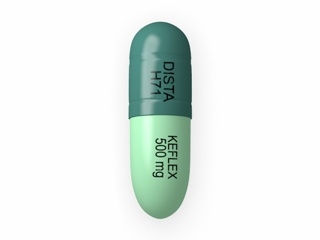
| Formulations | Available in capsules/tablets and oral liquid preparations (strength varies) |
| Availability in UK | Widely available via NHS and private healthcare pathways; supply may vary by strength/form |
Mechanism of Action (How Keflex Works)
Cephalexin works by interfering with the formation of bacterial cell walls. Bacteria rely on a mesh-like wall structure to maintain their shape and survive. Keflex binds to specific bacterial proteins involved in building the cell wall (often referred to as penicillin-binding proteins).
When cell wall synthesis is disrupted, bacteria become unstable and are more likely to die. As a result, the infection is brought under control and symptoms improve.
Keflex is effective against certain susceptible bacteria. It won’t work for viral illnesses like flu, most coughs/colds, or sore throats caused by viruses.
Pharmacokinetics (How the Body Handles Cephalexin)
Pharmacokinetics describes absorption, distribution, metabolism, and elimination.
- Absorption: Cephalexin is generally absorbed after oral dosing. Food may slow absorption slightly, but it usually does not significantly reduce overall effect.
- Distribution: It reaches various tissues and fluids, including where bacterial infections may occur. Penetration varies by infection site and tissue type.
- Metabolism: Cephalexin is not extensively metabolised.
- Excretion: Most of the medicine is eliminated largely via the kidneys. This means kidney function can influence how long it stays in your system.
- Implications for kidney impairment: If you have reduced kidney function, your dosing schedule may need adjustment by a clinician.
Typical Use in the UK
Keflex is used when a clinician believes an infection is bacterial and cephalexin is an appropriate choice based on the likely bacteria, your medical history, local resistance patterns, and the infection site.
Common examples include:
- Skin and soft tissue infections (e.g., infected wounds, cellulitis—depending on severity)
- Ear infections (otitis media/externa, where appropriate)
- Respiratory tract infections (e.g., certain bacterial throat or chest infections when indicated)
- Urinary tract infections (UTIs—depending on culture results and susceptibility)
Sometimes doctors may use other antibiotics instead. Choice depends on the infection type, severity, suspected organisms, and your allergy history (especially if you’ve ever had a reaction to penicillins or cephalosporins).
Indications (When Keflex May Be Used)
In clinical practice in the UK, cephalexin may be indicated for infections caused by susceptible organisms. While the exact use varies by individual case, cephalexin is commonly considered for:
- Uncomplicated skin infections where bacterial cause is likely
- Some ear, throat, and sinus infections that are believed to be bacterial
- Some respiratory infections where appropriate
- UTIs caused by susceptible bacteria
- Bone and joint infections (less common; typically under specialist guidance)
If you’re unsure why you’re taking Keflex, ask your healthcare professional for the specific reason and expected duration.
How to Take Keflex: Timing and Dosing
Correct dosing and timing are essential for antibiotics to work properly. Always follow the instructions provided by your healthcare professional and the patient information leaflet supplied with your product.
Typical dosing frequency
Cephalexin is often prescribed in divided doses (for example, several times daily). Many regimens aim to keep drug levels steady over the day.
Practical timing tips
- Space doses evenly: Try to take doses at consistent intervals (e.g., morning, early afternoon, evening).
- Set reminders: If you’re prone to missing doses, use phone alarms.
- Finish the course: Even if you feel better, completing the full course helps prevent relapse and resistance.
- If you miss a dose: Take it when you remember unless it’s close to the next dose. Do not take a double dose to make up for a missed one.
Adults and children
Dosing can differ for adults and children and depends on the infection site, severity, kidney function, and—especially for children—body weight.
For children, liquid formulations may be used. Ensure you measure doses accurately using the provided measuring device.
Food Interactions: Can You Take Keflex With Meals?
Keflex can generally be taken with or without food. Taking it with food may help reduce stomach upset for some people.
- If you find it causes nausea: take it with a meal or snack.
- Consistency helps: take it the same way each day (with or without food) to keep your routine simple.
Food may slightly affect absorption rate, but it usually doesn’t significantly reduce effectiveness when taken as directed.
Alcohol and Medicine Interactions
Keflex does not have a well-known direct interaction with alcohol for most patients. However, drinking alcohol during an infection may:
- worsen dehydration or stomach upset
- impair recovery
- increase the likelihood of dizziness or fatigue if you feel unwell
As a precaution, it’s generally sensible to avoid heavy drinking while you’re taking antibiotics and you’re unwell. If you have liver disease, are on multiple medications, or have concerns, ask your clinician or pharmacist.
Other medicine interactions (important to check)
Many medicines can be taken with cephalexin, but it’s important to check for interactions, especially if you take regular medications.
- Warfarin (and other anticoagulants): Antibiotics can affect gut bacteria and influence clotting control in some people. If you take warfarin, you may need closer monitoring of INR.
- Probenecid: May affect excretion rates of cephalexin in some circumstances. Inform your healthcare professional if you take it.
- Oral contraceptives: In general, antibiotics like cephalexin do not reliably reduce contraceptive effectiveness. However, if you experience vomiting or severe diarrhoea, absorption may be affected. Follow contraceptive guidance for illness-related vomiting/diarrhoea.
- Kidney-related medicines: If you take drugs that affect kidney function, your clinician may consider kidney monitoring and dose adjustments.
Tell your pharmacist about all medicines you use, including over-the-counter products, vitamins, herbal remedies, and supplements.
Safety Profile: Who Should Be Cautious?
Most people tolerate Keflex well, but like all medicines it can cause side effects. Your individual risk depends on your medical history, allergy status, and kidney function.
Allergy warning (very important)
Keflex should not be used if you’ve had a serious allergic reaction to cephalexin or other beta-lactam antibiotics. Caution is also advised if you’ve had reactions to other cephalosporins or penicillins.
Seek urgent medical help if you develop:
- swelling of the face, lips, tongue, or throat
- trouble breathing or wheezing
- severe rash, blistering, or widespread skin peeling
Common side effects
- Diarrhoea or loose stools
- Nausea, stomach discomfort, indigestion
- Headache
- Rash (mild skin reactions can occur)
Less common but serious side effects
- Severe or persistent diarrhoea (especially watery or bloody) which may signal a bowel condition requiring urgent assessment.
- Signs of abnormal blood counts such as unusual bruising, persistent sore throat, or infections that don’t improve.
- Severe skin reactions (e.g., blistering, peeling, or widespread rash).
- Liver problems (rare): symptoms may include yellowing of skin/eyes, dark urine, or significant fatigue.
Kidney impairment
Because cephalexin is cleared through the kidneys, reduced kidney function may increase drug levels. Clinicians may adjust the dose or frequency if necessary.
Practical Use Tips for Better Outcomes
- Start on schedule: Take your first dose when you’re ready, then keep to the routine.
- Stay hydrated: This can help if you experience mild gastrointestinal side effects.
- Watch for improvement: Many bacterial infections begin to improve within 48–72 hours, but this varies by infection type and severity.
- Do not stop early: Stopping early can allow bacteria to recover and can contribute to antibiotic resistance.
- Keep an eye on allergies: Mild rash can happen; stop and seek advice promptly if symptoms are worsening or accompanied by breathing difficulty.
- Complete the full course: Even if you feel better, finish as directed.
What to Expect: When Symptoms Don’t Improve
If you don’t feel any improvement after a reasonable time (commonly 48–72 hours, depending on the infection), or if your symptoms worsen, contact a healthcare professional. The infection might involve bacteria not covered by cephalexin, may be more severe than initially thought, or may not be bacterial at all.
Alternative Options
Antibiotic selection depends on the likely bacteria, the infection site, severity, allergies, and local resistance patterns. Depending on your case, alternatives may include:
- Other cephalosporins or beta-lactam antibiotics
- Penicillin-class antibiotics (if suitable and allergy status allows)
- Macrolides (e.g., azithromycin/clarithromycin in some circumstances)
- Doxycycline or other agents for selected indications
- Non-antibiotic management for infections not caused by bacteria (supportive care)
For skin infections, dental infections, or recurrent UTIs, additional investigations (such as a swab or urine culture) may guide more targeted treatment.
UK Market and Legal Context (General Information)
In the United Kingdom, antibiotic use is governed by healthcare regulation, antimicrobial stewardship principles, and prescribing practices designed to help slow antibiotic resistance. Antibiotics are intended for bacterial infections where benefits outweigh risks.
Healthcare providers may consider guidance from UK bodies such as:
- National Institute for Health and Care Excellence (NICE) for antimicrobial guidance
- Local antimicrobial stewardship programmes and hospital/NHS formularies
- Public Health England / UKHSA antimicrobial stewardship initiatives and updated resistance monitoring
Recent emphasis across the UK has been on using antibiotics only when necessary, choosing the narrowest effective agent, and reviewing treatment if symptoms do not improve.
Recent Guidance and Stewardship Notes (What You Should Know)
Antimicrobial stewardship guidance in the UK aims to:
- reduce unnecessary antibiotic use
- promote correct dosing and adherence
- support culture testing where appropriate (e.g., recurrent UTIs)
- encourage clinicians to reassess if no improvement occurs within a timeframe
While Keflex is a legitimate treatment option for susceptible bacterial infections, the correct use depends on your diagnosis, allergy history, and the severity of illness.
Delivery, Availability, and Ordering (UK)
Keflex may be available through online pharmacies that operate legally within the UK. Stock can vary by:
- Strength and form (capsules/tablets vs oral liquid)
- Packaging size
- Local supply and manufacturer availability
Delivery options and timescales vary by provider. Some pharmacies offer standard delivery, while others may provide faster tracked services. Always check the product page for:
- dispatch times
- delivery estimates
- delivery area coverage
- temperature/handling instructions (if applicable)
On receipt, store the medicine as directed on the packaging (commonly at room temperature and away from moisture). Keep out of sight and reach of children.
Storage and Handling
- Store in the original packaging to protect from moisture and light.
- Follow temperature instructions printed on the label.
- Do not use after expiry date.
- Oral liquids: If your product is a suspension, follow storage guidance such as refrigeration (if stated) and discard date after opening.
FAQ — Keflex (Cephalexin)
1) What infections does Keflex treat?
Keflex can treat certain bacterial infections, including some skin infections, ear infections, urinary tract infections, and specific respiratory/throat infections. The exact suitability depends on the infection type and the bacteria involved.
2) How long does it take to work?
Many people notice some improvement within 48–72 hours. If you do not improve or you worsen, contact a healthcare professional for advice.
3) Can I take Keflex with food?
Yes. Taking it with food may help reduce stomach upset. For best tolerance, take it consistently in the way that suits you.
4) What if I miss a dose?
Take it as soon as you remember, unless it’s close to the next scheduled dose. Do not take a double dose to make up for a missed one.
5) Should I avoid alcohol?
There is usually no direct contraindication with alcohol, but alcohol can worsen side effects and delay recovery. It’s best to avoid heavy drinking while you’re unwell.
6) Are there interactions with other medicines?
Cephalexin can interact with some medicines, such as anticoagulants (e.g., warfarin). Inform your pharmacist of all medicines and supplements you take.
7) Can Keflex cause diarrhoea?
Yes. Mild diarrhoea can occur. However, severe diarrhoea—especially if watery or with blood—should be assessed promptly.
8) What side effects are common?
Common side effects include diarrhoea, nausea, stomach discomfort, headache, and mild rash.
9) What side effects require urgent medical advice?
Seek urgent help for signs of a severe allergic reaction (swelling, breathing difficulty, widespread blistering rash) or severe/persistent diarrhoea with blood.
10) Can I take Keflex if I’m allergic to penicillin?
Caution is needed if you’ve previously had an allergy to penicillin or other beta-lactams. Discuss your allergy history with a pharmacist or clinician before use.
11) Will Keflex help if my infection is viral?
No. Keflex only treats bacterial infections. If your symptoms are due to a virus, antibiotics won’t help.
12) Can I use Keflex during pregnancy or breastfeeding?
Cephalexin is often considered when benefits outweigh risks, but individual decisions should be made by a healthcare professional based on your specific situation.
When to Seek Medical Help
Contact a healthcare professional promptly if you experience:
- signs of allergy (swelling, breathing difficulty, severe rash)
- severe diarrhoea, diarrhoea with blood, or dehydration
- no improvement or worsening after 48–72 hours
- new symptoms such as jaundice (yellowing of skin/eyes) or dark urine
This information is for general guidance and does not replace personalised medical advice. Always read the patient leaflet supplied with your Keflex product and follow the instructions given by your healthcare professional.