
Imuran (Azathioprine) – Patient-Friendly Guide (UK)
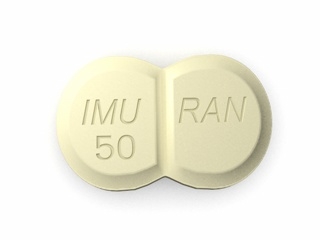
Imuran is a medicine containing azathioprine. It belongs to a group of medicines that reduce abnormal immune activity. In the UK, azathioprine is used for several long-term conditions, often when a balance is needed between controlling inflammation and minimising side effects.
This guide explains what Imuran is, how it works, how it behaves in the body, what it’s used for, practical tips for taking it, and important safety information. It’s written for patients and carers and is intended to be helpful and easy to understand.
Basic product information
- Active ingredient: Azathioprine
- Brand name: Imuran
- Medicine type: Immunosuppressant (anti-metabolite / purine analogue)
- How it’s taken: Oral tablets (strengths vary by product/pack)
- Common reason for use: To help control immune-related inflammation and reduce disease activity
Note: Always follow the instructions on your medicine label and any treatment plan agreed by your healthcare team.
How Imuran works (mechanism of action)
Azathioprine helps calm an overactive immune system. After you take it, the body converts azathioprine into active substances (metabolites). These metabolites interfere with the building of DNA and RNA in rapidly dividing immune cells.
As a result, fewer immune cells can multiply and produce inflammatory signals. Over time, this can:
- Reduce immune-driven inflammation
- Lower disease activity
- Help reduce the need for other medicines in some conditions (for example, steroids), depending on your treatment plan
Key point: Imuran is not usually fast-acting. Many patients start to see benefit only after weeks, and sometimes longer.
Pharmacokinetics: what happens in the body
“Pharmacokinetics” describes how the medicine is absorbed, processed, and cleared from the body.
Absorption
- Azathioprine is taken by mouth and absorbed from the gastrointestinal tract.
- Food and individual metabolism can influence how much is absorbed.
Metabolism
- Azathioprine is converted in the body to active and inactive metabolites.
- Individual genetic differences (including the activity of an enzyme called TPMT) and other factors can affect metabolite levels.
- Because of this, many patients have blood tests and sometimes genetic testing as part of safe dosing.
Elimination
- Metabolites are cleared mainly via the kidneys and through liver processing.
- Kidney and liver function can affect safe use, so regular monitoring may be required.
Onset of effect
- Imuran is typically used for long-term control.
- Clinical improvement may take several weeks (often 6–12 weeks or longer) depending on the condition and your response.
Typical uses and indications in the UK
Imuran is used in several immune-mediated conditions. The exact choice of medicine and dosing will depend on your diagnosis, severity, and other factors (such as blood counts, liver function, and previous treatments).
Common indications include:
- Inflammatory bowel disease (IBD): Including Crohn’s disease and ulcerative colitis, particularly to maintain remission or reduce steroid dependence.
- Autoimmune hepatitis: To control liver inflammation.
- Some dermatology conditions: In selected cases (for example, certain severe inflammatory skin diseases), depending on specialist assessment.
- Other immune-mediated disorders: In specialist care where immunosuppression is needed.
- Off-label / specialist use: In some circumstances it may be used under specialist oversight for conditions not covered by the most common indications.
Transplant-related note: Some immunosuppressive regimens in transplant medicine may include azathioprine; however, your suitability depends on your specific situation and clinical team guidance.
When to take Imuran (timing)
Azathioprine tablets are usually taken or depending on the prescribed regimen.
General timing tips:
- Try to take it at the same time each day to help maintain steady levels.
- If your dose is split, take each dose at the times your label specifies.
- If you forget a dose, don’t double up—contact your healthcare team or follow pharmacy advice.
Consistency matters: The most important factor is taking your prescribed dose correctly and regularly, especially during the period when the medicine is “settling in.”
Food interactions and eating habits
In many patients, azathioprine can be taken with or without food. However, food may influence tolerability, particularly if you experience nausea or stomach upset.
Helpful practical approaches:
- If you feel unwell after taking it on an empty stomach, try taking it with food (unless your clinician has advised otherwise).
- Maintain a consistent approach (either always with food or always without, if this works for you).
Gastrointestinal side effects: Some people experience nausea, reduced appetite, or abdominal discomfort. These effects can often be managed by adjusting the timing with meals, but if symptoms persist, speak to your prescriber.
Alcohol and medicine interactions
Alcohol
Because azathioprine can involve the liver and may affect liver enzymes, it’s important to be cautious with alcohol.
- General advice: Keep alcohol intake modest and discuss your typical pattern with your healthcare team.
- If you notice jaundice (yellowing of eyes/skin), dark urine, severe fatigue, or right-sided upper abdominal pain, seek medical advice promptly.
Medicine interactions (important)
Some medicines can change how azathioprine works or increase the risk of side effects. Always tell your healthcare team and pharmacist about all medicines you take, including over-the-counter products, vitamins, and herbal supplements.
Notable interaction categories include:
- Allopurinol and febuxostat: These can significantly increase azathioprine toxicity risk. Combining generally requires dose adjustment and specialist oversight.
- Other medicines that suppress bone marrow: May increase the risk of low blood counts.
- Warfarin: Azathioprine may affect clotting/INR in some situations; monitoring may be needed.
- ACE inhibitors (selected cases), cimetidine: Some medicines may interact; ask your pharmacist for specific advice.
- Live vaccines: Immunosuppression can affect vaccine safety. In many cases, live vaccines are avoided while taking immunosuppressants.
Herbal supplements: Some herbal products may affect immune function or liver metabolism. It’s best to check with a pharmacist before starting them.
Dosing: how Imuran is prescribed
Azathioprine dosing is individualised. It is determined by factors such as your condition, age, weight, blood tests (including blood count and liver function), and sometimes TPMT activity.
Common dosing approach (general information):
- Dose is usually calculated based on body weight in mg/kg.
- Many treatment plans start at a lower dose and gradually adjust based on blood test results and response.
- After stability is achieved, the dose may be maintained long-term with ongoing monitoring.
Never change your dose yourself. If you miss doses or have side effects, your prescriber may adjust the regimen or arrange additional tests.
Important: The dose and schedule you need may differ significantly from someone else with a different condition. Your label instructions and clinician plan are the safest guide.
Safety profile: what to watch for
Like all medicines, Imuran can cause side effects. Some are mild and manageable, while others require urgent attention. Because azathioprine affects the immune system and can influence blood cells and the liver, regular monitoring is essential.
Common or manageable side effects
- Nausea, stomach upset, reduced appetite
- Fatigue or feeling generally unwell
- Hair thinning in some cases (variable and not universal)
Serious risks (need prompt medical attention)
Seek urgent medical advice if you develop:
- Signs of infection: fever, chills, persistent sore throat, unusual cough, or feeling significantly worse
- Unexplained bruising or bleeding: nosebleeds, bleeding gums, or pinpoint red spots on skin
- Severe mouth ulcers or widespread sores
- Liver problems: yellowing of eyes/skin, dark urine, severe abdominal pain, or severe tiredness
- Allergic reaction symptoms: swelling of face/lips, rash with breathing difficulty
Long-term safety considerations
- Blood count suppression: can occur (especially early in treatment or after dose changes).
- Increased risk of certain infections due to immune suppression.
- Skin cancer risk: Some immunosuppressants can increase long-term risk. If you’re using azathioprine long term, follow sun safety advice and attend skin checks as recommended.
- Rare but serious complications: Your clinician may discuss specific risks based on your condition and overall health.
Practical use tips (how to take Imuran safely)
- Attend monitoring appointments: blood tests are commonly required to check full blood count and liver function.
- Report symptoms early: don’t wait until your next appointment if you suspect infection or have unusual bleeding/bruising.
- Maintain good infection hygiene: wash hands regularly and avoid close contact with people who have contagious infections where possible.
- Vaccinations: discuss with your healthcare team which vaccines are safe and which should be avoided.
- Sun protection: use sunscreen and protective clothing, especially if you’re on long-term immunosuppression.
- Keep a medication list: include all prescription and non-prescription products, plus supplements and herbal remedies.
Alternative treatment options (discuss with your specialist)
Your best alternative depends on the condition you’re treating, your history, and how you’ve responded to previous medicines. If Imuran isn’t suitable or you need to switch, your specialist may consider:
- Other immunosuppressants: such as methotrexate, ciclosporin, or mycophenolate (condition-dependent).
- Biological therapies: e.g., anti-TNF agents or other targeted treatments for certain immune conditions.
- Corticosteroids: sometimes used short term for flare control, with a goal of reducing long-term steroid exposure where possible.
- Condition-specific options: For IBD and autoimmune hepatitis, there are multiple pathways; your clinician will tailor the choice.
Do not stop or start alternative medicines on your own. Switching can require careful timing and monitoring.
Market and legal context in the UK
Imuran (azathioprine) is established within UK healthcare as an immunosuppressant used across multiple specialist services. In the UK, medicines are regulated and licensed by the Medicines and Healthcare products Regulatory Agency (MHRA).
Key points about UK context:
- Licensed status: Different products and strengths may have varying licensed indications and patient information. Your pharmacy will supply the product specified for your prescription/plan.
- Safety monitoring: UK prescribing practice includes ongoing laboratory monitoring due to known risks.
- Antimicrobial and vaccination guidance: UK immunosuppression guidance affects how vaccines are managed for patients on azathioprine.
Recent guidance and monitoring approach (UK-focused)
Guidance for azathioprine use evolves with safety evidence and clinical practice. In the UK, prescribers typically follow safety principles such as:
- Regular blood tests (full blood count and liver function tests), especially during initiation and dose changes.
- Consideration of TPMT activity in some patients, where appropriate, to reduce risk of severe blood count suppression.
- Review of interacting medicines (e.g., allopurinol) before starting and when new medicines are added.
- Vaccination review for immunosuppressed patients, avoiding live vaccines in many cases.
Always check for updates with your clinician or pharmacist, particularly if your treatment is long-term or your health changes.
Delivery and availability in the UK (online pharmacy)
Imuran (azathioprine) availability may vary by strength and local supply. Most UK pharmacies aim to dispatch orders quickly once confirmed.
- Availability: We recommend selecting the exact strength and formulation shown in your order details to avoid delays.
- Delivery: Delivery times depend on your location and the courier service available.
- Order processing: Please allow time for verification and packaging before dispatch.
Cold storage: Imuran tablets generally do not require refrigeration, but always store as stated on the carton/leaflet.
If you need urgent treatment continuity, contact customer support so the pharmacy can advise on the fastest option.
Storage instructions
- Keep tablets in their original packaging.
- Store at room temperature and protect from excess heat and moisture.
- Keep out of sight and reach of children.
- Do not use after the expiry date on the pack.
FAQ about Imuran (Azathioprine)
1) How long does Imuran take to work?
Imuran is not usually immediately effective. Many people notice benefit after 6–12 weeks, though some improvements may take longer depending on the condition and your response.
2) Will I need regular blood tests?
Yes. Regular monitoring of your full blood count and liver function is a key part of safe azathioprine treatment, especially early on and after dose changes.
3) What should I do if I miss a dose?
Do not take a double dose. Contact your pharmacy or healthcare team for advice based on your schedule and how many doses you’ve missed.
4) Can I drink alcohol while taking Imuran?
It’s best to limit alcohol and discuss your intake with your clinician, as azathioprine can affect the liver. Seek medical advice if you develop signs of liver problems.
5) Is it safe to take Imuran with food?
Often yes. Some people find taking it with food reduces nausea. Choose an approach that suits your stomach and stays consistent.
6) What infections should I watch for?
Contact a healthcare professional promptly if you have fever, persistent sore throat, unusual cough, painful urination, or feel significantly unwell. Imuran can increase susceptibility to infections.
7) Can I have vaccinations?
Many vaccination decisions depend on the type of vaccine. In general, live vaccines are often avoided during immunosuppression. Discuss your vaccination plan with your healthcare team.
8) Are there alternatives if Imuran causes side effects?
Yes. Your specialist may consider other immunosuppressants, biological therapies, or different regimens depending on your condition and how you’ve responded.
9) What should I do if I develop a rash or feel unwell shortly after taking it?
If you have signs of an allergic reaction (such as facial/lip swelling or difficulty breathing), seek urgent medical help. For non-urgent rashes, contact your healthcare team promptly for assessment.
10) How is azathioprine dosing determined?
Dosing is individualised, often based on body weight and adjusted according to blood tests, liver function, and treatment response.
Summary
Imuran (azathioprine) is an established immunosuppressant used in the UK for several immune-mediated conditions. It works by reducing activity of rapidly dividing immune cells, which helps control inflammation over time. Because it can affect blood counts and the liver and may increase infection risk, regular monitoring and prompt reporting of symptoms are essential.
If you have questions about taking Imuran, interactions with your current medicines, or what to expect during monitoring, speak to your pharmacist or clinical team.
| Topic | What patients commonly need to know |
|---|---|
| Medicine name | Imuran (azathioprine) |
| Type | Immunosuppressant |
| How it works | Reduces immune cell multiplication and inflammatory activity |
| When it works | Often takes weeks; not usually immediate |
| Food | Often can be taken with or without food; take with food if it helps nausea |
| Alcohol | Use caution due to potential liver effects; discuss intake |
| Monitoring | Regular blood tests (full blood count, liver function) |
| Important interactions | Some medicines (e.g., allopurinol) can increase toxicity; check with pharmacist |
| Seek urgent help if | Fever/infection symptoms, unusual bleeding/bruising, signs of liver problems, allergic reaction |