

Digoxin (Medicinal Product Information) — Patient Guide (UK)
Digoxin is a long-established medicine used to treat certain heart conditions. It works by strengthening heart muscle contractions and, in some people, slowing the heart rate. Because digoxin has a narrow safety margin, careful dosing and monitoring are important.
This guide explains how digoxin works, when it’s used, how to take it, what to expect, and key safety information—written to be easy to follow for patients in the United Kingdom.
Basic product information
- Generic name: Digoxin
- What it’s used for: Heart failure (in selected patients) and certain abnormal heart rhythms
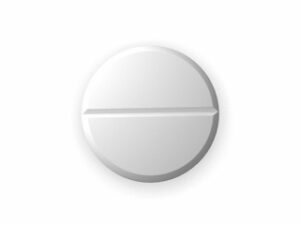
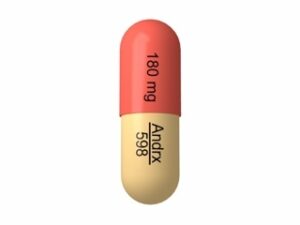
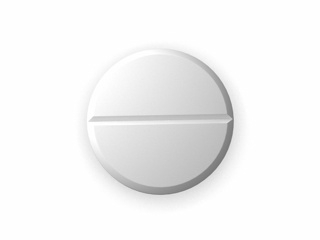
- How it’s taken: Usually by mouth (tablets or capsules, and in some cases liquid preparations)
- Strengths: Vary by product and formulation
- Onset: Effects may be noticed within hours, but full benefit (especially in heart failure) can take longer
- Monitoring: Blood tests (digoxin level), kidney function, and electrolytes (e.g., potassium, magnesium) may be used
Brand names vary by manufacturer and availability. Always check the specific pack for strength and instructions.
How digoxin works (mechanism of action)
Digoxin belongs to a class of medicines known as cardiac glycosides. It affects how heart cells handle calcium and sodium:
- Increases heart contractility: Digoxin inhibits the Na+/K+-ATPase pump, which increases intracellular sodium. This influences the sodium–calcium exchanger, leading to increased intracellular calcium. In the heart, more calcium can strengthen contraction.
- Slows heart rate: Digoxin enhances vagal (parasympathetic) tone. This can reduce the conduction through the atrioventricular (AV) node—helpful in certain fast heart rhythms.
- Does not “cure” the rhythm: It helps control symptoms and rate in selected conditions, but it is not a substitute for rhythm management in all cases.
Pharmacokinetics: how your body absorbs, distributes and clears digoxin
Digoxin’s behaviour in the body is one reason dosing must be careful. Key points include:
- Absorption: Digoxin is absorbed from the gut, but absorption can vary between people.
- Distribution: It distributes widely in body tissues, including the heart. It binds partially to tissues, so levels can build up.
- Elimination: Mainly cleared by the kidneys. If kidney function is reduced, digoxin can accumulate and toxicity risk increases.
- Half-life: Relatively long, often measured in days—meaning dose adjustments may take time to fully take effect.
- Why monitoring matters: Because digoxin levels can rise with interacting medicines, dehydration, or electrolyte changes, clinicians may check blood levels, especially after starting, changing dose, or starting new interacting drugs.
Typical use in the UK
Digoxin is used in selected patients, typically where it can improve symptoms or help control heart rate. Common indications include:
- Heart failure (HFrEF) in selected patients: Digoxin may help reduce symptoms and hospital admissions in some individuals with chronic heart failure, particularly when symptoms persist despite other therapies.
- Atrial fibrillation (AF): Digoxin may be used to help control ventricular rate in people with AF, especially when certain other rate-control treatments are unsuitable or insufficient.
- Atrial flutter or other supraventricular tachyarrhythmias: Sometimes used for rate control depending on the clinical scenario.
Choice of treatment depends on your overall health, heart function, rhythm type, blood pressure, kidney function, and other medicines you take.
Indications: when digoxin may be recommended
Your prescriber will consider digoxin when there is a balance of benefit and risk. In practice, digoxin is most often considered for:
- Symptomatic chronic heart failure where symptom control is needed and/or as an add-on in certain patients
- Atrial fibrillation for rate control, particularly in sedentary or less active individuals or when other agents are less appropriate
- Patients requiring stable rate control and monitoring access for safety
If you have a slow heart rate at baseline, certain conduction problems, or low potassium, digoxin may not be suitable without careful supervision.
How and when to take digoxin (timing and routine)
Follow the instructions on your medicine label. In general:
- Take at the same time each day to keep blood levels steady.
- With or without food: Many digoxin products can be taken with or without food (see food section for details).
- Do not miss doses: If you miss a dose, take it when you remember unless it’s close to the next scheduled dose. Do not take double doses.
- Keep an up-to-date list of medicines and doses to review with your pharmacist or clinician.
Digoxin can take time to build up in the body. Changes to dose should be done carefully and may require monitoring of levels and electrolytes.
Food interactions and what to watch
Food can affect medication absorption for some medicines. For digoxin:
- Typical advice: Many patients can take digoxin with or without food. However, some formulations may have absorption influenced by certain meals.
- Stable routine helps: Try to take it consistently in relation to meals (e.g., always with breakfast or always between meals) unless your healthcare team advises otherwise.
- Grapefruit and fruit juices: Grapefruit primarily interacts with certain drugs through liver enzymes and transporters. While digoxin interactions are not always straightforward, it’s sensible to avoid sudden large changes in grapefruit intake and discuss with your pharmacist if you regularly consume grapefruit products.
If you notice unexpected changes in symptoms after diet changes, vomiting, diarrhoea, or starting a new supplement, seek advice.
Alcohol and medicine interactions
Alcohol can affect your heart rhythm, blood pressure, hydration status, and medication adherence. When taking digoxin:
- Avoid binge drinking: Large amounts of alcohol can increase dehydration and may worsen heart rhythm problems.
- Hydration matters: Dehydration can raise digoxin levels indirectly (through reduced kidney clearance).
- Medication adherence: Alcohol may contribute to missed or incorrect dosing, increasing risk.
Alcohol is not usually listed as a direct digoxin “interaction” in the same way as some prescription medicines, but the safest approach is to keep alcohol moderate and consistent with medical advice for your heart condition.
Medicine interactions (important for safety)
Digoxin interacts with several medicines that can raise or lower digoxin levels, or change heart rate and rhythm. These interactions may increase the risk of digoxin toxicity or reduce effectiveness.
Tell your pharmacist or prescriber about all medicines you take, including:
- Over-the-counter products
- Herbal supplements (especially those affecting heart rhythm or kidney function)
- Vitamins and mineral supplements
- Antacids and laxatives
Examples of interacting medicines (commonly discussed)
This list is not exhaustive. Always check with a healthcare professional.
- Potassium and magnesium altering medicines: Low potassium or low magnesium can increase toxicity risk. Some diuretics (“water tablets”) may lower these electrolytes.
- Amiodarone: Can increase digoxin levels. Dose adjustment and monitoring may be needed.
- Verapamil and diltiazem: May increase digoxin levels and slow heart rate; careful monitoring is required.
- Macrolide antibiotics (e.g., clarithromycin) and some antifungals: May increase digoxin exposure.
- Rifampicin: May reduce digoxin levels.
- Some antiarrhythmics and other rate-control medicines: May compound effects on heart rhythm and conduction.
Dehydration and electrolyte changes
Digoxin levels can effectively rise if you become dehydrated or develop electrolyte problems, for example:
- Vomiting or severe diarrhoea
- Uncontrolled fever with poor intake
- Changes in diuretic doses
- Low potassium from diet changes or certain medicines
If you are unwell, have vomiting/diarrhoea, or cannot keep fluids down, seek timely advice—especially if you take digoxin.
Dosing: how digoxin doses are determined
Digoxin dosing is individual. Factors that may affect your dose include:
- Age (risk of accumulation can be higher in older people)
- Kidney function
- Body weight and overall health
- Whether you are also taking interacting medicines
- The heart condition being treated
- Target blood level if blood tests are used
Some patients receive a loading regimen when starting (or restarting) digoxin, while others start with a maintenance dose and are titrated based on response and safety monitoring. The exact schedule depends on your clinical situation.
Typical maintenance dosing (general information)
Doses vary by product strength, age, kidney function, and clinical indication. Your label will show your exact prescribed dose.
| Patient group | General approach | Why it varies |
|---|---|---|
| Adults with normal kidney function | Maintenance dosing with possible monitoring | Lower risk of accumulation |
| Older adults | Often start lower than expected | Reduced kidney clearance and higher sensitivity |
| Reduced kidney function | Lower and/or less frequent dosing | Digoxin clears mainly through kidneys |
| Patients on interacting medicines | May require dose adjustment | Higher digoxin levels from drug interactions |
Important: Never adjust your dose yourself. If you think your dose is wrong, contact a healthcare professional.
Safety profile: side effects and when to seek help
Digoxin can be safe when taken correctly and monitored appropriately, but toxicity can occur—especially if levels become too high. Side effects may include both mild and serious symptoms.
Possible side effects
- Nausea, vomiting
- Loss of appetite
- Headache or dizziness
- Fatigue or weakness
- Visual disturbances (e.g., blurred vision, changes in colour perception)
- Changes in heart rate (too slow can cause symptoms)
Signs of possible digoxin toxicity (urgent attention)
Seek urgent medical advice if you develop symptoms that could indicate toxicity, particularly:
- New or worsening nausea and vomiting
- Significant changes in heart rhythm (palpitations, fainting, very slow pulse)
- Severe weakness or confusion
- Vision changes (e.g., halos around lights, colour changes)
- Shortness of breath or chest pain
In an emergency, call 999 or seek immediate help. If symptoms are not severe but are concerning, contact 111 for NHS advice.
Practical use tips for patients
- Take it consistently: Use a daily routine (morning or evening) and consider a pill organiser.
- Attend monitoring appointments: If blood tests are arranged, keep them. This may include kidney function and electrolyte checks.
- Know your pulse: If you’ve been taught how to check your heart rate, follow guidance and report very slow or very irregular readings.
- Stay hydrated: Especially during hot weather or illness—unless you’ve been advised to restrict fluids due to heart failure.
- Be careful with “water tablets”: If you take diuretics, electrolyte changes can occur. Don’t stop or alter doses without advice.
- Keep track of new medicines: Ask your pharmacist to check interactions when starting antibiotics, antifungals, or heart rhythm medicines.
- Label and formulation matters: Digoxin tablets and digoxin liquid are not always interchangeable unit-for-unit. Use the exact product you were given.
What to do if you miss a dose
If you miss a dose:
- Take it as soon as you remember, unless it’s near the time of your next dose.
- If close to the next dose, skip the missed dose and take your next dose at the usual time.
- Do not take double to make up for the missed dose.
If you’re unsure, contact your pharmacist or NHS 111 for advice—particularly if you missed more than one dose or you feel unwell.
Special situations: illness, vomiting/diarrhoea, and dehydration
Digoxin toxicity risk can increase when your body loses fluid or electrolytes. If you develop:
- Vomiting
- Severe diarrhoea
- High fever with poor intake
- Sudden poor drinking due to illness
Contact your healthcare team promptly for guidance. You may need closer monitoring or adjustment depending on your blood pressure, kidney function, and current symptoms.
Alternative options to digoxin (UK patient choices)
Alternatives depend on the condition being treated (heart failure vs atrial fibrillation) and your personal circumstances. Common alternatives may include:
- For heart failure: medicines such as ACE inhibitors/ARBs, beta-blockers, mineralocorticoid receptor antagonists, and others depending on your heart failure type and severity.
- For atrial fibrillation rate control: beta-blockers and calcium-channel blockers are often used; sometimes other rhythm-control strategies are considered.
Your clinician will choose options based on your blood pressure, heart rate targets, symptom burden, kidney function, and how well the rhythm is controlled.
If you’re interested in alternatives, discuss them with your healthcare team—especially if you’ve had side effects, monitoring difficulties, or drug interactions.
UK market and legal context (availability and regulation)
Digoxin products are regulated medicines in the United Kingdom. They may be available in different brands and formulations depending on manufacturer and supply.
- Regulatory oversight: Medicines are authorised and monitored to help ensure quality, safety, and effectiveness.
- Supply considerations: Like many medicines, availability can occasionally be affected by supply chain pressures. If stock is temporarily limited, your pharmacist may discuss suitable alternatives or timing.
- Patient safety: Because digoxin requires careful dosing, healthcare professionals often emphasise correct formulation, consistent dosing, and monitoring.
Online pharmacies in the UK must follow relevant laws and quality standards for selling regulated medicines. Always use a reputable supplier and ensure you receive the correct product and strength.
Recent guidance and monitoring themes
Clinical practice around digoxin often emphasises:
- Individualised dosing with attention to kidney function and age
- Reviewing interacting medicines whenever new treatments are started
- Using blood tests when appropriate—particularly if there are symptoms of toxicity, kidney function changes, or complex medication combinations
- Electrolyte management (potassium and magnesium) to reduce toxicity risk
Recommendations may evolve over time as new evidence emerges. Your healthcare team will apply current best practice for your condition.
Delivery and availability (online pharmacy information)
Availability varies between online pharmacies and suppliers. When ordering digoxin, it’s important to:
- Choose the correct strength and formulation shown on your medicine list.
- Check packaging details (tablets vs capsules vs liquid) before use.
- Allow for delivery times—especially if stock is limited.
- Track your order using your dispatch information.
Many UK pharmacies offer standard and express delivery options depending on location and order cut-off times. If you need urgent medication, contact customer support to discuss fastest delivery or alternatives.
Storage and disposal
- Storage: Keep digoxin in its original packaging, away from excessive heat and moisture, and out of sight and reach of children.
- Do not use after the expiry date on the carton and blister/label.
- Disposal: Return unused or expired medicine to a pharmacy take-back scheme where available. If no scheme exists, follow local guidance for safe disposal.
FAQ: Digoxin in the UK
1) How long does digoxin take to work?
Some effects—especially on heart rate—may be noticeable within hours. For symptoms of heart failure, improvement may take longer and can depend on your overall treatment plan. Your clinician can advise what timeline is realistic for you.
2) Will digoxin make my heart rate too slow?
It can. Digoxin slows AV node conduction, so if your natural rate is already low, or if you have conduction problems, you may become bradycardic (too slow) or feel dizzy or faint. That’s why dose selection and monitoring matter.
3) Can I take digoxin with my other heart medicines?
Often yes, but the combination is important. Some medicines can raise digoxin levels or increase effects on heart rhythm. Always check interactions with a pharmacist when starting, stopping, or changing doses.
4) What should I do if I develop nausea or vision changes?
These can be warning signs of digoxin toxicity, particularly if they occur alongside changes in heart rhythm or feeling very unwell. Contact urgent medical advice promptly.
5) Does digoxin interact with antacids?
Some antacids can affect absorption of certain medicines. If you use antacids regularly, discuss timing and suitability with your pharmacist to ensure consistent absorption of digoxin.
6) Can I drink alcohol while taking digoxin?
Keep alcohol moderate. Avoid binge drinking because dehydration and heart rhythm changes can increase risk. If you have been advised to limit alcohol for your heart condition, follow that advice closely.
7) Is it safe to stop digoxin suddenly?
Stopping without advice may worsen control of symptoms or heart rhythm. If you’re considering stopping or switching, speak to your healthcare team so the change can be managed safely.
8) How are digoxin blood levels checked?
Blood tests may measure digoxin concentration to assess safety and dosing. Timing of the sample relative to your dose can matter for interpretation. Your healthcare team will give instructions if testing is planned.
9) What if my kidney function gets worse?
Reduced kidney function can cause digoxin to accumulate. If you notice reduced urine output, worsening swelling, sudden illness, or changes in your usual health, contact your clinician. They may arrange blood tests and consider dose adjustment.
10) Are there alternatives if I can’t tolerate digoxin?
Yes, but the best alternative depends on your condition (heart failure vs atrial fibrillation) and your health profile. Your prescriber can discuss other medications and options tailored to you.
Reminder: Digoxin requires careful use. If you have concerns about side effects, interactions, or missed doses, seek advice from a healthcare professional. In an emergency (such as severe symptoms or fainting), contact emergency services immediately.