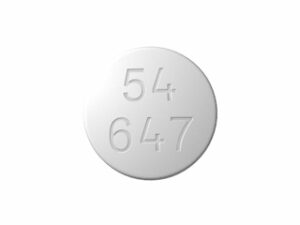
Cilostazol (Cilostazol Tablets) — Patient-Friendly Guide
Cilostazol is a medicine used to help improve walking ability in people who have certain types of circulation problems. It works by affecting blood flow and the way platelets behave, and it can help reduce symptoms such as leg pain when walking (claudication). This guide explains what cilostazol is, how it works, how it’s taken, likely interactions, and practical tips to help you use it safely.
Important: The information below is for general patient education. Always follow your clinician’s instructions and the medicine label. If you have questions about suitability for you, ask a pharmacist.
Basic product information
- Generic name: Cilostazol
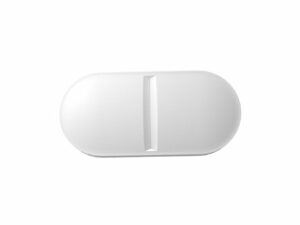
- Medicinal form: Tablets
- Common strength: Varies by product (often 100 mg tablets)
- What it’s used for: Symptom relief in peripheral arterial disease (PAD) causing intermittent claudication
- Who it may not suit: People with certain heart conditions (for example, heart failure), some bleeding risks, or specific medication interactions
What cilostazol is used for (typical indications)
In the United Kingdom, cilostazol is primarily used to improve walking distance and reduce symptoms of intermittent claudication, which occurs when muscles in the legs don’t get enough blood during walking due to narrowed arteries in peripheral arterial disease.
Intermittent claudication (PAD-related leg pain)
Symptoms may include:
- Pain, cramping, heaviness, or tightness in the legs during walking
- Symptoms improving with rest
- Reduced walking distance over time
How cilostazol works (mechanism of action)
Cilostazol has multiple related actions that help improve symptoms in PAD:
- Phosphodiesterase (PDE) inhibition: Cilostazol inhibits PDE-3, leading to increased levels of cyclic AMP inside cells.
- Vasodilation: The rise in cyclic AMP helps relax blood vessel walls, which may improve blood flow to exercising muscles.
- Antiplatelet effects: It reduces platelet aggregation (clumping), which can improve microcirculation.
- Additional effects: It may also have effects that improve circulation at the level of the vessel lining and reduce inflammation-related pathways.
Overall, cilostazol is designed to reduce symptoms and help you walk farther by improving blood flow and reducing platelet-related blockage.
Pharmacokinetics (how the body handles cilostazol)
Pharmacokinetics describes absorption, distribution, metabolism, and elimination. While exact values can vary by individual, the main points are:
| Topic | What typically happens |
|---|---|
| Absorption | Cilostazol is absorbed after oral dosing. Food can affect the speed and extent of absorption (see the food section below). |
| Peak effect time | Blood levels tend to rise to a peak after dosing. The medicine is usually taken more than once daily to maintain effect. |
| Metabolism | It is metabolised in the liver, mainly via CYP enzymes (notably CYP3A4 and CYP2C19). This is why some medicines can significantly affect its levels. |
| Active metabolites | Metabolites may contribute to overall effect and safety profile. |
| Elimination | Mostly eliminated by the kidneys (urine) and to a lesser extent through other routes. |
| Half-life (general) | Cilostazol and metabolites have elimination half-lives that support a twice-daily regimen for many patients. |
Timing & how to take cilostazol
Cilostazol is commonly taken twice daily. Many regimens use an interval of about 12 hours (for example, morning and evening). Your exact dosing schedule should follow your medicine label and local instructions.
Practical timing tips
- Choose consistent times: Taking it around the same times each day helps maintain steady levels.
- Keep to a 12-hour gap (if advised): For twice-daily dosing, aim for roughly morning/evening.
- If you miss a dose: Take it when you remember if it’s close to the next dose. If it’s nearly time for the next dose, skip the missed dose—do not double up.
- Don’t stop suddenly: If you feel unwell or experience side effects, contact a healthcare professional before changing your treatment.
Food interactions (what to know)
Food can influence how quickly cilostazol is absorbed. In general, it may be taken with or without food depending on what your clinician recommends and how your stomach tolerates it.
General advice
- If you get stomach upset: Taking it with food or after a meal may help.
- Be consistent: If you take it with food, continue that routine to avoid fluctuations.
- Avoid sudden dietary changes with interacting products: While the main interactions are usually medicines, very large changes in intake of certain substances may affect overall tolerability.
Alcohol and medicine interactions
Cilostazol is an antiplatelet/vasodilating medicine and alcohol may worsen side effects such as dizziness or headache in some people. Alcohol may also increase the risk of stomach irritation when combined with certain medicines.
Practical guidance
- Moderation is advisable: If you drink alcohol, keep it moderate.
- Watch for dizziness: Avoid driving or operating machinery if alcohol and cilostazol make you feel lightheaded.
- Bleeding risk considerations: If you have a bleeding tendency or take other medicines that affect clotting, discuss alcohol use with a pharmacist.
For safety, disclose your alcohol intake to your healthcare professional—particularly if you drink regularly or have a history of liver disease.
Medicine interactions (important)
Cilostazol can interact with other medicines. These interactions may change cilostazol levels or increase bleeding risk. Your pharmacist can check your current list for compatibility.
Common interaction themes
- Strong CYP3A4 inhibitors: Some antifungals and certain antibiotics may raise cilostazol levels, increasing side effects.
- Strong CYP2C19 inhibitors: Some medicines used for acid-related conditions can increase cilostazol levels.
- Anticoagulants and other antiplatelets: Combined use may increase bleeding risk.
- Other blood pressure or heart medicines: Cilostazol may lower blood pressure or affect circulation, increasing dizziness in some people.
Examples of interaction categories to discuss
- Antiplatelets/anticoagulants: e.g., aspirin, clopidogrel, warfarin, apixaban, rivaroxaban, dabigatran (as examples—your pharmacist will check exact combinations).
- Some acid-suppressing medicines: depending on which one (omeprazole and similar agents may affect CYP enzymes).
- Statins: some statins can interact depending on metabolism (individual risk varies).
- Heart rhythm or blood pressure medicines: check if your regimen includes multiple cardiovascular drugs.
Always tell your pharmacist about all medicines you take, including over-the-counter products such as ibuprofen, naproxen, and aspirin-containing cold remedies.
Recommended dosing (general information)
Dosing depends on your condition, kidney and liver function, and interacting medicines. A common regimen for intermittent claudication is:
- Typical adult dose: 100 mg twice daily (morning and evening)
Your clinician may adjust the dose or advise stopping if you experience side effects or if there is insufficient improvement.
Who may require extra caution
- Kidney impairment: Dose adjustments may be considered; ask a pharmacist if you have reduced kidney function.
- Liver impairment: Cilostazol is processed in the liver; reduced function may require caution.
- Older adults: Many older patients do well, but side effects like dizziness should be watched for.
- People on interacting medicines: Dosing may need careful review.
Safety profile & side effects
Most medicines can cause side effects. Many people find they are mild and improve after the first days to weeks. However, some effects require urgent medical attention.
Common side effects
- Headache
- Dizziness or lightheadedness
- Palpitations (feeling of rapid or irregular heartbeat)
- Flushing
- Abdominal discomfort, nausea, or diarrhoea
- Increased heart rate in some individuals
Less common but serious risks
- Bleeding problems: Because cilostazol affects platelet function, it may increase bleeding risk. Seek advice if you notice unusual bruising, nosebleeds, bleeding gums, or prolonged bleeding.
- Severe allergic reaction: swelling of the face/lips, difficulty breathing, severe rash—urgent care is needed.
- Signs of low blood pressure: fainting, severe dizziness.
- Abnormal heart symptoms: chest pain, very fast heartbeat, fainting, or shortness of breath should be assessed urgently.
When to seek urgent help
Contact emergency services or seek urgent medical care if you develop:
- Symptoms of a serious allergic reaction
- Signs of major bleeding (for example, vomiting blood, black/tarry stools, or blood in urine)
- Severe chest pain or collapse
- Breathing difficulties with rash or swelling
Practical use tips to improve outcomes
Cilostazol is most effective when combined with lifestyle measures. In PAD, exercise therapy and risk factor control are key. These tips can help you make the most of treatment:
1) Keep active with a walking programme
- Follow a structured walking plan if your clinician has recommended one.
- Try to walk until symptoms start, rest, then resume (as advised).
- Consistency matters—track your walking distance and symptom changes.
2) Don’t smoke
Smoking worsens PAD and can reduce walking benefits. If you smoke, seek help to stop—your pharmacist can suggest options.
3) Manage cardiovascular risk factors
- Keep blood pressure and cholesterol under review.
- Maintain healthy blood sugar levels if you have diabetes.
- Eat a heart-healthy diet and aim for a healthy weight.
4) Use a medicine reminder
- Set phone alarms for morning and evening doses.
- Keep tablets in a cool, dry place.
5) Monitor how you respond
- Track walking distance and the severity/frequency of leg pain.
- If improvement is not seen, ask your clinician whether continued use is appropriate.
Practical questions about missed doses, stopping, and storage
- Missed dose: Take it when remembered unless close to the next scheduled dose. Do not double.
- Stopping: Do not stop suddenly without advice—symptoms may return or worsen.
- Storage: Keep tablets in the original packaging and out of sight and reach of children. Store at room temperature unless your product label says otherwise.
Alternative options for PAD-related claudication
Treatment for intermittent claudication depends on severity and your overall health. Alternatives may include:
Non-medicine options
- Supervised exercise therapy (often considered a first-line approach)
- Smoking cessation and structured walking programmes
- Vascular risk reduction (cholesterol, blood pressure, diabetes control)
Other medicines (depending on your case)
- Antiplatelet therapy (to reduce cardiovascular risk) — choice depends on your medical history.
- Cholesterol-lowering medicines to reduce progression of atherosclerosis.
- Other symptom-targeting medicines may be considered by clinicians in specific circumstances. Availability and suitability vary.
Procedures
For some people with severe PAD, vascular interventions (such as angioplasty or bypass surgery) may be considered. These are assessed by vascular specialists.
Your pharmacist can discuss whether there are other options that may better fit your needs, especially if you experience side effects or drug interactions with cilostazol.
UK market & legal context (what to expect in the United Kingdom)
In the UK, medicines are regulated by the Medicines and Healthcare products Regulatory Agency (MHRA) and distributed under the relevant UK frameworks. Cilostazol is used for peripheral arterial disease symptoms, and availability can vary by product and supplier. Online pharmacies operate within the UK’s medicines supply regulations and must follow legal requirements for safe sourcing, storage, and dispensing.
How this affects you: Depending on supply, strength and brand may differ. If you have a specific requirement (for example, a particular strength), check availability before ordering.
Recent guidance and clinical practice considerations
Across the UK and Europe, clinical practice for intermittent claudication continues to emphasise:
- First-line lifestyle and supervised exercise where appropriate
- Cardiovascular risk factor management (because PAD is linked to heart and stroke risk)
- Symptom relief medicines for selected patients who still have bothersome symptoms, after considering suitability and side effects
- Regular review of benefit—if there is not enough improvement, treatment may be adjusted.
If you are unsure whether cilostazol remains the best option for you, speak with your pharmacist or clinician during routine reviews.
Delivery and availability (online pharmacy overview)
Availability can vary depending on stock, strength, and packaging. Many UK online pharmacies offer:
- Home delivery to eligible addresses within the UK
- Packaging designed to protect tablets during transit
- Estimated delivery times at checkout
- Customer support to help with order queries
If a product is temporarily out of stock, some suppliers can provide an estimated restock date or alternative strengths. For continuity of care, consider keeping a small buffer supply if advised by your clinician.
FAQ about cilostazol
1) What is cilostazol used for in the UK?
Cilostazol is used to help improve symptoms of intermittent claudication due to peripheral arterial disease, such as increasing walking distance and reducing leg pain during walking.
2) How long does it take to notice benefits?
Some people notice changes after the first few weeks, while others may need longer. Walking improvement and symptom changes are often monitored over time. If you don’t notice improvement, consult a clinician or pharmacist.
3) Can I take cilostazol with food?
Cilostazol can generally be taken with or without food, but food may affect absorption. If it upsets your stomach, taking it with food may help. Try to keep a consistent routine.
4) Can I drink alcohol while taking cilostazol?
Alcohol may increase dizziness or headache and could worsen side effects. Keep alcohol moderate and be cautious if you feel lightheaded. If you have bleeding risk factors or take other medicines affecting clotting, ask your pharmacist for personalised advice.
5) What should I do if I miss a dose?
Take it when you remember if it’s not too close to the next dose. Otherwise skip the missed dose and continue your regular schedule. Do not double up.
6) What are the most common side effects?
Common side effects include headache, dizziness, palpitations (or feeling of rapid heartbeat), flushing, and gastrointestinal upset such as diarrhoea or stomach discomfort.
7) Are there people who should avoid cilostazol?
Cilostazol may not be suitable for some individuals, for example those with certain heart conditions (notably some cases of heart failure), active bleeding risks, or those taking interacting medicines. Your pharmacist can check your medication list and medical history to confirm suitability.
8) Does cilostazol affect bleeding?
Yes. Because it has antiplatelet effects, cilostazol can increase bleeding tendency. Seek advice if you notice unusual bruising, bleeding gums, nosebleeds, or other signs of bleeding.
9) What medicine interactions should I be careful about?
Interactions can occur with medicines that affect liver enzymes (CYP3A4 and CYP2C19) and with other drugs that increase bleeding risk. Always share your full medicine list, including over-the-counter products.
10) What are some alternatives if cilostazol doesn’t suit me?
Depending on your situation, alternatives can include supervised exercise therapy, optimisation of cardiovascular risk reduction, and other medicines that your clinician may consider for PAD-related symptoms.
Summary
Cilostazol helps relieve symptoms of intermittent claudication in peripheral arterial disease by improving blood flow and reducing platelet clumping. It is often taken twice daily, with absorption influenced by food and metabolism influenced by liver enzymes. As with all medicines, you should be mindful of interactions and side effects—especially bleeding risk and dizziness or palpitations. Combining medication with a structured walking programme and cardiovascular risk management can significantly improve long-term outcomes.