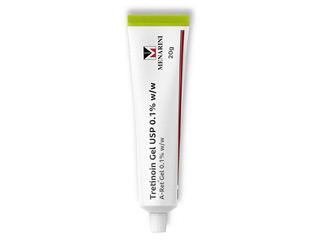
A-Ret (Tretinoin) – Patient Guide (UK)
A-Ret (tretinoin) is a medicine used to treat specific skin conditions. It belongs to a group of medicines called retinoids (vitamin A–related medicines). Below is a clear, patient-friendly overview of how A-Ret works, how it is used, what to expect, and important safety information for people in the United Kingdom.
This guide is designed to help you understand the medicine. Always follow the instructions given by your healthcare professional and read the leaflet provided with your product.
Basic product information
- Active ingredient: Tretinoin
- Product name: A-Ret
- Medicine type: Topical retinoid (applied to the skin)
- Common strengths/forms: Available in topical strengths depending on local availability (for example, creams/solutions). Check your pack for the exact strength and formulation.
- How it is used: Applied to affected skin areas as directed
How A-Ret works (mechanism of action)
Tretinoin helps treat acne and other related skin problems by affecting how skin cells grow, mature, and shed. It works at the level of the skin’s surface layers:
- Normalises shedding of skin cells: It helps prevent clogged pores by improving the way cells release from within follicles.
- Reduces formation of comedones: Comedones (blackheads/whiteheads) develop when pores become blocked. Tretinoin promotes clearer pores over time.
- Anti-inflammatory effects: Acne inflammation may reduce as the process driving acne improves.
- Supports skin renewal: By influencing cell turnover, it can improve texture and, in some settings, contribute to the appearance of fine lines and hyperpigmentation when used as advised by clinicians.
The most important thing to remember: tretinoin is not usually “instant”. Improvement typically develops gradually as skin turnover and pore function normalise.
Pharmacokinetics (how the body handles tretinoin)
Tretinoin is applied to the skin. In most typical topical use, only small amounts are absorbed through the skin into the bloodstream. Key points include:
- Absorption: Low systemic absorption when used appropriately on the skin.
- Distribution: Any absorbed drug is processed by the body through normal metabolic pathways.
- Metabolism and elimination: Metabolised and cleared from the body primarily through normal routes.
Even though systemic absorption is generally low, you should still use A-Ret exactly as directed and avoid applying to large areas, broken skin, or more often than recommended—this can increase irritation and may increase absorption.
Typical uses
The most common uses for topical tretinoin products include treatment of:
- Acne vulgaris (including comedonal acne and, depending on the product/plan, inflammatory acne)
- Post-inflammatory hyperpigmentation and uneven texture may improve in some people as acne clears, particularly when combined with other sun-protection measures
- Other clinician-directed uses in specific dermatological conditions (product indication depends on local approvals)
Your healthcare professional will determine the most suitable plan for your condition and skin type.
How to time your application
Many people apply tretinoin once daily in the evening. Evening application can reduce risk of sunlight-related irritation and helps you avoid washing it off during the day.
- Start slowly: Often advised once every two to three nights for the first 1–2 weeks.
- Then increase gradually: If tolerated, move to daily use.
- Allow your skin to dry: Apply to completely dry skin after cleansing (waiting ~10–20 minutes can help).
If you experience significant redness, burning, or peeling, your clinician may suggest reducing frequency or adjusting how you apply it.
Food interactions
Because A-Ret is used on the skin, food interactions are not typically expected for topical tretinoin. However, good nutrition supports skin health, and certain dietary habits (for example, very high glycaemic loads) may influence acne in some people. If you suspect a dietary link, discuss it with a healthcare professional.
Alcohol and medicine interactions
Alcohol: There is typically no direct interaction between topical tretinoin and alcohol in the bloodstream. However, alcohol-containing products (like some toners) can worsen dryness and irritation if used on the same skin area. Also avoid alcohol-based skincare when your skin barrier is sensitive.
Other medicines: Tell your healthcare professional or pharmacist about all other medicines and skin products you use. Important interaction-related considerations include:
- Other acne actives (e.g., benzoyl peroxide, topical antibiotics, salicylic acid, glycolic acid): Sometimes these are used together, but timing and skin tolerance matter.
- Exfoliants and strong cleansers: Using multiple harsh products can increase irritation.
- Other retinoids or vitamin A products: Combining products can increase dryness and risk of excessive irritation.
- Photosensitising medications: Some medicines can make your skin more sensitive to sunlight, which may indirectly increase irritation risk. Use strict sun protection.
Indications (what conditions it is used for)
Indications can vary by product strength and local regulatory approvals. In general, A-Ret (tretinoin) topical therapy is commonly indicated for:
- Acne vulgaris, particularly where comedones are present
- Clinician-directed dermatological conditions where a topical retinoid is appropriate
If you are unsure whether your A-Ret product is intended for your specific condition, check the pack instructions or ask a healthcare professional.
Dosing and application (practical guidance)
The dose of topical tretinoin is typically described by how much to apply and how often, rather than mg/kg. Always use your exact pack instructions.
Typical dosing approach
- Frequency: Usually once daily (evening), after an initial gradual start if needed.
- Amount: A pea-sized amount is often sufficient for the entire face.
- Coverage: Apply a thin layer to the affected area or the whole area that tends to break out (as advised).
Step-by-step application
- Wash gently: Use a mild cleanser.
- Dry completely: Wait until skin is dry.
- Apply carefully: Spread thinly (avoid corners of the nose, lips, and eyelids unless your clinician advises otherwise).
- Wash hands: After applying.
- Moisturise if needed: A moisturiser can reduce irritation. You may use it after tretinoin once your skin tolerates it.
Common “start-up” schedule example
| Week | How often | Notes |
|---|---|---|
| 1–2 | Every 2–3 nights | Helps your skin adapt. Use moisturiser as needed. |
| 3–4 | Alternate nights or once daily (if tolerated) | If irritation is mild, you may increase frequency. |
| After 4 | Daily (as advised) | Stick to the plan and don’t “double up” if you miss a dose. |
Do not apply more than recommended to speed up results. This often increases irritation without improving outcomes.
What to expect: timing of results and purging
Treatment response can be slower than many people expect. Typical timelines:
- First changes: Some improvement may be noticed after 2–4 weeks.
- More visible improvement: Often around 6–12 weeks.
- Maximum benefit: May take 3–6 months with consistent use.
Some people experience temporary worsening (“purging”) during the first weeks, especially if they have comedones. This can happen as clogged pores come to the surface. If worsening is severe, painful, or accompanied by rash, stop and seek medical advice.
Safety profile and side effects
Like all medicines, tretinoin can cause side effects. Most are related to local skin irritation, especially at the start. The goal is to manage irritation while continuing treatment effectively.
Common side effects (usually mild to moderate)
- Dryness
- Redness
- Peeling or flaking
- Burning, stinging, or itching
- Skin sensitivity
Less common but important
- Severe irritation or blistering
- Allergic-type reactions (swelling, hives, significant rash)
- Worsening of eczema or dermatitis
- Eye or eyelid irritation if product gets too close
When to seek urgent advice
Seek urgent medical attention if you develop symptoms suggesting a serious allergic reaction (for example, facial swelling, breathing difficulty) or if you have severe skin reactions such as blistering or widespread rash.
Who should take extra care
- People with very sensitive skin or eczema
- Those using multiple skin actives at the same time
- Individuals with sunburn or ongoing significant sun damage
Practical use tips (to reduce irritation and improve results)
- Use sunscreen daily: Tretinoin can make skin more sensitive. Choose a broad-spectrum SPF and reapply if outdoors.
- Avoid waxing, scrubbing, and harsh exfoliation: These can worsen irritation.
- Choose gentle skincare: Look for fragrance-free moisturisers and cleansers.
- Moisturise strategically: Apply moisturiser before or after tretinoin (depending on tolerance) to protect the skin barrier.
- Don’t “layer” too much: If using other acne products, introduce them one at a time.
- Protect treated areas: If you get accidental sun exposure, cover with clothing or shade and use sunscreen.
- Temporary break: If skin is very inflamed, some people pause for a few days and then restart at a lower frequency—follow professional advice where possible.
Alcohol and smoking considerations (skin-related)
While topical tretinoin does not have a direct medicinal interaction with alcohol, alcohol can indirectly affect skin. For example, heavy alcohol intake can contribute to dehydration, which may worsen dryness and irritation. If you notice flare-ups after drinking, reduce alcohol and focus on hydration and moisturising.
Smoking can impair skin health and healing; stopping or reducing smoking may improve overall skin outcomes.
Alternative options to consider
If you are unable to tolerate A-Ret or if your acne needs different management, a clinician may suggest alternative therapies. Options may include:
- Other topical retinoids: Different retinoid molecules or formulations may be better tolerated.
- Benzoyl peroxide: Often used for acne control and to reduce bacterial contribution.
- Topical antibiotics (short-term): Sometimes combined with benzoyl peroxide to reduce resistance.
- Azelaic acid: Can be useful for acne and post-inflammatory marks with different tolerability.
- Salicylic acid (BHA): Helps with pore penetration and exfoliation.
- Oral treatments: For moderate-to-severe acne, options may include oral antibiotics or hormonal therapy in some cases.
- Procedures: For selected cases, dermatology treatments such as comedone extraction, chemical peels, or light/laser therapies may be considered.
The best choice depends on your acne type, skin sensitivity, and treatment history.
Market and legal context in the United Kingdom
In the UK, medicines are supplied in line with medicines legislation and pharmacy regulations. Topical tretinoin products may have different availability depending on strength and product classification. Some retinoid-containing medicines are regulated as “prescription-only” depending on the specific formulation and indication, while others may be available through certain channels under local rules.
Retailers and pharmacies must comply with UK medicines advertising and supply requirements, including age restrictions, appropriate patient information, and safeguarding processes where required.
For the most accurate availability and legal status, check the product listing and any associated guidance on the pharmacy website you are using.
Recent guidance and clinical considerations (UK context)
Dermatology guidance in the UK commonly emphasises:
- Gentle skin care and moisturisation to minimise irritant dermatitis.
- Sun protection as a core part of topical retinoid therapy.
- Gradual escalation of retinoid use to improve tolerability.
- Appropriate combination therapy when needed (for example, retinoid plus benzoyl peroxide), rather than escalating irritation.
- Clear expectations about timelines (weeks to months) and the possibility of early flare/purging.
Local recommendations can vary by individual circumstances and severity of acne. If your acne is moderate-to-severe, scarring is present, or you are not improving after an adequate trial, seek specialist advice.
Delivery and availability (UK)
Availability depends on the specific A-Ret product strength and formulation. Online pharmacies serving the UK typically offer:
- Standard and express delivery options depending on location
- Tracking for dispatched orders (where offered)
- Secure packaging to protect medicines during transit
Delivery times vary by retailer and stock status. If a product is out of stock, some pharmacies offer restock notifications or alternatives. Check the product page for estimated delivery schedules.
How to store A-Ret
- Store at room temperature unless the pack states otherwise.
- Keep the container tightly closed.
- Keep away from heat and direct sunlight.
- Keep out of sight and reach of children.
- Check the leaflet for any specific storage instructions for your formulation.
Frequently Asked Questions (FAQ)
1) How long does it take for A-Ret to work?
Results usually take time. Some people notice improvement after 2–4 weeks, but more meaningful changes often appear by 6–12 weeks. Full benefits can take 3–6 months of consistent use.
2) Why is my skin getting worse at the start?
Early flare or “purging” can happen, especially in people with comedonal acne. Mild increased breakouts can settle as treatment progresses. If you develop severe irritation, blistering, or a widespread rash, stop using and get medical advice.
3) Can I use moisturiser with A-Ret?
Yes—moisturiser is often helpful. Many people apply a gentle moisturiser before or after tretinoin to reduce dryness. If your skin is very sensitive, consider moisturising more frequently and introducing tretinoin gradually.
4) Should I apply A-Ret to my whole face or only spots?
Many acne regimens use tretinoin on the areas prone to breakouts to prevent new clogs from forming. For some people, spot treatment may be advised initially. Follow your specific plan.
5) Can I use other acne products at the same time?
Sometimes combination therapy is recommended, but using multiple strong actives together can increase irritation. If you use products such as benzoyl peroxide or salicylic acid, introduce them carefully and consider spacing them out. Ask a pharmacist or clinician if you’re unsure.
6) Is it safe in sensitive skin or eczema?
It may still be possible, but extra caution is needed. Start slowly, moisturise, avoid harsh products, and stop if irritation becomes severe. People with eczema should discuss suitability with a healthcare professional.
7) What if I accidentally miss a dose?
Apply it at your next scheduled time. Do not apply extra product to “catch up.”
8) Can I drink alcohol while using A-Ret?
There is no typical direct interaction between alcohol and topical tretinoin. However, alcohol may worsen dryness in some people, so moderation and hydration can help.
9) Will A-Ret bleach my clothes or cause staining?
Most topical retinoids do not intentionally bleach fabrics, but staining can occur with certain formulations. If this concerns you, allow the product to dry fully before dressing and check the product leaflet.
10) Can I use A-Ret during pregnancy or while trying to conceive?
Retinoid medicines require careful consideration during pregnancy due to the active class of vitamin A–related compounds. Discuss your plans with a healthcare professional before using tretinoin. If you become pregnant, contact a clinician promptly.
Key takeaways
- A-Ret (tretinoin) is a topical retinoid that helps normalise skin cell turnover and unclog pores.
- Use it consistently and often at night; start gradually to reduce irritation.
- Expect improvement over weeks to months, not days.
- Moisturiser and sunscreen are essential for comfort and long-term success.
- Avoid stacking multiple harsh actives to reduce the risk of significant irritation.
If you have questions about suitability, side effects, or how to combine A-Ret with your existing skincare routine, consult a pharmacist or healthcare professional for advice tailored to you.