
Voveran SR (Diclofenac) — Patient Guide (UK)
Voveran SR is a brand of diclofenac formulated in a modified-release (SR) form. Diclofenac is a well-known anti-inflammatory medicine used to help reduce pain and inflammation. This guide explains what Voveran SR is, how it works, how it’s taken, common uses, safety information, and practical advice for using it in the UK.
Important: Always follow the instructions on your product label and the advice provided by your healthcare professional or pharmacist. If you are unsure whether Voveran SR is suitable for you, speak to a pharmacist.
1) Basic product information
| Feature | Information |
|---|---|
| Active ingredient | Diclofenac |
| Brand | Voveran SR |
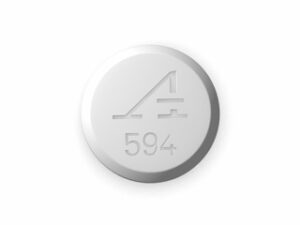
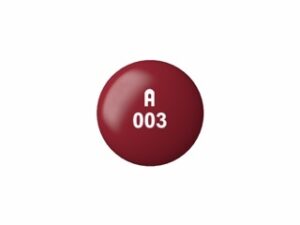
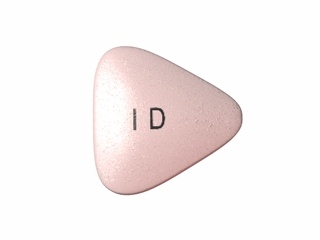
| Dosage form | Modified-release (SR) tablets/capsules (as supplied) |
| Medicine class | NSAID (Non-Steroidal Anti-Inflammatory Drug) |
| What it’s used for | Pain and inflammation (e.g., arthritis, musculoskeletal pain) |
| Typical dosing frequency | Often taken once or twice daily depending on strength and product instructions |
What SR means: “SR” stands for slow/modified release. The medicine is designed to release diclofenac gradually over time to help maintain symptom control between doses.
2) How Voveran SR works (mechanism of action)
Diclofenac works by blocking enzymes called cyclo-oxygenases (COX-1 and COX-2). These enzymes help produce chemicals known as prostaglandins, which play a major role in:
- Inflammation (swelling and redness)
- Pain signalling
- Fever (though SR use is typically for pain/inflammation)
By reducing prostaglandin production, Voveran SR can help:
- Lower inflammation-related pain
- Improve movement and stiffness (e.g., in arthritis)
- Reduce tenderness and swelling around joints or muscles
3) Pharmacokinetics (how your body handles it)
Absorption: As an SR formulation, diclofenac is released gradually. This influences how quickly it reaches the bloodstream and helps maintain drug levels for longer compared with immediate-release forms.
Distribution: Diclofenac binds to blood proteins. It can reach tissues where inflammation contributes to pain.
Metabolism: Diclofenac is metabolised primarily in the liver into different metabolites, which are then cleared from the body.
Excretion: Metabolites are eliminated mainly through the kidneys and partly through the digestive tract.
Key practical point: Because the medicine is processed through the liver and kidneys, people with significant liver disease, kidney impairment, or low blood flow to kidneys may need extra caution and should seek medical advice.
4) Typical uses and indications in the UK
Voveran SR is used to relieve pain and inflammation related to a range of conditions, including:
- Osteoarthritis (pain and stiffness in joints)
- Rheumatoid arthritis and other inflammatory joint conditions (to reduce pain and swelling)
- Ankylosing spondylitis (inflammatory back pain and stiffness)
- Musculoskeletal pain such as sprains, strains, and tendon-related pain
- Sometimes dental pain or pain after procedures—depending on local guidance and product availability
Not all pain is treated the same way: NSAIDs like diclofenac are most helpful when inflammation is a key driver of symptoms. If your pain is different in nature (for example, nerve pain), your pharmacist may suggest alternative options.
5) When and how to take Voveran SR (timing)
Follow the product instructions carefully. Modified-release medicines are designed to work over time. Incorrect use can affect how much medicine is released into your system.
Typical timing
- Many SR NSAID regimens are taken once or twice daily—commonly with a 12-hour gap if twice daily.
- Some people find taking it at the same times each day helps maintain steady pain control.
How to take it
- Swallow whole with water.
- Do not crush, chew, or break SR tablets unless the product instructions state otherwise.
- Take with water and consider food if you get stomach discomfort.
If you forget a dose
- Take it when you remember, unless it is close to your next dose.
- Do not take a double dose to make up for a missed one.
Use for the shortest time at the lowest effective dose is generally recommended for NSAIDs to reduce risk.
6) Food interactions and absorption
Food can influence how well diclofenac is tolerated. While NSAIDs can sometimes be taken without food, many people experience less stomach irritation when taking them with or after meals.
- With food: May reduce the likelihood of stomach upset and acidity.
- On an empty stomach: May increase the chance of indigestion, nausea, or stomach pain.
Practical advice: If you have a sensitive stomach, taking Voveran SR with a meal or snack is often helpful. However, don’t change timing in a way that conflicts with the SR formulation instructions.
7) Alcohol and medicine interactions (and important combinations)
Alcohol
Drinking alcohol while taking diclofenac can increase the risk of:
- Stomach irritation and bleeding
- Heart and blood vessel risks associated with NSAIDs in some people
- Liver stress, particularly with frequent or heavy alcohol intake
Tip: If you choose to drink, keep it moderate and avoid binge drinking. If you have a history of ulcers or GI bleeding, it’s best to ask a pharmacist or healthcare professional first.
Medicines that may interact
Always tell your pharmacist about all medicines and supplements you take. The most important interactions for diclofenac include:
- Other NSAIDs (e.g., ibuprofen, naproxen, aspirin for pain): increases risk of stomach bleeding and kidney problems.
- Anticoagulants (e.g., warfarin): increases bleeding risk.
- Antiplatelet medicines (e.g., clopidogrel): may increase bleeding risk.
- Selective serotonin reuptake inhibitors (SSRIs) (e.g., sertraline, citalopram): may increase GI bleeding risk.
- Corticosteroids (e.g., prednisolone): increases stomach ulcer/bleeding risk.
- Diuretics (water tablets) and some blood pressure medicines (e.g., ACE inhibitors, ARBs): can affect kidney function, especially in older adults or dehydration.
- Lithium: NSAIDs can increase lithium levels, risking toxicity.
- Methotrexate: NSAIDs can increase methotrexate toxicity by reducing clearance.
- Cyclosporine/tacrolimus: may increase kidney risk.
- Diabetes medicines (some): NSAIDs can change blood sugar control in some individuals.
Herbal supplements: Always check with a pharmacist if you take supplements such as St John’s wort or products that affect blood clotting (e.g., high-dose omega-3).
8) Dosing guidance (how much to take)
Follow your prescription label and product instructions. Dosing may vary by condition, age, and risk factors. Below is general UK patient information about diclofenac SR use.
Common adult dosing patterns for SR diclofenac
- For many SR diclofenac regimens, adults are often advised once daily or twice daily, depending on the strength and the intended therapeutic effect.
- Try to stay within the stated maximum daily dose on your specific package.
Lowest effective dose: Your healthcare professional may adjust your dose to the smallest amount that provides symptom relief.
Special considerations
- Older adults: Increased risk of stomach problems, kidney impairment, and interactions—use extra caution.
- Kidney or liver issues: Diclofenac may be unsuitable or require closer monitoring.
- History of ulcer/bleeding: Higher risk—seek advice before using NSAIDs.
- Asthma sensitive to NSAIDs: Some people have bronchospasm triggered by NSAIDs.
Do not “stack” NSAIDs: Avoid combining Voveran SR with other NSAIDs unless a clinician has specifically advised it.
9) Safety profile and warnings
Like other NSAIDs, diclofenac can cause side effects. Some risks are rare but serious, and you should know what to watch for.
Common side effects
- Indigestion, heartburn, stomach discomfort
- Nausea
- Headache or dizziness
- Occasionally fluid retention (swelling)
Serious side effects — seek urgent help if you notice
- Signs of stomach or bowel bleeding:
- Black, tarry stools
- Blood in vomit or vomit that looks like coffee grounds
- Unusual severe stomach pain
- Allergic reaction:
- Swelling of the face/lips
- Wheezing or difficulty breathing
- Rash or blistering
- Liver problems (rare): yellowing of skin/eyes, dark urine, severe fatigue
- Kidney problems (rare/serious): reduced urination, significant swelling, unexplained breathlessness
- Chest pain, sudden weakness, or difficulty speaking: possible cardiovascular or neurological events
Cardiovascular risk (heart and blood vessels)
NSAIDs may increase the risk of cardiovascular events such as heart attack or stroke, especially when used at higher doses or for longer durations. Risk may be higher in people with established heart disease, uncontrolled high blood pressure, high cholesterol, diabetes, or smokers.
Gastrointestinal (GI) risk
Diclofenac can irritate the stomach lining and increase the risk of ulcers or bleeding. The risk is higher with:
- Previous stomach ulcers/bleeding
- Higher doses or longer use
- Concomitant medicines that increase bleeding risk (e.g., anticoagulants, SSRIs, corticosteroids)
Reduced suitability / extra caution
Discuss with a pharmacist if you have any of the following:
- History of ulcer disease or GI bleeding
- Kidney impairment or dehydration
- Liver disease
- Heart disease, previous stroke, or significant cardiovascular risk factors
- NSAID-sensitive asthma or nasal polyps
- Uncontrolled high blood pressure
10) Practical use tips (to get the best benefit and reduce risk)
- Use the lowest effective dose: If symptoms improve, consider reducing the dose rather than continuing high strength.
- Use for the shortest time needed: Persistent pain should be assessed rather than treated indefinitely with NSAIDs.
- Take with food if your stomach is sensitive: This can help reduce indigestion.
- Stay hydrated: Dehydration can increase kidney risk with NSAIDs.
- Avoid mixing NSAIDs: Don’t combine with ibuprofen/naproxen unless advised.
- Keep an eye on side effects: Stop and seek advice if you experience bleeding symptoms or allergic reactions.
- Check other products: Some cold and flu medicines contain NSAID-type ingredients or aspirin—check labels.
Note on pain relief strategy: For some people, alternating therapies (for example, NSAIDs plus simple measures like heat/ice and physiotherapy) may provide better relief than simply increasing NSAID exposure.
11) Alternative options (what else may help)
Depending on your condition and risk factors, a pharmacist may suggest alternatives to diclofenac. These can include:
- Paracetamol (acetaminophen): useful for pain, especially if inflammation is not the main driver.
- Topical NSAIDs (e.g., diclofenac gel): may be helpful for localised joint or muscle pain with lower systemic exposure.
- Other oral NSAIDs (e.g., ibuprofen or naproxen): sometimes chosen based on individual tolerance and risk profile.
- Non-drug measures: rest, graded exercise, physiotherapy, heat/cold therapy, stretching, and weight management for joint conditions.
- For specific inflammatory conditions: other medicines (e.g., disease-modifying therapies) may be appropriate under specialist care.
Which is best? It depends on your diagnosis, severity, medical history, and interacting medicines. If you’re unsure, consult a pharmacist.
12) UK market and legal context (availability and regulation)
In the United Kingdom, diclofenac-containing products are regulated medicines. Availability can vary based on formulation, strength, and whether the product is supplied through pharmacy routes. In general, medicines containing NSAIDs are subject to safety guidance because of risks affecting the stomach, kidneys, and cardiovascular system.
Pharmacy and NHS guidance: Prescribing and use of NSAIDs in the UK is guided by safety considerations and national/international recommendations. Pharmacists help screen for:
- Potential drug interactions
- Risk factors for GI bleeding and cardiovascular events
- Contraindications such as NSAID-sensitive asthma
- Appropriate duration of use and monitoring advice
For long-term pain: If symptoms persist or worsen, medical review is recommended rather than repeated self-treatment.
13) Recent guidance and safety updates (what to know)
Over recent years, UK healthcare guidance and regulatory communications have emphasised key safety principles for NSAIDs, including:
- Use the lowest effective dose for the shortest possible time
- Assess and minimise GI and cardiovascular risk
- Avoid combining multiple NSAIDs
- Be especially careful in people with higher risk factors (older age, ulcer history, heart disease, kidney impairment)
Practical takeaway: Even if an NSAID has worked for you before, risk can change with age, new diagnoses, or new medicines. A quick review with a pharmacist can be helpful.
14) Delivery and availability (UK online pharmacy)
Availability of Voveran SR may vary by formulation strength and packaging. When ordering online in the UK, delivery typically depends on:
- Stock status at the time of order
- Dispensing and verification requirements (where applicable)
- Your delivery address and postcode area
How delivery usually works:
- Your order is processed promptly once payment and required checks are completed.
- Standard delivery times vary by supplier and service level (for example, next-working-day or 2–3 working days depending on location).
- You may receive tracking information if the service includes it.
Storage: Store in a cool, dry place and keep out of reach of children. Follow the storage instructions on the pack.
15) Voveran SR FAQ
Is Voveran SR the same as regular diclofenac?
Voveran SR contains diclofenac in a modified-release (SR) form. This is designed to release the medicine gradually. It is different from immediate-release diclofenac products, which may require different dosing schedules.
How quickly will I feel better?
Some people notice pain relief within hours, but the full benefit may develop over the first few days of regular use. If there is no meaningful improvement after a short period, speak to a pharmacist or healthcare professional.
Can I take Voveran SR with food?
Yes. Taking it with or after food often helps reduce stomach upset. If your pack instructions suggest a specific timing relative to meals, follow that guidance.
Can I drink alcohol while using diclofenac?
It’s best to limit alcohol because it can increase the risk of stomach irritation and bleeding and may add stress to the liver. If you drink, keep it moderate and avoid binge drinking.
What should I avoid combining with Voveran SR?
Avoid combining it with other NSAIDs (such as ibuprofen or naproxen) unless specifically advised. Use caution with anticoagulants, antiplatelet medicines, SSRIs, corticosteroids, and some blood pressure medicines—ask a pharmacist if you are on any of these.
What if I get stomach pain?
Mild indigestion can happen with NSAIDs, especially if taken on an empty stomach. However, if you develop severe pain, black stools, vomiting blood, or symptoms suggestive of bleeding, stop the medicine and seek urgent medical advice.
Can I use it for long-term arthritis pain?
NSAIDs can help symptoms, but long-term use increases risk. If you need treatment beyond a short course, discuss ongoing management with a pharmacist or healthcare professional to ensure the approach is safe for you and to consider other options if needed.
Is Voveran SR suitable for everyone?
No. It may be unsuitable for people with certain conditions such as active stomach ulcers, NSAID-sensitive asthma, significant kidney or liver impairment, or certain heart conditions. Your pharmacist can help assess suitability based on your history and current medicines.
What should I do if I miss a dose?
Take it when you remember unless it is close to your next dose. Do not take double the dose to make up for a missed one.
Are there signs that I should stop and get help?
Stop and seek medical advice urgently if you notice allergic symptoms (swelling, wheezing, rash), signs of GI bleeding (black tarry stools, blood in vomit), chest pain, stroke-like symptoms, or signs of liver/kidney problems (yellowing, dark urine, reduced urination, significant swelling).
Final reminder: Voveran SR (diclofenac SR) can be an effective option for inflammatory pain, but it must be used carefully due to potential side effects. If you have any doubts about interactions, dosage timing, or whether it’s appropriate for your condition, consult a pharmacist.