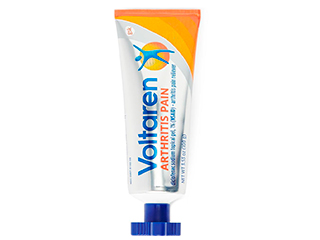
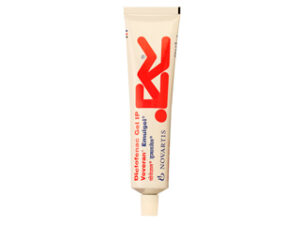
Voltaren Gel (Diclofenac sodium) – Patient Information (UK)
Voltaren Gel contains diclofenac sodium, a medicine from the group of medicines known as non-steroidal anti-inflammatory drugs (NSAIDs). It is designed to be applied directly to the skin over painful, inflamed areas, where it can help relieve symptoms such as pain, stiffness, and swelling due to certain musculoskeletal conditions.
This guide explains how Voltaren Gel works, when it may be used, how to apply it safely, and important safety information for people in the United Kingdom.
Key product information
| Feature | What it means for you |
|---|---|
| Medicine | Diclofenac sodium (topical NSAID) |
| How it’s used | Applied to the skin over the painful area |
| Common benefits | Helps reduce local pain and inflammation |
| Who it’s for | Adults and adolescents (check the specific pack for age and indication) |
| Typical dosing frequency | Usually up to several times daily (follow pack instructions or pharmacist advice) |
| Form | Gel (non-greasy feel; dries on the skin) |
How Voltaren Gel works (mechanism of action)
Diclofenac is an NSAID. When applied to the skin, it helps to:
- Reduce inflammation locally by blocking chemical messengers involved in the inflammatory process (especially prostaglandins).
- Relieve pain by decreasing inflammation-related signals in the affected area.
- Improve movement by reducing stiffness and tenderness at the joint or soft tissue.
Because Voltaren Gel is applied directly to the painful site, it targets the area of symptoms while limiting overall exposure compared with tablets (oral NSAIDs). However, some absorption through the skin can still occur.
Pharmacokinetics (how the body handles it)
With topical diclofenac:
- Absorption through the skin is limited compared with oral diclofenac, but it is not zero.
- Local action occurs mainly in the tissues under the application site.
- Metabolism and elimination follow normal body processes for diclofenac, with the medicine being broken down and cleared mainly by the liver and excreted via kidneys.
Factors that can increase absorption include applying larger amounts than recommended, using occlusive dressings, applying to broken skin, or using heat sources (such as heating pads) over the treated area.
What it’s used for (indications)
Voltaren Gel is used for local pain relief and symptomatic treatment of certain inflammatory conditions, most commonly:
- Osteoarthritis (wear-and-tear arthritis) affecting specific joints, particularly the hands, knees, or feet (depending on the product strength and pack instructions).
- Localized musculoskeletal pain such as sprains, strains, tendon problems, and soft-tissue injuries (where appropriate to the indication stated on the pack).
Always check your specific Voltaren Gel pack for the exact approved indications and age group. If you are unsure, speak to a pharmacist or healthcare professional.
Timing and how quickly you may notice effects
Many people experience some improvement within the first few days of use, but for joint conditions like osteoarthritis it may take up to 1–2 weeks (or as directed on the pack) to achieve noticeable benefit.
- Start applying consistently rather than only when pain flares.
- If you do not notice improvement after the recommended trial period, stop and seek advice.
- Do not use alongside other topical NSAIDs on the same area unless advised.
Typical dosing (how much and how often)
Dosing depends on:
- the size of the area you are treating (e.g., a specific joint)
- the product strength on your pack
- your age and the condition being treated
Important: Please follow the dosing directions supplied with your Voltaren Gel pack. If you are shopping online, ensure the product listing matches the exact strength and format you intend to use.
General practical dosing guidance
- Apply a thin layer to the affected area.
- Gently rub in until the gel is no longer visible.
- Wash your hands after application (unless your hands are the treated area).
- Wait for the gel to dry before covering with clothing.
Do not exceed
- Use only the amount recommended on the pack.
- Do not apply more frequently than directed.
- Avoid treating large areas or using heat/occlusion unless your clinician advises it.
How to use Voltaren Gel safely (step-by-step)
- Check the skin: Do not apply to broken, infected, or irritated skin.
- Measure the dose: Use the pack’s guidance for the amount to apply.
- Apply: Spread the gel evenly over the painful area.
- Rub gently: Massage lightly until absorbed.
- Wash hands: Unless your hands are the target area.
- Let it dry: Avoid contact with eyes and mucous membranes.
- Avoid skin contact with others: Let the gel dry before close skin contact.
Clothing and washing: You can usually cover the area once the gel has dried. Follow the pack for specific guidance, and allow time before showering or bathing.
Food interactions
Voltaren Gel is applied to the skin. Because systemic absorption is relatively limited, food interactions are not expected in the way they can be with tablets. However:
- There is no specific “must avoid” food listed for topical diclofenac.
- If you take other medicines that interact with NSAIDs (such as blood thinners), your pharmacist may advise monitoring or dose adjustments.
If you are unsure about combining Voltaren Gel with your regular medicines, check the section below on medicine interactions.
Alcohol and other medicine interactions
Alcohol
With topical diclofenac, alcohol interactions are generally less direct than with oral NSAIDs because overall absorption is lower. Still, if you drink alcohol:
- Use caution, particularly if you have a history of stomach ulcers, bleeding, liver disease, or take medicines that increase bleeding risk.
- Do not exceed recommended use; avoid “stacking” NSAIDs (topical and oral) without advice.
Medicine interactions
Even though Voltaren Gel is topical, there is still some absorption. Inform a pharmacist or healthcare professional if you use any of the following:
- Other NSAIDs (including ibuprofen, naproxen, aspirin for pain) and other topical NSAIDs.
- Blood thinners (e.g., warfarin) or medicines affecting clotting.
- Anti-platelet medicines (e.g., clopidogrel) or aspirin taken regularly.
- Diuretics (“water tablets”) and medicines for blood pressure (NSAIDs can affect kidney function and fluid balance).
- Other medicines that affect the liver or those you know are hard on the stomach.
- Systemic corticosteroids.
Seek urgent medical advice if you experience signs of serious bleeding (such as black/tarry stools, vomiting blood, or unusual bruising) or severe allergic symptoms.
Safety profile and side effects
Most people tolerate Voltaren Gel well when used correctly. Like all medicines, it can cause side effects.
Common side effects (usually mild and local)
- Skin reactions at the application site such as redness, itching, burning, or dryness
- Rashes or irritation
- Dryness or changes in skin texture where applied
Less common but serious reactions
Stop using the gel and seek advice promptly if you develop:
- Severe skin reactions (widespread rash, blistering, peeling)
- Swelling of the face/lips, wheezing, or trouble breathing (possible allergy)
- Signs of systemic NSAID effects such as persistent stomach pain, unexplained stomach bleeding, or reduced urine output (rare but important)
Who should take extra care?
Speak to a pharmacist before using Voltaren Gel if you have any of the following:
- A history of asthma triggered by aspirin or NSAIDs
- A history of stomach ulcers or gastrointestinal bleeding
- Kidney or liver problems
- Heart disease or previous stroke (NSAIDs can carry risk, even if absorption is lower)
- You are using blood thinners or other interacting medicines
- You are pregnant or breastfeeding (check with a healthcare professional for suitability)
Pregnancy and breastfeeding (general guidance)
Topical NSAIDs may not be suitable at all stages of pregnancy. For safety, seek advice from a pharmacist or clinician if you are:
- Pregnant (especially later pregnancy)
- Breastfeeding (avoid applying to the chest area and wash hands thoroughly)
Practical use tips for best results
- Apply regularly at the times recommended—consistency can improve outcomes.
- Do not cover with tight bandages or occlusive dressings unless advised. This can increase absorption and irritation risk.
- Keep heat away from the area (e.g., hot water bottles, heating pads) unless a clinician advises otherwise.
- Protect the treated area from direct sunlight if you notice sensitivity.
- Combine with gentle movement: For joint pain, light range-of-motion exercises can help maintain mobility. Avoid activities that worsen pain.
- Check the skin daily for irritation, especially if you are using it for more than a week or have sensitive skin.
What if you miss a dose? Apply it when you remember, then continue according to the schedule. If it’s near the next dose, skip the missed dose—do not double.
Alternative options (depending on your condition)
If Voltaren Gel isn’t suitable or you want a different approach, alternatives may include:
Other topical treatments
- Topical NSAIDs (different diclofenac/other NSAID gels or creams)
- Topical counterirritants (e.g., capsaicin or menthol-based products) for some types of pain
Oral pain relief (for appropriate people)
- Paracetamol may help with pain relief
- Oral NSAIDs (like ibuprofen) may help inflammation but may carry higher systemic risks, especially in people with stomach, kidney, or heart conditions
Non-medicine options
- Rest and activity modification during flare-ups
- Physiotherapy exercises and strengthening programs
- Heat or cold therapy depending on whether pain is inflammatory or stiffness-related
- Supportive measures such as braces, footwear adjustments, or ergonomic changes
For the best recommendation, consider the location of pain, your medical history, and any medicines you already take.
Market and legal context in the UK
In the UK, medicines like Voltaren Gel are regulated by the Medicines and Healthcare products Regulatory Agency (MHRA) and must follow approved licensing (including packaging, wording, and safety information).
Topical diclofenac products are widely available for musculoskeletal complaints, with instructions based on the specific product strength and formulation. Patient-facing guidance typically emphasises:
- the correct dose and frequency
- skin safety (avoid damaged skin)
- limited use over large areas or under occlusion
- awareness of allergy and serious side effects
As regulations and safety messaging can evolve, always check the information leaflet on the product you purchase.
Recent guidance and important safety updates (UK)
Over recent years, UK medicines safety communications for NSAIDs have consistently highlighted:
- Cardiovascular and gastrointestinal risks associated with systemic NSAIDs, with caution for people at higher risk.
- Appropriate use—using the smallest effective dose for the shortest possible time.
- Monitoring for allergic reactions and skin reactions for topical formulations.
Even though Voltaren Gel has lower systemic absorption than tablets, the general principle remains: follow pack instructions and seek advice if you have risk factors or are using interacting medicines.
Delivery, availability, and pharmacy service in the UK
Voltaren Gel is commonly available in the UK through pharmacies and online pharmacies. Stock availability can vary by strength and pack size. When ordering online, check:
- Strength and size (tube size varies)
- Use-by date and product status
- Delivery timeframes offered by the retailer
- Returns policy for opened or used products
Most online pharmacies offer standard and express delivery options. Cold-chain storage is typically not required for diclofenac gel, but you should store the product according to the label instructions (usually at room temperature, away from direct heat and sunlight).
Frequently Asked Questions (FAQ)
1) Where should I apply Voltaren Gel?
Apply it to the painful area indicated on your pack (commonly specific joints affected by osteoarthritis). Do not apply to broken or infected skin. Avoid eyes and mucous membranes.
2) Can I use Voltaren Gel on my hands and wash afterward?
Yes, but if you apply it to your hands, there is usually no need to wash your hands after. If you treat other areas, wash your hands after application (unless hands are treated).
3) How long can I use it for?
Follow the duration recommended on the pack for your condition. If symptoms do not improve within the advised timeframe, stop and seek advice from a pharmacist or healthcare professional.
4) Can I use it with other pain-relief creams?
Avoid using it on the same area with other topical NSAIDs unless advised. If you plan to use other creams (e.g., moisturisers, steroid creams, antifungals), ask a pharmacist, especially if your skin is sensitive.
5) Will it stain clothes or furniture?
Voltaren Gel is designed to dry on the skin. Let it dry before dressing. Covering too soon may increase residue transfer. If you’re concerned, consider using clothing that won’t rub the area during drying.
6) Can children use it?
Some topical diclofenac products are suitable for adolescents depending on the indication and pack instructions. Always check the pack for age eligibility and seek advice if uncertain.
7) What if I accidentally swallow some?
If any gel is swallowed, contact 111 in England, 111 in Wales, or 111 / your local service in Scotland (or seek urgent advice from a healthcare professional). Keep the product packaging available.
8) Is Voltaren Gel safe to use if I have sensitive skin?
It may still be suitable, but you should watch for irritation. Stop using and seek advice if a rash becomes severe, widespread, or doesn’t improve.
9) Can I use it during pregnancy or breastfeeding?
Use in pregnancy and breastfeeding depends on the stage and your health. Ask a pharmacist or healthcare professional before use, and if breastfeeding, avoid applying to the chest area and wash hands after application.
10) Does it interact with my regular medicines?
It can interact with medicines that affect bleeding risk, kidney function, or NSAID sensitivity. If you take blood thinners, blood pressure medicines, diuretics, or you have a history of ulcers or asthma triggered by NSAIDs, consult a pharmacist before starting.
When to get urgent help
Get medical advice urgently if you develop signs of a serious allergy (such as difficulty breathing, swelling of the face/lips, or widespread rash), or if you experience symptoms suggesting significant bleeding or severe systemic reactions.
Always read the patient information leaflet provided with your Voltaren Gel. If you have questions about suitability, dosing for your specific joint or condition, or combining it with your current medicines, ask a pharmacist.