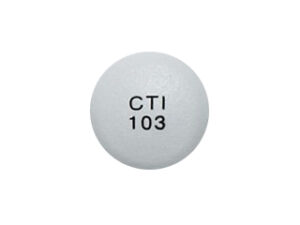
Flexeril (Cyclobenzaprine Hydrochloride) — Patient Guide (UK)
Flexeril contains cyclobenzaprine hydrochloride, a medicine used to relieve muscle spasm and associated pain. This guide explains what Flexeril is, how it works, how it’s taken, common precautions, and practical tips for safe use in the United Kingdom.
Always read the patient information leaflet supplied with your medicine. If you have questions about whether Flexeril is right for you, speak to a healthcare professional.
Basic product information
| Item | Details |
|---|---|
| Medicine name | Flexeril |
| Active ingredient | Cyclobenzaprine hydrochloride |
| What it’s used for | Short-term relief of painful muscle spasm |
| Type of medicine | Muscle relaxant (centrally acting) |
| Common formulation | Tablets (strengths vary by product/market) |
| Typical duration | Usually short-term use alongside rest and physiotherapy/exercise |
How Flexeril works (mechanism of action)
Cyclobenzaprine is a centrally acting skeletal muscle relaxant. It works primarily in the brain and spinal cord to reduce the intensity of muscle spasm.
- Reduces spasm-related pain: It helps decrease excessive muscle tone and painful tightening.
- Modulates nerve signalling: It influences central pathways involved in muscle control.
- Not a direct painkiller: It is used for spasm relief; pain relief may improve as the spasm eases.
Flexeril does not “cure” the underlying cause of muscle discomfort (such as strain, sprain, poor posture, or overuse). Instead, it can help you move more comfortably while the body heals.
Pharmacokinetics (how the body handles the medicine)
Pharmacokinetics describes what the body does to the medicine after you swallow it. Key points include:
- Absorption: After oral dosing, cyclobenzaprine is absorbed from the gastrointestinal tract.
- Distribution: It distributes through body tissues and can cross into the central nervous system.
- Metabolism: Cyclobenzaprine is extensively metabolised in the liver.
- Elimination: Metabolites are cleared mostly via the kidneys.
- Half-life (general concept): Cyclobenzaprine has a relatively long half-life, which can contribute to daytime drowsiness in some people.
Because metabolism involves the liver, people with significant liver problems may be advised to avoid cyclobenzaprine or use caution under professional guidance.
What Flexeril is typically used for (indications)
In clinical practice, Flexeril is used for short-term relief of muscle spasm associated with acute, painful musculoskeletal conditions. Examples may include:
- Acute back pain with spasm
- Neck pain with muscle tightness
- Muscle strain and sprain-related spasm
- Torticollis or other painful muscle conditions where spasm is present
It is usually part of a broader approach including gentle movement, rest in the right amounts, and (where appropriate) physiotherapy. It’s generally not intended for long-term chronic spasm.
When to take it and timing tips
Exact schedules depend on the dose your prescriber (or clinician) recommends and your personal response. As a general guide:
- Start when you can rest: Because drowsiness is common, many people find it helpful to start on a day when they can take it easy.
- Evening dosing may be convenient: If it makes you sleepy, taking part of the dose in the evening can reduce impact on daytime activities.
- Consistency matters: Take your doses at the times recommended, with water and as instructed.
If you miss a dose, follow the advice in the leaflet. Do not take a double dose to make up for a missed tablet.
Dosing (general guidance)
Dosing can vary depending on age, medical history, and how severe the spasm is. Typical adult dosing regimens are commonly in the range of:
- Three times daily or up to three doses per day (depending on the strength and plan).
- Short-term course, often for up to a couple of weeks in many care pathways.
Important: Do not exceed the maximum daily dose stated on the package and leaflet. Elderly people may be more sensitive to side effects such as confusion and drowsiness, and may require lower dosing or avoidance.
If you are unsure about your specific dose or schedule, check your dispensed label or speak to a pharmacist.
Food interactions
Cyclobenzaprine can generally be taken with or without food. However, food may affect the comfort of taking tablets (for example, by reducing stomach upset).
- Stomach comfort: If you experience nausea, taking it with a light meal may help.
- Keep hydration: Drink a glass of water with each dose.
There are no well-known “must avoid” foods for cyclobenzaprine for most patients. The bigger issues usually relate to interacting medicines and alcohol (see below).
Alcohol and medicine interactions
Alcohol
Avoid alcohol or keep it to a minimum while taking Flexeril. Alcohol can significantly increase risks such as:
- Excess drowsiness and slowed reaction time
- Increased dizziness and higher chance of falls
- Greater impairment when driving or operating machinery
Medicines that may interact
Flexeril can interact with several medicines, mainly through additive effects on the brain/nervous system and via serotonin-related pathways. Always tell a healthcare professional about all medicines you take, including over-the-counter products and herbal remedies.
- Other sedatives: Medicines that cause sleepiness (for example, some antihistamines, opioids, or sedating cough/cold remedies) may increase drowsiness.
- Antidepressants: Interactions can occur with certain antidepressants, particularly those affecting serotonin (for example, some SSRIs/SNRIs and MAOIs). Combining may increase the risk of serotonin syndrome or other complications.
- Tricyclic-type medicines: Cyclobenzaprine has a tricyclic-like structure, so combining with similar medicines may increase side effect risk.
- Medicines that affect heart rhythm: If you take drugs known to affect the QT interval, caution may be advised.
- Strong liver enzyme inhibitors/inducers: Because cyclobenzaprine is metabolised in the liver, medicines that affect liver enzymes may change cyclobenzaprine levels.
If you have started any new medicine since beginning Flexeril, check with your pharmacist or prescriber for interaction advice.
Safety profile (side effects and who should be careful)
Like all medicines, Flexeril can cause side effects. Many are mild and improve as your body adjusts. However, some effects require urgent attention.
Common side effects
- Drowsiness or sedation
- Dizziness
- Dry mouth
- Fatigue
- Constipation
- Nausea
Less common but important risks
- Confusion or unusual behaviour, especially in older adults
- Blurred vision
- Urinary retention (difficulty passing urine)
- Heart rhythm concerns (rare, but risk may increase with certain heart conditions or interacting medicines)
Seek urgent medical help if
Contact emergency services or urgent care if you experience any signs of a serious reaction, such as:
- Allergic reaction (swelling of face/lips, breathing difficulty, severe rash)
- Serotonin syndrome symptoms (for example, agitation, fever, sweating, tremor, diarrhoea, fast heart rate)
- Severe confusion, fainting, or marked drowsiness that prevents normal alertness
- Chest pain, severe palpitations, or collapse
Who should be extra cautious
Tell a pharmacist or clinician if you have any of the following, as Flexeril may be unsuitable or may require careful dose planning:
- Heart rhythm problems, recent heart events, or a history of fainting
- Liver impairment
- Glaucoma (especially narrow-angle glaucoma)
- Prostate enlargement or difficulty passing urine
- Previous sensitivity to similar medicines
- Older age (greater sensitivity to anticholinergic effects and sedation)
Practical use tips (how to take it safely)
- Plan around driving: Do not drive or operate machinery until you know how Flexeril affects you.
- Rise slowly: If you feel dizzy, stand up gradually to reduce fall risk.
- Hydrate: Dry mouth is common—sipping water and keeping a good fluid intake can help.
- Manage constipation: Increase fibre, fluids, and gentle movement; consider discussing stool-softening options with a pharmacist if needed.
- Use movement in a safe way: Gentle activity is often better than prolonged rest. Follow professional advice on stretching/exercise.
- Avoid doubling up: Do not take extra tablets if pain persists. If symptoms are not improving, reassess the condition with a healthcare professional.
If your symptoms worsen, new neurological symptoms occur (such as weakness, numbness, or problems controlling bladder/bowel), or pain lasts longer than expected, seek medical advice promptly.
Alternative options for muscle spasm
Depending on the cause of your pain and your medical history, alternatives may include:
- Non-drug approaches: Heat/cold therapy, stretching, physiotherapy, posture and ergonomics advice.
- Simple pain relief: Paracetamol or non-steroidal anti-inflammatory drugs (NSAIDs) where suitable for you.
- Other muscle relaxants: Some clinicians may consider alternatives to cyclobenzaprine based on individual needs and risks.
- Targeted treatment: If pain is linked to an underlying issue (e.g., nerve compression), treating that root cause is essential.
Your pharmacist can help you compare options and check which products are safest for you to use alongside any current medicines.
UK market and legal context (important notes)
In the United Kingdom, medicines are provided under regulatory frameworks set by MHRA (Medicines and Healthcare products Regulatory Agency) and guidance from bodies including NICE and professional prescribing standards. The availability of Flexeril products can vary by formulation and local supply.
Medicines are also classified by legal category and may require assessment based on your circumstances, especially when drowsiness or interactions are possible. Always follow the instructions provided with your dispensed product and consult healthcare professionals where appropriate.
If you’re considering purchasing Flexeril online, ensure the supplier is reputable and provides transparent product details, patient information, and appropriate delivery services.
Recent guidance and general clinical approach (UK)
For acute musculoskeletal pain and muscle spasm, UK clinical practice commonly emphasises:
- Short-term use of muscle relaxants when appropriate
- Active rehabilitation (gentle movement, exercises, and physiotherapy where indicated)
- Reviewing pain relief and function within a reasonable timeframe
- Risk assessment for sedation, falls, and drug interactions
If you have persistent symptoms or red-flag features (for example, severe neurological symptoms, unexplained weight loss, or bowel/bladder problems), this requires prompt medical assessment rather than continued symptomatic treatment.
Delivery and availability in the UK
Online pharmacies in the UK may offer home delivery for eligible medicines. Availability of specific pack sizes or strengths may vary due to supply chains. When ordering Flexeril, you should receive:
- Clear product listing with strength and form
- Patient information or links to the leaflet
- Delivery estimates and tracking where available
- Packaging suitable for safe transport
Delivery times depend on your location and the supplier’s logistics. If you need urgent relief, check delivery options before ordering. If the product is temporarily out of stock, reputable suppliers usually provide an alternative option or restock updates.
FAQ
How long does Flexeril take to work?
Many people notice relief within the first day or two, though this can vary. If you feel no improvement after a short period, or if symptoms worsen, speak to a healthcare professional to reassess the diagnosis and plan.
Can I take Flexeril with paracetamol or ibuprofen?
In many cases, muscle spasm medicines may be used alongside standard pain relief. However, suitability depends on your medical history (for example, stomach ulcers, kidney problems, blood pressure issues, or other medications). Ask a pharmacist if you’re combining products.
Will Flexeril make me sleepy?
Drowsiness is one of the most common effects. Avoid driving, alcohol, and machinery until you know how it affects you. If you need to stay alert at work, consider discussing dosing timing strategies with your pharmacist.
Is Flexeril safe for older adults?
Older adults may be more sensitive to sedation and confusion. Flexeril may require caution, dose adjustment, or avoidance depending on individual risk factors. Speak to a pharmacist or clinician if you are in this age group.
Can I use Flexeril if I have liver problems?
Because cyclobenzaprine is metabolised in the liver, liver impairment can increase risk of side effects. You may need to avoid it or use it under careful professional supervision.
What should I avoid while taking Flexeril?
Avoid alcohol, sedating medicines unless advised, and driving/operating machinery until you know your response. Also follow precautions to prevent falls (e.g., stand up slowly).
What if I miss a dose?
Follow the directions in the leaflet. Typically, if it’s close to the next dose, skip the missed tablet. Do not take a double dose.
When should I stop and seek medical advice?
Stop taking the medicine and seek advice urgently if you experience signs of a serious allergic reaction, severe confusion, fainting, breathing difficulty, or symptoms suggestive of serotonin syndrome. For lack of improvement or persistent/worsening pain, contact a healthcare professional for reassessment.
Are there alternatives if Flexeril doesn’t suit me?
Yes. Alternatives can include other muscle relaxants, different pain relief strategies, and non-drug approaches such as physiotherapy and activity modification. A pharmacist can help you compare options and check interactions.
Disclaimer: This guide is for general patient information. It does not replace the patient information leaflet supplied with your medication or advice from a healthcare professional.