
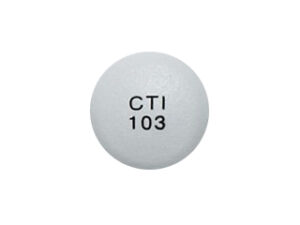
Cyclobenzaprine Hydrochloride (HCl) — Patient Information (UK)
Cyclobenzaprine hydrochloride is a medicine used to help relieve muscle spasm and muscle pain that can occur with strains or sprains of the muscles. It works by calming certain nerve signals that are involved in muscle tightening. Many people find it helps reduce discomfort and improves mobility while the underlying tissues heal.
This page is designed to be patient-friendly and to help you understand how cyclobenzaprine works, how it is typically used, and what safety considerations apply in the United Kingdom.
Basic product information
- Medicine name: Cyclobenzaprine hydrochloride (HCl)
- Common formulation: Tablets (strengths vary by brand and supply)
- Group: Muscle relaxant (centrally acting)
- Typical use duration: Usually short-term, often up to 2–3 weeks depending on your symptoms and clinician advice
- Brand names: Availability can vary; ask your pharmacist about the specific brand you receive
Note: Always follow the instructions on your pack or those given by your healthcare professional.
What cyclobenzaprine does (mechanism of action)
Cyclobenzaprine helps reduce muscle spasm by affecting nerve pathways in the brain and spinal cord. It has a calming effect on muscle activity, which can:
- Reduce muscle tone and spasm
- Decrease pain related to muscle tightening
- Improve movement and comfort while the muscle heals
It does not directly repair injured tissue. For best results, cyclobenzaprine is commonly used alongside gentle movement, rest as needed, and other supportive measures such as physiotherapy or stretching advice.
Pharmacokinetics (how the body handles the medicine)
Understanding pharmacokinetics helps explain why timing, dosing frequency, and safety precautions matter.
| Topic | What to expect |
|---|---|
| Absorption | Absorbed after taking by mouth; peak levels typically occur within a few hours. |
| Distribution | Widely distributed throughout the body. |
| Metabolism | Primarily processed in the liver. |
| Elimination | Breakdown products are removed mainly via the urine. |
| Duration | Effects may last longer than the time to peak levels; dosing schedules are designed to maintain symptom control. |
Why this matters: Because cyclobenzaprine is metabolised in the liver, people with significant liver impairment may need extra caution. Also, because the medicine can affect the nervous system, you may feel drowsy for several hours after taking it.
Typical use and indications (what it’s for)
Cyclobenzaprine is used to relieve symptoms of:
- Acute musculoskeletal conditions where muscle spasm is a prominent feature
- Short-term management of muscle spasm associated with pain (for example, back pain due to muscle strain)
It is generally intended for temporary relief. If symptoms persist, worsen, or are accompanied by warning signs, medical assessment is important to confirm the cause of pain.
How quickly does it work? Timing and daily routine
Many people notice some reduction in muscle spasm and discomfort within the first day, but benefits may develop gradually over the first few days as muscle tension settles.
Common practical timing tips:
- Because it can cause drowsiness, consider taking the first dose when you can rest.
- If you are prescribed multiple daily doses, spacing them evenly can help maintain steadier symptom control.
- If you feel sleepy, take the larger part of your dose schedule in the evening (only if this matches your prescribed directions).
Do not exceed the recommended dose on your pack or the instructions you were given.
Dosing (general guidance)
Dosing can vary by brand, age, and individual health factors. Use the dose specified on your prescription/label and discuss any concerns with your pharmacist.
General principles:
- Typical adult dosing is often several times daily, with doses spaced to manage symptoms.
- Lower doses may be used for some people (for example, due to age or other risk factors).
- Short-term use is usually preferred for acute muscle spasm.
Missed dose: If you forget a dose, take it when you remember unless it is close to the time of the next dose. Do not take a double dose to make up for a missed one.
Stopping: Do not suddenly stop if you have taken it for a short period for acute spasm—most people can stop when symptoms improve and if advised. If you have taken it longer or have concerns, ask your pharmacist for tailored guidance.
Food interactions
Food does not typically require complex timing adjustments, but individual tolerability matters.
General advice:
- You can often take cyclobenzaprine with or without food.
- If it upsets your stomach, consider taking it with food.
- Stay well hydrated, especially if you are taking it when you are less active.
If you experience nausea or indigestion, speak to your pharmacist about practical strategies.
Alcohol and medicine interactions
Alcohol
Do not drink alcohol while taking cyclobenzaprine unless your pharmacist or clinician has confirmed it is safe for you. Alcohol can increase the risk of:
- Drowsiness and impaired reaction time
- Dizziness and falls
- Breathing problems in some situations, particularly if combined with other sedating medicines
Medicine interactions (important)
Cyclobenzaprine can interact with other medicines that affect the brain, mood, heart rhythm, or liver metabolism. Tell your pharmacist about all medicines you take, including over-the-counter products and supplements.
Common interaction categories to discuss:
- Sedatives and sleeping tablets (increased drowsiness)
- Strong pain medicines such as opioids (increased sedation and risk of breathing problems)
- Antidepressants (including some that affect serotonin) — risk of serotonin-related effects and increased side effects
- Medicines that can affect heart rhythm (QT prolongation risk)
- Medicines affecting liver enzymes (may raise or lower cyclobenzaprine levels)
- Other anticholinergic medicines (may increase dry mouth, constipation, blurred vision, and urinary retention)
Serious interactions: Cyclobenzaprine may not be suitable with certain antidepressants (for example, some types used for depression) or with other medicines that significantly increase serotonin or affect heart rhythm. Your pharmacist will check this for you.
Safety profile and side effects
Like all medicines, cyclobenzaprine can cause side effects. Most are mild to moderate, especially when used short-term. However, some effects may be serious and require urgent attention.
Common side effects
- Drowsiness or sleepiness
- Dizziness
- Dry mouth
- Constipation
- Blurred vision
- Feeling tired or reduced energy
Less common but important side effects
- Confusion, especially in older adults
- Urinary retention (difficulty passing urine)
- Allergic reactions (swelling, rash, difficulty breathing)
Seek urgent medical advice if you experience
- Severe dizziness or fainting
- Chest pain, an irregular heartbeat, or fainting
- Severe agitation, confusion, fever, sweating, diarrhoea or tremor (may indicate a serious drug reaction)
- Breathing difficulties or extreme drowsiness
- Signs of a severe allergic reaction such as facial swelling, wheezing, or trouble breathing
Who should be extra cautious?
Use extra caution and discuss suitability with your pharmacist if you have:
- Heart rhythm problems or a history of abnormal heart rhythm
- Liver impairment
- Glaucoma (narrow-angle risk) or other eye conditions
- Urinary retention or enlarged prostate symptoms
- Increased risk of falls (for example, frailty or balance issues)
- Use of other sedating or interacting medicines
Driving and operating machinery: Cyclobenzaprine can cause drowsiness and blurred vision. Avoid driving or using machinery until you know how it affects you.
Practical use tips (getting the best results safely)
- Start when you can rest: The first doses are more likely to cause sleepiness—plan accordingly.
- Move gently: Bed rest for long periods can worsen stiffness. Follow professional advice for gentle movement.
- Heat or cold: Many people find heat packs or gentle stretching helpful for muscle spasm. Consider what works for you.
- Avoid alcohol: It increases sedation and can be unsafe.
- Watch constipation risk: Dry mouth and constipation can occur. Drink fluids and consider fibre if needed.
- Keep track of symptoms: If pain is not improving within a few days, or you develop new symptoms, get medical advice.
- Check your other medicines: Even common products can affect sleepiness or heart rhythm.
Non-drug support: Physiotherapy, posture changes, ergonomic adjustments, and strengthening exercises often improve long-term outcomes, especially for back pain.
Alternative options for muscle spasm pain (UK)
If cyclobenzaprine is not suitable, or if symptoms do not improve, other approaches may be considered depending on your diagnosis and medical history.
Non-medicine alternatives
- Physiotherapy and guided exercise
- Heat/ice therapy
- Stretching and mobility routines
- Ergonomic changes and activity modification
Medicine alternatives (depending on suitability)
- Non-steroidal anti-inflammatory drugs (NSAIDs) such as ibuprofen (when appropriate)
- Paracetamol for pain relief (when appropriate)
- Other muscle relaxants (choice depends on side effect profile and interactions)
- Topical therapies (for some painful muscle conditions)
Your pharmacist can help you compare options based on your symptoms and any conditions you have.
Market and legal context in the United Kingdom
In the UK, cyclobenzaprine is a medicines that may be supplied under regulated conditions. Availability depends on licensing status, pack presentation, and whether supply is via community pharmacy pathways.
Medicines are regulated to ensure quality, safety, and appropriate patient information. Where applicable, pharmacists may require information about your medical history and current medicines to ensure it is safe for you to use.
Regulatory note: Product availability, strength, and brand names can change. Always rely on the label of the medicine you receive.
Recent guidance and clinical considerations
Muscle spasm associated with acute musculoskeletal problems is commonly managed with a combination of symptom relief and supportive care. UK clinical guidance and ongoing review of medicines often emphasise:
- Short-term use where appropriate
- Review if symptoms persist or if pain becomes severe or changes
- Minimising risk from sedation, falls, and interactions
- Using the lowest effective dose and avoiding unnecessary duplication with other sedating medicines
Because cyclobenzaprine can be sedating and may interact with other medicines, your pharmacist is likely to assess suitability carefully—especially if you are older, have liver issues, or take antidepressants or other CNS-active medicines.
Delivery and availability (UK online pharmacy)
Availability can vary by brand and strength. When ordering online in the UK, you can generally expect:
- Stock-dependent delivery: dispatched when your order is confirmed and the item is available
- Packaging and labels: your medicine should arrive in its original manufacturer packaging
- Information included: patient information leaflets and clear instructions
Delivery times: may vary by carrier and location. Check the estimated delivery time shown at checkout and your order confirmation.
If you have questions about the exact product strength or generic brand, contact the pharmacy support team before ordering.
FAQ
1) What is cyclobenzaprine used for?
Cyclobenzaprine is used for short-term relief of muscle spasm associated with painful musculoskeletal conditions, such as strains or sprains, where muscle tightening is a main feature.
2) How long can I take it?
It is typically used for short periods for acute muscle spasm. If your symptoms continue, worsen, or new symptoms appear, seek advice so the cause can be reassessed.
3) Will it make me sleepy?
It can. Drowsiness and dizziness are common. Until you know how you respond, avoid driving, cycling in traffic, and operating machinery.
4) Can I take cyclobenzaprine with food?
Usually yes—cyclobenzaprine can be taken with or without food. If it upsets your stomach, taking it with food may help.
5) Can I drink alcohol?
It is strongly recommended to avoid alcohol because it can increase drowsiness and impair safety.
6) What should I do if I miss a dose?
Take it when you remember unless it is almost time for the next dose. Do not take a double dose.
7) Are there people who should not take cyclobenzaprine?
Cyclobenzaprine may not be suitable for everyone. Extra caution is required if you have heart rhythm problems, liver impairment, glaucoma, urinary retention, or if you take certain interacting medicines—your pharmacist will check this.
8) What side effects are most common?
Common side effects include drowsiness, dizziness, dry mouth, and constipation.
9) When should I get urgent help?
Get urgent medical advice if you have severe allergic symptoms, fainting, chest pain or irregular heartbeat, severe confusion, high fever with agitation, or significant breathing difficulties.
10) What are good non-medicine options alongside the tablets?
Often helpful measures include gentle movement, physiotherapy, heat or cold packs, stretching as advised, and addressing posture and ergonomics. These can improve recovery and may reduce the need for prolonged medication use.
Important: This information is provided to help you understand cyclobenzaprine. It does not replace medical advice. If you are unsure whether cyclobenzaprine is suitable for you, or you have questions about interactions with your current medicines, speak to your pharmacist.