
Colofac (Mebeverine Hydrochloride) – Patient Information
Colofac is a medicine used to help relieve the symptoms of irritable bowel syndrome (IBS), particularly bowel spasms and cramp-like pain. It contains mebeverine hydrochloride, an antispasmodic medicine that works directly on the gut to reduce spasm-related discomfort.
This page explains how Colofac works, how to take it, what to expect, and important safety information. If you have any questions, speak to a pharmacist or clinician.
Key facts at a glance
- Active ingredient: Mebeverine hydrochloride
- Common use: Symptoms of IBS (spasms, cramps, abdominal discomfort)
- How it works: Helps relax bowel muscle spasms without broadly affecting normal bowel function
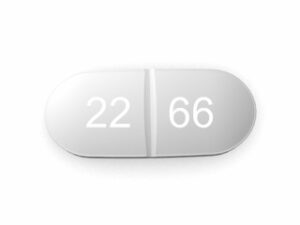
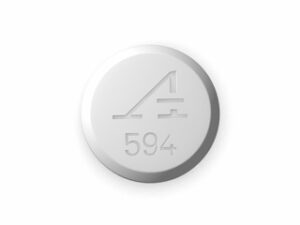
- Typical form: Tablets/capsules (brand presentation may vary by pack)
- UK availability: Sold through UK pharmacies; suitable for many people with IBS symptoms
What is IBS and what does Colofac help with?
IBS is a common gut–brain condition that can cause symptoms such as:
- Crampy abdominal pain
- Bloating and discomfort
- Changes in bowel habit (constipation, diarrhoea, or mixed)
- Urgency or a feeling of incomplete emptying
Colofac is used to relieve symptoms caused by bowel spasm. It is not a cure for IBS, but it can help many people manage day-to-day symptoms.
Mechanism of action (how it works)
Mebeverine works as a direct-acting smooth muscle antispasmodic in the intestine. In simplified terms, it:
- Reduces abnormal contractions (spasm) of the bowel muscle
- Helps normalise intestinal motility so the gut can move more comfortably
- Targets the muscle in the gut wall rather than causing widespread sedation or general pain relief
Because it mainly addresses spasm-related symptoms, some people find it particularly helpful for cramping and pain that comes and goes.
Pharmacokinetics (absorption, distribution, metabolism, elimination)
Pharmacokinetics describe what the body does to the medicine. While exact details can vary between individuals, the general pattern for mebeverine is:
- Absorption: After oral use, mebeverine is absorbed from the gastrointestinal tract.
- Metabolism: The medicine is largely metabolised in the body (it is broken down into metabolites).
- Excretion: Metabolites are then eliminated, mainly via urine.
- Duration of effect: Dosing is designed to maintain symptom relief over the course of the day.
If you have liver or kidney problems, it is sensible to discuss this with a pharmacist, as they may advise how best to manage your treatment.
Typical uses (indications)
Colofac is indicated for the symptomatic treatment of irritable bowel syndrome where bowel spasm contributes to:
- Abdominal pain
- Cramping
- Discomfort related to intestinal spasm
It is often chosen when symptoms are intermittent and appear linked to gut muscle contractions.
How and when to take Colofac
General dosing principles
Always follow the instructions provided with your pack or by your clinician/pharmacist. Dosage may depend on age and the specific strength/formulation.
Common adult use: Typically taken two or three times daily, depending on the product strength and formulation. For many IBS patients, regular dosing for the first few days helps assess response.
If you miss a dose: Take it when you remember, unless it is close to the next dose. Do not take a double dose to make up for a missed one.
Timing (with or without food)
- Colofac can usually be taken with or without food.
- Many people find it easiest to take alongside meals to maintain routine.
Consistency is important in IBS management, as symptoms can fluctuate.
Dosing information (overview)
The table below summarises typical adult dosing schedules commonly used for mebeverine products. Because pack strengths vary, check your specific carton/blister instructions for exact directions.
| Who | Typical dosing frequency | Notes |
|---|---|---|
| Adults | Usually 2–3 times daily (depending on formulation) | Follow the label for your exact strength/form. |
| Children | Not routinely recommended unless specifically advised | Ask a pharmacist for suitability based on age and product. |
| Older adults | Typically the same as adult dosing | Ensure you consider other medicines and any kidney/liver issues. |
Food interactions
There are no well-known major food interactions for mebeverine, and it is generally regarded as suitable to take either with or without food.
However, IBS is strongly influenced by diet and gut sensitivity. You may find that:
- Taking Colofac consistently helps you distinguish medicine effects from dietary triggers
- Large, fatty meals or foods that trigger your symptoms may still cause discomfort even if you are taking an antispasmodic
If your symptoms worsen after specific meals, consider keeping a short diary of triggers and discuss options with a pharmacist or clinician.
Alcohol interactions
There is no commonly reported direct interaction between mebeverine and alcohol. That said, alcohol can worsen IBS symptoms in some people by affecting gut motility, increasing sensitivity, or triggering diarrhoea.
Practical advice:
- If you choose to drink alcohol, start with a small amount to see how you react.
- Be cautious if you notice cramping, urgency, or worsening pain after alcohol.
Medicine interactions
Mebeverine has a relatively low risk of clinically significant drug interactions. However, as with all medicines, it is important to consider your entire medication list.
Before starting Colofac, tell a pharmacist if you take any of the following:
- Other gut-related medicines (for IBS, diarrhoea, constipation, or antacids)
- Medicines for pain relief (especially if they upset your stomach)
- Medicines that may affect bowel habits
- Any herbal supplements or remedies
If you are pregnant, breastfeeding, or have significant medical conditions, get tailored advice before using any medicine.
Safety profile and side effects
Most people tolerate Colofac well. Like all medicines, it can cause side effects, though not everybody gets them.
Common side effects
Common side effects are typically mild and may include:
- Headache
- Dizziness
- Nausea
Less common or serious reactions (seek advice urgently if needed)
Stop the medicine and seek urgent medical advice if you develop signs of a serious allergic reaction, such as:
- Swelling of the face, lips, tongue, or throat
- Difficulty breathing or wheezing
- Severe rash, blistering, or widespread hives
When to speak to a clinician urgently
While IBS is common, certain symptoms may indicate a different condition. Get medical advice promptly if you have:
- Unexplained weight loss
- Blood in your stool or black/tarry stools
- Persistent vomiting
- Fever
- Symptoms that begin suddenly at an older age
- New symptoms that steadily worsen despite treatment
Practical use tips for getting the best results
IBS symptoms often fluctuate, so a few practical steps can improve the chance of success with treatment:
- Start consistently: Try taking Colofac regularly for a short period (for example, several days) to assess benefit.
- Track your pattern: Note when pain/cramping starts, what you eat beforehand, stress levels, and bowel changes.
- Pair medicine with lifestyle changes: Consider dietary adjustments such as reducing known triggers (common ones include high-fat meals, certain sweeteners, and caffeine) and increasing fibre gradually if constipation is an issue.
- Hydrate: Adequate fluid intake can help bowel function and reduce discomfort.
- Manage stress: The gut–brain connection can make stress a powerful trigger.
- Know when to reassess: If you see no improvement after trying for the recommended period on the pack, speak to a pharmacist about other options.
What to expect (timing of symptom relief)
People often report symptom improvement after starting antispasmodic treatment, but the timing can vary:
- Some notice relief within hours to days, especially when the main symptom is cramping.
- For others, it may take several days of consistent dosing to judge effectiveness.
If your symptoms are severe or you experience any concerning features (e.g., bleeding, weight loss), seek medical advice promptly rather than continuing self-management alone.
Alternative options for IBS symptoms
IBS management in the UK may involve lifestyle adjustments, dietary strategies, and different medicines depending on your dominant symptoms (pain/spasm, diarrhoea, constipation, bloating). Options your pharmacist or clinician may discuss include:
For cramping and pain
- Other antispasmodics (choice depends on availability and suitability)
- Muscle-relaxant/antispasmodic approaches tailored to your symptoms
For diarrhoea-predominant IBS
- Loperamide (for short-term control of diarrhoea)
- Medicines targeting gut fluid secretion or motility (availability varies)
For constipation-predominant IBS
- Osmotic laxatives (where appropriate)
- Fibre supplements or stool softening strategies (gradual introduction is often best)
For bloating
- Dietary adjustments (for example, identifying triggers)
- Carminatives or other therapies depending on local availability
Because IBS symptoms overlap, the “best” option depends on what bothers you most. Colofac is generally chosen for spasm-related pain and discomfort.
UK market and legal context (availability and classification)
In the United Kingdom, medicines are regulated and categorised under the Medicines and Healthcare products Regulatory Agency (MHRA) framework. Products may be supplied through different routes depending on safety considerations and licensing status.
Colofac is commonly supplied for IBS symptom relief through UK pharmacy channels. Availability can vary by presentation and strength, and retailers may provide counselling based on the product’s classification.
If you are uncertain whether Colofac is the right choice for your situation, a pharmacist can help you review symptoms, suitability, and how to use it safely.
Recent guidance and care approach in the UK
UK healthcare guidance for IBS typically emphasises a stepwise approach:
- Confirm the diagnosis and check for red-flag symptoms that suggest a different condition.
- Optimise lifestyle and dietary strategies (including identifying triggers).
- Use medicines to target dominant symptoms (pain/spasm, diarrhoea, constipation, bloating).
- Review response and adjust treatment if symptoms persist or worsen.
Colofac fits into this approach as an antispasmodic aimed at relieving cramping pain and spasm-related discomfort.
Delivery and availability (UK online pharmacy)
Colofac is widely distributed through UK pharmacy supply chains. When ordering online, availability can depend on your selected strength and pack size.
- Dispatch times: Many online pharmacies aim to dispatch within 1–2 working days (varies by supplier).
- Delivery options: Standard and express services may be available.
- Packaging: Medicines are typically delivered in tamper-evident packaging.
Always check the product details on the listing page for strength, pack size, and storage instructions.
Storage and handling
- Store at room temperature in a dry place.
- Keep out of the sight and reach of children.
- Check the pack for any specific storage instructions (for example, “store below” a certain temperature).
FAQ about Colofac (Mebeverine)
1) How long does Colofac take to work?
Some people notice reduced cramping within the first day or two. For others, it may take several days of consistent dosing to judge the full benefit.
2) Can I take Colofac with my meals?
Usually yes. Colofac can generally be taken with or without food. If you prefer, take it around meal times to help you remember.
3) Is Colofac safe to take if I have IBS with constipation or diarrhoea?
Colofac is mainly used for the spasm-related pain and discomfort that can occur in IBS, regardless of whether your bowel habit is constipation- or diarrhoea-predominant. If you notice a significant change in bowel habit or concerning symptoms, seek advice.
4) Will Colofac cause drowsiness?
Most people do not experience significant drowsiness. However, individual reactions can vary. If you feel unusual effects after taking it, avoid driving or operating machinery until you know how you respond.
5) What should I do if my symptoms don’t improve?
If there is no meaningful improvement after trying the recommended dosing, speak to a pharmacist. IBS symptoms can overlap with other conditions, so it’s important to reassess if symptoms persist or worsen.
6) Can I drink alcohol while taking Colofac?
There is no commonly recognised direct drug interaction, but alcohol may worsen IBS symptoms for some people. If you drink, do so cautiously and note how your gut responds.
7) Are there any signs that I should stop and get medical help?
Seek urgent advice for signs of allergy (such as swelling of the face/lips or difficulty breathing) or if you have red-flag gut symptoms like blood in stools, unexplained weight loss, persistent vomiting, or fever.
8) Can Colofac be used long-term?
Many people take treatments for IBS symptom control over periods of time. It’s good practice to review your symptoms regularly and discuss ongoing management with a pharmacist or clinician.
9) What if I’m pregnant or breastfeeding?
If you are pregnant, trying to conceive, or breastfeeding, ask a pharmacist for advice before using Colofac, as suitability can depend on your individual circumstances.
Important note
This information is intended for general guidance for UK patients. Always read the leaflet that comes with your specific Colofac product for exact instructions, including dose and warnings. If you have questions about your symptoms or whether Colofac is right for you, a pharmacist can help.