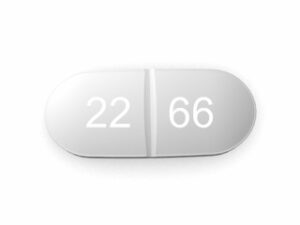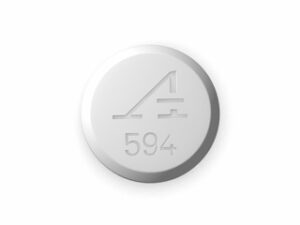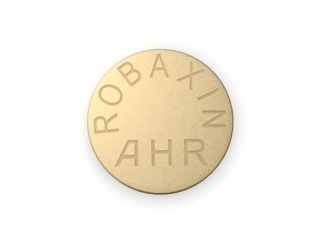
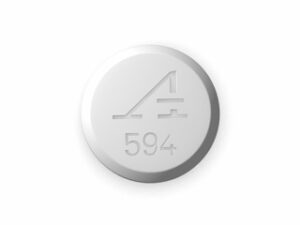

Robaxin (Methocarbamol) — Patient Information (UK)
Robaxin is a medicine containing methocarbamol. It belongs to a group of medicines known as muscle relaxants, used to help relieve muscle spasm and stiffness associated with painful conditions.
This page explains what Robaxin is, how it works, when it’s used, how it’s taken, and important safety information. Always follow the advice provided by your healthcare professional and the instructions on the product packaging.
Quick overview
- Active ingredient: Methocarbamol
- Medicine type: Muscle relaxant
- Common uses: Muscle spasms, painful muscle stiffness, conditions affecting muscles
- Key effects: Reduces muscle spasm and helps relieve pain
- How it’s taken: Usually by mouth (tablet forms)
- Possible side effects: Drowsiness, dizziness, nausea, blurred vision
What is Robaxin?
Robaxin is a brand of methocarbamol. It is used as part of the management of painful, tense or spasmodic muscles. It does not “cure” the underlying condition, but it can make movement and daily activities more comfortable while the body recovers.
Robaxin is generally used alongside other supportive approaches such as rest, gentle movement, physiotherapy, and (when appropriate) pain relief medicines.
How Robaxin works (mechanism of action)
Methocarbamol acts mainly in the central nervous system (the brain and spinal cord). It helps reduce the activity of neural pathways that contribute to muscle spasm.
While the exact mechanism is complex, the overall clinical effect is:
- Less muscle spasm
- Reduced muscle stiffness and discomfort
- Improved ability to move and perform everyday tasks
Robaxin is not a painkiller in the same way as paracetamol or ibuprofen. Instead, it helps relieve pain indirectly by calming muscle spasm.
Pharmacokinetics (how the body processes it)
Pharmacokinetics describes how methocarbamol is absorbed, distributed, metabolised, and eliminated. While individual variation exists, typical patterns include:
- Absorption: Methocarbamol is absorbed after oral administration.
- Distribution: It distributes into body tissues, including the central nervous system.
- Metabolism: It is metabolised in the liver to various compounds.
- Elimination: Metabolites are primarily excreted through the kidneys (urine).
Because metabolism involves the liver and elimination involves the kidneys, people with liver or kidney impairment may require extra caution or monitoring. Ask a healthcare professional if you have relevant medical conditions.
Typical uses in the UK
Robaxin is used to relieve muscle spasms and associated pain in conditions such as:
- Acute painful muscle spasm (for example after strain)
- Back or neck pain related to muscle spasm
- Muscle stiffness where spasm is a contributing factor
- Adjunct treatment alongside pain relief and physiotherapy
It may be recommended when muscle tightness is limiting movement and comfort. Your clinician will consider the cause of your symptoms and whether a muscle relaxant is appropriate.
Timing: when to take Robaxin and how long it takes
The exact schedule depends on the product strength and your prescribed instructions. In general:
- Start-up: Some people notice relief within the first day, but full benefit may take several days.
- Consistency: Taking doses at evenly spaced times can help maintain symptom control.
- Use duration: It’s typically used for short-term relief of spasm while the underlying issue is treated.
If symptoms worsen, fail to improve, or you develop new neurological symptoms (such as weakness or numbness), seek medical advice promptly.
Food interactions and absorption
Methocarbamol can usually be taken with or without food. Food may reduce the likelihood of stomach upset for some people. To help you tolerate the medicine:
- Take with a meal or snack if you experience nausea.
- Swallow tablets with water.
- Maintain the same approach (with or without food) from dose to dose unless your clinician advises changes.
If you have a sensitive stomach, pairing the dose with food may be beneficial. For exact instructions, check the leaflet supplied with your product.
Alcohol interactions (important)
Alcohol should be avoided or kept to a minimum while taking Robaxin. Methocarbamol can cause drowsiness and dizziness, and alcohol can intensify these effects. This increases the risk of:
- Falls and injuries
- Impaired driving or operating machinery
- Excess sedation
If you have questions about alcohol and your personal risk, speak to a healthcare professional or pharmacist.
Medicine interactions
Robaxin may interact with medicines that affect the brain and nervous system. The most important interaction concerns medicines that increase sedation.
Medicines that may increase drowsiness
- Opioid painkillers (e.g., morphine, oxycodone, codeine)
- Other muscle relaxants
- Sedatives or sleeping tablets
- Some antihistamines that cause drowsiness
- Some antidepressants (depending on type and individual response)
Other considerations
- Liver impairment: because methocarbamol is metabolised in the liver, inform your pharmacist if you have any liver problems.
- Kidney impairment: since metabolites are removed via the kidneys, seek advice if you have reduced kidney function.
- Driving and machinery: if Robaxin affects you, avoid hazardous tasks.
Always provide your pharmacist with a full list of medicines, including over-the-counter products, vitamins, and herbal preparations. This helps reduce the risk of unwanted interactions.
Indications: when Robaxin is recommended
Robaxin is indicated for the relief of muscle spasm and associated pain. It may be used where spasm is part of the clinical picture of a painful condition, often together with other supportive measures.
It is not intended as a replacement for urgent assessment. If you have:
- Severe back pain with fever
- Loss of bladder or bowel control
- Progressive weakness in legs or arms
- Numbness in the groin/saddle area
- Symptoms following a significant injury
seek medical attention immediately.
Dosing: typical guidance and how to follow it safely
Dosing depends on factors such as age, severity of symptoms, and your specific product formulation. Follow the instructions given by your healthcare professional and the leaflet for your exact strength.
General patient-friendly guidance:
- Start low and adjust carefully: do not change your dose unless advised.
- Space doses: keep approximately even intervals (if taken multiple times per day).
- Do not exceed maximum dose: check the leaflet or pharmacist instructions.
- Stop and seek advice if: you develop severe drowsiness, breathing problems, fainting, or an allergic reaction.
Below is an example schedule that may be used in some settings. Your product leaflet may differ—always follow the label you have.
| Situation | Common approach (example) | Notes |
|---|---|---|
| Short-term muscle spasm | Multiple doses per day, spaced through the waking day | Adjust based on response and tolerability. |
| Tolerance/drowsiness | Reduce the impact by taking at times aligned to rest | Do not drive if you feel sleepy or dizzy. |
| When symptoms improve | Discuss stopping promptly with your clinician | Aim to use for the shortest effective duration. |
If you miss a dose, take it when you remember unless it’s close to the next dose. Do not take double the dose to make up for a missed one.
Safety profile: side effects and warning signs
Like all medicines, Robaxin can cause side effects. Not everyone experiences them. Many side effects are mild and improve as your body adjusts, but some require urgent medical help.
Common side effects
- Drowsiness or sleepiness
- Dizziness
- Headache
- Nausea or stomach upset
- Blurred vision
- General tiredness
Less common but important effects
- Allergic reactions (rash, itching, swelling)
- Changes in liver function (rare; usually picked up on testing)
- Severe sedation, especially if combined with other sedating medicines
Seek urgent medical advice if
- You have trouble breathing, wheezing, or severe shortness of breath
- You develop facial swelling, widespread rash, or signs of anaphylaxis
- You become unusually drowsy, confused, or faint
- You notice yellowing of the skin/eyes (jaundice) or dark urine
Who should take extra care?
- Older adults (higher risk of dizziness and falls)
- People with liver or kidney impairment
- People taking other medicines that affect the brain or breathing
- People with a history of drug allergies to similar medicines
- Pregnancy or breastfeeding—discuss with a healthcare professional
Practical use tips (how to get the best results)
1) Use alongside gentle movement
Muscle spasm often responds better when you combine medication with gentle activity. Avoid complete bed rest unless advised. Try short, comfortable movement breaks and gradual return to normal activity.
2) Plan around drowsiness
- If you feel sleepy, consider taking doses when you can rest.
- Avoid alcohol.
- Do not drive if you experience blurred vision or reduced alertness.
3) Keep a short symptom diary
Track pain/spasm levels and side effects for a few days. This can help a clinician decide whether to continue, adjust, or switch strategy.
4) Consider heat and physiotherapy
Heat packs, gentle stretching (if appropriate), and advice from a physiotherapist can support recovery alongside Robaxin. Always follow safe technique and avoid aggressive stretches during acute flare-ups.
5) Don’t over-rely on medication
Robaxin is intended to manage spasm symptoms. If symptoms persist, recur frequently, or follow an injury, it’s important to identify the underlying cause.
Alternative options
There are several other approaches for managing muscle spasm and pain. The best option depends on your diagnosis, medical history, and how you respond to treatment.
Other muscle relaxants
- Other centrally acting muscle relaxants may be considered in some cases.
- Each has its own side effect profile, especially regarding drowsiness.
Analgesics (pain relief medicines)
- Paracetamol
- Non-steroidal anti-inflammatory drugs (NSAIDs) such as ibuprofen (if suitable for you)
Non-medicine options
- Physiotherapy and mobility exercises
- Heat therapy
- Posture and ergonomic changes
- Activity pacing and graded return to movement
Ask a pharmacist or healthcare professional which alternatives are safest for you, particularly if you have other conditions or take multiple medicines.
UK market and legal context (patient-friendly overview)
In the United Kingdom, medicines are regulated by the Medicines and Healthcare products Regulatory Agency (MHRA). Availability, prescribing rules, and supply models can vary depending on the product strength, formulation, and classification.
Robaxin (methocarbamol) is a recognised medicine used in the UK for muscle spasm. If you’re considering purchasing online, ensure the product is supplied by a reputable provider operating lawfully in the UK. Look for:
- Clear product information (strength, dosage form)
- Transparent delivery and returns information
- Customer support and prescription-related compliance where applicable
- Secure ordering (where required) and appropriate storage instructions
Keep in mind that availability and brand listings can change. If your usual product isn’t available, your pharmacist can advise on equivalent options.
Recent guidance and clinical approach (UK-relevant)
Clinical guidance for musculoskeletal pain commonly emphasises a balanced approach: keeping active, using appropriate pain relief, and considering muscle spasm management when spasm is a significant feature. Over-sedation and falls risk are key considerations—especially in older people and when combining medicines.
Healthcare professionals often review:
- Whether symptoms suggest a condition needing urgent assessment
- The need for imaging or referral (depending on red flags and duration)
- Medication safety (drowsiness, interactions, liver/kidney considerations)
- Non-drug strategies (physiotherapy, exercise, ergonomics)
If you have persistent pain or repeated episodes, consider discussing a longer-term plan with a clinician rather than using muscle relaxants repeatedly without review.
Delivery and availability in the UK
Robaxin (methocarbamol) availability may depend on product type and stock levels. When ordering from an online pharmacy, delivery times can vary by location and current demand.
- Check availability: product pages usually indicate stock status.
- Dispatch times: many pharmacies dispatch within 1 working day if available.
- Delivery options: typical services include standard and express delivery (subject to location).
- Packaging: medicines are provided in secure packaging suitable for transport.
For storage, follow the instructions on the pack. Keep medicines out of sight and reach of children.
FAQ (Frequently asked questions)
1) What is Robaxin used for?
Robaxin (methocarbamol) is used to relieve muscle spasms and the painful stiffness they can cause. It’s often used for short-term relief while other measures—like activity and physiotherapy—support recovery.
2) How quickly will Robaxin work?
Some people feel symptom relief within the first day, while others may need several days to notice a clear benefit. If there is no improvement or symptoms worsen, seek advice.
3) Can I take Robaxin with food?
Yes, it can usually be taken with or without food. If you experience nausea, taking it with a meal may help. Follow the instructions on your specific product leaflet.
4) Can I drink alcohol while taking Robaxin?
It’s strongly advised to avoid alcohol (or keep it to a minimum) because both alcohol and methocarbamol can cause drowsiness and dizziness, increasing the risk of accidents.
5) Will Robaxin make me sleepy?
Drowsiness is a possible side effect. Avoid driving, cycling on busy roads, or operating machinery if you feel sleepy, dizzy, or have blurred vision.
6) What should I do if I miss a dose?
Take the missed dose when you remember unless it is near the time of the next dose. Do not take a double dose. If unsure, ask a pharmacist for advice.
7) Who should be extra cautious with Robaxin?
Extra caution is recommended for older adults and for people with liver or kidney problems, as well as those taking other sedating medicines.
8) Are there alternatives to Robaxin?
Yes. Depending on your diagnosis, alternatives can include other muscle relaxants, pain relief medicines (such as paracetamol and NSAIDs if suitable), and non-drug options like physiotherapy, heat, and targeted exercises.
9) When should I seek medical help urgently?
Seek urgent help if you develop signs of an allergic reaction, severe breathing problems, fainting, extreme confusion, or if your symptoms include red-flag features such as bowel/bladder changes or progressive weakness.
10) Can Robaxin be used for long periods?
Robaxin is generally used for short-term symptom relief. If symptoms persist or recur, it’s important to review the underlying cause rather than using the medicine indefinitely without reassessment.
Important reminder
This information is designed to help you understand Robaxin (methocarbamol). It does not replace advice from a healthcare professional. If you have questions about suitability, interactions, or side effects, speak to a pharmacist for guidance.