Alfuzosin (Uroxatral and other brands) — Patient Guide
Alfuzosin is a medicine used to help relieve urinary symptoms caused by an enlarged prostate (benign prostatic hyperplasia, BPH). It works by relaxing the muscles in the prostate and bladder neck so urine can pass more easily. This guide explains what Alfuzosin does, how it’s taken, common side effects, important precautions, and practical tips for safe use in the UK.
Quick overview
| Topic | Key points |
|---|---|
| What it’s for | Urinary symptoms of an enlarged prostate (BPH) |
| How it works | Blocks alpha-1 receptors in the prostate and bladder neck |
| Common form | Extended-release tablets (often taken once or twice daily depending on strength) |
| Typical timing | Often taken after the same meal each day; follow your prescribed directions |
| Food interaction | Food—especially some meals—can be important for correct absorption |
| Alcohol caution | Alcohol may increase dizziness or low blood pressure in some people |
| Common side effects | Dizziness, headache, tiredness, low blood pressure, nausea |
| Who should take extra care | People with low blood pressure, heart conditions, or taking interacting medicines |
Basic product information
Active ingredient: Alfuzosin
Medicine class: Alpha-1 (α1) receptor blocker
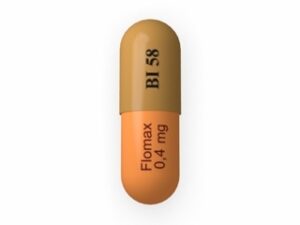
Typical strength/forms in the UK: Alfuzosin is commonly supplied as an extended-release tablet. Brand names can vary; your pharmacist or product label will specify the exact strength and dosing schedule.
What to look for on the pack: The label will state the strength (e.g., mg per tablet) and whether it is extended-release. This matters because you should take it exactly as directed to ensure safe, consistent effect.
How Alfuzosin works (mechanism of action)
In BPH, the prostate gland enlarges and the muscles in the prostate and bladder neck can remain tight, making it harder for urine to flow. Alfuzosin works by:
- Blocking alpha-1 adrenergic receptors in the prostate and bladder neck
- Relaxing smooth muscle in these areas
- Improving urine flow and reducing symptoms such as weak stream and difficulty starting urination
Alfuzosin does not shrink the prostate in the way some other medicines do; instead, it helps relieve blockage-related symptoms by improving flow.
Pharmacokinetics (how the body handles it)
Pharmacokinetics describes absorption, distribution, metabolism, and elimination. While exact values may vary by product and patient factors, these are the practical take-home points for Alfuzosin:
- Absorption: Alfuzosin is absorbed after you take a tablet. Food can significantly affect absorption. Many formulations should be taken after a meal to maintain predictable levels.
- Extended-release formulation: Extended-release tablets release the medicine more slowly, helping maintain steady levels through the day.
- Metabolism: The medicine is metabolised in the liver.
- Elimination: Metabolites are eliminated primarily through the body’s normal clearance pathways.
- Duration of action: The extended-release design supports dosing at set times (commonly once or twice daily depending on strength).
Practical implication: Always take Alfuzosin exactly as instructed on your label, particularly regarding meals and timing. If you miss a dose, do not double up unless your clinician/pharmacist specifically advises it.
What Alfuzosin is used for (indications)
Alfuzosin is used to treat urinary symptoms associated with benign prostatic hyperplasia (BPH). It is intended for men experiencing symptoms such as:
- Difficulty starting urination (hesitancy)
- Weak urinary stream
- Frequent urination, including at night (nocturia)
- Urgency to urinate
- Feeling that the bladder does not empty completely (incomplete emptying)
It may also be used in specific clinical situations related to bladder outlet obstruction, as determined by healthcare professionals.
When to take it (timing)
The correct timing is closely linked to food absorption.
General guidance:
- Take with/after food if your product instructions require this (commonly after a meal).
- Take at the same time each day to help maintain steady drug levels.
- Swallow whole with water—do not crush, split, or chew extended-release tablets.
Why this matters: Taking Alfuzosin on an empty stomach may reduce absorption and make the medicine less effective or more likely to cause side effects. Always follow the directions on your specific pack.
Dosing: typical starting and maintenance
Doses depend on the tablet strength, the formulation (especially extended-release), age, and individual tolerance. The dosing information below is typical and may be adjusted by your clinician.
Typical approach in adults (UK products):
- Start low and adjust if needed based on symptom response and side effects.
- Use the extended-release schedule exactly as described on your medicine label.
Important: Always check your exact tablet strength and the frequency written on your package or supplied by your pharmacy. Do not switch between brands or strengths without confirming the dosing schedule.
If you are unsure about your dosing regimen, speak to a pharmacist. They can help you interpret your label (including whether you should take it once daily or twice daily for your specific product).
Food interactions (what you should know)
Food can be important for Alfuzosin absorption. For many alfuzosin extended-release products, you should take the tablet after food. If taken incorrectly, your body may absorb less medicine, leading to reduced symptom control.
Practical tips:
- Take your dose after a meal (or as directed on your label).
- If you usually eat at a particular time, build your dosing around that routine.
- If you miss a meal occasionally, ask your pharmacist how to take the next dose safely.
Example scenario: If your tablet is intended to be taken after dinner, taking it on an empty stomach in the morning or late at night without food may change how well it works.
Alcohol and medicine interactions
Alcohol: Alfuzosin can lower blood pressure in some people. Alcohol may increase the risk of dizziness, light-headedness, or fainting—especially when you start treatment or increase the dose.
- Consider limiting alcohol until you know how Alfuzosin affects you.
- Avoid drinking heavily, particularly if you stand up quickly or have a history of falls.
Other medicines: Alfuzosin can interact with medicines that affect blood pressure or the liver’s handling of drugs. It is especially important to review your current medications with a pharmacist if you take any of the following:
- Other alpha-blockers (risk of excessive blood pressure lowering)
- Medicines for erectile dysfunction (e.g., sildenafil, tadalafil, vardenafil) can also affect blood pressure
- Antihypertensives (blood pressure medicines)
- Nitrates (for angina) because of potential blood pressure lowering
- Strong inhibitors of liver enzymes (such as some antifungals or antibiotics) that may raise alfuzosin levels
- Medicines that affect cardiac rhythm (some combinations may raise risk of rhythm changes)
Always provide your pharmacy with a complete list of medicines, including over-the-counter products and herbal supplements.
Safety profile: common and serious side effects
Like all medicines, Alfuzosin can cause side effects. Many people experience mild effects, particularly during the first days of treatment, as the body adjusts.
Common side effects
- Dizziness (including when standing)
- Headache
- Feeling tired
- Low blood pressure (postural hypotension)
- Nausea
Less common but important
- Fainting or near-fainting, especially after standing quickly
- Palpitations or awareness of heartbeat
- Allergic reactions (rare): rash, swelling, breathing difficulty
Seek urgent medical help if
- You faint or have severe dizziness
- You experience signs of an allergic reaction (swelling of face/lips/tongue, trouble breathing)
- You develop chest pain or severe rapid/irregular heartbeat
Note: Side-effect experiences vary. Use the product leaflet for a full list and talk to a healthcare professional if you’re concerned.
Practical use tips (how to take Alfuzosin more comfortably)
- Rise slowly: If you feel dizzy, get up slowly from sitting or lying positions.
- Hydrate: Dehydration can worsen low blood pressure symptoms.
- Be cautious at night: If you wake to pass urine, take care getting out of bed to reduce fall risk.
- Stick to meals: If your label says “take after food,” do this consistently.
- Don’t crush tablets: Extended-release tablets must be swallowed whole.
- Track symptoms early: Note whether urinary symptoms improve over days to weeks so you can discuss results if needed.
- Keep a medication list: Especially useful if you are admitted to hospital or see a new clinician.
Special considerations and precautions
Low blood pressure and falls risk
Alfuzosin may cause postural (orthostatic) hypotension. This is more likely at treatment initiation, after dose increases, or when combined with other blood pressure-lowering medicines.
- If you have a history of dizziness or falls, take extra care when starting Alfuzosin.
- Aim to avoid driving or operating machinery if you feel light-headed.
Heart conditions and cardiac rhythm concerns
Because Alfuzosin can affect blood pressure and, in some circumstances, cardiac electrical activity, people with certain heart conditions should take extra care and follow medical advice.
Liver impairment
Alfuzosin is metabolised in the liver. If you have liver problems, the medicine may require special caution or avoidance depending on severity. Discuss this with a pharmacist or clinician.
Cataract surgery (“Intraoperative Floppy Iris Syndrome”)
Some alpha-1 blockers are associated with a complication during cataract surgery called Intraoperative Floppy Iris Syndrome (IFIS). If you are planning eye surgery, inform your eye surgeon and anaesthetist that you take Alfuzosin.
Drug interactions
Interaction risk is particularly important with medicines affecting blood pressure or liver enzyme pathways. Always review your medicines with a pharmacist before starting or combining therapies.
Alternative options (other treatments for BPH symptoms)
If Alfuzosin is not suitable, alternatives may be considered depending on your symptoms, prostate size, overall health, and other medicines.
Common options include:
- Other alpha-1 blockers (e.g., tamsulosin, doxazosin, terazosin, silodosin) — each has its own dosing schedule and interaction profile.
- 5-alpha-reductase inhibitors (e.g., finasteride, dutasteride) — can reduce prostate size over time; may take longer to work.
- Combination therapy (alpha blocker + 5-alpha-reductase inhibitor) — sometimes used when symptoms are moderate to severe and prostate enlargement is confirmed.
- Other targeted therapies depending on local clinical guidelines and patient profile.
- Supportive measures such as bladder training, reducing evening fluids, and reviewing caffeine/alcohol intake (these do not replace medication when needed).
Choosing an alternative: A pharmacist or clinician can help compare options based on side-effect risks (e.g., dizziness, sexual side effects), your other medications, and planned procedures such as cataract surgery.
Market and legal context in the United Kingdom
In the UK, Alfuzosin is an established medicine for BPH and is supplied through the standard medicines distribution system. Availability and the exact pack contents depend on the manufacturer and pharmacy.
Key points for the UK:
- Medicines are regulated by the UK medicines framework (including assessment of safety, quality, and efficacy).
- Pharmacies must follow legal requirements for supply, patient counselling, and record-keeping where applicable.
- Patient information leaflets included in the packaging provide legally required safety and usage information.
Where you may see guidance updates: Clinical recommendations for BPH management can be updated as evidence evolves. Local prescribing practices and formularies may influence which therapies are recommended first.
Recent guidance and clinical practice notes (UK-relevant)
BPH guidance in the UK generally focuses on:
- Assessing symptom severity and impact on quality of life
- Checking for red flags (e.g., blood in urine, recurrent urinary retention, suspected prostate cancer symptoms)
- Reviewing medication history to reduce interaction risks
- Considering treatment options such as alpha-1 blockers for symptom relief, with additional therapies for those with larger prostates or risk of progression
What to do in practice: If symptoms worsen, you develop urinary retention (inability to pass urine), or you have persistent blood in urine, you should seek prompt medical assessment. These are not “typical” BPH symptom fluctuations.
Delivery and availability (online pharmacy information)
Availability varies by strength and brand. When ordering online, you will typically receive:
- The medicine in its original packaging
- Patient information leaflet(s)
- Clear dosing instructions printed on the label
Delivery expectations: Many UK pharmacies use tracked delivery services. Delivery times depend on your location and the supplier’s stock levels. Some pharmacies may offer discreet packaging.
Before delivery:
- Double-check the strength and formulation match your needs.
- Confirm the dosing instructions on your label.
- If you have recently changed dose or brand, contact a pharmacist for confirmation.
Storage:
- Store at room temperature, away from moisture and direct sunlight
- Keep out of reach of children
Do not use beyond expiry date.
FAQ: Alfuzosin (patient questions)
1) How long does Alfuzosin take to work?
Many people notice improvement in urinary symptoms within days to a few weeks. If you don’t notice any improvement after several weeks, speak to a pharmacist or clinician to review suitability and dosing.
2) Will Alfuzosin shrink my prostate?
Alfuzosin primarily relaxes muscles to improve urine flow. It is not designed to shrink the prostate in the same way that 5-alpha-reductase inhibitors do.
3) What should I do if I miss a dose?
If you miss a dose, take it as soon as you remember unless it is close to the next dose. Do not take a double dose to make up for a missed tablet. If you’re unsure, ask a pharmacist.
4) Can I stop Alfuzosin when I feel better?
Urinary symptoms from BPH often return when treatment is stopped. Don’t stop suddenly without advice. If side effects become difficult, discuss options promptly.
5) Is Alfuzosin safe to drive or operate machinery?
Dizziness can occur, particularly when starting or after dose changes. Until you know how you respond, be cautious with driving, climbing ladders, or using tools/machinery—especially after standing up.
6) Can I take Alfuzosin with erectile dysfunction medicines?
Some combination use may increase the risk of low blood pressure. This must be assessed carefully. Consult a pharmacist or clinician before combining Alfuzosin with medicines such as sildenafil, tadalafil, or vardenafil.
7) Why is food important for Alfuzosin?
For extended-release Alfuzosin, food can improve absorption and help maintain effective drug levels. Always follow the meal instructions on your label.
8) Are there dietary or lifestyle changes that can help?
Yes. Some men benefit from reducing caffeine and alcohol (especially in the evening), managing fluid intake timing, and avoiding constipation. Lifestyle measures can complement medication, although they may not replace it.
9) Does Alfuzosin interact with medicines for blood pressure?
It can. Alfuzosin lowers blood pressure in some people, so combining with antihypertensive medicines may increase dizziness or fainting risk. Your pharmacist can check your medication list for likely interactions.
10) What should I tell my surgeon if I need cataract surgery?
Inform them you take Alfuzosin. This is important due to the possibility of IFIS during cataract procedures.
11) Who should avoid Alfuzosin?
People with certain medical conditions or those taking specific interacting medicines may need extra caution or alternatives. If you have low blood pressure, significant liver impairment, or are unsure about interactions, seek advice from a pharmacist before starting.
When to seek urgent medical advice
Get urgent help if you experience symptoms such as:
- Fainting or severe dizziness
- Allergic reaction symptoms (swelling, rash with breathing trouble)
- Severe chest pain or signs of a serious heart rhythm problem
- Inability to pass urine (urinary retention)
Summary
Alfuzosin is an alpha-1 blocker used to treat urinary symptoms of benign prostatic hyperplasia. By relaxing the prostate and bladder neck, it can improve urine flow and reduce symptoms that affect daily life. Because it can cause dizziness and sometimes low blood pressure, especially at the start of treatment, it’s important to take it correctly—particularly after food if your label specifies this—and to review potential interactions with your other medicines. If you experience concerning symptoms or side effects, contact a healthcare professional promptly.