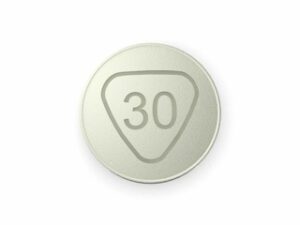
Propecia (Finasteride) — Patient Information (UK)
Propecia contains finasteride, a medicine used to treat certain conditions related to hormone (androgen) activity in the body, most commonly male pattern hair loss. It works by reducing the conversion of testosterone into dihydrotestosterone (DHT), a key hormone linked to hair follicle shrinkage in susceptible men.
This guide is designed to be patient-friendly and to help you understand how Propecia works, how it’s usually taken, what to expect, and important safety considerations. Always follow the advice of a qualified healthcare professional for your individual situation.
Quick overview
- Medicine: Propecia (finasteride)
- Common use in adults: Male pattern hair loss (androgenetic alopecia)
- How it works: Lowers DHT levels by inhibiting the enzyme 5α-reductase
- Typical dose: 1 mg once daily
- Time to results: Often 3–6 months for early changes; full benefit may take 12 months or longer
- Food: Can be taken with or without food
- Key safety points: Discuss pregnancy risk (for partners), sexual side effects, mood changes, and breast changes
- UK availability: Widely distributed through pharmacies and online medicine suppliers (availability varies by stock and product status)
Basic product information
| Item | Details |
|---|---|
| Brand name | Propecia |
| Active ingredient | Finasteride |
| Strength (commonly available) | 1 mg tablets (typical for hair loss) |
| Drug class | 5α-reductase inhibitor (androgen metabolism inhibitor) |
| Route | Oral (by mouth) |
| How often | Once daily |
Mechanism of action (how Propecia works)
In men with androgenetic alopecia, hair follicles are sensitive to dihydrotestosterone (DHT). DHT is formed when testosterone is converted by the enzyme 5α-reductase. This process contributes to:
- Hair follicle miniaturisation (shrinking)
- Shortening of the hair growth phase
- Gradual thinning of hair over time
Finasteride blocks the action of 5α-reductase, lowering DHT levels. By reducing DHT:
- Hair follicles are more likely to move away from shrinkage
- Some men experience thickening of hair and/or slower progression of hair loss
- Some regrowth may occur, but responses vary
Pharmacokinetics (what the body does with finasteride)
Pharmacokinetics describes absorption, distribution, metabolism, and elimination.
- Absorption: Finasteride is absorbed after oral dosing. Its effects on DHT begin after dosing, with noticeable changes typically occurring within days, though hair-related improvements take longer.
- Peak levels: After a tablet is swallowed, finasteride reaches peak blood concentrations at a certain time window (commonly within hours). Individual timing varies.
- Protein binding: Finasteride is significantly bound to plasma proteins.
- Metabolism: It is metabolised in the liver. The metabolites are then further processed by the body.
- Elimination: The medicine and its metabolites are eliminated mainly via the body’s clearance routes (including urine and faeces).
- Half-life: Finasteride has a relatively long half-life, which supports once-daily dosing.
Important patient note: Even though blood levels may settle, hair growth is slow. The hair cycle typically takes months, so improvements occur gradually.
Typical use in the UK
In the UK, Propecia (finasteride 1 mg) is commonly used for:
- Male pattern hair loss (androgenetic alopecia) in adult men
It is generally not intended for use in women. Women who are pregnant or may become pregnant should avoid exposure to finasteride, particularly because of potential effects on male foetal development.
Indications (who it is for)
Propecia is indicated for the treatment of androgenetic alopecia in men. It helps to:
- Reduce further hair loss in appropriate patients
- Increase hair growth in some men
Effectiveness varies: Results are best in men with ongoing hair thinning, but not all patients respond equally. Your healthcare professional may discuss expectations and suitability based on your pattern of hair loss and medical history.
Dose and timing
Typical dosing
- Adults (men): 1 mg once daily by mouth
Do not change the dose without medical advice. Taking more than the recommended dose does not generally speed up results and may increase side effects.
When to take Propecia
- You can take it at any time of day.
- Many people choose a consistent time to improve adherence (e.g., morning or evening).
- If you forget a dose, take it when you remember unless it is close to the next scheduled dose. Do not take a double dose.
How long before you notice changes?
Hair outcomes depend on the hair growth cycle. Typical timelines include:
- First signs: around 3–6 months
- More meaningful change: around 6–12 months
- Longer-term assessment: continue for at least 12 months to judge effect
If you stop taking Propecia, the benefits usually diminish over time and hair loss may resume.
Food interactions
Food does not have a clinically important interaction with finasteride for most patients. Propecia can generally be taken:
- With food, or
- Without food
If you find tablets easier to take with meals (to reduce any mild stomach discomfort), you may take it with a snack. The key is to take it consistently each day.
Alcohol and medicine interactions
Alcohol
There is no specific requirement to avoid alcohol with finasteride. However, moderation is always sensible. If you notice increased side effects (such as reduced libido, mood changes, dizziness, or general unwell feelings), consider reducing alcohol and discuss with a healthcare professional.
Other medicines
Finasteride has a relatively low potential for many common drug interactions, but it is still important to inform a healthcare professional about:
- All prescription medicines
- Over-the-counter medicines
- Herbal supplements (for example, those affecting hormones or liver metabolism)
- Any recent medication changes
Metabolism: Finasteride is processed by liver enzymes. Medicines that strongly affect these enzymes may, in theory, influence finasteride levels. In clinical practice, significant interactions are not commonly seen, but your pharmacist or prescriber can check for any specific combinations.
Do not start or stop medicines based solely on this guide—ask if your exact medicine list has any interaction risk.
Safety profile and important precautions
Like all medicines, Propecia can cause side effects. Many patients experience none or only mild effects. However, you should know what to watch for.
Commonly reported side effects
- Sexual effects (e.g., decreased libido)
- Erectile dysfunction
- Changes in ejaculation (e.g., reduced volume)
- Breast tenderness or enlargement (see below)
Some sexual side effects may improve after continued use or after stopping the medicine, but this is not guaranteed for every individual.
Serious or urgent symptoms to report promptly
- Breast changes: seek medical advice if you notice lumps, swelling, nipple discharge, or persistent pain.
- Allergic reactions: stop and seek urgent care if you develop swelling of the face/lips, rash with breathing difficulty, or severe skin reactions.
- Mood changes: report depression symptoms or significant mood changes promptly.
Pregnancy and exposure risk (partners and family planning)
Extremely important: Propecia can be harmful to a developing male foetus. For this reason:
- Women who are pregnant (or may become pregnant) should not handle crushed or broken tablets.
- Tablets should remain in the packaging and be kept out of reach of children.
- Follow safe handling guidance as provided with the product.
Special populations
- Women: not indicated for treatment of hair loss.
- Children: not intended for use.
- Older adults: dosing may require individual assessment based on health status and kidney/liver function.
- Liver or kidney impairment: suitability and monitoring may differ—ask a clinician or pharmacist for advice.
Prostate-specific antigen (PSA) considerations
Finasteride can affect blood levels of PSA, a marker used in prostate monitoring. If you are taking finasteride, your clinician may interpret PSA results differently. Tell healthcare professionals that you take finasteride when any PSA testing is done.
Practical use tips (to get the best experience)
- Be consistent: take one tablet daily at roughly the same time.
- Give it time: hair changes take months. Avoid judging effectiveness after only a few weeks.
- Track progress: consider monthly photos using the same lighting and angles.
- Manage expectations: some men stabilise and maintain hair; others see regrowth. Results vary.
- Monitor side effects: if sexual side effects, mood changes, or breast symptoms occur, speak with a healthcare professional promptly.
- Do not stop abruptly without advice: stopping typically reduces benefits over time. A clinician can discuss what to do if side effects occur.
- Keep it safe: store tablets in a safe place; prevent access by women who are pregnant or might become pregnant if they could handle broken tablets.
Alternative options for male pattern hair loss
If Propecia is not suitable or if you want additional options, there are other treatments used for male pattern hair loss. Your best choice depends on your situation, hair loss stage, tolerance, and preferences.
Common alternatives
- Minoxidil (topical): helps stimulate hair growth in some patients.
- Other hair loss approaches: low-level light therapy devices, specialised shampoos, and counselling on hair care.
- Procedures: hair transplant surgery for suitable candidates.
- Other medications: depending on local prescribing practices, other androgen-related treatments may be discussed by healthcare professionals.
Combination therapy: Some patients use Propecia alongside minoxidil. Combining treatments may improve results for certain individuals, but it should be discussed to ensure safety and correct use.
UK market and legal context (what to expect)
In the UK, medicines are regulated and supplied under rules designed to protect patients. Availability of finasteride products and the exact process of obtaining them can vary depending on product status, pharmacy policies, and local regulations.
- Medicines regulation: Propecia is a regulated medicine, and supply is typically managed by licensed pharmacy channels.
- Online pharmacy supply: Reputable online pharmacies operate within UK pharmaceutical and consumer protection requirements.
- Assessment and safety checks: Many services perform screening questions to confirm suitability and reduce the risk of inappropriate use.
Note: This page provides patient information and does not replace professional medical advice. If you are unsure whether Propecia is suitable for you, consult a clinician or pharmacist.
Recent guidance and evolving best practice
Clinical practice for hair loss treatments continues to evolve. Key themes in current best practice include:
- Clear counselling on expected timelines (months rather than weeks)
- Monitoring for side effects, especially sexual symptoms and mood changes
- Reproductive safety awareness regarding exposure to women who are pregnant or may become pregnant
- Shared decision-making—discussing risks vs. benefits based on your stage of hair loss and health profile
Guidance can be updated over time. Your pharmacy or healthcare professional can advise based on the most current local information.
Delivery and availability (UK)
Online pharmacies in the UK may provide home delivery of Propecia where permitted and appropriate. Availability can depend on stock levels, supplier routes, and packaging formats.
- Delivery times: depend on the courier service and local dispatch times.
- Packaging: medicines are typically dispatched in discreet, secure packaging to protect privacy.
- Cold chain: finasteride tablets do not typically require refrigeration.
Tip: If you need uninterrupted treatment, place orders early and check delivery lead times so you do not run out.
Frequently Asked Questions (FAQ)
1) Is Propecia the same as finasteride?
Yes. Propecia is a brand name. The active ingredient is finasteride. Different brands may contain the same medicine, but strengths and dosing schedules can vary by product type.
2) How quickly will I see results?
Many men notice changes gradually. Early signs can appear after 3–6 months, while clearer assessment is often at 6–12 months. A longer period may be needed to judge full benefit.
3) Can I take Propecia with food?
Yes. Propecia can usually be taken with or without food. Choose what makes it easiest to take consistently.
4) What happens if I miss a dose?
If you miss a dose, take it when you remember unless it is close to the next dose. Do not take a double dose.
5) Will Propecia stop hair loss completely?
It may slow or stabilise hair loss in many men, and some experience regrowth. However, hair loss patterns differ, and not every person responds in the same way.
6) Are there any alcohol interactions?
There is no well-known direct interaction requiring complete avoidance. Still, keep alcohol moderate and discuss with a pharmacist if you have concerns about side effects or other medicines you take.
7) Can my partner get exposed to finasteride?
The main concern is for women who are pregnant or who may become pregnant. They should not handle crushed or broken Propecia tablets. Keep tablets intact and stored safely.
8) What side effects should I watch for?
Potential side effects include sexual effects (libido changes, erectile dysfunction), changes in ejaculation, breast tenderness or enlargement, and mood changes. Seek medical advice promptly for breast lumps or swelling, allergic reaction symptoms, or significant mood changes.
9) Does Propecia affect PSA blood tests?
Finasteride can influence PSA levels. Tell your healthcare professional if you are taking finasteride so PSA results can be interpreted correctly.
10) What are my options if I stop Propecia?
Hair benefits typically diminish over time after stopping, and hair loss may resume. If you want to continue or switch strategies, discuss your options such as minoxidil, other approaches, or procedural options.
Summary
Propecia (finasteride) reduces DHT formation and is commonly used in adult men for male pattern hair loss. It is usually taken as 1 mg once daily, with results often taking months to become clear. Most patients tolerate the medicine well, but it’s important to be aware of possible side effects, reproductive safety considerations, and when to seek medical advice.
If you would like help understanding whether Propecia may be suitable for you, consider speaking to a qualified healthcare professional or pharmacist and share your current medicine list and medical history.