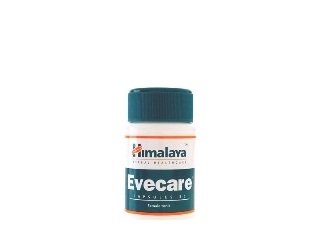


Evecare (UK) – Patient Information Guide
Evecare is a medicine used in the management of certain eye conditions, commonly associated with inflammation and/or irritation. This page is designed to help you understand how Evecare works, when it is typically used, and what practical steps can support safe, effective treatment.
Important: Always follow the instructions provided with your product and consult a qualified healthcare professional if you are unsure whether Evecare is suitable for you. This information does not replace medical advice.
Basic product information
- Brand name: Evecare
- Medicinal form: Eye drops/eye preparation (availability can vary by specific product presentation)
- Common therapeutic area: Ocular (eye) inflammation/irritation management
- Country of supply: United Kingdom
- How it is used: Applied to the affected eye(s)
What to check before you buy or use:
- Confirm the strength and formulation shown on the pack.
- Read the patient information leaflet (PIL) inside the box for your exact product.
- If you have allergies or chronic eye disease, check the ingredient list carefully.
How Evecare works (mechanism of action)
The exact mechanism depends on the active ingredient(s) in your specific Evecare product. In general, Evecare is used to reduce ocular inflammation and/or soothe irritation, helping to relieve symptoms such as discomfort, redness, and swelling.
Many eye medicines work by one or more of the following:
- Suppressing inflammatory signalling in the tissues of the eye.
- Reducing immune-driven swelling that contributes to redness and soreness.
- Supporting comfort by improving the balance of tear film and reducing irritation.
Why this matters: Eye conditions can be caused by different factors (inflammation, infection, allergy, dryness). A medicine like Evecare may help when inflammation is part of the problem, but it is not a “cure-all” for every cause of red or sore eyes.
Pharmacokinetics (what the body does with the medicine)
Eye medicines behave differently from tablets because they are delivered directly to the surface and tissues around the eye.
- Absorption: Active ingredients can be absorbed locally into ocular tissues. Some may enter the bloodstream in small amounts.
- Distribution: The medicine may distribute across corneal and conjunctival surfaces and, depending on formulation, may reach deeper ocular structures.
- Metabolism: If systemic absorption occurs, metabolism may occur in the liver and other tissues, similar to many drugs.
- Elimination: Clearance happens via normal metabolic pathways and, for small systemic amounts, through excretion.
Practical takeaway: Because Evecare is used topically in the eye, most effects are local. However, it’s still important to follow dosing and technique instructions to minimise side effects.
Typical uses and indications
Evecare may be indicated for conditions characterised by inflammation and related symptoms. Depending on your exact product and active ingredient(s), it may be used for:
- Inflammatory eye conditions diagnosed by a healthcare professional
- Redness, discomfort, or irritation linked to inflammation
- Support during recovery after certain inflammatory episodes
Not for every cause of red eye: Red, painful eyes can also be caused by infection, allergy, injury, or glaucoma. If symptoms are severe or unusual, seek urgent medical advice.
Possible “red flag” symptoms requiring prompt assessment:
- Severe eye pain
- Sudden vision changes
- Marked light sensitivity
- Eye injury (including chemical exposure)
- Thick discharge with fever or feeling very unwell
- Symptoms in contact lens wearers that worsen quickly
How to use Evecare – dosing and timing
Dosing varies by the condition being treated, the concentration/strength, and your product presentation. Always follow your specific instruction label and the patient leaflet.
General dosing principles
- Use the prescribed/labelled number of drops (do not increase dose to “speed up” relief).
- Space doses evenly across waking hours if using more than once per day.
- Complete the course unless advised to stop early.
- If symptoms improve, do not stop early unless instructed—stopping prematurely can allow inflammation to return.
When to apply
Many eye drops are used on a schedule such as:
- Once daily for mild or maintenance-type use
- Twice daily (e.g., morning and evening) for moderate symptoms
- More frequent dosing for specific inflammatory management plans (only if directed)
Consistency is key: Try to apply Evecare at similar times each day.
Step-by-step practical technique
- Wash your hands thoroughly.
- Shake the bottle gently if your leaflet advises it.
- Check the dropper tip is not cracked and the liquid looks normal.
- Gently pull down your lower eyelid to create a small “pocket”.
- Look slightly upward and place the prescribed number of drops into the pocket.
- Avoid touching your eye or eyelids with the dropper tip.
- Release the eyelid and close your eye gently.
- For 1–2 minutes, consider punctum occlusion (press the inner corner of the eye with a clean fingertip) to reduce drainage and potential systemic absorption.
- Keep your eye closed lightly for a moment, then wipe any excess liquid with a clean tissue.
- Wash your hands again.
Do not:
- Share your drops with anyone else.
- Use the product if the tip has contacted your eye/skin and contamination is suspected.
- Use contact lenses while drops are in use unless the leaflet specifically permits it.
Food interactions
Food interactions are generally unlikely with eye drops because the medicine is applied locally to the eye. However, if your Evecare formulation is associated with any systemic absorption, general medicine interaction principles may apply.
Still, to be safe:
- Follow your leaflet regarding whether you should avoid any specific foods.
- If you take oral medicines, check interactions via the medicine information in the pack or ask a pharmacist.
Alcohol and medicine interactions
Because Evecare is typically used as an eye preparation, significant alcohol interactions are not commonly expected. However, alcohol can indirectly worsen eye comfort in some people by contributing to dryness or dehydration.
Practical advice:
- If your eyes feel dry or irritated, consider limiting alcohol and increasing fluid intake.
- If you experience unusual dizziness, headache, or other systemic symptoms after using Evecare, contact a healthcare professional for advice.
Interactions with other medicines:
- If you use other eye drops (e.g., antibiotic drops, artificial tears, antihistamine drops), follow spacing instructions between products (often 5–15 minutes unless told otherwise).
- Inform a healthcare professional about all medicines you use, including eye drops and herbal products.
Safety profile: common side effects and when to seek help
Like all medicines, Evecare can cause side effects. Many people tolerate it well, and side effects are usually mild and temporary.
Common or expected side effects
- Temporary stinging or burning after application
- Blurred vision for a short time immediately after dosing
- Redness or irritation
- Watery eyes
- Dryness (sometimes depending on underlying condition and formulation)
Less common but important adverse effects
- Allergic reactions (e.g., itching, swelling of eyelids, worsening redness)
- Persistent pain, marked light sensitivity, or worsening symptoms
- Changes in vision that do not clear quickly
- Signs of infection (e.g., increasing discharge, fever, feeling unwell)
Seek urgent medical advice if
- You develop severe eye pain
- Vision changes become sudden or significant
- You have chemical exposure to the eye
- Symptoms rapidly worsen or do not improve within the expected timeframe described by your clinician
Who should take extra care
- People with a history of eye allergies
- Those with glaucoma or raised eye pressure (depending on ingredient)
- People with thin corneas or prior corneal disease
- Anyone with recent eye surgery
- Children or adolescents—use only if the product and indication are appropriate
Practical use tips for best results
- Maintain eye drop hygiene: Avoid touching the bottle tip to the eye or lashes.
- Check technique: If drops miss the eye, effectiveness may reduce.
- Remove contact lenses first: If you wear contact lenses, remove them before applying drops unless the leaflet states otherwise. Replace lenses only when safe to do so.
- Separate multiple eye products: If using more than one eye medication, separate by the recommended interval.
- Storage: Store at the temperatures stated on the pack, and keep out of sight and reach of children.
- Don’t use past expiry: Eye products should not be used after the expiry date.
- Watch for changes: If symptoms improve then suddenly worsen, stop and seek advice.
Driving and operating machinery: Your vision may blur temporarily after instilling eye drops. Wait until vision is clear before driving or using machines.
Alternative options
Depending on the underlying cause of your symptoms, your clinician/pharmacist may consider alternatives such as:
- Artificial tears / lubricating drops for dryness-related irritation
- Anti-allergy eye drops for allergic conjunctivitis
- Antibiotic eye drops/ointment if bacterial infection is suspected or confirmed
- Anti-inflammatory eye drops other than Evecare if a different active ingredient is needed
- Supportive care such as warm compresses for certain eyelid conditions
Why alternatives matter: Treating the wrong cause can delay recovery. If your symptoms are persistent, recurrent, or severe, ask for professional assessment.
UK market and legal context (overview)
In the United Kingdom, medicines are regulated to help ensure quality, safety, and effectiveness. When buying online, it’s important to use a reputable UK-registered pharmacy or service.
What to look for when ordering online
- Clear product information (strength, form, manufacturer, expiry date)
- Transparent delivery details including dispatch times
- Security and privacy for your personal information
- Genuine packaging and correct labelling
Regulated dispensing and patient information: UK online pharmacies should provide accurate product details and appropriate information about how to use medicines safely.
Recent guidance (UK-facing considerations)
Guidance for eye conditions commonly emphasises:
- Recognising red-flag symptoms that need urgent assessment (pain, vision changes, trauma, chemical burns)
- Ensuring that eye drops are used correctly and hygienically
- Separating different eye medications to avoid wash-out effects
- Contact lens precautions and safe handling practices
Note: Specific professional guidance can evolve. If you are unsure whether your symptoms fit the condition Evecare is meant to treat, speak to a healthcare professional promptly.
Delivery and availability in the UK
Availability and delivery options may vary depending on stock levels and the exact presentation of Evecare.
Typical availability
- In-stock items are usually dispatched quickly.
- Occasionally out of stock products may require a short wait—your pharmacy site should show an estimated restock date.
Delivery timeframes
Most UK online pharmacies offer options such as:
- Standard delivery (often 2–3 working days)
- Express delivery (where available)
Packaging: Medicines are typically shipped in secure packaging to help protect the product and maintain appropriate conditions.
Temperature considerations: If the product leaflet advises special storage conditions (e.g., avoiding extreme heat), allow it to settle at room temperature before use if it has been exposed to cold.
How to store Evecare
- Store according to the instructions on the pack.
- Keep the bottle tightly closed.
- Keep out of the sight and reach of children.
- Do not use after the expiry date.
- If the leaflet provides information about discard time after opening, follow it carefully.
Frequently asked questions (FAQ)
1) What is Evecare used for?
Evecare is used for eye conditions involving inflammation and related irritation, depending on the active ingredient(s) in your specific product. If you are treating red or uncomfortable eyes, ensure it matches the cause of your symptoms.
2) How long does it take to work?
Many people notice symptom relief within days, but the full benefit can take longer depending on the condition being treated. If there is no improvement within the timeframe discussed by your healthcare professional, seek advice.
3) Can I use Evecare with other eye drops?
Often yes, but you should space the drops as advised on the label/leaflet. Using drops too close together can reduce effectiveness. If you use multiple medications, ask your pharmacist for a schedule.
4) Should I stop if my eyes feel better?
Not necessarily. Eye inflammation can return if treatment stops too early. Follow the recommended plan unless you are advised to stop.
5) Can I wear contact lenses while using Evecare?
That depends on your specific product and your condition. In general, contact lenses should be removed unless the leaflet specifically allows their use. Some drops may contain ingredients that are not suitable with lenses.
6) Will Evecare blur my vision?
Some people experience temporary blurred vision right after instilling drops. Avoid driving or operating machinery until your vision is clear.
7) Is it safe to use Evecare during pregnancy or breastfeeding?
Safety in pregnancy and breastfeeding depends on the active ingredient and your individual situation. Check the patient leaflet and discuss with a pharmacist or clinician for personalised advice.
8) Can I drink alcohol?
Significant direct interactions are not usually expected with eye drops, but alcohol may worsen dryness or irritation in some people. If you notice your eye symptoms worsen after alcohol, consider reducing intake.
9) What should I do if I miss a dose?
Apply the missed dose when you remember, unless it is close to the next dose. Do not apply extra drops to compensate.
10) What if I accidentally use too much?
If you use more than the recommended amount, rinse the eye with sterile saline or clean water if appropriate and contact a pharmacist for advice. If you experience severe symptoms (pain, vision changes, or swelling), seek urgent medical attention.
11) When should I seek urgent help?
Seek urgent advice if you have severe pain, significant or sudden vision changes, chemical injury, rapidly worsening symptoms, or suspected infection—especially if you wear contact lenses.
Quick reference table
| Topic | What to know |
|---|---|
| What it does | Helps manage eye inflammation/irritation depending on your specific formulation. |
| How to take | Apply to the affected eye(s) using clean technique; avoid touching the dropper tip to the eye. |
| Timing | Use on a consistent schedule across the day; follow your product instructions for frequency. |
| Food interactions | Generally unlikely with eye drops; follow the leaflet for any specific warnings. |
| Alcohol interactions | Direct interactions are not usually expected; alcohol may worsen dryness in some people. |
| Common side effects | Temporary stinging, watery eyes, redness, or blurred vision after instillation. |
| When to get help | Severe pain, vision changes, marked light sensitivity, suspected infection, or rapid worsening. |
| Alternatives | May include lubricating drops, anti-allergy drops, or other anti-inflammatory/anti-infective options depending on cause. |
Final reminder: If your symptoms do not improve, recur frequently, or include pain/vision changes, seek prompt professional assessment. Correct diagnosis is essential for choosing the right treatment.