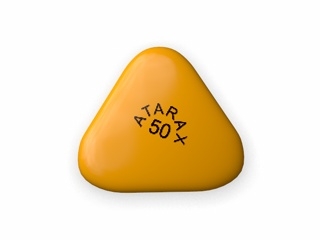
Atarax (Hydroxyzine) – Patient Information (UK)
Atarax is a medicine containing hydroxyzine. It is used to relieve anxiety and tension and to treat certain types of allergic reactions. Hydroxyzine is also well known for its calming (sedating) effects, which can help with symptoms such as itching and agitation.
This page provides clear, practical information about how Atarax works, how to take it, common safety considerations, and what to discuss with a pharmacist or clinician. It is written for people in the United Kingdom.
At a glance
- Active ingredient: Hydroxyzine
- Common uses: Anxiety/tension, allergic symptoms, itching (pruritus), and other conditions where calming or antihistamine effects are helpful
- How it works: Blocks histamine (H1) and helps calm the nervous system
- Possible side effects: Drowsiness, dry mouth, dizziness, constipation (varies by person)
- Key cautions: Alcohol and other sedating medicines can increase drowsiness; some people may need ECG monitoring due to heart rhythm risk
Basic product information
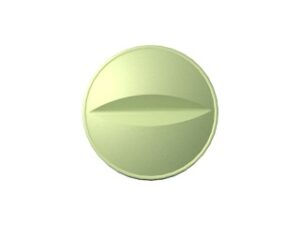
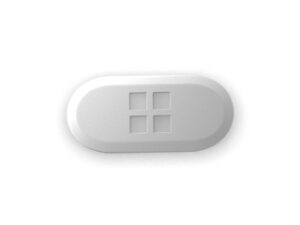
Atarax (hydroxyzine) may come as different strengths and formulations depending on availability. Your medicine label or package leaflet will confirm the exact form and strength you have.
UK market note: Brand availability can vary by supplier and time. Your pharmacy will provide the correct product for your prescription/medical need and may also discuss possible alternative brands or generics.
How Atarax works (mechanism of action)
Hydroxyzine belongs to the group of medicines called antihistamines. It works mainly in the following ways:
- Antihistamine action (H1 receptor blockade): Reduces the effects of histamine, which is involved in allergic reactions (such as itching, hives, and swelling).
- Sedative/calm effects: Hydroxyzine affects pathways in the brain that influence alertness and anxiety, helping to reduce tension and to promote relaxation.
- Anti-anxiety effect: By calming nervous system activity, it can ease feelings of anxiety or agitation.
Because of its sedating properties, hydroxyzine can feel stronger than some “daytime” antihistamines. Many people experience drowsiness, especially at the start of treatment or after a higher dose.
Pharmacokinetics (how the body handles it)
Understanding pharmacokinetics can help explain why hydroxyzine may take effect at certain times and how long effects may last.
| Feature | Typical behaviour (general) |
|---|---|
| Absorption | Hydroxyzine is absorbed after dosing, with effects beginning within a short time for many people. |
| Distribution | It distributes into body tissues; because it can affect the brain, sedation is possible. |
| Metabolism | It is metabolised (broken down) mainly in the liver to active and inactive metabolites. |
| Elimination | Metabolites are eliminated primarily through the kidneys (urine). |
| Duration | Clinical effects vary by person, dose, and formulation; sedation may last into the next day. |
Kidney or liver impairment: People with reduced kidney or liver function may be more prone to side effects. Your healthcare professional may adjust dose and monitor response.
Typical uses in the UK
Atarax (hydroxyzine) may be used for:
- Anxiety and tension: Helps calm feelings of anxiety or agitation.
- Allergic conditions: Relief of symptoms such as itching, hives (urticaria), and allergic discomfort.
- Itching (pruritus): Symptomatic treatment where antihistamine effects can reduce itch.
- Other situations where a sedating antihistamine is appropriate: Your clinician/pharmacist may suggest it based on symptom pattern and tolerability.
It is not used for all allergy symptoms, and the best choice depends on your overall medical situation and other medicines.
When to take Atarax (timing and duration)
How you take Atarax depends on why you are taking it, the dose, and your individual response.
Typical timing
- For anxiety/tension: Often taken when symptoms occur or as directed, sometimes in the evening if it causes drowsiness.
- For itching/allergies: It may be taken once or more during the day, depending on symptom control and sedation effects.
Starting and trial period
Many people find it helpful to take the first dose at a time when you don’t need to drive or operate machinery. This lets you judge how quickly you feel drowsy.
Do not exceed the advised dose
Always follow the dosing instructions on the product packaging or as provided by your healthcare professional. If you miss a dose, don’t take a double dose to catch up unless instructed.
Food interactions
Hydroxyzine can be taken with or without food in many cases. However, food may affect absorption slightly for some medicines.
- If you feel nauseated, taking your dose with food can help.
- If you feel very drowsy, avoid taking it right before events that require alertness—regardless of whether you take it with food or not.
General advice: Take hydroxyzine the way you’ve been told, and keep the same routine day-to-day if possible.
Alcohol and medicine interactions
Alcohol
It is generally recommended to avoid alcohol while taking hydroxyzine. Alcohol and hydroxyzine both have sedating effects, which can increase the risk of:
- excessive drowsiness
- slower reaction time
- impaired coordination
- accidental falls or injuries
- breathing difficulties in vulnerable people
Other medicines that can increase sedation
Be extra cautious with medicines that also affect the brain or nervous system, including:
- Benzodiazepines (e.g., diazepam, lorazepam)
- Opioid painkillers (e.g., morphine, oxycodone)
- Sleeping tablets
- Other sedating antihistamines
- Some antidepressants or antipsychotics
- Some antiemetics (anti-nausea medicines)
Using combinations can increase drowsiness and may lead to breathing suppression in certain situations.
Heart rhythm risk (important)
Hydroxyzine has been associated with QT prolongation, which can rarely lead to an abnormal heart rhythm. Your risk may be higher if:
- you have known heart rhythm problems
- you have low potassium or magnesium levels
- you take other medicines that affect heart rhythm
- you have significant liver impairment
Examples of medicines that may increase QT risk include some:
- antibiotics (certain macrolides and others)
- antifungals
- antipsychotics
- some antidepressants
- antiarrhythmics
If you’re starting hydroxyzine and you take any medicines for heart rhythm, infection, or mental health, it’s especially important to review this with your pharmacist or prescriber.
Driving and machinery
Because hydroxyzine can cause drowsiness, avoid driving or operating machinery until you know how it affects you.
Indications, suitability, and who should be careful
Atarax may be suitable for many people, but not everyone. The decision depends on your symptoms, medical history, age, and other medicines.
Extra caution is advised if you have:
- Glaucoma (narrow-angle glaucoma)
- Urinary retention or prostate problems
- Seizure history
- Liver disease
- Kidney disease
- Heart rhythm problems or a history of QT prolongation
- Low potassium/magnesium
Older adults
Older people may be more sensitive to sedation and anticholinergic effects (such as dry mouth, constipation, and dizziness). A lower dose may be considered and monitoring may be needed.
Children and young people
Hydroxyzine use in children must follow age-appropriate guidance and dosing. Because sedation may be stronger, careful dosing and monitoring are essential.
Dosing guidance (UK patient overview)
Important: Your dose and timing should be determined by your healthcare professional based on your age, condition, and other medicines. Do not change the dose yourself.
General dosing principles
- Start low when appropriate: The goal is symptom relief with the lowest effective dose.
- Use short-term symptom control: For many symptoms, hydroxyzine may be used for limited periods while other measures take effect.
- Review if symptoms persist: If symptoms don’t improve, seek advice rather than increasing dose.
Missed dose
If you miss a dose, take it when you remember if it is still close to the scheduled time. If it’s near the next dose, skip the missed dose. Do not take double unless a clinician instructs otherwise.
Overdose warning
Accidental overdose can be dangerous. Contact NHS 111 or seek urgent medical help if overdose is suspected, especially if there is severe drowsiness, confusion, fainting, or breathing problems.
Safety profile and possible side effects
Most medicines can cause side effects. Many people tolerate hydroxyzine well, but some effects are common—particularly early on.
Common side effects
- Drowsiness or sleepiness
- Dizziness
- Dry mouth
- Constipation
- Blurred vision
- Fatigue
- Headache
Less common but important side effects
- Palpitations or symptoms of an abnormal heart rhythm (seek urgent advice)
- Allergic reactions such as swelling of the face/lips, rash, or difficulty breathing (urgent)
- Urination difficulty (especially in people with prostate enlargement)
- Confusion (more likely in older adults)
When to seek urgent medical help
Get help urgently if you experience:
- fainting or severe dizziness
- chest pain or marked palpitations
- difficulty breathing
- severe allergic symptoms (swelling, wheezing, severe rash)
General counselling points
- Do not suddenly stop if hydroxyzine has been used regularly for anxiety without discussing with a healthcare professional—though hydroxyzine is not typically associated with dependence in the same way as some sedatives, review is still wise.
- If you develop bothersome side effects, speak to a pharmacist for advice on adjustment or alternatives.
Practical use tips (how to get the best results)
- Plan for sedation: Take at a time that fits your day. If you feel sleepy, choose evening dosing if appropriate.
- Be careful with hydration and constipation: Dry mouth and constipation can occur; drinking water and maintaining fibre may help.
- Stand up slowly: Dizziness can happen—especially if you’re also dehydrated.
- Avoid mixing sedatives: Keep alcohol and other sedating medicines to a minimum unless advised.
- Keep track of response: Note symptom improvement and side effects. This helps your clinician decide whether to continue or change treatment.
- Review your full medicine list: Hydroxyzine interactions can be clinically important, particularly for sedation and heart rhythm.
Alternative options
If Atarax is not suitable or doesn’t provide enough relief, there may be other treatments depending on your main symptom.
For allergic symptoms and itching
- Non-sedating antihistamines (often used for daytime allergy relief)
- Stool or skin measures for itching (e.g., moisturisers for dry skin), where appropriate
- Other allergy medicines depending on the condition (your pharmacist can guide you)
For anxiety/tension
- Other anxiolytic strategies (non-medication approaches like relaxation and cognitive techniques)
- Alternative medicines may be considered depending on the pattern and duration of symptoms
Important: The best alternative depends on your diagnosis and risk factors, especially heart rhythm history and sedation sensitivity.
UK market and legal context (what to expect)
In the UK, availability and classification of medicines can vary based on formulation and strength. Hydroxyzine-containing products are regulated medicines. Your online pharmacy will follow UK requirements for safe supply, identity verification (where required), and medicine information provision.
When purchasing from a UK online pharmacy, you can generally expect:
- medicines supplied through licensed supply chains
- clear directions for use
- pharmacist-led checks of suitability and interactions (where appropriate)
- information on side effects and red flags
Recent guidance and safety considerations
Hydroxyzine has been subject to ongoing safety reviews, particularly regarding heart rhythm (QT prolongation). As with other medicines with QT risk, UK clinical practice often emphasises:
- using the lowest effective dose
- avoiding combinations that increase QT risk
- monitoring or extra caution in people with higher baseline risk
- reviewing continuing need periodically
Your pharmacist can help you check risk factors such as other QT-prolonging medicines and electrolyte issues.
Delivery and availability in the UK
UK online pharmacies typically offer:
- Home delivery with tracked postage options
- Packaging suitable for medication handling
- updated availability depending on current supplier stock
Delivery times: Times vary by pharmacy and courier service, but many UK providers offer standard and express options. During times of high demand, delivery may be delayed.
Availability: If Atarax is temporarily unavailable, your pharmacy may suggest an appropriate alternative (such as another hydroxyzine brand or a different medicine) based on clinical suitability.
FAQ
1) Will Atarax make me sleepy?
Atarax commonly causes drowsiness. Many people feel sleepy, especially at the start or after higher doses. Avoid driving or operating machinery until you know how you react.
2) Can I take Atarax in the daytime?
Some people can, but because sedation is common, daytime use may impair alertness. If you must take it during the day, consider taking it at the lowest effective dose and avoid alcohol.
3) Is Atarax safe to take with other antihistamines?
Combining antihistamines can increase side effects such as drowsiness and dry mouth. It’s usually best to ask your pharmacist before using multiple antihistamine products together.
4) Can I drink alcohol while using Atarax?
It’s generally recommended to avoid alcohol because it increases sedation and can increase safety risks (falls, impaired judgement, breathing problems in vulnerable people).
5) What should I do if I miss a dose?
Take it when you remember if it’s close to the scheduled time. If it’s almost time for the next dose, skip the missed dose. Do not double up unless instructed.
6) How quickly does Atarax work?
Many people notice effects within a short time, but onset and duration vary by person and the reason you’re taking it. If your symptoms are severe or rapidly worsening, seek medical advice promptly.
7) Does Atarax interact with heart medicines?
Yes, some heart medicines may increase the risk of abnormal heart rhythm when combined with hydroxyzine. Always tell your pharmacist about all medicines you take, including treatments for palpitations or rhythm problems.
8) Can Atarax be used for allergies like hay fever?
It may help with allergic symptoms such as itching and hives, but hydroxyzine’s sedating effect means many people prefer non-sedating antihistamines for daytime hay fever. Your pharmacist can help choose the most suitable option.
9) What side effects are most likely?
The most common include drowsiness, dizziness, and dry mouth. Constipation and blurred vision can also occur.
10) When should I contact a healthcare professional?
Seek urgent help for severe allergic reactions, fainting, significant palpitations, chest pain, breathing difficulties, or severe confusion. Contact a pharmacist promptly if side effects are troubling or you’re unsure about interactions.
This information is intended to support safe use and better understanding. Always read the leaflet supplied with your medicine and follow the advice given by your pharmacist or healthcare professional.