
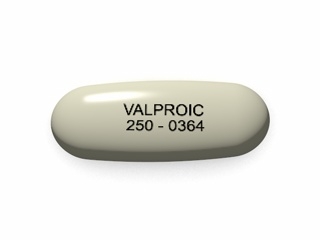

Valparin (Valproic Acid) — Patient-Friendly Guide
Valparin is a brand of valproic acid (also known as valproate/“valproate semisodium” in some formulations). It is an anticonvulsant medicine used to treat certain types of epilepsy and other neurological conditions, and it may also be used in specific mood disorders depending on local prescribing practices and individual needs.
This page explains what Valparin is, how it works, how the body processes it, common uses, practical tips for taking it, important safety information (including effects on the liver and risks in pregnancy), and guidance relevant to the UK market. Always follow the instructions given by your healthcare professional and the product packaging.
Quick product information
| Category | Details |
|---|---|
| Generic name | Valproic acid (valproate) |
| Brand name | Valparin |
| How it’s taken | Usually by mouth (tablets/syrup/sprinkles depending on formulation) |
| Common roles | Epilepsy; may be used for other conditions in selected patients |
| Onset of effect | Some benefits can be noticed early, but full seizure control may take days to weeks |
| Monitoring | Regular clinical review; blood tests may include liver function and blood counts |
What Valparin is used for (indications)
Valparin is mainly used to treat epilepsy. Your exact diagnosis and the type of seizures you have will determine whether Valparin is appropriate.
- Epilepsy (seizure control): commonly used for certain seizure types, such as focal seizures and generalised seizures, including absence seizures (depending on the formulation and individual clinical situation).
- Other neurological conditions: in some cases, healthcare professionals may consider it for specific conditions where valproate has a role.
- Mood disorders: in some circumstances valproate may be used for bipolar disorder or related conditions; suitability depends on medical history, pregnancy risk, and other factors.
Important: Valparin (valproate) is not suitable for everyone. In the UK, there are especially strict warnings and additional safeguards for people who are able to become pregnant.
How it works (mechanism of action)
Valproic acid helps stabilise the brain’s electrical activity. While the exact mechanism can vary, valproate is thought to work through several pathways:
- Increasing the availability of GABA: Valproate may raise levels of gamma-aminobutyric acid (GABA), a natural “calming” chemical in the brain that reduces the likelihood of seizures.
- Reducing abnormal firing: It may influence ion channels involved in nerve signalling, helping prevent excessive electrical bursts.
- Effects on neurotransmission: The medicine may also affect other chemical signals that contribute to seizure activity.
Because seizures can have different causes and patterns, your prescriber will tailor treatment to your type of epilepsy or condition.
Pharmacokinetics: how the body absorbs and processes Valparin
“Pharmacokinetics” describes what the body does to a medicine—absorption, distribution, metabolism, and elimination.
Absorption
Valproate is absorbed after you take it by mouth. The speed and extent of absorption can depend on the specific formulation (for example, immediate release versus modified release).
Distribution
Valproate is distributed through the body and can cross into the brain. It is also highly bound to proteins in the blood, meaning that other medicines or low albumin states may influence how much is “free” in your system.
Metabolism (breakdown)
The liver metabolises valproate through multiple pathways. Because of this, liver health is important and blood monitoring may be recommended.
Elimination
Valproate is mainly eliminated through the kidneys after metabolism. Age, kidney function, and overall health can affect clearance.
Half-life and steady levels
Valproate does not always reach steady levels after the first dose. With regular dosing, levels build up and typically stabilise over several days. If you switch formulations or miss doses, blood levels can change.
When to take Valparin: timing and consistency
For many people, the most important factor for seizure control is taking Valparin consistently at the times recommended.
- Follow your prescribed schedule: The dosing frequency (often once or twice daily) depends on the formulation.
- Try to take it at the same times each day: This helps maintain a stable level.
- Don’t stop suddenly: Stopping abruptly can increase the risk of seizures.
- If you miss a dose: Take it when you remember unless it is close to the time of the next dose. Do not take a double dose to make up for a missed dose.
If you are unsure what to do after a missed dose, check the patient information leaflet or ask a pharmacist.
Food interactions: can you take it with meals?
In many cases, Valparin can be taken with or without food. However, food may affect how quickly it is absorbed, especially depending on the formulation.
Practical advice:
- If your prescribed instructions do not specify otherwise, you can generally take Valparin either way.
- Choose a routine that you can maintain (for example, always with breakfast and/or dinner).
- If you notice changes in seizure control or side effects when switching from taking it with meals to on an empty stomach (or vice versa), speak to a healthcare professional.
Alcohol interactions and lifestyle guidance
Alcohol can affect seizure control and can increase the risk of side effects such as dizziness, drowsiness, and impaired concentration. Valproate itself can also cause such effects in some people.
- Avoid heavy drinking: It may worsen seizure control and increase risk of adverse effects.
- Be cautious with timing: If you drink alcohol, allow time for effects to settle and avoid driving or operating machinery if you feel drowsy.
- If alcohol use is significant: Discuss it with your pharmacist or clinician; they can help you plan safer use.
Medicine interactions: what to check before combining medicines
Valproate can interact with other medicines, which may change valproate levels, increase side effects, or affect seizure control.
Examples of interaction concerns
- Other anti-epileptic medicines: Some combinations can increase side effects or change valproate levels.
- Medicines affecting the liver: Because valproate is metabolised in the liver, liver-affecting medicines may raise risk.
- Medicines that influence protein binding: Since valproate is protein-bound, certain drugs may alter free levels.
- Warfarin (and other blood thinners): Valproate can affect bleeding risk in some situations.
- Carbapenem antibiotics: Some antibiotic classes may significantly reduce valproate levels; this can be dangerous for seizure control. Tell your clinician if you take valproate if an antibiotic is being considered.
Always do this
- Tell your pharmacist or prescriber about all medicines you take, including over-the-counter products and herbal supplements.
- Check with a pharmacist before starting or stopping any medicine.
- Keep an up-to-date list of your medicines for appointments.
Dosing: how Valparin is typically started and adjusted
Dosing varies widely depending on:
- your age
- the formulation (for example, immediate release vs modified release)
- the type of seizures/condition
- your medical history
- how you respond and any side effects
- any interaction with other medicines
Important: Doses can be different between brands/formulations, and switching without advice can lead to dosing errors. Always use the product and strength you were given.
General dosing principles
- Start low and increase gradually: Many patients begin with a lower dose and the dose is adjusted based on response and tolerance.
- Use consistent formulation: Modified release and immediate release forms may not be interchangeable.
- Monitoring may guide adjustment: If seizures aren’t controlled or side effects occur, your clinician may check relevant blood tests and/or valproate levels.
What about blood level monitoring?
Valproate levels are not always measured for every patient, but monitoring may be considered in particular situations, such as dose changes, unexpected side effects, or significant interactions. Your prescriber will decide what’s appropriate for you.
Safety profile: key risks and when to seek help
Valparin is effective for many people, but it has important safety considerations. This section highlights common concerns so you know what to watch for. It does not replace advice from your healthcare professional.
1) Liver problems
Valproate can cause liver toxicity in some people. Risk is higher in:
- young children (especially very young age)
- people with certain metabolic conditions
- those taking multiple anti-epileptic medicines
Seek urgent medical attention if you develop signs such as:
- unusual fatigue or weakness
- loss of appetite
- vomiting
- abdominal pain (especially upper right side)
- jaundice (yellowing of skin/eyes)
- dark urine
- easy bruising or bleeding
2) Pancreatitis (inflammation of the pancreas)
Valproate can rarely cause pancreatitis. Get urgent help if you have severe stomach pain, especially with nausea/vomiting.
3) Blood count changes
Valproate can affect blood cells. This may lead to bruising, infections, or unusual bleeding. Blood tests may be performed to monitor for this.
4) Pregnancy risks: crucial warning for people who can become pregnant
Valproate is associated with a high risk of serious birth defects and developmental disorders when used during pregnancy. Because of this, UK guidance places strong restrictions on its use for people who are or may become pregnant.
- If you are able to become pregnant, you should discuss safe contraception and pregnancy prevention measures with your healthcare team.
- Do not stop Valparin on your own, but contact your prescriber urgently if pregnancy is planned or suspected.
- Your clinician will weigh risks and benefits and consider alternative options where appropriate.
5) Blood ammonia and brain-related symptoms
In some patients, valproate can increase ammonia levels, which may cause confusion, reduced alertness, vomiting, or worsening neurological symptoms. Urgent medical advice is needed if symptoms suggest this.
6) Drowsiness, dizziness and coordination effects
Some people feel sleepy, dizzy, or unsteady, especially when treatment starts or the dose increases. Until you know how you react:
- Avoid driving or hazardous activities if affected.
- Be cautious with alcohol or other medicines that cause sedation.
7) Skin reactions
Serious skin reactions are rare but possible. If you develop a widespread rash, blistering, or mouth sores, seek medical advice immediately.
Practical use tips for daily life
- Use a reliable routine: Set reminders on your phone or use a pill organiser.
- Keep your medicine consistent: Use the same brand and formulation unless advised otherwise.
- Watch for side effects early: Early signs may be mild and treatable—tell your pharmacist or prescriber promptly.
- Plan around appointments: If you need blood tests, schedule them at times that suit you.
- Keep a medicine list: Include valproate and doses. Show it to any healthcare professional you see.
- Don’t run out: If you’re running low, order in advance so there’s no interruption.
- Note changes in seizures: If you notice worsening control or new seizure patterns, contact your clinician promptly.
Recent guidance and UK regulatory/market context
Valproate has been under increased scrutiny in the UK due to the pregnancy-related risks. UK health authorities have issued and updated safety communications and risk minimisation measures. In practice, this has led to:
- Stricter prescribing controls for people who could become pregnant (including consideration of alternatives).
- Requirement for clear communication about risks, including educational materials and structured risk management.
- More frequent assessment of the ongoing balance of benefits and harms, especially when treatment continues over time.
What this means for you: Your healthcare team may regularly review whether valproate remains the safest choice and whether dose adjustments or alternative medicines could reduce risk.
Please follow the guidance given to you directly, as recommendations may vary depending on your condition, age, sex, and personal circumstances.
Alternative options
Depending on what Valparin is treating and your individual medical history, alternative medicines may be considered. Options may include other anti-epileptic drugs such as:
- Levetiracetam
- Lamotrigine
- Carbamazepine
- Oxcarbazepine
- Topiramate
For mood disorders, alternative approaches may include medicines such as certain mood stabilisers and other therapies, depending on your diagnosis and risk profile.
Important: Switching anti-epileptic medicines needs careful planning and monitoring. Speak to a clinician before changing anything.
Delivery and availability in the UK
Valparin/valproic acid products may be available in different formulations and strengths depending on supply. Availability can vary due to manufacturer changes, stock levels, and regional distribution.
- Dispatch times: Many online pharmacies dispatch within standard working days once the order is confirmed and payment is processed.
- Cold chain: Valparin is not typically temperature-controlled, but always follow the storage instructions on the outer pack.
- Substitution policy: If an exact product is unavailable, an online pharmacy may only substitute if permitted and if clinically appropriate, following relevant UK rules and pharmacy standards.
If you need a specific formulation (for example, modified release), choose the exact product listing carefully and contact customer support if you are unsure.
FAQ: common questions about Valparin (valproic acid)
1) How long does it take for Valparin to work?
Some people notice improvement in seizure frequency soon after starting or adjusting the dose, but full control can take days to weeks. Your clinician may increase the dose gradually to balance benefits and side effects.
2) Can I stop Valparin if I feel better?
Do not stop suddenly. Stopping valproate abruptly can increase seizure risk. If you’re considering stopping, discuss this with a healthcare professional who can plan a safe reduction schedule if appropriate.
3) Can I take Valparin with food?
In most cases, yes. Taking it with food may help if you experience stomach upset. Try to keep your routine consistent.
4) Is alcohol completely forbidden?
Alcohol is not always strictly prohibited, but it can worsen seizure control and increase side effects like drowsiness. It’s safest to avoid heavy drinking and be cautious; speak to your clinician if you plan to drink regularly.
5) What side effects are common?
Common side effects can include nausea, stomach discomfort, dizziness, drowsiness, weight changes, tremor, and changes in hair texture. Some effects improve as your body adjusts, but persistent or severe symptoms should be discussed with a healthcare professional.
6) What blood tests might I need?
Depending on your age and health, you may need tests to monitor liver function, blood counts, and sometimes valproate levels. Your clinician will decide what is appropriate for you.
7) Why does monitoring matter?
Valproate can rarely affect the liver, pancreas, blood cells, and ammonia levels. Monitoring helps detect problems early so that treatment can be adjusted safely.
8) Can I take other medicines while on Valparin?
Many medicines can be taken with valproate, but some may interact significantly. Always tell your pharmacist about all medicines (including herbal supplements and over-the-counter products) before starting anything new.
9) What should I do if I miss a dose?
Take it when you remember unless it’s nearly time for the next dose. Do not take a double dose. If you’re unsure, ask a pharmacist for advice.
10) What is the pregnancy risk with valproate?
Valproate is linked to a high risk of serious birth defects and developmental disorders if taken during pregnancy. UK guidance requires additional safeguards for those who could become pregnant. If pregnancy is planned or suspected, contact your healthcare team promptly for urgent advice.
Remember: safety and individual suitability
Valparin (valproic acid) can be an effective medicine for many people, but it requires careful use, consistent dosing, and appropriate monitoring. If you have questions about interactions, side effects, or your specific schedule, speak with a healthcare professional or pharmacist.
Always read the patient information leaflet that comes with your medicine for full details on warnings, contraindications, and specific instructions for your formulation.