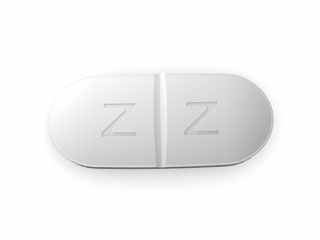
Nootropil (Piracetam) – Patient-Friendly Guide (UK)
Nootropil is the brand name for piracetam, a medicine used to support cognitive and neurological function in certain conditions. This guide explains how it works, how it’s typically taken, what to expect, and important safety information for people in the United Kingdom.
Quick overview
- Active ingredient: Piracetam
- Brand name: Nootropil
- Common form: Oral tablets/capsules or oral solution (varies by product)
- How it may help: Supports brain function by influencing neurotransmission and blood flow characteristics
- Onset: Some people notice changes after days to weeks; this varies by individual and the condition being treated
- Key safety notes: Generally well tolerated, but may not be suitable for everyone—especially people with kidney problems or a history of bleeding risk
Basic product information
| Feature | What you should know |
|---|---|
| Medicine | Nootropil (piracetam) |
| Group | Nootropic / cognitive enhancer (nootropic agent) |
| Active ingredient | Piracetam |
| Route | Oral (tablets/capsules/solution depending on the product) |
| Main considerations | Kidney function, bleeding risk, seizure history, and interactions with other medicines |
How Nootropil may work (mechanism of action)
Piracetam’s exact mechanism is not fully understood, but research suggests it may influence several processes involved in brain function, including:
- Neurotransmission: Supports how nerve cells communicate.
- Membrane fluidity: May help maintain cell membrane properties, which can affect receptor function and signalling.
- Cerebral metabolism: May support energy use in the brain under certain conditions.
- Microcirculation effects: Can influence blood cell behaviour and may modestly affect blood flow characteristics (relevant to bleeding considerations in sensitive individuals).
Importantly, piracetam is not a painkiller or sedative. It is commonly used with the aim of improving or supporting aspects of cognitive and neurological performance in appropriate situations.
Pharmacokinetics (how the body handles piracetam)
Pharmacokinetics describes what happens after you take piracetam—how it is absorbed, distributed, metabolised, and eliminated.
- Absorption: Piracetam is absorbed from the gut after oral dosing. Peak levels are typically reached within a few hours (timing can vary by formulation).
- Distribution: It distributes widely, including into brain tissue.
- Metabolism: Piracetam is not extensively metabolised by the liver, which can reduce the likelihood of “classic” liver-based drug metabolism interactions.
- Elimination: It is mainly eliminated by the kidneys. If kidney function is reduced, the medicine can build up and side effects may be more likely.
- Half-life: The elimination half-life is generally around several hours in healthy individuals, but may be longer with impaired renal function.
For this reason, clinicians often pay close attention to kidney function when deciding whether piracetam is suitable and what dose is appropriate.
Typical uses and indications (UK context)
Indications can vary by country, product licensing status, and local clinical practice. In the UK, the use of piracetam may be considered for certain neurological or cognitive concerns where evidence and clinical judgement align.
Commonly referenced uses in clinical discussions include:
- Cognitive impairment (supportive use in certain patients)
- Neurological conditions where piracetam has been studied (for example, some forms of chronic cerebral dysfunction)
- Memory and concentration difficulties in appropriate contexts (results vary widely)
If you’re considering Nootropil for a specific condition, it’s sensible to discuss your goals and medical history with a healthcare professional. They can help ensure the use matches available evidence and safety considerations.
When to take it (timing and how to structure doses)
People often ask when they should take piracetam to get the best results. The guidance below is general and may differ depending on the exact product and prescribed regimen.
- With or without food: Piracetam may be taken either way for many people.
- Consistency matters: Taking doses at similar times each day can help you maintain steady exposure.
- Morning/evening planning: If you notice any stimulating effects, consider taking earlier in the day. If you feel drowsy (uncommon), adjust timing in consultation with a healthcare professional.
Expected timeline: Some individuals report benefit after a few days, while others need several weeks. If there’s no meaningful improvement after a reasonable trial period, a review is recommended.
Dosing (general information)
Dosing should be based on the individual’s condition, age, kidney function, and clinician guidance. Below are general dose ranges that are commonly referenced for oral piracetam products. Always follow the instructions provided with your specific product.
- Adults: Often started at a lower daily dose, then increased if needed, depending on response and tolerability.
- Older adults: Kidney function may decline with age, so dose adjustments are often necessary.
- Renal impairment: Dose reduction is commonly required because piracetam is cleared through the kidneys.
Practical dosing tip: If your daily dose is split, spacing doses evenly (e.g., morning and evening, or morning/afternoon/evening depending on total daily amount) may help maintain stable levels.
If you miss a dose, take it when you remember unless it’s close to the next dose. Do not double up.
Food interactions
Food interactions with piracetam are generally considered limited. Many people can take Nootropil with water either with or without food.
- Taking with food: May help if you have a sensitive stomach or want to reduce potential gastrointestinal discomfort.
- Taking on an empty stomach: Some people find it easier to remember and tolerate, though individual experiences vary.
If your product label advises a specific approach (e.g., with meals), follow that guidance.
Alcohol and medicine interactions
Alcohol
It’s generally advisable to limit alcohol when taking medicines that affect the nervous system. While piracetam is not typically known for severe alcohol-specific interactions, alcohol may:
- Worsen sleep quality or mood, which can interfere with perceived cognitive benefit
- Increase the chance of dizziness or imbalance
- Complicate monitoring of how well the medicine is working
Medicines that may interact
Piracetam has a low tendency for liver metabolism interactions, but drug interaction risk can still arise from: kidney clearance, bleeding risk, and effects on the nervous system.
- Anticoagulants and antiplatelet medicines (e.g., warfarin, apixaban, rivaroxaban, clopidogrel, aspirin): In some cases, bleeding risk may be relevant. Your clinician may monitor closely if these are used together.
- Medicines affecting seizures (for people with a seizure history): If you have epilepsy or a seizure disorder, discuss use carefully.
- Other CNS-active medicines: Combining with other therapies that affect alertness or cognition may change how you feel.
- Medicines excreted through the kidneys or where kidney function is important: Adjustments may be needed if kidney clearance is reduced.
If you’re taking any regular medicines, keep a list and check with a healthcare professional or pharmacist for personalised interaction advice.
Safety profile (side effects and who should be cautious)
Most people tolerate piracetam well, but side effects can occur. The overall risk and severity depend on dose, age, kidney function, and individual health factors.
Common or reported side effects
- Gastrointestinal symptoms: nausea, abdominal discomfort (uncommon to mild in many cases)
- Central nervous system effects: headache, agitation, or dizziness (frequency varies by population)
- Sleep changes: either insomnia or drowsiness may occur in some individuals
Serious side effects (seek medical help promptly if they occur)
- Signs of bleeding: unusual bruising, black/tarry stools, blood in urine, or vomiting blood
- Severe allergic reaction: swelling of face/lips, difficulty breathing, widespread rash
- Neurological symptoms: worsening confusion, severe agitation, or seizure activity in people at risk
Who should be extra careful
- Kidney impairment: because piracetam is mainly eliminated by the kidneys.
- History of bleeding disorders or people taking blood-thinning medicines.
- Epilepsy or seizure history: discuss carefully and avoid sudden changes in dosing.
- Pregnancy or breastfeeding: discuss risk/benefit with a healthcare professional.
- Children and adolescents: only use when appropriate to age, condition, and licensed guidance.
Practical use tips (getting the best out of treatment)
- Keep a simple symptom diary: track changes in memory, concentration, sleep, and mood for at least 2–4 weeks (or the timeframe recommended by your clinician).
- Use a consistent routine: same times daily, with plenty of water.
- Reassess if no benefit: if there is no meaningful effect after a reasonable trial, discuss stopping or adjusting.
- Monitor tolerability: if side effects appear (e.g., agitation, headaches), note when they started and how they relate to dosing.
- Avoid abrupt changes: don’t rapidly double doses or stop suddenly without guidance if you’re using higher doses.
- Kidney care: if you have known kidney issues, be sure your clinician is aware and follow dose adjustments.
Remember: the “best” response to cognitive-support medicines can vary—sleep quality, stress levels, hydration, and overall health strongly influence day-to-day cognition.
Alternative options
If Nootropil isn’t suitable or isn’t producing the desired results, there may be alternatives depending on your specific goal (memory support, attention, or a particular neurological condition). Options can include:
- Non-medicine strategies: sleep optimisation, exercise, cognitive training, stress management, and treating underlying causes (e.g., vitamin deficiencies, thyroid issues, depression, or sleep apnoea).
- Other cognitive-support supplements (evidence varies): vitamin B complex, omega-3 fatty acids, or targeted micronutrients if deficient.
- Prescription and specialist treatments when appropriate to a diagnosis (only where clinically indicated).
Because causes of “brain fog” and cognitive problems are diverse, the most effective approach is often to identify and address the underlying driver.
UK market and legal/regulatory context
In the United Kingdom, medicines must comply with regulatory requirements set by the Medicines and Healthcare products Regulatory Agency (MHRA) and follow rules on supply, labelling, and safety monitoring. Whether a product is available over the counter, via pharmacy supply, or through other routes depends on the product’s licensing status and classification.
Nootropil (piracetam) availability may vary by formulation and licensing position. Always ensure that the product you receive is:
- From a reputable UK-registered supplier
- Clearly labelled with strength, dosage form, and expiry date
- Provided with appropriate patient information and instructions
Recent guidance: UK medicines guidance continues to emphasise safe use, checking interactions, and ensuring people understand when to seek help. If you are uncertain about suitability for your health situation, speak to a healthcare professional or pharmacist.
Delivery and availability (what to expect from an online pharmacy)
Availability can depend on stock levels and product strength. When ordering online, typical UK delivery considerations include:
- Order processing: usually within 1–2 working days (varies)
- Delivery methods: tracked delivery is commonly used for medicines
- Cold-chain: piracetam products are typically stable and do not require refrigeration, but always check the product label
- Packaging: tamper-evident and compliant packaging is standard
If you have urgent needs (e.g., continuity of dosing), check dispatch times before ordering. If the medicine is out of stock, you may be offered alternatives or restock notifications.
FAQ
1) Is Nootropil the same as piracetam?
Yes. Nootropil is a brand name containing piracetam as the active ingredient.
2) How long does it take to work?
Many people notice no immediate change on day one. Some report effects after days, while others may take several weeks. If you’re not seeing any meaningful benefit after a reasonable trial period, discuss your options with a pharmacist or clinician.
3) Can I take Nootropil with food?
In many cases, yes. Food effects are generally limited. If you find it upsets your stomach, taking it with a meal may help.
4) Will I feel “high” or overly stimulated?
Piracetam is not a stimulant in the same way as caffeine or some other cognitive products. However, some individuals experience headache, agitation, or sleep changes—especially if the dose is too high for them. If you experience uncomfortable side effects, seek advice about adjusting your regimen.
5) Is it safe with alcohol?
It’s best to limit alcohol. Alcohol can worsen sleep and may make it harder to judge whether the medicine is helping. If you choose to drink, do so moderately and pay attention to dizziness, coordination, or mood changes.
6) Can it interact with blood thinners?
It may be relevant. If you take anticoagulants or antiplatelet medicines, discuss this with a healthcare professional because bleeding risk may be a concern in sensitive individuals.
7) What if I have kidney problems?
Extra caution is important. Because piracetam is largely eliminated by the kidneys, dose adjustments may be necessary. Talk to a healthcare professional before using if you have reduced kidney function.
8) What should I do if I miss a dose?
Take it when you remember unless it’s almost time for your next dose. Do not double up.
9) Are there natural alternatives?
Some people choose lifestyle and supplement approaches. While evidence varies, improving sleep, exercise, stress management, and addressing any underlying medical issues often provides the most reliable cognitive support.
10) When should I stop and get medical help?
Seek urgent help for signs of a serious allergic reaction, severe bleeding, or seizure activity. If you experience persistent or severe side effects, contact a pharmacist or healthcare professional promptly.
Final notes
Nootropil (piracetam) is used by some people to support cognitive and neurological function. Outcomes vary, and safety depends largely on correct dosing, kidney function, and potential interactions. If you want to use piracetam alongside other medicines or you have existing health conditions, it’s wise to get personalised advice to make sure it’s the right choice for you.