
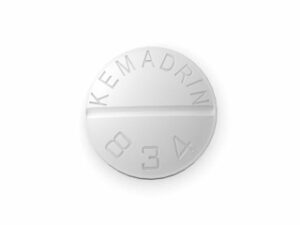
Isordil (Isosorbide Dinitrate) – Patient Information
Isordil contains isosorbide dinitrate, a medicine used to help relieve and prevent episodes of chest pain (angina). It works by relaxing blood vessels, improving blood flow to the heart. This guide explains how Isordil works, when it’s typically taken, key safety information, and how to use it alongside other medicines.
This information is for general guidance and does not replace advice from a healthcare professional.
Quick overview
- Active ingredient: Isosorbide dinitrate
- Common uses: Angina (stable angina) and prevention of angina attacks
- How it works: Nitric oxide–mediated vasodilation (relaxes blood vessels)
- Form: Available in tablet formulations (strengths vary by product/market supply)
- Typical effects: Improved blood flow and reduced chest pain
What is Isordil?
Isordil is a brand of isosorbide dinitrate, a nitrate medicine. Nitrates are widely used in the UK for the management of angina and other conditions where reducing the workload on the heart is helpful.
Depending on the specific product strength and formulation available to you, dosing schedules may differ. Always follow the directions provided with your particular pack.
How Isordil works (mechanism of action)
Isosorbide dinitrate is converted in the body to compounds that release nitric oxide. Nitric oxide relaxes smooth muscle in the walls of blood vessels, leading to vasodilation.
This helps in two key ways:
- Vein dilation: Veins carry blood back to the heart. Relaxing veins reduces venous return, which can lower the heart’s filling pressure.
- Artery dilation: Arteries also relax, reducing resistance to blood flow. This can lower the heart’s workload.
As a result, the heart needs less oxygen, and chest pain due to angina may become less frequent or less severe.
Pharmacokinetics (how the body handles it)
Pharmacokinetics describes what the body does to a medicine—absorption, distribution, metabolism, and excretion.
- Absorption: After oral dosing, isosorbide dinitrate is absorbed through the gastrointestinal tract.
- Conversion and metabolism: It is metabolised to active and less active metabolites, primarily in the liver.
- Onset of effect: Nitrate medicines generally act within a relatively short time after dosing, but exact timing depends on formulation and individual factors.
- Duration: The duration of symptom relief depends on dose and schedule designed to maintain benefit while reducing tolerance.
- Elimination: Metabolites are removed from the body, mainly via renal (kidney) and other routes.
Important note on tolerance: Nitrates can lose effectiveness if taken continuously. Doctors often use dosing schedules that include a nitrate-free period to reduce tolerance.
What is Isordil used for?
In the UK, Isordil (isosorbide dinitrate) is commonly used for:
- Angina pectoris: Relief and prevention of chest pain episodes.
- Prevention of symptoms: Especially for patients who experience angina triggered by exertion or stress.
Some patients are prescribed nitrates as part of a broader angina plan, which may also include other medicines such as beta-blockers, calcium channel blockers, and antiplatelet therapy.
Indications and clinical situations
Isordil is generally indicated for management of angina symptoms where a nitrate is appropriate. Suitability depends on your medical history, blood pressure, other medicines, and the specific type of angina.
Seek urgent medical help if you have chest pain that is severe, new, worsening, occurs at rest, or does not improve as you would expect from your usual treatment plan.
How and when to take Isordil (timing and dosing)
Dosing can vary according to the specific Isordil product strength and your condition. Always read your pack instructions and the dosing schedule given by your healthcare professional.
Typical dosing principles
- Follow a consistent schedule: Taking doses at the correct times helps maintain steady control.
- Include a nitrate-free interval: Many nitrate regimens aim to prevent tolerance by avoiding continuous exposure. Do not change timing to “every few hours” unless advised.
- For prevention: You may be asked to take Isordil regularly rather than only when symptoms start.
- If you miss a dose: Take it when you remember unless it’s close to the next dose. Do not take a double dose.
Practical timing example (illustrative only)
Many schedules aim for morning/early afternoon dosing and an evening or night break. Your exact timing may differ based on your pack and personalised plan.
- Example pattern: Morning dose → later dose → planned gap to reduce tolerance.
Use this example only to understand the concept of nitrate-free intervals; use your own instructions for actual dosing times.
Dosing – important safety notes
Because nitrates can affect blood pressure, your clinician may start at a lower dose and adjust based on your response and tolerability.
Do not exceed your prescribed dose. If you experience dizziness, fainting, severe headache, or symptoms of very low blood pressure, contact a healthcare professional promptly.
Food interactions
Isosorbide dinitrate is generally taken by mouth and may be taken with or without food. However:
- If nausea occurs: Taking with food may reduce stomach discomfort.
- Consistency helps: Try to take it the same way each day (with or without food) to reduce variability.
Important: Avoid using alcohol as a “safety test” for how you tolerate the medicine—alcohol can worsen side effects and interact with blood-pressure–lowering effects (see below).
Alcohol and medicine interactions
Alcohol
Alcohol can lower blood pressure and may increase side effects such as dizziness, light-headedness, headache, and feeling faint. If you take Isordil, it’s best to limit alcohol and be cautious, especially when starting treatment or adjusting your dose.
Medicines that can interact strongly
Some medicines can significantly increase the risk of dangerously low blood pressure when used with nitrates.
- Phosphodiesterase-5 (PDE5) inhibitors: e.g. sildenafil, tadalafil, vardenafil (used for erectile dysfunction) and certain other treatments. The combination with nitrates can cause a marked drop in blood pressure and is generally contraindicated.
- Riociguat: (used in some conditions affecting blood vessels and lungs). Can also cause severe hypotension with nitrates.
Other medicines that may increase dizziness or low blood pressure
- Other antihypertensives (blood pressure medicines)
- Some antidepressants and medicines affecting the nervous system
- Alcohol-containing products (including some liquid medicines or tonics)
Common angina medicines
Isordil is sometimes used alongside other angina therapies. For example:
- Beta-blockers (e.g. bisoprolol, metoprolol)
- Calcium channel blockers (e.g. amlodipine)
- Antiplatelet medicines (e.g. aspirin)
These combinations may be appropriate, but your clinician will tailor the regimen to avoid excessive lowering of blood pressure and to achieve adequate symptom control.
Tip: Keep a list of your medicines and show it to your pharmacist when starting or stopping any medicine, including over-the-counter products.
Safety profile (side effects and what to do)
Most people tolerate Isordil well, but side effects can occur—especially at the beginning of treatment or after dose changes.
Common side effects
- Headache (often the most common)
- Flushing
- Dizziness
- Low blood pressure (hypotension), which may cause light-headedness
- Light-headedness on standing
Less common but important effects
- Fainting (syncope), particularly if blood pressure drops
- Heart rate changes (reflex changes may occur)
- Severe weakness
When to seek urgent help
Get urgent medical assistance if you experience:
- Fainting or severe dizziness
- Chest pain that is new, severe, or not improving
- Signs of an allergic reaction: swelling of face/lips, breathing difficulties, widespread rash
Safety considerations
- Blood pressure sensitivity: If you already have low blood pressure, are dehydrated, or are taking other BP-lowering medicines, you may feel dizzy more easily.
- Risk of tolerance: Continuous dosing may reduce benefit over time. A planned nitrate-free period helps.
- Do not stop suddenly: If you’re taking nitrates as ongoing therapy, discuss changes with a healthcare professional.
Practical use tips
- Rise slowly: Dizziness can happen when standing. Move slowly from lying/sitting to standing.
- Plan around activities: If you’re prone to headaches or light-headedness, you may prefer to take doses at times when you’re less likely to need to drive or operate machinery.
- Stay hydrated: Dehydration can worsen low blood pressure symptoms.
- Track symptoms: Note when angina occurs and whether Isordil helps. This information is valuable for your clinician.
- Do not combine with PDE5 inhibitors: Avoid sildenafil/tadalafil/vardenafil unless your healthcare professional explicitly confirms it’s safe—often it is not.
- Headache management: Headaches are common early on. If they are severe or persistent, seek advice rather than ignoring them.
Driving and machinery: If you experience dizziness or light-headedness, avoid driving or using tools/machinery until you know how Isordil affects you.
Alternative options for angina
There are several medicines used for angina depending on your type of angina, heart condition, blood pressure, and other medications. Alternatives may include:
- Other nitrates: e.g. isosorbide mononitrate (often designed for longer action), or short-acting glyceryl trinitrate for acute relief (depending on the formulation available to you).
- Beta-blockers: reduce heart rate and oxygen demand.
- Calcium channel blockers: help relax blood vessels and reduce heart workload.
- Other anti-anginal medicines: choice depends on your condition and tolerance.
- Non-medicine approaches: lifestyle changes, cardiac rehabilitation, and sometimes procedures (as advised by your care team).
Your clinician can advise whether Isordil remains the best option or whether another treatment may better suit your symptoms and safety needs.
UK market and legal context (information for the UK)
In the United Kingdom, medicines like Isordil are regulated to ensure quality, safety, and effectiveness. Supply arrangements may vary by manufacturer, strength, and local availability. Your local pharmacy can advise on the specific product format currently stocked and any supply constraints.
Prescribing and supervision: Nitrates are therapeutic medicines used in cardiovascular care, and appropriate use depends on your personal health circumstances and medication history. Always ensure your pharmacy has an up-to-date list of medicines you are taking.
Regulatory updates: Product availability and guidance can evolve. It’s a good idea to check that your pharmacy’s information matches your specific pack and that your care plan is current.
Recent guidance and clinical considerations (UK context)
Angina management in the UK is typically guided by cardiology and primary care pathways. Current clinical thinking emphasises:
- Tailored anti-anginal therapy: using combinations when appropriate rather than relying on one medicine alone.
- Safety checks for drug interactions: particularly around nitrates and PDE5 inhibitors.
- Managing tolerance to nitrates: including nitrate-free intervals to maintain effectiveness.
- Cardiovascular risk reduction: addressing risk factors and using evidence-based medicines where appropriate.
If you’ve recently had changes to your other medicines (especially blood pressure medicines or treatments for erectile dysfunction), ask your healthcare provider or pharmacist to re-check interactions.
Delivery and availability (online pharmacy)
Availability of Isordil may depend on the specific tablet strength and formulation. When ordering from an online pharmacy in the UK:
- Stock checks: the pharmacy will usually confirm availability before dispatch.
- Dispatch timing: dispatch times can vary; you may receive an estimated delivery window.
- Packaging: medicines are supplied in tamper-evident packaging and should be stored as directed on the label.
- Substitution: if a particular strength or brand is temporarily unavailable, the pharmacy may only substitute according to UK pharmacy supply rules and your instructions/clinical suitability.
Storage advice: Keep tablets in their original packaging, protect from excessive moisture and heat, and store out of sight and reach of children.
Isordil – product information at a glance
| Category | Details |
|---|---|
| Brand | Isordil |
| Active ingredient | Isosorbide dinitrate |
| Medicine type | Nitrate vasodilator (anti-anginal) |
| Common purpose | Prevention and relief of angina symptoms |
| How it helps | Relaxes blood vessels to reduce the heart’s workload |
| Key safety focus | Risk of low blood pressure; avoid PDE5 inhibitors and riociguat |
| Typical scheduling | Regular dosing with a nitrate-free interval to reduce tolerance |
FAQ – Frequently asked questions
1) How quickly does Isordil work?
Many people notice symptom improvement within a short period after taking a nitrate. The exact timing varies by individual and by the specific formulation and dose. If you’re unsure whether it’s working for your pattern of angina, speak to your healthcare professional for advice.
2) Can Isordil be taken when I get chest pain?
Isordil is often used for prevention or regular control. For acute relief of sudden angina symptoms, some patients use another fast-acting nitrate product as part of their angina plan. Follow your personal guidance from your clinician and the product directions.
3) What should I do if I miss a dose?
If you remember soon after the scheduled time, take it when convenient. If it’s close to your next dose, skip the missed dose and return to your normal schedule. Do not take a double dose.
4) Why do I get headaches after starting Isordil?
Headache is a common side effect of nitrates, especially when starting treatment or after dose increases. Often it improves as your body adjusts. If headaches are severe, persistent, or accompanied by dizziness or fainting, seek medical advice.
5) Is it safe to drink alcohol while taking Isordil?
Alcohol may increase the chance of dizziness and low blood pressure. If you drink, do so cautiously and consider limiting intake—particularly when you first start Isordil or after changing your dose.
6) Can I take Viagra (sildenafil) or Cialis (tadalafil) with Isordil?
Combining nitrates with PDE5 inhibitors can cause a potentially dangerous drop in blood pressure. Do not combine unless a healthcare professional has specifically confirmed it is safe for your situation. In many cases, it is contraindicated.
7) What other medicines should I mention to my pharmacist?
Tell your pharmacist about all medicines and supplements you take, especially:
- PDE5 inhibitors for erectile dysfunction
- Riociguat
- Blood pressure medicines
- Medicines for heart rhythm or heart failure
- Any recent changes to your medication list
8) Can I stop Isordil suddenly?
Do not stop abruptly without medical advice. Sudden changes may affect angina control. If you want to stop or switch, discuss it with your healthcare professional.
9) Are there any signs that the dose is too high?
Excessive dizziness, fainting, severe weakness, or symptoms of very low blood pressure may indicate your dose is too strong for you at that time. Contact a healthcare professional for advice.
10) What if Isordil doesn’t control my angina?
If you’re still experiencing chest pain frequently, your doctor may adjust your regimen, consider combination therapy, or review your diagnosis and cardiovascular risk factors. Do not simply increase your nitrate dose without medical guidance.
Summary
Isordil (isosorbide dinitrate) is a nitrate medicine used to help manage angina by relaxing blood vessels and reducing the heart’s workload. The main benefits come from consistent use and a schedule designed to avoid tolerance. As with all nitrates, safety is crucial—especially avoiding combinations that can cause dangerous hypotension. If you have concerns about side effects, interactions, or symptom control, speak to a healthcare professional or pharmacist.