
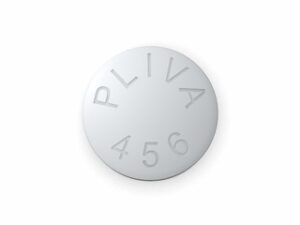

Etodolac (UK) – Patient-Friendly Guide
Etodolac is a medicine used to relieve pain and inflammation. It belongs to a group of medicines known as NSAIDs (non-steroidal anti-inflammatory drugs). People in the UK may use etodolac for conditions such as painful inflammation of the joints and soft tissues. This guide explains how it works, how it is taken, and important safety information to help you use it more confidently.
Note: Always follow the instructions provided with your medicine and seek professional advice if you are unsure whether it is suitable for you.
Basic Product Information
| Category | Details |
|---|---|
| Active ingredient | Etodolac |
| Medicine type | NSAID (pain-relieving and anti-inflammatory) |
| How it’s used | Oral tablets (common formulations; strength varies by product) |
| Typical effects | Pain relief, reduced swelling/inflammation |
| In the UK | Availability depends on brand, strength, and supply arrangements |
How Etodolac Works (Mechanism of Action)
Etodolac works by reducing the body’s production of prostaglandins. Prostaglandins are chemical messengers that contribute to:
- Pain (enhancing pain sensitivity)
- Inflammation (swelling, redness, and warmth)
- Fever (in some contexts)
Like other NSAIDs, etodolac inhibits enzymes involved in prostaglandin formation, which helps calm inflammatory processes. By targeting inflammation pathways, etodolac can improve comfort and mobility in painful joint conditions.
Pharmacokinetics: What Happens in the Body
“Pharmacokinetics” describes how the body absorbs, distributes, metabolises, and removes a medicine.
- Absorption: Etodolac is absorbed after oral administration. Food can affect the rate of absorption, though many people still get effective symptom relief when taking it with meals.
- Distribution: Once in the bloodstream, etodolac is distributed to tissues where inflammation is present.
- Metabolism: The medicine is metabolised primarily in the liver.
- Elimination: Etodolac and its metabolites are eliminated mainly via the kidneys (urine) and to a smaller extent via other routes.
Individual response varies depending on age, other medicines, kidney/liver health, and the specific formulation. If you have kidney or liver concerns, discuss suitability with a healthcare professional.
Typical Uses in the UK
Etodolac is commonly used for conditions where pain and inflammation affect daily life. Typical uses may include:
- Osteoarthritis (joint wear-and-tear, causing pain and stiffness)
- Rheumatoid arthritis (inflammatory joint disease; may be used as part of a broader treatment plan)
- Other painful inflammatory musculoskeletal conditions as advised by a healthcare professional
It is generally used to relieve symptoms rather than cure the underlying condition. Many people notice improvement within days, while longer courses may be required for chronic inflammatory disorders.
Timing and How to Take Etodolac
Always read the specific instructions for your exact tablet strength and formulation. Dosing schedules vary by product.
When should it be taken?
- Most people take etodolac at consistent times to maintain steady pain control.
- If your stomach is sensitive, taking it with food may reduce irritation.
- Try to avoid taking extra doses “just in case” if pain breaks through—follow a structured plan instead.
How soon does it work?
- Short-term pain: some relief may occur within the same day.
- Inflammatory conditions: noticeable improvement may build over several days to weeks.
If you don’t feel improvement after a reasonable trial, speak to a healthcare professional to confirm diagnosis and treatment strategy.
Food Interactions and How Meals Affect Etodolac
Food may influence how quickly etodolac is absorbed. Generally:
- Taking with food can reduce the chance of stomach upset.
- Taking on an empty stomach may increase gastrointestinal side effects for some people.
Practical tip: If you have experienced indigestion or stomach pain with NSAIDs before, choose a meal or snack rather than taking it between meals.
Alcohol and Medicine Interactions
Combining NSAIDs like etodolac with alcohol can increase the risk of stomach irritation and bleeding. Alcohol may also worsen dizziness or fatigue, which can affect driving and operating machinery.
General advice:
- Avoid heavy drinking while taking etodolac.
- If you drink alcohol, keep it modest and consider whether it increases your symptoms (heartburn, nausea, stomach pain).
- If you notice black/tarry stools, vomiting blood, or severe stomach pain, seek urgent medical help.
Medicine Interactions (Commonly Relevant)
Etodolac can interact with other medicines. Interactions may change how safely the treatment works or increase side effects.
Medicines to discuss with a healthcare professional
- Other NSAIDs (e.g., ibuprofen, naproxen, aspirin used for pain): combining can raise bleeding and stomach ulcer risk.
- Blood thinners (e.g., warfarin): increased risk of bleeding.
- Antiplatelets (e.g., clopidogrel): may increase bleeding risk.
- Systemic corticosteroids (e.g., prednisolone): higher risk of gastrointestinal complications.
- Selective serotonin reuptake inhibitors (SSRIs) (e.g., sertraline): may increase bleeding risk.
- Diuretics and blood pressure medicines (e.g., ACE inhibitors, ARBs): NSAIDs can affect kidney function and reduce antihypertensive effects in some people.
- Lithium: NSAIDs can raise lithium levels.
- Methotrexate: potential changes in methotrexate levels, depending on dose and treatment duration.
- Digoxin: possible increase in digoxin levels.
Action step: Keep a list of all medicines, including over-the-counter NSAIDs and supplements, and share it with your pharmacist or clinician.
Indications: When Etodolac May Be Recommended
In the UK, etodolac is typically used for pain and inflammation related to musculoskeletal and joint disorders. Indications can include:
- Osteoarthritis – for reducing pain and improving function
- Inflammatory arthritis (as part of a broader regimen, where appropriate)
- Other short-term painful inflammatory conditions as judged clinically
Whether etodolac is the best option for you depends on factors such as your medical history (especially stomach, kidney, and heart health) and other medicines you take.
Dosing: Typical Adult Use
Follow the label on your specific product. Different strengths and formulations may require different dosing. Below are general guidance ranges commonly used for adult NSAID therapy; your prescriber’s plan or product instructions take priority.
General dosing approach
- Start at the lowest effective dose for the shortest duration needed.
- Some people take doses once or twice daily depending on formulation.
- Do not exceed the maximum recommended daily dose on your packaging.
If you miss a dose
- Take it when you remember unless it’s close to the next dose.
- If it’s nearly time for the next dose, skip the missed one and continue as normal.
- Do not take a double dose to make up for the missed tablet.
When to review the plan
- If pain persists beyond expectations, discuss whether etodolac remains appropriate.
- For long-term use, regular review helps monitor side effects and alternative options.
Safety Profile: Key Risks and Who Should Be Careful
NSAIDs can be effective, but they are associated with certain risks. The safest choice depends on your personal health profile.
Common side effects
- Stomach upset, indigestion
- Nausea
- Heartburn
- Mild dizziness
Serious side effects: seek urgent help
- Signs of gastrointestinal bleeding: black/tarry stools, blood in vomit, severe stomach pain
- Allergic reaction: swelling of the face/lips, wheezing, rash, trouble breathing
- Kidney problems: reduced urination, unusual swelling, sudden weight gain
- Chest pain, weakness on one side, severe headache (possible cardiovascular events): seek emergency assistance
Who may need extra caution
Talk to a healthcare professional before using etodolac if you have:
- A history of stomach ulcers or gastrointestinal bleeding
- Heart disease, previous stroke, or significant cardiovascular risk factors
- Kidney disease or dehydration (e.g., vomiting/diarrhoea)
- Asthma that worsens with NSAIDs
- Uncontrolled high blood pressure
- Liver impairment
- Are elderly (often increased risk of side effects)
Pregnancy and breastfeeding: NSAID use may not be suitable, particularly in later pregnancy. If you are pregnant, trying for a baby, or breastfeeding, seek medical advice promptly.
Practical Use Tips (Patient-Friendly)
- Use the lowest effective dose—more is not always better with NSAIDs.
- Take with food if you get indigestion.
- Stay hydrated, especially if you’re unwell with diarrhoea or vomiting.
- Avoid combining NSAIDs (e.g., don’t take etodolac with ibuprofen/naproxen).
- Check your other products: some cold/flu remedies contain anti-inflammatory ingredients.
- Monitor your body: if pain changes significantly or you develop new symptoms (heartburn, rash, reduced urine), stop and seek advice.
- Review your plan with a pharmacist if you need repeated courses.
Alternative Options for Pain and Inflammation
If etodolac isn’t suitable, there are other options depending on the cause of your pain, your medical history, and your treatment goals.
Non-medicine approaches
- Physiotherapy and strengthening exercises
- Heat or cold therapy
- Joint-friendly movement and ergonomic adjustments
- Weight management (for weight-bearing joint pain)
Medication alternatives
- Paracetamol (acetaminophen): can help pain; does not act as an anti-inflammatory.
- Other NSAIDs: such as ibuprofen or naproxen, chosen based on your risk profile.
- Topical NSAIDs (for some joint problems): may reduce systemic exposure.
- In specific inflammatory conditions, other anti-inflammatory treatments may be considered by clinicians.
Your best option depends on whether your main goal is pain control, inflammation reduction, or minimising side effects.
UK Market & Legal/Regulatory Context
In the United Kingdom, medicines are regulated to ensure quality, safety, and appropriate use. Availability can vary by product, strength, and supply route (including whether a medicine is widely available over the counter or only through pharmacy channels and clinical pathways).
Etodolac may be supplied through UK pharmacy systems where it is permitted and where legal requirements are met. For online pharmacies, ordering typically follows UK legal standards and safety checks, which can include identity verification and an assessment of suitability for safe supply.
Important: The UK regulatory framework also encourages patients to avoid inappropriate NSAID use due to known risks such as gastrointestinal bleeding and kidney injury, particularly in high-risk groups.
Recent Guidance and Safety Awareness (UK Context)
UK healthcare advice for NSAID use commonly emphasises:
- Lowest effective dose and shortest duration
- Extra caution in older adults and those with a history of ulcers or bleeding
- Awareness of cardiovascular and kidney risks, especially when combined with other medicines
- Taking NSAIDs with food when appropriate to reduce stomach irritation
Pharmacists and clinicians may also recommend reviewing treatment if symptoms persist, as long-term reliance on NSAIDs without reassessment can increase risk.
Delivery and Availability (Online Pharmacy)
Availability of etodolac online can depend on product format, strength, and current stock. Delivery timelines vary across the UK and may be influenced by:
- Warehouse location
- Carrier schedules
- Seasonal demand
- Whether additional eligibility checks are required
What to expect when ordering:
- You may be asked to confirm details that affect safe supply.
- Once the order is processed, dispatch typically follows on working days (exact cut-off times depend on the pharmacy).
- Packaging should protect tablets and include clear instructions for use.
If you need urgent pain relief and are unsure about timing, contact the pharmacy’s customer support for the most accurate delivery estimate.
FAQ: Common Questions About Etodolac
1) What is etodolac used for?
Etodolac is used to relieve pain and inflammation, often in conditions such as osteoarthritis and other painful inflammatory joint or musculoskeletal problems, depending on clinical assessment.
2) How long does etodolac take to work?
Some people notice relief on the same day. For inflammatory conditions, improvement may take several days, and sometimes longer. If there is no improvement or symptoms worsen, seek advice.
3) Can I take etodolac with food?
Yes. Taking it with food may reduce stomach irritation. Follow the instructions for your specific product.
4) Can I drink alcohol while taking etodolac?
Alcohol can increase the risk of stomach irritation and bleeding with NSAIDs. It’s generally best to limit alcohol and avoid heavy drinking while using etodolac. If you develop concerning symptoms (such as black stools or vomiting blood), seek urgent medical help.
5) Can I take ibuprofen or naproxen at the same time?
It is usually best to avoid combining NSAIDs unless a clinician specifically advises it, because the risk of stomach bleeding and other side effects can increase.
6) What should I do if I miss a dose?
Take it when you remember unless it is close to your next dose. Do not take a double dose.
7) Who should not use etodolac?
People at higher risk—such as those with a history of stomach ulcers/bleeding, kidney problems, certain heart conditions, NSAID-triggered asthma, or those taking interacting medicines—should seek professional advice before use.
8) Are there safer alternatives to etodolac?
Alternatives may include paracetamol, topical anti-inflammatory options, other NSAIDs (chosen carefully), or non-medicine strategies such as physiotherapy and targeted exercise. The best alternative depends on your condition and risk factors.
9) How do I store etodolac?
Store tablets according to the packaging instructions. Keep out of sight and reach of children and avoid storing in excessively hot or damp conditions.
10) When should I stop and get urgent medical advice?
Stop using etodolac and seek urgent advice if you experience symptoms such as signs of bleeding (black/tarry stools, blood in vomit), severe allergic reactions (swelling of face/lips, breathing difficulty), or signs of kidney problems (reduced urination, significant swelling).
Summary
Etodolac is an NSAID used to relieve pain and inflammation, particularly in conditions affecting joints and the musculoskeletal system. By reducing prostaglandin activity, it helps improve comfort and function. To use it safely, take it according to product instructions, consider taking with food, avoid combining with other NSAIDs, and be mindful of alcohol and interaction risks. If you have a history of ulcers, kidney or heart problems, or you’re taking other medicines that may interact, seek professional advice before starting.
If you have any questions about whether etodolac is suitable for you, speak to a pharmacist.