

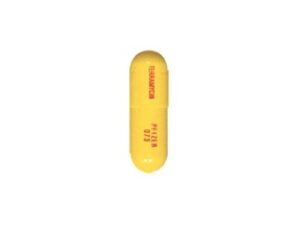
Di l a n t i n (Phenytoin) — Patient Information (UK)
Dilantin is a brand of phenytoin, an anti-epileptic medicine used to help control certain types of seizures. This guide explains how it works, how to take it safely, and what to expect in everyday life. It is written for patients in the United Kingdom and includes practical advice on timing, interactions, and safety.
| Medicine | Dilantin (phenytoin) |
|---|---|
| What it’s used for | Seizure control in specific epilepsy types; also used in some acute seizure settings as advised by clinicians |
| How it works | Stabilises nerve cell activity and reduces abnormal electrical firing in the brain |
| Common forms | Tablets and capsules (formulations vary); some products may have specific-release properties |
| Onset (typical) | Variable; depends on seizure type and blood levels |
| Monitoring | Blood tests may be needed (phenytoin levels) because it has non-linear pharmacokinetics |
Basic product information
- Active ingredient: Phenytoin
- Brand: Dilantin
- Medicine group: Antiepileptic (antiepilepsy) medicine
- Availability in the UK: Dilantin/phenytoin products are supplied via community pharmacies and may be available in different formulations depending on supply.
Important: There are different phenytoin products with different release characteristics. Switching between brands or formulations should be done carefully and with clinician/pharmacist guidance to avoid changes in blood levels and seizure control.
How Dilantin (phenytoin) works (mechanism of action)
Phenytoin helps prevent seizures by stabilising nerve cell membranes. In simpler terms, it makes nerve cells less likely to fire in an uncontrolled, seizure-like way.
Key actions include:
- Blocking voltage-dependent sodium channels in the brain and nerve cells, which reduces rapid repetitive firing.
- Modulating calcium- and neurotransmitter-related processes, contributing to seizure control.
Because phenytoin’s effect depends on achieving an appropriate blood concentration, it is important to take it consistently and to follow monitoring advice.
Pharmacokinetics (how the body processes it)
Pharmacokinetics explains what the body does to the medicine—how quickly it’s absorbed, distributed, and eliminated. Phenytoin has features that are important for safe use.
1) Absorption
- Phenytoin is absorbed from the gut.
- Absorption can vary between formulations, and changes in diet or stomach conditions may occasionally affect levels.
2) Distribution
- Phenytoin binds to proteins in the blood (especially albumin).
- In some people (for example, with low albumin or kidney/liver issues), the “free” (active) level may be different from the measured total level. Clinicians may consider this when interpreting blood results.
3) Metabolism and elimination
- Phenytoin is mainly metabolised by the liver (primarily CYP enzymes).
- Non-linear (saturable) kinetics: small dose changes can lead to disproportionately large changes in blood levels, especially at higher doses.
- Because of this, side effects can appear even with modest dose increases, and dose adjustments are usually made carefully.
Half-life: varies between individuals and may be longer at higher blood concentrations. This contributes to why doses and monitoring are important for long-term stability.
Typical uses and indications
Phenytoin is used to treat certain seizure disorders. The exact selection depends on seizure type, patient characteristics, and response to therapy.
Common indications
- Focal (partial) seizures, including those that may secondarily generalise, depending on clinical assessment.
- Generalised tonic-clonic seizures in some situations, particularly when other treatments are unsuitable or ineffective.
- In specialist settings, it may be used in certain acute seizure management scenarios under healthcare supervision.
Choice of anti-epileptic medicine is individual. The healthcare team may also consider driving safety, interactions, comorbidities, and pregnancy plans when selecting therapy.
When to take Dilantin (timing and consistency)
Consistency is central to seizure control and safety, because phenytoin levels can change with missed doses, timing differences, or interactions.
- Take it at the same times each day as advised.
- Do not skip doses. If you miss a dose, follow the instructions provided by your pharmacist or medicines guidance for your specific regimen.
- Use the same formulation each day (e.g., don’t substitute capsules/tablets or switch brands without advice).
- Allow time for steady levels: some people feel better control gradually after dose stabilisation.
Practical timing tips:
- If you take it twice daily, aim for roughly even spacing (for example morning and evening) unless your clinician has advised otherwise.
- Set reminders for days you may be busy (work, travel, shifts).
- If you take other medicines, consider aligning schedules where convenient—but confirm with your pharmacist if there are known interaction issues.
Food interactions and dietary advice
Food can affect the comfort of taking phenytoin and may influence absorption for some formulations. As a general patient-friendly approach:
- Take with food if it upsets your stomach or causes nausea.
- Keep meals consistent day to day, especially if you notice your symptoms or side effects change with timing.
- Avoid making large, sudden dietary changes (including drastic carbohydrate changes) without discussing with a clinician/pharmacist, particularly if you have fluctuating levels.
Note: Specific product characteristics (for example, release type) can alter advice. If you’re unsure, check the leaflet supplied with your product or ask your pharmacist.
Alcohol and medicine interactions
Alcohol may increase the risk of certain side effects such as dizziness, drowsiness, impaired coordination, and reduced alertness. Because phenytoin can also cause these effects, combining the two can be particularly unsafe.
Alcohol
- Try to avoid or limit alcohol while taking phenytoin.
- If you choose to drink, do so cautiously and only in a way that does not make you feel unwell or overly sedated.
- Do not drive or operate machinery if you feel drowsy, dizzy, or “slow.”
Important medicine interactions (general)
Phenytoin interacts with many medicines because it is metabolised in the liver and because it can also affect liver enzymes. These interactions can raise or lower phenytoin blood levels, potentially leading to:
- Loss of seizure control (if phenytoin levels fall), or
- Side effects/toxicity (if phenytoin levels rise).
Examples of medicine classes that may interact include:
- Antibiotics (some can increase or decrease levels)
- Antifungal medicines
- Anti-HIV medicines
- Oral contraceptives and other hormonal treatments (may affect effectiveness and levels)
- Antiarrhythmics and other cardiovascular drugs
- Some antidepressants and other psychotropic medicines
- St John’s wort (a herbal product) — can reduce effectiveness by lowering levels
Always check before starting or stopping any medicine, including over-the-counter products, herbal remedies, and supplements. Speak to a pharmacist for quick interaction checks.
Dosing: what you need to know
Dosing of phenytoin is individual. Because it has non-linear kinetics, dose changes should be guided by clinicians and, when appropriate, by blood level monitoring.
General principles
- Start low and adjust based on response and tolerance (as advised).
- Monitoring may be used if symptoms suggest levels are too low (breakthrough seizures) or too high (side effects), or if there are interaction concerns.
- In some cases, clinicians may target a therapeutic blood concentration range while considering patient factors such as albumin.
Typical dosing schedule (patient-friendly guidance)
Many people take phenytoin once or twice daily depending on the product and clinical plan. The exact dose and schedule vary widely.
- Take the dose exactly as instructed by your healthcare professional.
- Do not change your dose without advice, even if seizures feel controlled.
- If you experience side effects or have breakthrough seizures, contact your healthcare team promptly for review.
Special caution: phenytoin can be dangerous if taken incorrectly. If you suspect you have taken too much, seek urgent advice right away (see “Safety profile” for warning symptoms).
Safety profile: common side effects and serious risks
Like all medicines, phenytoin can cause side effects. Not everyone gets them. Many side effects depend on dose and blood level, which is why consistent use and monitoring can be important.
Common side effects
- Dizziness or light-headedness
- Unsteadiness or coordination problems
- Nausea or stomach discomfort
- Headache
- Sleepiness or tiredness
- Blurred vision
- Fine or visible tremor
Signs of high phenytoin levels (toxicity)
These symptoms can occur when levels are too high, for example after a dose increase, missed/extra doses, or interactions that raise blood concentration.
- Worsening balance problems
- Slurred speech
- Marked drowsiness
- Confusion
- Nystagmus (rapid involuntary eye movement)
- Severe vomiting or inability to tolerate tablets
Serious but less common risks
Some reactions can be serious. Seek urgent medical help if you develop:
- Signs of an allergic reaction (swelling of the face/lips, difficulty breathing, widespread rash)
- Severe skin reactions (blistering, peeling skin, ulcers in mouth, severe rash)
- Fever with rash or feeling very unwell
- Unexplained bruising or bleeding
- Yellowing of the skin/eyes (jaundice), severe fatigue, dark urine (possible liver problems)
- Signs of blood disorders such as persistent sore throat, infections, or unusual tiredness
Emergency advice: In the UK, if you think you have taken an overdose or have severe symptoms, call 999 or go to A&E. If you need urgent medical advice but it is not an emergency, you can call 111. You can also use NHS guidance for poisoning emergencies where available.
Practical use tips for everyday life
1) Keep your levels steady
- Take doses at the same time each day.
- Use a pill organiser or smartphone reminders.
- Plan ahead for travel (carry extra medicine and a written schedule).
2) Avoid unplanned switching
Switching between different phenytoin brands or forms can affect blood levels. If you notice changes in seizure control or side effects, ask your pharmacist whether your latest supply looks identical to your usual product.
3) Know your triggers and report changes
- Report breakthrough seizures, unusual triggers, or new side effects promptly.
- Tell clinicians about illness, vomiting/diarrhoea, or major changes in eating patterns, as these can influence medicine handling.
4) Driving and safety
Epilepsy and seizure control can affect driving eligibility. UK rules are managed by the DVLA and depend on seizure control period and type of seizures. Speak to your clinician or check DVLA guidance. Avoid driving if you feel drowsy, unsteady, or you have had recent seizures.
Alternative options (other treatments for epilepsy)
If phenytoin is not suitable, alternatives may be considered. Choice depends on seizure type, your medical history, lifestyle, and potential interactions.
Common alternatives (examples)
- Carbamazepine
- Lamotrigine
- Levetiracetam
- Valproate (where appropriate, with careful monitoring; often avoided in certain groups due to risks)
- Oxcarbazepine
- Topiramate
- Lacosamide
- Other specialist options for specific seizure syndromes
Important: Changing anti-epileptic medicines can require careful “switching” and dose tapering to avoid breakthrough seizures. Do not change your medicine without healthcare guidance.
Market and legal context in the UK
Phenytoin is a well-established medicine in the UK. Anti-epileptic medicines are regulated medicines, and supply arrangements may vary depending on product availability. In the NHS and community pharmacies, safety monitoring and product identity checks help reduce dosing errors.
In the UK, medicines are supplied according to the relevant regulations and the prescriber/pharmacy processes in place. Pharmacists also provide medication reviews, interaction checks, and guidance on adherence and side effects.
Patient responsibilities: Keep your medicine safe, follow dosing instructions, and promptly report side effects or changes in seizure control. Report any suspected supply mismatch (for example, different strength or formulation).
Recent guidance and ongoing safety updates
Guidance for anti-epileptic medicines in the UK is regularly updated through professional bodies and medicines safety communications. For phenytoin, key continuing themes include:
- Emphasis on consistent dosing and formulation due to variability in absorption and non-linear kinetics.
- Monitoring for toxicity and sub-therapeutic levels, particularly when doses change or interacting medicines are started/stopped.
- Vigilance for serious skin reactions and blood/liver issues.
- Review of interactions, especially with antibiotics, antifungals, hormonal therapy, and herbal products.
Always check the information leaflet supplied with your specific product, and if you have concerns, ask a pharmacist to review your current medicines for interaction risks.
Delivery and availability (UK)
Phenytoin products are supplied through licensed channels. Availability can vary by strength and formulation. If a medicine is temporarily unavailable, a pharmacy may need to:
- Check alternative strengths or equivalent formulations,
- Offer an appropriate replacement only if it is considered safe and suitable for the individual, and
- Confirm any monitoring needs after changes.
Delivery expectations:
- Delivery times vary depending on stock and the chosen delivery option.
- Some services provide tracked delivery and updates when dispatch occurs.
- Always receive your parcel promptly to help protect medicines from extreme temperatures.
Cold or hot conditions: Keep medicines at appropriate room temperature as stated in the leaflet. Do not leave medicines in a hot car or in freezing conditions.
FAQ (Frequently Asked Questions)
1) How long does it take for Dilantin to work?
It varies. Some people may notice seizure reduction within days to weeks, but full benefit depends on achieving stable blood levels and matching treatment to the seizure type. If you have breakthrough seizures, contact your clinician/pharmacist rather than changing doses yourself.
2) What should I do if I miss a dose?
Follow the advice given with your medicine or by your pharmacist. In general, you should not take a double dose to make up for a missed tablet unless specifically instructed. If you’re unsure, ask a pharmacist—especially if you miss more than one dose.
3) Why do I need blood tests?
Phenytoin can have a non-linear dose–level relationship, meaning your blood concentration may not rise proportionally with dose. Blood testing helps confirm that levels are in a safe, effective range and supports interpretation if side effects or breakthrough seizures occur.
4) Can I take Dilantin with food?
Many people find it easier on the stomach to take phenytoin with food. Keep your eating pattern consistent. If you have been advised about fasting or timing with specific meals, follow that advice.
5) Are there foods I should avoid?
There are no universally banned foods, but large changes in diet or stomach upset (vomiting/diarrhoea) can affect how your medicine is handled. If you notice a clear pattern between meals and symptoms, discuss it with your pharmacist.
6) Can I drink alcohol while taking Dilantin?
It is generally best to avoid or limit alcohol. Alcohol can increase dizziness and drowsiness and may affect seizure risk in some people. If you do drink, do so cautiously and avoid driving or dangerous activities if you feel impaired.
7) What medicines commonly interact with phenytoin?
Many medicines can interact, including certain antibiotics, antifungals, antidepressants, hormonal therapies, and herbal products like St John’s wort. Always check with a pharmacist when starting, stopping, or changing any medicine.
8) Is Dilantin safe in pregnancy?
Pregnancy planning requires careful specialist discussion. Phenytoin may affect pregnancy and the developing baby, and seizure control is also important for maternal health. If pregnancy is possible, speak with your clinician promptly to discuss safe planning and folic acid guidance where appropriate.
9) What signs mean I should seek urgent help?
Seek urgent medical help for symptoms of severe allergic reaction, blistering/severe rash, fever with rash, jaundice (yellow skin/eyes), severe confusion, or signs of overdose (such as marked drowsiness, slurred speech, or severe unsteadiness).
10) Can I switch from Dilantin to another phenytoin brand?
Switching may affect blood levels. If a switch is necessary due to supply or availability, your pharmacist can help ensure the change is appropriate and may recommend closer monitoring for seizure control and side effects.
Summary
Dilantin (phenytoin) is an anti-epileptic medicine used to control certain seizure types. It works by stabilising nerve cell activity. Because phenytoin levels can change significantly with dose and interactions, taking it consistently at the correct times, avoiding unplanned switching, and attending any monitoring are key to safe use. If you notice breakthrough seizures, side effects, or symptoms suggesting high levels, seek medical advice promptly.