Phoslo (Calcium Acetate) – Patient-Friendly Guide (UK)
Phoslo is a medicine containing calcium acetate. It is most commonly used in people with chronic kidney disease to help control phosphate levels in the blood. By reducing phosphate, Phoslo can help lower the risk of complications linked to long-term kidney disease and abnormal mineral balance.
This page explains how Phoslo works, when it’s usually taken, how to take it safely, what to expect, and important interactions and precautions.
1. Basic Product Information
- Medicinal ingredient: Calcium acetate
- Brand name: Phoslo
- Type: Phosphate binder (mineral/blood chemistry medicine)
- Common use in UK: Treatment of hyperphosphataemia in chronic kidney disease
- Availability: Typically available via pharmacies/dispensing supply; stock may vary by strength and formulation
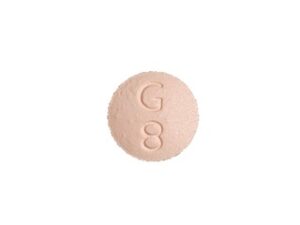
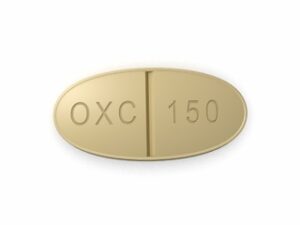
Strengths and formulations can vary. Always check the label on your specific product for the exact dose per tablet/capsule.
2. What Does Phoslo Do? (Mechanism of Action)
In kidney disease, the kidneys may struggle to remove phosphate from the body. High phosphate levels can lead to changes in bones and blood vessels, and may contribute to cardiovascular risk.
Phoslo works as a phosphate binder. When taken with food, calcium acetate binds dietary phosphate in the gut. This helps form an insoluble complex that is less absorbed into the bloodstream. As a result, blood phosphate levels may decrease.
- Key principle: It works best when taken with meals, so phosphate from food is targeted before absorption.
- Additional effect: It also provides calcium, which is why careful monitoring of calcium levels is important.
3. Pharmacokinetics (How the Body Handles It)
“Pharmacokinetics” describes what happens after taking the medicine. For calcium acetate:
- Absorption: Most of the calcium acetate remains in the gastrointestinal tract to bind phosphate. Absorbed calcium contributes to the body’s calcium pool.
- Onset: The main therapeutic effect happens in the gut during digestion, which is why dosing with meals is critical.
- Elimination: Any absorbed calcium is handled by normal calcium regulation, largely dependent on kidney function and hormones controlling mineral balance.
In people with impaired kidney function, calcium and phosphate handling may be affected. For this reason, phosphate and calcium blood tests are typically monitored regularly.
4. Typical Uses in the UK
Phoslo is used to manage hyperphosphataemia (high blood phosphate) in patients with:
- Chronic kidney disease, especially those on dialysis or with advanced disease, according to clinical assessment and guidelines.
Your clinician may use Phoslo as part of a broader plan that can also include diet advice and monitoring of vitamin D, parathyroid hormone, and calcium levels.
5. When and How to Take Phoslo (Timing & Administration)
Best timing
Phoslo is intended to bind phosphate from food. Therefore, it is generally taken:
- With meals (and usually with snacks that contain phosphate)
- Not on an empty stomach, unless your healthcare professional specifically instructs otherwise
How to take
- Take the tablets/capsules exactly as directed on your label.
- Swallow whole with water unless advised differently.
- If you forget a dose, take it with your next meal rather than doubling up.
Practical routine example
- Breakfast: Take the number of tablets prescribed with breakfast
- Lunch: Take the prescribed number with lunch
- Dinner: Take the prescribed number with dinner
- Snacks: If your clinician advised taking binders with snacks, take them with relevant snacks
6. Food Interactions (Important for Effectiveness)
Because Phoslo’s job is to bind phosphate from food, food timing is the most important “interaction.”
- Take with meals: To maximise phosphate binding, take Phoslo during or immediately with food.
- Phosphate-rich foods: Common phosphate sources include processed foods, cola drinks, processed meats, cheese, and some convenience meals. Diet advice is often used alongside medicines.
In general, follow the dietary guidance given for kidney disease and phosphate control. Your clinician or dietitian may suggest limiting high-phosphate foods and choosing lower-phosphate alternatives.
7. Alcohol Interactions
Moderate alcohol is not known to have a direct chemical interaction with calcium acetate. However, in people with chronic kidney disease, alcohol can affect hydration, medication tolerance, appetite, and overall health.
- Ask your clinician if you plan to drink alcohol, especially if you have advanced kidney disease or other conditions.
- Avoid excessive alcohol intake, as it may worsen wellbeing and complicate mineral balance.
If you have been advised to avoid alcohol due to other health reasons, follow that advice.
8. Medicine Interactions (Other Medicines)
Calcium acetate can affect the absorption of certain medicines because it can bind other substances in the gut or compete for absorption.
Tell your healthcare professional and pharmacist about all medicines and supplements you take, including: vitamin D, thyroid medicine, iron tablets, antibiotics, and osteoporosis treatments.
Common interaction patterns to be aware of
- Levothyroxine (thyroid medicine): Calcium can reduce absorption. Doses are often separated by several hours.
- Iron supplements: Calcium may reduce iron absorption. Separate dosing may be needed.
- Some antibiotics: Certain antibiotics (for example, fluoroquinolones and tetracyclines) may form complexes with calcium. Separation is usually required.
- Bisphosphonates: Calcium-based medicines may require spacing from osteoporosis medicines.
The exact timing depends on the specific medicine. Your pharmacist can advise a safe separation schedule based on your medicines list.
9. Indications (Who is Phoslo for?)
Phoslo is indicated for the treatment of hyperphosphataemia in patients with chronic kidney disease, particularly where phosphate control is required to reduce complications related to mineral and bone disorders.
Use may vary by clinical status (such as dialysis stage, calcium levels, vitamin D status, and parathyroid hormone results). Your care team may adjust the plan over time.
10. Dosing (Typical Approach)
Dosing is individual and depends on:
- Your blood phosphate levels
- Your blood calcium levels
- Your dietary phosphate intake
- Whether you are on dialysis or not
- Your other medicines (especially vitamin D and other binders)
Important: Always follow the dose prescribed for you. Do not adjust your dose without clinical advice.
General dosing principles (patient-friendly)
- Total daily dose is usually split across meals (and sometimes snacks).
- The dose is commonly titrated to reach phosphate targets set by your clinical team.
- Monitoring may lead to dose reduction if calcium rises.
What you can expect
- Phosphate levels are usually checked periodically (for example, monthly in stable dialysis care, though this varies).
- Adjustments are often made if phosphate remains high or calcium becomes too high.
If you’d like, share the strength on your label (e.g., “each tablet contains…”), and how many times per day you’ve been instructed to take it—then your pharmacist can help verify the dosing routine.
11. Safety Profile (Side Effects & Warnings)
As with all medicines, Phoslo can cause side effects. Many people tolerate it well, especially with appropriate monitoring, but calcium acetate can increase calcium levels.
Common or notable side effects
- Constipation
- Gastrointestinal discomfort (e.g., nausea, bloating)
- Changes in blood calcium (hypercalcaemia), which can require dose adjustment
Serious warnings (seek medical help promptly if)
- Symptoms of high calcium such as unusual thirst, frequent urination, confusion, severe constipation, weakness, or persistent nausea/vomiting.
- Signs of kidney-related complications that your clinic has warned you to watch for.
Who should take extra care?
- People with a history of high calcium levels
- People taking vitamin D or other medicines that affect calcium balance
- People with other mineral bone disorder treatments where adjustments may be needed
Monitoring typically includes
- Serum phosphate
- Serum calcium
- Sometimes parathyroid hormone and vitamin D markers
12. Practical Use Tips (Getting the Best Results)
- Take with food: This is the most important step for effectiveness.
- Keep a routine: Use meal times as your reminder.
- Don’t crush or chew: Unless your specific product instructions say otherwise.
- Track missed doses: If you frequently miss binder doses, phosphate control may become harder—ask your care team for strategies.
- Review your diet: Medicine works best alongside dietary phosphate guidance.
- Check other medicine timing: Use your pharmacy label and ask about spacing from antibiotics, thyroid medicine, or iron.
13. Alternative Options (Other Phosphate Binders)
Phosphate binders come in several types. Your healthcare team may choose an alternative if calcium is too high, if you need a different side-effect profile, or based on availability.
Common alternatives
- Sevelamer (non-calcium binder)
- Lanthanum carbonate (non-calcium binder)
- Ferric-based binders in some clinical pathways
- Other calcium salts (depending on local prescribing and guidance)
Suitability depends on your overall mineral profile, current medicines, gastrointestinal tolerance, and guideline preferences. Discuss options with your clinician.
14. UK Market & Legal/Clinical Context
In the United Kingdom, treatment of chronic kidney disease complications—including hyperphosphataemia—is guided by clinical standards and local protocols. Phosphate control is typically part of chronic kidney disease–mineral and bone disorder (CKD-MBD) management.
Medicines are regulated by the UK’s medicines framework. Availability and prescribing vary by:
- Local NHS formularies and commissioning decisions
- Individual clinical factors (calcium/phosphate levels, dialysis status, co-morbidities)
- Monitoring requirements and clinical reviews
If you’re unsure about which binder is most appropriate for your situation, your kidney specialist team (renal unit) can explain the rationale and review results over time.
15. Recent Guidance (Overview)
Clinical approaches to phosphate management in CKD continue to emphasise:
- Regular monitoring of phosphate and calcium
- Individualised binder choice based on mineral balance and tolerability
- Dietary phosphate restriction alongside medication
- Balancing phosphate reduction with risks of calcium overload when calcium-based binders are used
Your clinic may follow national or international recommendations adapted to UK practice, and may update treatment thresholds or binder preferences as new evidence and safety information emerges.
16. Delivery & Availability in the UK
Availability can vary depending on stock levels and the specific strength you need. When ordering online, it’s common to receive:
- Standard delivery (typical timeframes vary by provider)
- Tracking and delivery updates where available
- Careful packaging to help protect tablets from damage
If your local pharmacy stock is limited, an online pharmacy may be able to source the item. Always check the estimated delivery date shown at checkout.
17. FAQ – Phoslo (Calcium Acetate)
Can I take Phoslo without food?
Phoslo is designed to bind phosphate in the gut from food. In most cases it should be taken with meals. If you’re unsure about a specific situation (for example, a very small snack), ask your pharmacist or clinic for guidance.
How long does it take to work?
Effects can begin quickly because it acts in the digestive tract during meals. However, phosphate levels are typically checked after ongoing use and dose adjustments, so changes in blood tests may be seen over days to weeks depending on monitoring schedules and diet adherence.
Will Phoslo raise my calcium levels?
It can, because it is a calcium-containing binder. That’s why blood calcium is monitored. If calcium rises, the dose may be reduced or the binder choice may be changed.
What should I do if I forget a dose?
If you forget a dose, take it with your next meal. Do not take extra tablets to make up for the missed dose, unless your clinician has told you to do so.
Are there dietary rules I should follow?
Yes. Phosphate binders work alongside dietary phosphate advice. Cutting down on high-phosphate foods (particularly processed foods and phosphate additives) often improves phosphate control. Ask your renal dietitian for personalised guidance.
Can I take Phoslo with my other medicines?
Some medicines require spacing from calcium acetate (for example certain antibiotics, thyroid medicine, and iron). Always review your full medicines list with a pharmacist to confirm correct timing.
Is Phoslo safe to drink alcohol?
There is no well-known direct interaction between alcohol and calcium acetate, but alcohol may affect health and medication tolerance in kidney disease. If you want to drink, discuss safe amounts with your clinician.
What side effects are common?
Common issues include constipation and gastrointestinal discomfort. Seek prompt medical advice if you develop symptoms that may suggest high calcium or other serious problems.
What if Phoslo doesn’t control my phosphate?
Your clinician may adjust the dose, check adherence and timing with meals, review your diet, and consider alternative phosphate binders if necessary.
Are there alternatives to Phoslo?
Yes. Other phosphate binders exist, including non-calcium options. The best choice depends on your blood results, tolerance, and overall CKD-MBD management plan.
Summary
Phoslo (calcium acetate) helps control phosphate levels in people with chronic kidney disease by binding dietary phosphate in the gut—most effectively when taken with meals. Regular blood tests for phosphate and calcium are important to ensure safety and effectiveness. If you’re taking other medicines or supplements, dosing times may need adjustment to avoid absorption issues.
If you have questions about how to take Phoslo with your daily routine, please consult your pharmacist or renal team for advice tailored to your situation.