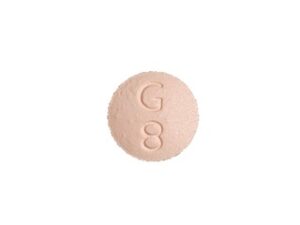


Inspra (Eplerenone) – Patient Information Guide (UK)
Inspra is the brand name of eplerenone, a medicine used to help protect the heart in certain conditions and to treat specific hormonal effects on the body. This page explains what Inspra is, how it works, how it’s taken, key safety information, and practical tips for day-to-day use in the United Kingdom.
This guide is designed to be patient-friendly and informational. It does not replace advice from your healthcare professional.
Quick facts
- Active ingredient: Eplerenone
- Medicinal type: Mineralocorticoid receptor antagonist (MRA)
- Used for: Heart failure after a heart attack and, in some cases, high blood pressure due to primary hyperaldosteronism (where appropriate)
- Common forms: Tablets (strengths may vary by local supply)
- Key precautions: Higher potassium levels (hyperkalaemia), kidney impairment, drug interactions
What is Inspra?
Inspra (eplerenone) is a prescription medicine in the UK belonging to a class called mineralocorticoid receptor antagonists. It helps block the effects of aldosterone, a hormone that can lead to the body retaining salt and water and can contribute to harmful changes in the heart and blood vessels.
Inspra is used as part of broader cardiovascular care. Your doctor will decide whether Inspra is suitable for you based on your diagnosis, blood test results (especially potassium and kidney function), and other medicines you take.
How Inspra works (mechanism of action)
Eplerenone works by blocking mineralocorticoid receptors. These receptors are normally activated by aldosterone. When aldosterone is blocked:
- Less potassium is lost (which is why potassium levels must be monitored)
- Salt and water retention reduces
- The heart and blood vessels may be protected from damaging effects linked to aldosterone
In heart conditions, this can help reduce strain on the heart and lower the risk of complications in eligible patients.
Pharmacokinetics: how your body handles eplerenone
Understanding how a medicine behaves in the body can help explain dosing and monitoring. Key pharmacokinetic points for eplerenone include:
- Absorption: Eplerenone is absorbed from the gut after taking the tablet.
- Metabolism: It is mainly processed by the liver, particularly via the enzyme system CYP3A4.
- Time to peak effect: Blood levels generally rise over the hours after dosing (exact timing can vary by person).
- Elimination: The medicine and its metabolites leave the body through metabolism and excretion.
- Half-life: It has a lasting effect, which supports dosing once or twice daily depending on the regimen prescribed.
Why this matters: Because eplerenone relies on liver enzymes and affects potassium, medicines that change CYP3A4 activity or potassium levels can significantly change how safe and effective Inspra is.
Typical uses in the UK
Inspra may be used for:
- Heart failure after a myocardial infarction (heart attack): To help reduce risk in selected patients with reduced heart function and persistent symptoms/signs as determined by clinical assessment and blood results.
- Primary hyperaldosteronism: In certain cases as part of management to address high aldosterone levels. Use depends on whether surgery is appropriate or while preparing for additional treatment.
Your clinician will choose the most appropriate indication based on your individual medical history and test results.
When to take Inspra (timing and dosing schedule)
Follow the schedule given by your healthcare professional. In general, many patients take Inspra:
- Once daily for certain regimens, or
- Twice daily if the prescribed total daily dose is split (depending on your situation and tolerability).
Try to take it at the same time each day to maintain consistent blood levels. If you miss a dose, take it when you remember unless it is close to the next dose; do not take double doses.
If you are unsure what to do after missing a dose, ask a pharmacist or refer to the patient information leaflet that comes with your medicine.
Food interactions and lifestyle notes
Food can affect how quickly and how much eplerenone is absorbed. In particular:
- Grapefruit and grapefruit juice: Avoid these, as they can increase eplerenone levels and risk side effects.
- High-fat meals: Some foods may alter absorption. Your prescriber or pharmacist may advise consistent timing with meals if this applies to your dosing plan.
Practical tip: If you notice you feel unwell after changes in diet or meal timing, discuss this with your pharmacist—small adjustments can sometimes improve tolerability.
Alcohol and Inspra interactions
Alcohol does not have a direct “black-and-white” interaction in the same way as certain medicines, but it can still affect safety in several indirect ways:
- Blood pressure changes: Alcohol may lower blood pressure and increase dizziness—especially if you’re also taking medicines for heart failure or high blood pressure.
- Dehydration risk: Alcohol can contribute to dehydration in some people, which may affect kidney function and electrolyte balance.
- Medication adherence: Alcohol can make it easier to miss doses.
Advice: If you drink alcohol, do so in moderation and monitor how you feel. If you develop dizziness, fainting, or weakness, seek medical advice promptly.
Medicine interactions (important)
Drug interactions are one of the most important considerations with Inspra due to its effect on potassium and its liver metabolism (CYP3A4). Always tell your healthcare professional about all medicines you take, including over-the-counter products and supplements.
Medicines that may increase potassium
Using these alongside Inspra can raise potassium levels and increase risk:
- Potassium supplements
- Salt substitutes containing potassium
- Other potassium-sparing diuretics (e.g., amiloride, triamterene)
- Some medicines for certain kidney/heart conditions that also increase potassium (your clinician can advise)
Medicines that affect kidney function or electrolyte balance
- Non-steroidal anti-inflammatory drugs (NSAIDs) (e.g., ibuprofen, naproxen) may affect kidney function in some people, potentially increasing risk of electrolyte issues.
- Dehydrating illnesses (vomiting, diarrhoea, fever) can reduce kidney function and may change potassium balance.
Strong CYP3A4 inhibitors
Because eplerenone is metabolised by CYP3A4, medicines that strongly inhibit this pathway can increase eplerenone levels. Examples may include:
- Some antifungal medicines (e.g., ketoconazole, itraconazole)
- Some antibiotics (e.g., clarithromycin)
- Some HIV medicines (e.g., ritonavir-boosted regimens)
Strong CYP3A4 inducers
Some medicines can reduce eplerenone levels by inducing CYP3A4, potentially making it less effective. Your pharmacist can check your specific medicines.
Herbal and supplement considerations
Be cautious with supplements that influence potassium or liver enzymes. If you take herbal products (including “natural” remedies), discuss them with a healthcare professional.
Dose guidance (general information)
Dosing should be individualised and based on your condition, blood tests, and response. In the UK, clinicians typically adjust dosing according to:
- Potassium level (blood test)
- Kidney function (blood tests such as creatinine/eGFR)
- Concomitant medicines
Do not change the dose on your own. Dose changes (if needed) are usually made gradually after monitoring blood results.
For exact dosing and titration schedules tailored to your situation, refer to the directions on your medicine label and the advice provided by your prescriber.
Safety profile and when to seek help
Like all medicines, Inspra can cause side effects. Many people tolerate it well, but the most important risks include:
1) High potassium (hyperkalaemia)
This is one of the key safety concerns with eplerenone. Mild increases may be detected through blood tests, while severe hyperkalaemia can be dangerous.
Seek urgent medical advice if you experience symptoms such as:
- Significant muscle weakness
- Numbness or tingling
- Slow, irregular, or pounding heartbeat
- Severe fatigue or feeling unwell
2) Kidney-related problems
Because your kidneys help regulate electrolytes, impaired kidney function increases risk. Your clinician may monitor blood tests more frequently if you have kidney disease or if you become dehydrated.
3) Dizziness or low blood pressure
Some people may feel light-headed, especially when standing up. This is more likely if you’re also taking other blood pressure/heart failure medicines.
4) Allergic reactions (rare)
Stop taking the medicine and seek immediate medical help if you develop signs of allergy, such as:
- Swelling of the face, lips, tongue, or throat
- Difficulty breathing
- Widespread rash or severe itching
Common and less common side effects
Side effects vary by individual and dose. Commonly reported effects can include:
- Raised potassium detected on blood tests
- Dizziness
- Nausea or stomach discomfort
- Changes in kidney function tests
If you notice any side effects that worry you, contact your pharmacist or healthcare team.
Monitoring: what blood tests you may need
Monitoring is central to safe use of Inspra. Your clinician will typically check:
- Potassium levels
- Kidney function (e.g., eGFR/creatinine)
- Other electrolytes as appropriate
The schedule depends on your baseline results, your diagnosis, and any changes in dose or interacting medicines. If you experience vomiting, diarrhoea, or severe dehydration, you may need extra monitoring.
Practical tips for using Inspra
- Keep appointments for blood tests. These checks help prevent complications before they become serious.
- Avoid potassium salt substitutes. Many “low-salt” products contain potassium—ask your pharmacist.
- Be consistent with diet. Sudden changes in foods high in potassium (for example, certain supplements) may affect blood results.
- Tell every healthcare professional you use Inspra. This includes dentists, emergency staff, and pharmacists.
- Check before starting new medicines. Even short-term painkillers (NSAIDs) or antibiotics can interact indirectly.
- During illness (“sick day” advice): If you develop severe vomiting/diarrhoea, high fever, or are unable to drink normally, contact your healthcare team for guidance on continuing or temporarily adjusting medicines. Your clinician will advise what applies to you.
Alternative treatment options (UK overview)
“Alternative options” depend on the exact diagnosis, severity, and your blood test results. Some common alternatives include:
- Other mineralocorticoid receptor antagonists: such as spironolactone (often used in similar clinical areas, though individual suitability varies).
- Different classes for heart failure/high blood pressure: your clinician may recommend ACE inhibitors, ARBs, beta-blockers, or other therapies depending on your case.
- For primary hyperaldosteronism: treatment approaches may include specific medical regimens, and in selected cases surgical options. The best option depends on imaging, hormone testing, and overall health.
Your prescriber can explain which option is most appropriate and why Inspra was selected for you.
UK market and legal context (general information)
In the United Kingdom, medicines such as Inspra are regulated by the Medicines and Healthcare products Regulatory Agency (MHRA) and are supplied through pharmacies under national medicines governance. eplerenone products are distributed according to UK licensing and pharmacy supply rules.
Important: Do not purchase from unverified sources. Use reputable UK pharmacies to help ensure you receive genuine medication with appropriate quality and packaging.
Supply availability: Availability can vary by strength and stock levels. A reliable pharmacy will typically confirm stock or offer guidance on ordering or alternatives.
Recent guidance and clinical practice updates (how to interpret)
Clinical guidance for heart failure and aldosterone-related conditions continues to evolve. In recent years, healthcare systems have reinforced principles around:
- Careful patient selection for MRAs based on baseline potassium and kidney function
- Structured potassium monitoring, particularly after starting or increasing dose
- Clear “interaction checks” when adding or stopping other medicines
Because practice is updated as new evidence emerges, your healthcare team may tailor monitoring frequency and dose adjustments to your individual risk level. Always follow local NHS or specialist team recommendations.
Delivery and availability (UK online pharmacy)
Many UK online pharmacies offer delivery to eligible addresses. Availability depends on:
- Product strength and pack size
- Current UK supply
- Whether substitutions are allowed (only if authorised and suitable for you)
Delivery tips:
- Ensure your delivery address is correct.
- If you’re not in, check if delivery is safe or requires signature (varies by courier and pharmacy).
- Store tablets as directed on the label/leaflet—typically at room temperature, protected from moisture.
If your pharmacy does not have your exact product in stock, they may advise an alternative strength/pack size or a suitable option based on clinical needs.
FAQ
1) What is Inspra used for?
Inspra (eplerenone) is used in specific heart conditions (commonly heart failure after a heart attack in selected patients) and may also be used for certain cases of primary hyperaldosteronism, depending on clinical assessment and blood test results.
2) How quickly does Inspra start working?
Some effects relate to hormone blockade and can begin after starting. However, for heart-related benefits, improvements are typically assessed over weeks to months. Your clinician will monitor your response and blood tests over time.
3) Why do I need blood tests?
Eplerenone can raise potassium and affect kidney function. Regular blood tests help ensure you’re within a safe range and allow dose adjustment if needed.
4) Can I take Inspra with other heart medicines?
Often yes, but it depends on the exact medicines and your blood test results. Always share your full medicine list with your pharmacist or healthcare team so interactions can be checked.
5) Can I take ibuprofen or similar painkillers?
NSAIDs such as ibuprofen can affect kidney function in some people, especially when combined with medicines that influence electrolytes. Ask a pharmacist whether it’s safe for you, particularly if you have kidney disease or are at higher risk.
6) What foods should I avoid?
Avoid grapefruit and grapefruit juice. Also be cautious with salt substitutes that contain potassium. If you follow a special diet, ask your clinician or pharmacist for tailored advice.
7) Is alcohol allowed?
Alcohol may be possible in moderation, but it can worsen dizziness or affect hydration and blood pressure. If you feel light-headed or unwell after drinking, avoid alcohol and seek advice.
8) What should I do if I miss a dose?
Take it as soon as you remember unless it is close to the next dose. Do not take a double dose. If unsure, check with a pharmacist.
9) What are the warning signs of too much potassium?
Severe hyperkalaemia can cause weakness, numbness/tingling, and abnormal heartbeats. If you experience these symptoms, seek urgent medical advice.
10) Are there alternatives to Inspra?
Alternatives depend on your diagnosis. Options may include other MRAs (such as spironolactone) or different cardiovascular therapies. Your healthcare team can advise the most suitable choice for you.
Product information at a glance
| Category | Information |
|---|---|
| Brand name | Inspra |
| Active ingredient | Eplerenone |
| Drug class | Mineralocorticoid receptor antagonist (MRA) |
| Main action | Blocks aldosterone effects to help protect heart and reduce salt/water retention |
| Key safety focus | Potassium levels and kidney function; drug interactions via CYP3A4 |
| Important food interaction | Avoid grapefruit/grapefruit juice |
| Monitoring | Regular blood tests for potassium and kidney function |
Talk to your pharmacist or clinician if you have questions about your specific dose, interactions with your current medicines, or what monitoring schedule applies to you.