
Eplerenone (Eplerenone) – Patient Information (UK)
Eplerenone is a medicine used to help protect the heart and reduce the risk of certain heart-related complications in selected patients. It belongs to a group of medicines called mineralocorticoid receptor antagonists (also known as “aldosterone antagonists”). This page explains how eplerenone works, how it is usually taken, key safety points, and what to expect.
This information is designed to be patient-friendly and practical. Always follow the instructions provided with your medicine and contact a healthcare professional if you have questions.
Basic product information
| Item | Details |
|---|---|
| Generic name | Eplerenone |
| Medicine type | Mineralocorticoid receptor antagonist (aldosterone antagonist) |
| Main purpose | Helps reduce risk of cardiovascular events in appropriate conditions |
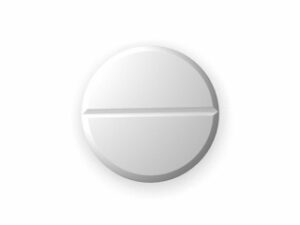
| Common dosage forms | Tablets (strengths vary by brand) |
| Who may benefit | People with heart failure and/or after a heart attack under clinical criteria |
How eplerenone works (mechanism of action)
Eplerenone blocks the effects of aldosterone, a hormone that can contribute to fluid retention and stress on the heart. Aldosterone works by binding to mineralocorticoid receptors.
By antagonising these receptors, eplerenone:
- Reduces sodium and water retention (supporting healthier fluid balance)
- Helps limit harmful cardiac remodelling (changes in heart structure and function)
- Promotes a reduction in strain on the heart
- May increase potassium levels (important for safety)
Because eplerenone helps oppose the actions of aldosterone, it is often used as part of a broader heart-protective treatment plan.
Pharmacokinetics (how the body processes eplerenone)
Pharmacokinetics describes what happens after you swallow eplerenone: absorption, distribution, metabolism, and elimination. Individual results can vary depending on kidney function, liver function, and other medicines.
- Absorption: Eplerenone is absorbed from the gut after oral dosing. Food affects absorption and peak levels (details below).
- Peak levels: The time to reach maximum concentration (Tmax) is typically about 1.5 to 2 hours.
- Distribution: It circulates in the bloodstream and has high protein binding.
- Metabolism: Eplerenone is primarily metabolised by CYP3A4 in the liver.
- Elimination: It is cleared from the body mainly via the kidneys (and partly via faeces). Kidney impairment can increase exposure.
- Half-life: The elimination half-life is roughly 4 to 6 hours, which is one reason dosing may be split during the day.
Typical use in the UK
Eplerenone is used in cardiology to reduce risk in specific groups. It may be considered in:
- Heart failure (particularly where a reduced ejection fraction is present and other criteria are met)
- After a myocardial infarction (heart attack) in patients with certain clinical features and where treatment criteria are satisfied
Eplerenone may be used alongside other heart medicines such as beta-blockers, ACE inhibitors, ARBs, and diuretics. The exact combination and dose are tailored to your condition and blood test results.
Indications (when it may be prescribed)
In the UK, eplerenone is indicated for:
- Reduced ejection fraction after an acute myocardial infarction with clinical risk factors (under defined criteria), to reduce the risk of cardiovascular death.
- Heart failure with reduced ejection fraction, to reduce the risk of cardiovascular mortality and hospitalisation (under defined criteria).
Eligibility depends on factors such as kidney function and potassium level. Your clinician will use blood tests to determine safety before starting and to monitor during treatment.
Dosing and how to take eplerenone
Dosage must be individualised. Your healthcare professional will set your exact dose and schedule based on:
- Potassium level (and changes over time)
- Kidney function (creatinine/eGFR)
- Other medications (especially those affecting potassium)
- Treatment goals and tolerance
Typical dosing approach (general information)
- Heart failure / post-heart attack: Common starting doses may be low, with adjustments based on blood tests.
- Usually taken once or twice daily: Because eplerenone has a moderate half-life, split dosing is sometimes used.
Do not change your dose or stop suddenly without medical advice. If you miss a dose, follow the instructions in the patient information leaflet supplied with your medicine.
Practical timing tips
- Take at the same times each day to keep blood levels steady.
- If you take twice daily, space doses evenly (for example, morning and evening).
- If your dose is adjusted based on blood results, ask when your next blood test should be scheduled.
Food interactions and absorption
Food can affect how much eplerenone is absorbed. It is generally recommended to follow the same approach each time: take eplerenone consistently with or without food as advised by your prescriber and the product leaflet.
- Some formulations/clinical guidance suggest that absorption may increase with food. Your clinician may instruct you on whether to take it with meals for stable blood levels.
- Consistency matters: try not to switch randomly between “with food” and “without food” unless told to do so.
If you have digestive symptoms or swallowing difficulties, speak to a healthcare professional or pharmacist for tailored advice.
Alcohol and medicine interactions
Eplerenone itself does not have a classic “do not drink alcohol” warning in most patient guidance, but caution is still wise because of your underlying condition and potential side effects.
- Alcohol may affect blood pressure and can increase the chance of dizziness or light-headedness—particularly if you take other heart medicines.
- Heavy or frequent alcohol use may worsen hydration status and kidney function, which can influence potassium levels.
If you plan to drink alcohol, consider:
- Start with small amounts
- Avoid binge drinking
- Monitor for dizziness, fatigue, or cramps
- Seek advice if you have kidney disease or a history of high potassium
Tell your pharmacist about your alcohol intake so they can advise appropriately.
Medicine interactions (important)
Eplerenone can interact with other medicines, especially those affecting potassium and those metabolised by CYP3A4. Interactions may increase the risk of side effects such as high potassium or affect eplerenone levels.
Interactions that may increase potassium
Because eplerenone can raise potassium, combining it with other potassium-raising agents increases the risk of hyperkalaemia. Examples include:
- Potassium supplements
- Salt substitutes containing potassium
- Other “potassium-sparing” diuretics (for example, amiloride, triamterene)
- Some medicines used for certain conditions that can raise potassium (your pharmacist can check)
Interactions affecting eplerenone blood levels (CYP3A4)
Eplerenone is mainly metabolised by CYP3A4. Medicines that strongly inhibit CYP3A4 can increase eplerenone exposure. This can raise potassium and side-effect risk.
- Strong CYP3A4 inhibitors may be avoided or used only with careful monitoring. Examples can include some antifungals and certain antibiotics—your pharmacist will verify your specific medicines.
- Grapefruit may also affect CYP3A4 activity and could increase eplerenone exposure. It’s best to avoid grapefruit products unless your clinician has advised otherwise.
Anti-inflammatory medicines (NSAIDs)
Frequent or high-dose NSAID use (such as ibuprofen or naproxen) can affect kidney function and may contribute to higher potassium. If you need pain relief, ask a pharmacist what is safest for you.
Other cardiovascular medicines
- Combining with ACE inhibitors or ARBs is common in heart failure care, but increases the importance of potassium monitoring.
- Diuretics are often used in combination; however, the balance of kidney function and electrolytes is critical.
Always provide your full list of medicines and supplements to your pharmacist before starting eplerenone or if you begin a new medicine. This includes herbal products.
Safety profile and side effects
Like all medicines, eplerenone can cause side effects. Many people tolerate it well, but the most important safety concern is high potassium (hyperkalaemia) and related effects.
Most important risks
- Hyperkalaemia (high potassium): This may not cause symptoms at first, but can be detected on blood tests. In severe cases it can affect heart rhythm.
- Kidney-related issues: People with reduced kidney function are at higher risk and need closer monitoring.
- Low blood pressure / dizziness: Especially if combined with other blood-pressure-lowering medicines, or if you become dehydrated.
Common side effects
- Feeling dizzy or light-headed
- Fatigue or tiredness
- Headache
Less common but important side effects
- Abnormal heart rhythms due to high potassium (requires urgent attention)
- Breathlessness or swelling (could indicate fluid balance changes—seek advice promptly)
- Signs of worsening kidney function (your clinician will monitor with blood tests)
Seek urgent medical help if
- You feel faint, have severe dizziness, chest pain, or palpitations
- You experience muscle weakness or unusual tingling
- You suspect an allergic reaction (e.g., swelling of lips/face, rash, difficulty breathing)
Blood tests and monitoring
Monitoring is a key part of safe eplerenone use. Your healthcare professional will usually check:
- Potassium levels
- Kidney function (creatinine and eGFR)
- Sometimes other electrolytes depending on your overall treatment plan
The frequency of monitoring can vary, but it is often higher after starting or adjusting the dose. Keep all scheduled blood tests and appointments.
Practical use tips (what you can do day-to-day)
- Follow a consistent routine: take it at the same times each day as advised.
- Avoid potassium-containing products: don’t use salt substitutes without checking with your pharmacist.
- Stay hydrated appropriately: follow advice related to your heart failure and diuretic regimen.
- Read labels: some “low-salt” or diet products may contain potassium.
- Be careful with supplements: potassium supplements or herbal products may not be safe for you.
- Report symptoms: tell your clinician if you notice weakness, palpitations, or unusual dizziness.
Missed dose guidance (general)
If you miss a dose, take it when you remember unless it is nearly time for the next dose. Do not take a double dose. Use the patient leaflet provided with your medicine for the precise advice for your dosing schedule.
Alternative options
If eplerenone is not suitable due to potassium concerns, kidney function, or side effects, clinicians may consider other treatments. Alternatives depend on your condition (heart failure type or post-heart-attack criteria) and overall medicines.
Possible alternatives (category level)
- Other mineralocorticoid receptor antagonists: for example spironolactone. (These medicines differ in side-effect profile; individual suitability varies.)
- Other heart failure medicines: depending on the specific diagnosis and symptoms, treatment may include medicines that reduce hospitalisation and improve survival.
- Adjustments to current therapy: sometimes dose changes, medication timing, or monitoring can make eplerenone workable.
Your clinician will choose an option based on your blood test results, symptom control, and interactions. Do not switch between related medicines without professional guidance.
UK market and legal context (overview)
In the United Kingdom, medicines like eplerenone are supplied and managed under the UK medicines regulatory framework. Supply is guided by licensed product information (including patient information leaflets), prescribing practices, and requirements around safe use and monitoring.
For online pharmacies in the UK, medicines are typically supplied according to applicable rules on customer eligibility, safety checks, and identification of appropriate use. Always ensure you are buying from a reputable UK-registered source.
If you are unsure whether the product you are viewing is appropriate for you, contact the pharmacy team before completing your order.
Recent guidance and clinical practice notes (UK context)
Clinical guidance for heart failure care evolves over time as evidence updates. The general themes that commonly influence practice include:
- Electrolyte monitoring: careful monitoring of potassium and kidney function when using mineralocorticoid receptor antagonists.
- Risk-based patient selection: ensuring benefits outweigh risks for each individual.
- Optimisation of guideline-based therapy: using a combination of medicines where appropriate.
Your clinician will follow the latest evidence and local protocols. If you have questions about why eplerenone is chosen for you, ask at your next review.
Delivery, availability, and what to expect (UK online pharmacy)
Availability can vary by strength and brand name. When ordering online from a UK pharmacy, you can typically expect:
- Clear product details: strength, tablet count, and instructions on packaging.
- Delivery timeframes: vary by location and stock status; check the checkout information for estimates.
- Packaging and storage: medicines should be stored according to the leaflet instructions.
If your order is urgent, check the pharmacy’s delivery service options and contact support if you need guidance. Always keep medicines out of reach of children.
FAQ about eplerenone
1) What is eplerenone used for?
Eplerenone is used to reduce cardiovascular risk in people with certain heart conditions, such as heart failure with reduced ejection fraction and selected patients after a heart attack. It helps counter the harmful effects of aldosterone on the heart and circulation.
2) How long does it take to work?
Some effects may begin soon after you start, but eplerenone is typically used for longer-term risk reduction. You may not feel immediate changes. Blood test monitoring helps confirm safety and response.
3) Should I take eplerenone with food?
Food can influence absorption. Follow the instructions on your medicine leaflet or from your clinician. In many cases, taking it consistently with or without food (as instructed) is recommended.
4) What should my potassium level be?
The target range depends on your overall situation and lab standards. Your clinician will define acceptable values before starting and will monitor regularly to keep potassium within a safe range.
5) Can I take painkillers like ibuprofen?
NSAIDs such as ibuprofen can affect kidney function and influence potassium balance. If you need pain relief, ask your pharmacist which options are safest for you, especially if you have kidney impairment or a history of high potassium.
6) Is grapefruit allowed?
Grapefruit may increase eplerenone exposure because of effects on CYP3A4. Many clinicians advise avoiding grapefruit products unless you have been told it is safe for you. Ask your pharmacist if you’re unsure.
7) What happens if I miss a dose?
Generally, if you miss a dose, take it when you remember unless it is close to the next dose. Do not take double doses. Check your patient leaflet for instructions tailored to your schedule.
8) Can eplerenone cause dizziness?
Yes, some people experience dizziness or light-headedness, particularly when starting treatment or if blood pressure is lower than usual. Stand up slowly and let your healthcare team know if dizziness is persistent or severe.
9) Who should be extra careful with eplerenone?
Extra caution is needed if you have reduced kidney function, a history of high potassium, or if you take medicines that can raise potassium. Close monitoring is essential.
10) Are there lifestyle tips that help?
Yes: avoid potassium-containing salt substitutes, keep up with blood tests, and inform your pharmacist about supplements or herbal products. Maintain hydration as advised for your heart condition.
Summary
Eplerenone is a mineralocorticoid receptor antagonist used for selected heart conditions in the UK. It works by blocking aldosterone, helping support the heart and reduce long-term risk. The main safety focus is potassium and kidney monitoring, because eplerenone can raise potassium levels. By taking it consistently, avoiding potassium-containing products, and attending blood tests, you can help make your treatment safer and more effective.